October
2026-10-30
October 2026
”World building gives one the imaginative sovereignty to reconstruct, reclaim and alter this reality.”
Hello friends and lovers,
We are nearing the end of this wild autumnal month, full of lessons and stories.
As promised, I have prepared a short essay on the topic of world building as it applies to community art making. I will also include a short reading list of influences to these thoughts.
I hope you enjoy.
What is world building and how am I defining it?
World building is the act of intentionally organizing one’s inner world or community setting around a set of personal mythologies. A personal mythology being a narrative or story one chooses to subscribe to in order to shape their own, or their community’s identity. This is complete with it’s own reality systems that are shaped by engagement with culture; regardless of whether or not the culture is consciously regarded. There is always an influence.
When applied to Art, these worlds and personal mythologies can manifest through visuals and melodics, or linguistically communicated stories and poems. These means of creation come together to create a web that reflects and memorializes markers scattered across our “sacred geographies.” Sacred geographies being, places that set the scene of any given world. Places can be both emotional or physical.
Places that have perpetually been trodden upon and cultivated over time by daily routines and habits.
Places that have become settings for acts of grieving, praying, or remembering.
The concept of “charting sacred geographies” was first introduced to me in the anonymous essay “First Protocols of a Queer Goetia” and continues to influence the way I interact with places I frequent. These aspects come together to resemble an inner map that has the power to alter dispositions and states of being, ultimately guiding one’s actions towards hopeful futurity with the first action being the reversal of self-alienation. World building gives one the imaginative sovereignty to reconstruct, reclaim and alter this reality.
Self-alienation
Self-alienation occurs through no fault of our own. It creeps up in instances when we find ourselves determining our value through capitalist variables like one’s aptitude for efficiency or emotional compartmentalization; and its through becoming subject to these variables that we lose sight of our inherent rights to authentic and expressive connection with ourselves and others. Side effects of which include scattered attention spans, burnout and exhaustion, and all too often hopelessness and cynicism.
World building in action
Selecting the verbiage “word building” is deliberate because it prioritizes active over passive action when taking claim to cultural production. The cultural production of which directly effects artistic practices and can be responsible for much of the way we ground our hearts and minds to value systems within our personal relationships and communities. The ability to ground in this way is particularly poignant throughout times of greater political instability. Within the context of late stage capitalism, cultural production has largely been lost to what has the most potential for profitability and success in the attention economy. But we must not forget that we the people still hold power in shaping culture, and that is something that is very difficult to take away. This is why in is so important to reclaim cultural production through conscious choice making that determines how we converse with our individual identities and communities. The easiest place to start is the personal, although this eventually extends to the way our devotion manifests through a broader scope; How culture effects our home cities and the political interventions involved in shaping them.
The significance of creating in community
If it weren’t for community there would be no witness to our performances and practices— no witness to our expression— rendering the creation of personal mythologies nearly obsolete. This is when personal mythology extends to community. Without an audience there would be no performance, making community engagement essential for word building. By de-centering the competitive, and extending permission to redetermine what is valuable within an artistic context, communities of artists have the capacity to reimagine their own worlds by changing the value systems within their immediate culture. They do this by playing witness and affirming these new value systems.
This too is a form of anti-capitalist struggle. This is how we shatter self-alienation and alienation from each other. Changing the value systems within a culture can look like changing expectations around identity; our relationship with the concept of “goodness” rooted in white supremacy and Western Evangelism; our dispositions around who has rights to access of land; the way we contextualize poverty as an issue of meritocracy , and more.
Influences to this framework
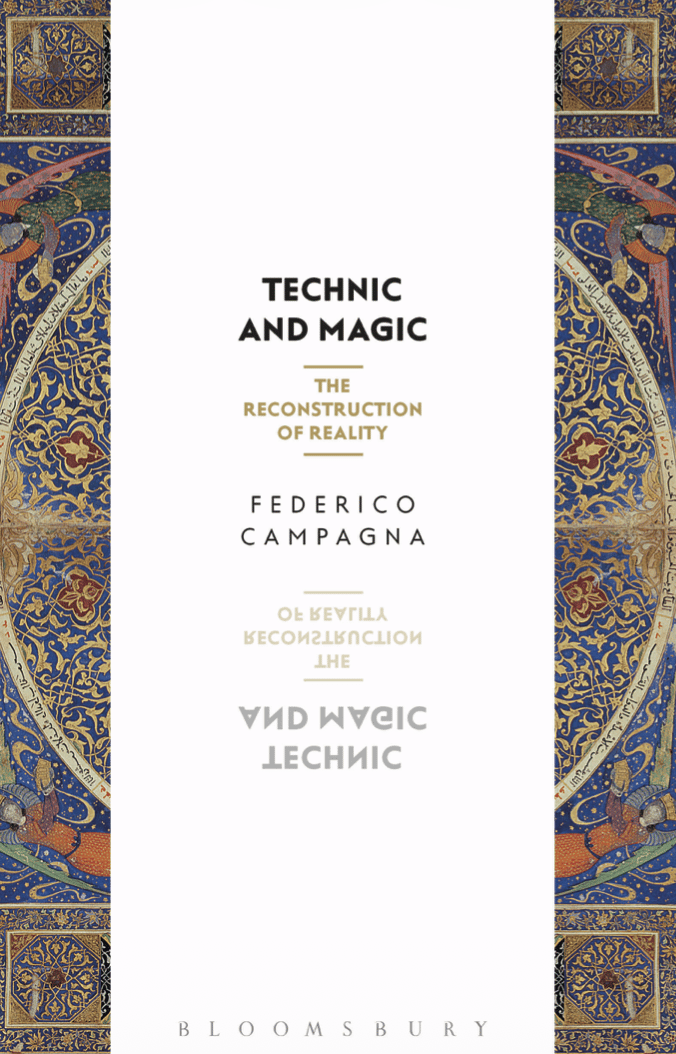
My initial inclination towards applying the concept of mythology to personal narrative building, and furthermore to world building in the context of community, was sparked by the work of philosopher Federico Camagna. Wherein he develops and dispels an alternative cosmology for understanding measurements of reality. He refers to these measurements as “reality systems,” attributing aspects of which include what he refers to as “technic” and “magic.” Technic being the current state of homogeny which is upheld, simply put, through our use and interaction with language. And Magic being the imaginative and ineffable by which we may apply the logic of Technic to in order to make it true. Therefore altering the state of reality. You can read his book “Technic and Magic” yourself to diver deeper into his theories.
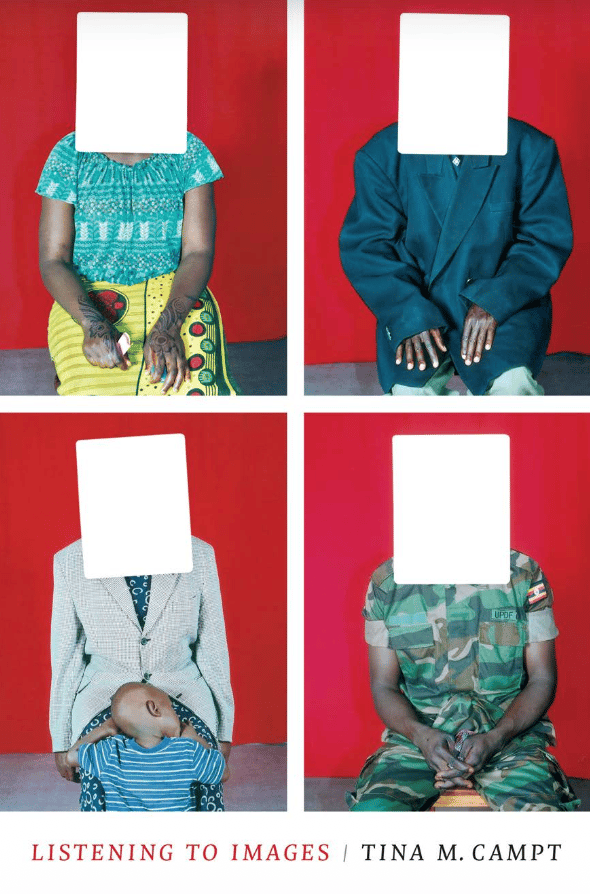
The point is, our realities are alterable and that change begins on a ground level of reassessing the ineffable as something that can be made concrete through cultural construction. Federico’s primary example of which is the way we converse with the function of language, but as he goes on to explain, language is not the only function of culture. There is exorbitant amounts of knowledge that can surface through varying levels of expression. Which is why artists are such valuable producers of culture. Because Art can tap into what theorist Tina Campt refers to in her book Listening to Images as the “lower frequencies of an artwork. Frequencies accessed only though the affective body. This is proof that knowingness is stored not only in the head, but also in the heart.
Forward
Creating around self mythology goes beyond creating something beautiful or engaging. It is the practice and mediation that comes from looking at ones life and reclaiming it as inherently valuable. All the while noting the stories of our experiences, and intimately conversing with them apart from the dominating narratives that are consistently being imposed upon the masses by popular culture and capitalist propaganda.
This piecing together and mulling over is kinetic! There is so much potential within a group of artists fostering this connectivity in tandem with one another. Potential grows as we become entrenched in mutual conversation and parallel creation. This conversing is a generative act of preservation that underscores our lived and imagined experiences as inherently valuable. That which creates a direct opposition to the self-alienation we have all fallen victim to in some capacity. I see this as foundational to strengthening our effectiveness as a collective force for political change. When we move with authenticity and imagination these acts becomes a source of great hope.
Reading list:
First Protocols of a Queer Goetia (2019) Anonymous
Technic and Magic (2018) Campagna
Listening to Images (2017) Campt
Until next time,
Ayeel
Don't miss what's next. Subscribe to Parallel Horizon Invisible Horizontal :