What did you want to see before you were told you were wrong?
Heyo,
The new episode is out. This one's about Maria Molteni, a queer artist in Boston who crochets basketball nets and paints whole courts at the kind of scale you can only see from a drone.
Maria is also a Shaker scholar, and they use this phrase: practical and visionary. The Shakers made furniture that's still the standard two hundred years later, wrote music people still sing, invented tools that ended up in our kitchens. All by hand. People often say the Shakers died out because they were celibate, like it was some kind of design flaw.
Maria pushes back on that. The Shakers lasted 250 years. AND! There are two members are still living at Sabbathday Lake in Maine. Most of the institutions we admire won't make it a fraction of that. The celibacy thing is what people fixate on because it's easy, but the real question for me is how a group of people who owned nothing individually managed to build things that outlasted everything around them.
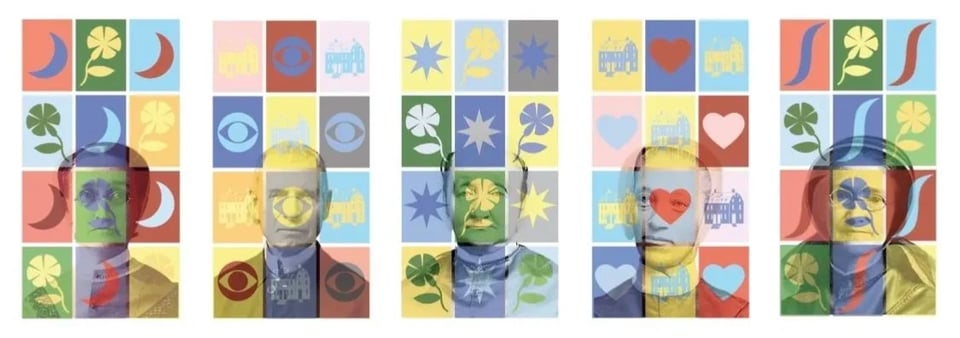
They didn't make objects to sell. They made objects to use, and the objects turned out to be beautiful because the people making them thought this should be the baseline, not the premium.
That's where the luxury industry comes in. Somewhere along the way, "handmade" became a price point. You see it everywhere now: the faux “hand-thrown mugs” from Insta potters, luxury goods housed in the very garment factory that used to make clothing for everyone, craft beer that costs more than wine… the list goes on and on.
The very language of making has been coopted and absorbed into lifestyle branding. "Small batch" is a marketing term. "Heritage" is a font choice.
The people who actually make things with their hands have turned into content for people who buy things with their wallets. The early Shakers would not recognize any of this. They'd find it bizarre that we turned care into a luxury when for them it was just how you made a chair.
Maria's work starts from the same place the Shakers did. A crocheted basketball net is not a luxury object. It catches the ball. A painted court tells kids who don't fit the team that the space is theirs too. Maria sells the pattern book by donation and gives it away free to anyone who can't pay. That's practical and visionary at the same time. The Shakers would get it.
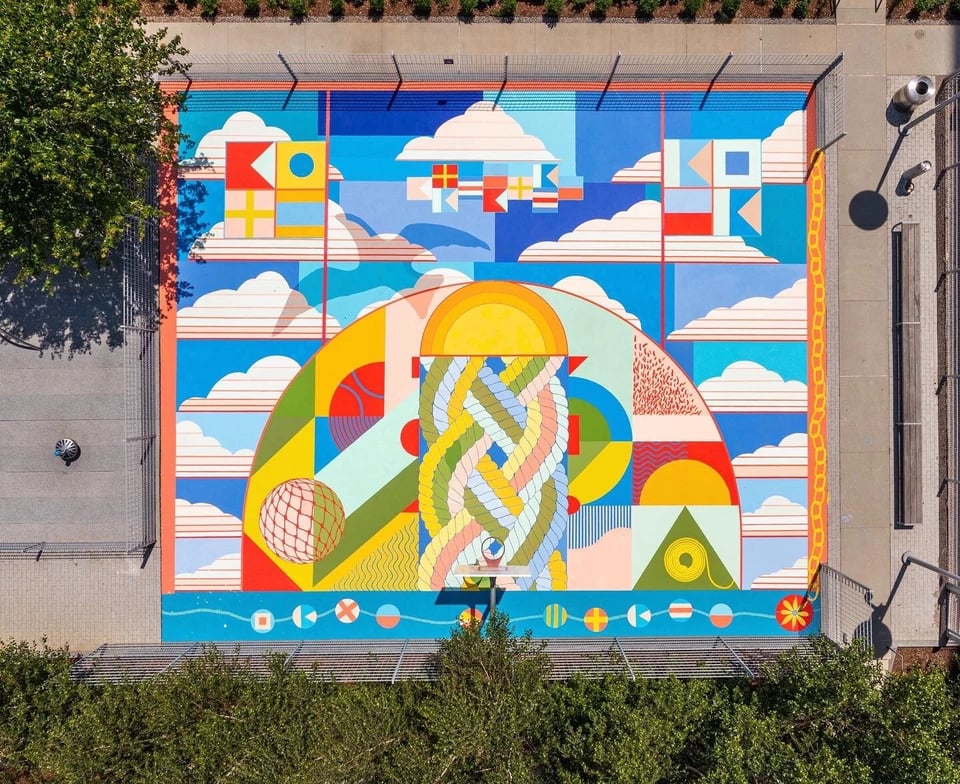
There's a moment in the episode where Maria says they often go back to childhood, because that's when we were our least inhibited. They ask: what did we want to see in the world before we were told we were wrong? I think that question is the thread that ties all of this together. The Shakers asked it in 1774. Maria is asking it on a basketball court in Dorchester in 2026. The answer, both times, is the same: make the thing. Give it purpos and see what happens.
Xo.
Ian