Weekly API Evangelist Governance (Guidance) For February 23rd, 2026
In the short 13 months I was at Bloomberg, the leadership for my group changed twice. My boss, and my bosses boss remained the same throughout my tenure, but the overall structure of the teams changed right when I got there, and right when I left. I have noticed type of restructuring has become commonplace within enterprises, and the cycles seem’s to be getting smaller and smaller in response to the increasingly volatile cycles present in the market. While not all enterprises I talk to are subject to the effects of the waves of change smashing against their shores, the ones who don’t have deep roots laid are struggling.

I have had several conversations with leadership within teams, but also across teams, on how to best address this perpetual change. I’ve had several conversations on my Naftiko Capabilities podcast recently about how individuals should deal with the musical chairs occurring inside the enterprise, but also the intensity of the markets outside the enterprise. My newsletter last week addresses a significant part of how we deal with this change via our community and communication tools, and this week I am looking to further adjust how I evaluate, respond, and communicate around the “change” I see occurring across different industries.

Signals
Finding the signal in the noise of today’s market isn’t easy. What do you pay attention to? It is easy to get overwhelmed. This is by design. You are easier to manipulate when overwhelmed. Today’s market is a sort of perpetual denial-of-service attack (DDOS) at the information level, which is why I talked about the social media channels we tune into, syndicate across, and cultivate our communities last week. There are only so many channels you can tune into, and there are only so many people you can tune into, and artificial intelligence is turning up the volume to 11 on most of the channels we already depend upon.
I have outlined the social media platforms that matter to me, and why staying off Twitter and Substack also matter. I believe it is important to go to the source of whatever you are looking to tune into. I am interested in gathering the signals from mainstream companies to understand what they are investing in, while still tuning into some of the signals from startups who are looking to sell to these enterprises. The majority of the signals I think truly matter are coming from the enterprise across multiple mainstream industries today, and I am using 250 of these companies as the scientific sampling of the needed signals.
Industries
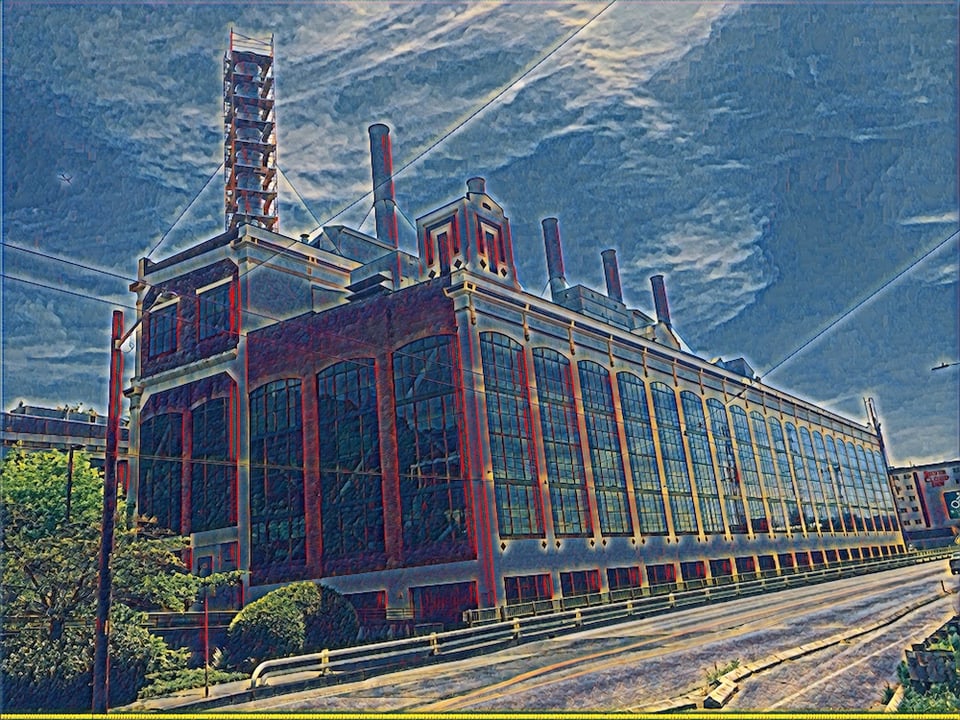
It is healthy to get outside of the industry in which we operate. I learn a lot when I talk to folks in the mining, healthcare, or shipping & logistics industries. I am tracking on 36 top-level industries and 73 secondary (sub) industries as part of my Naftiko Signals work. I now have 250 companies across these industries, which I have about half of the technological concepts, services, tools, and standards identified across these industries—providing me with a nice top-level, but also industry-level view of things.
Different signals matter to different industries. When it comes to operations you see a lot of cross cutting things like observability and containers, but when it comes to artificial intelligence and APIs you see that different signals will matter across different industries. I think that the industry an enterprise operates in will dictate a lot about what signals matter to them the most, but I also think that there are other emotional and competitive dimensions to think about when slicing and dicing why signals matter or not.

Companies
What a company posts in their job description, blog posts, and press releases provide a nice baseline of investments that matter to them. The trick is to understand where each company is at in their journey, and what the signals present in job descriptions, blog posts, and press releases mean. It is also about understanding where those signals fit into the wider industry a company operates within, but I suspect there are a lot of other emotions in play that will define how companies see things and will respond to my signals work.
I am looking for the emotional connections with leadership within the enterprises associated with the signals I am gathering and where they fit into the industries they want to remain relevant in. I am looking to understand why signals matter why companies are investing in AI, API, or not. Their job posts and press releases are intentional signals that reflect their quarterly investments, but those emotions are likely shifting as we speak, and I am hoping that eventually Naftiko Signals can play a grounding role in the investment decisions that are being made from quarter to quarter.
Concepts
The list of technology concepts I am tracking on has gotten refined over the last couple of weeks. I’ve expanded the areas of signals I am tracking on from 25 to 41. Tracking on from API and AI to FinOps. All concepts have alternative names now, helping me be more consistent and precise in what I am looking. I have also begun looking at the age of each technological concept to understand something like EDI all the way to the latest agentic workflows—investment in these technological concepts shape the history and the journey of each company.
Services
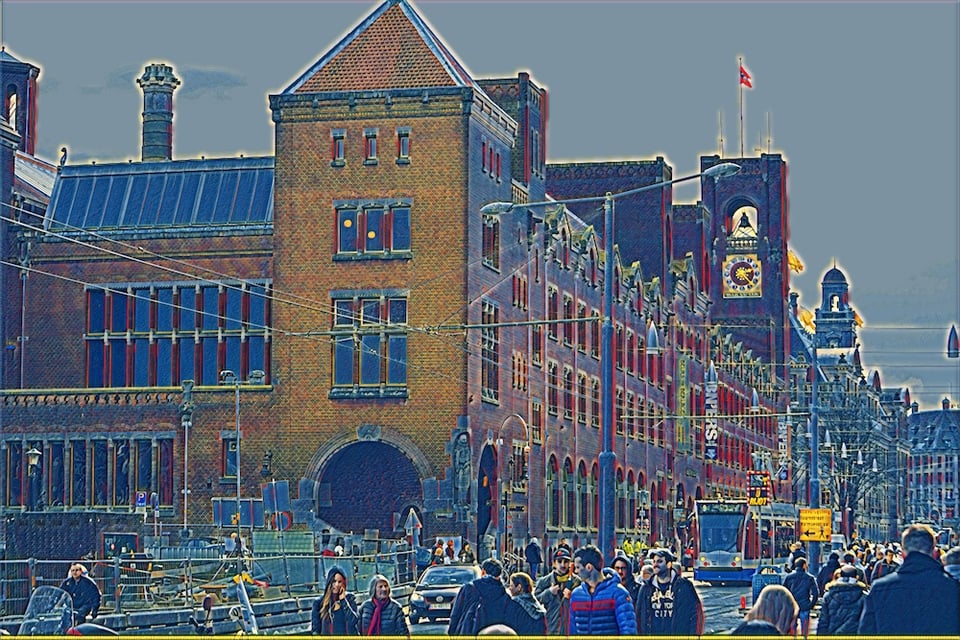
The list of commercial services I am tracking on has gotten more refined with me doubling the number of companies I’m working to understand. You can really see the engineering and business operations across these companies. You can really tell when a company is a Microsoft shop and when they are still heavily invested in SAP. Like concepts, I am interested in alternate names, as well as the age of each service and where it fits into the overall journey each company is is on, and what commercial services they are investing in.
Tools
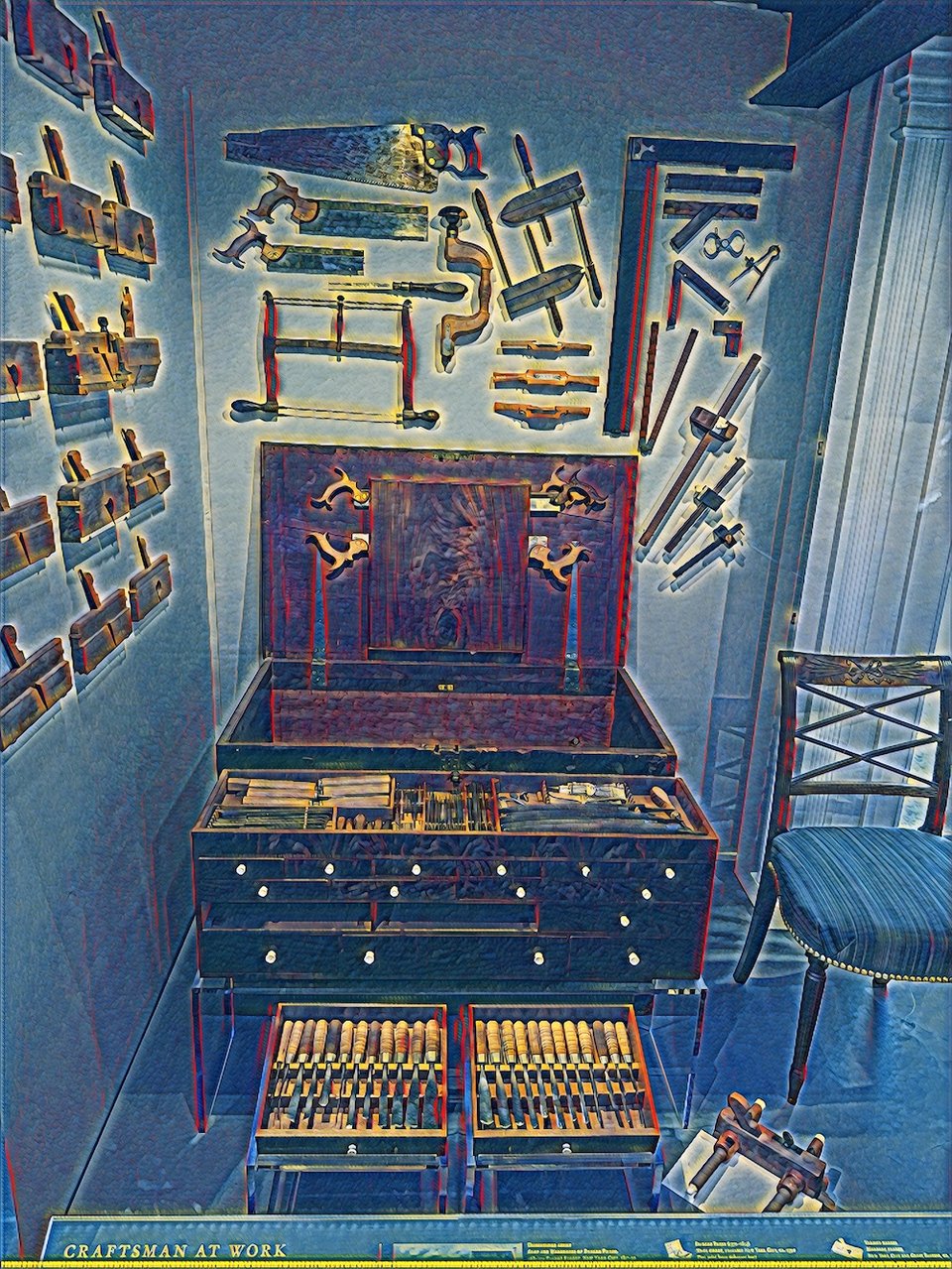
I have been very focused on Apache and CNCF tooling lately, but I recently expanded what I am learning about to any open-source tooling. I am taking the top tools across the 250 target companies I am looking at, and compiling into a single list that is also getting pretty refined. I have the alternate names, as well as the age of each tool, along with the other meta data that helps me understand where it fits into the enterprise stack. I am finding that there is a lot of context associated with the investment being made or not into open-source.

Standards
I also added in standards into my work this last week, helping me focus in on the classic standards I have been tracking on like OpenAPI and JSON Schema, but also not the latest wave of CLAUDE.md, RULES.md, as well as what MCP and Agent Skills are present in the signals that enterprises are emitting. I am finding that the standards each enterprise is investing in or not is key to how an enterprise views things across almost all of the areas of signals I am gathering, dictating a lot about where a company should be investing throughout 2026.

Roles
Another dimension I am finding dictates a lot about the signals I am gathering is the role of whoever I am talking to or sharing these signals with. I have recently grouped concepts and services by the different roles I am tracking on. This has helped me understand why different areas of signals I am tracking on matter to different roles I am talking with or targeting with my storytelling. Next I will organize tools and standards by role, and continue to look at the bigger picture of why these signals matter to different roles and the wider enterprise.

Waves
After several weeks of responding to hype in the space I wanted to understand all of the major waves to have crashed on enterprise shores as part of this AI moment. I started with LLMs themselves, but then looked at open-source, RAG, context engineering, and other foundational shifts because of AI, but also the more theatrical like Clawdbot, Moltbook, and Gastown. While not all of these waves have had an impact on every industry, they are part of a larger denial-of-service attack occurring to soften the enterprise boundaries.
I found it helpful to review all of these AI waves. I have felt like I was too close to the waves for the last couple of years, as I worked to make sense of what has been happening. After spending a little bit of time thinking about what came out of each of these waves, if anything, I feel a lot more grounded regarding the signals I’ve been gathering. Once you start considering the big picture across waves and stop getting lost in the noise of each wave, it is becomes much easier to see what the intent is out on the open waters where these waves are produced.

Impact
As I began studying the waves, I got to work organizing the signals I have been gathering in the context of the impact these waves have had. The vocabularies I am using to shape the 41 areas of signals I am track on, are also reflected across these waves. Why enterprises are responding to MCP and Agent Skills are reflected in many of the waves I have been studying, as well as the enterprise investment in API, open-source, and other key concepts, services, tools, and standards. My goal is to translate this impact into decisions enterprises can be making in coming months.
I am looking to recreate the same view I have across these waves crashing up against the enterprise, up here on the bluff above the beach. There are lots of learnings present across these waves, the impact they are having on enterprises, and the signals coming out of enterprise organizations as a result. As I continue to massage the insights learned from adding these waves, l want to understand how I can distill the learnings down into the stories that enterprise leadership will care about as AI integration continues to play out in 2026.
Radar
I was playing around with ThoughtWorks Technology Radar this week after someone brought it up in one of my live conversations. Thoughtworks provides an open-source option to build your own radar, and I managed to adapt a draft to the concepts, services, tools, and standards I’ve been gathering as pat of my Signals work. I am currently playing with just how many signals you can aggregate within a single radar visual, and then also keep playing with how the layers will help enterprises make decisions and navigate where they need to go.
A key part of helping people make decisions around this will be defined by our ability organize signals by four distinct layers, which I’ve organized as optimizing, established, developing, and initial. They are likely to evolve but I am looking for a way to organize the concepts, services, tools, and standards and make easy to navigate. I have organized them across all companies and industries for now, but hen I can just as easily organize them by industry or for a specific company, helping play around with different radar variations
Navigation
The big question now is how do I best help companies navigate using the signals I have gathered. I am feeling like I have most of the dimensions I should be considering now. I am going to do some storytelling around the overall impact and radar—see what help it provides for folks I am talking to. I am thinking that the competitive industry landscape will be appealing for most folks I am talking with. However, I think there are other insights in there I haven’t considered, based upon the overall journey each enterprise is on when it comes AI integration.
Ultimately I would like the Naftiko Framework to be the answer to the navigation question no mater what level it is being asked at. Then the Naftiko Fabric should connect the dots that matter, using the relevant signals as context. I want AI, API, platform, and integration leads to be using the Naftiko Signals radar to navigate how they put the Naftiko Framework to work, and associate the Naftiko Fabric with what they need to make sense of the signals gathered across the growing number Naftiko powered integrations in each enterprise organizations.
"The only sustainable advantage you can have over others is agility, that's it." — Jeff Bezos