Weekly API Evangelist Governance (Guidance) For December 17th, 2025
There was no API Evangelist newsletter last week because I was on my way to Paris, France for APIDays. I was saving up all of my ideas for the conversations I would be having throughout the week. It was my second full conference since Covid, and it was the first first where I was sponsoring and needing to go full API Evangelist, but also full Chief Community Officer. I am just getting over the illness I acquired while at the event, hence the lateness of this newsletter, but even as bad as I feel right now—it was worth it.
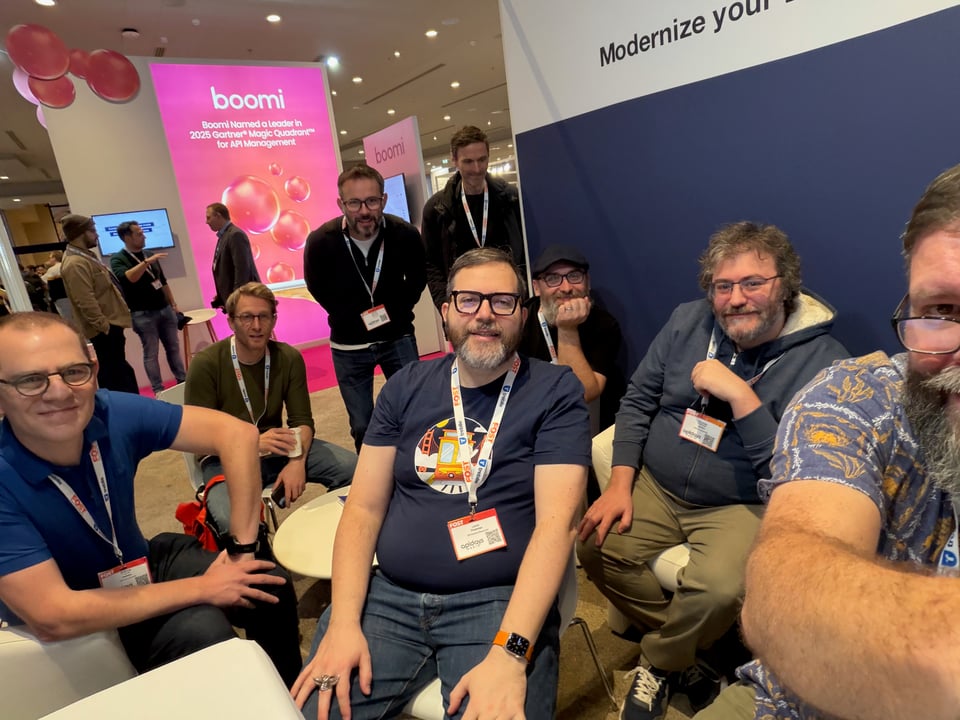
APIDays in Paris
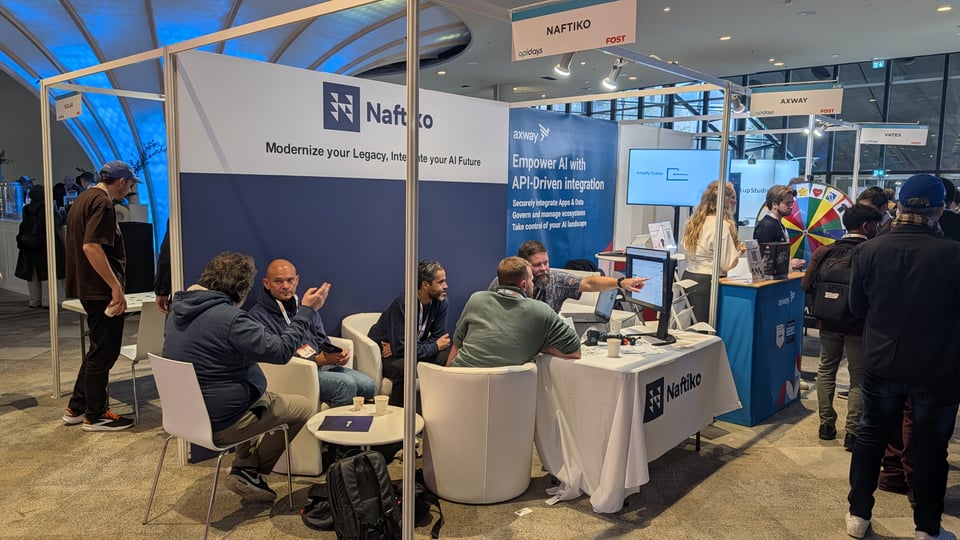
What an amazing event APIDays has become. I am really impressed with the growth of the event over the years. They are definitely the flagship event for the API realm. Jerome and I sponsored APIDays at the silver level so we could have a bigger booth and presence on the website for the launch. It was worth every penny. I wouldn’t say the value was returned in leads generated, but in conversations and hugs acquired—as well as the imprint left on the imagination of people and vendors who were in attendance. I am thankful to the APIDays events team, and happy to continue supporting their conferences around the world as I have since the beginning.
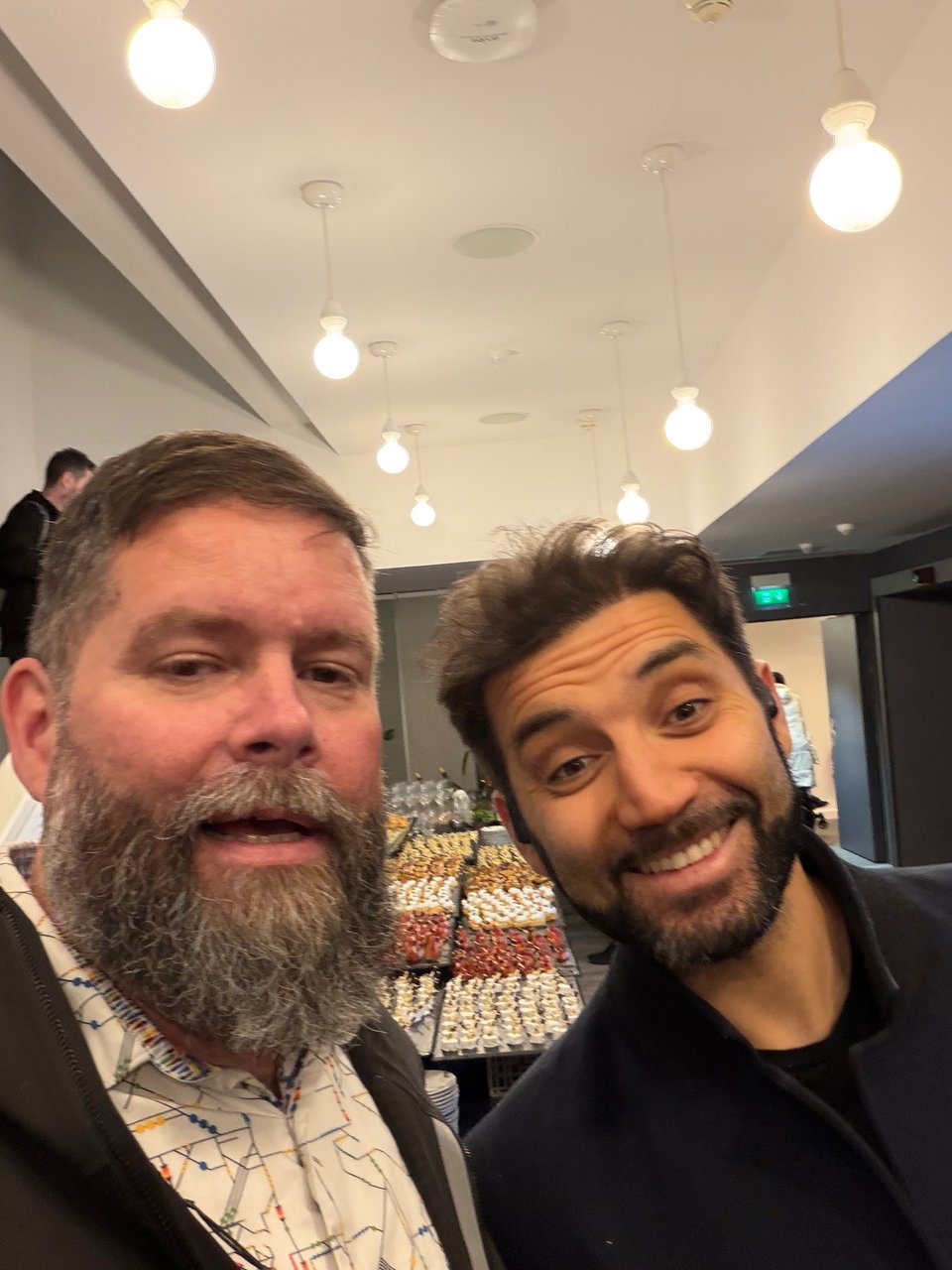
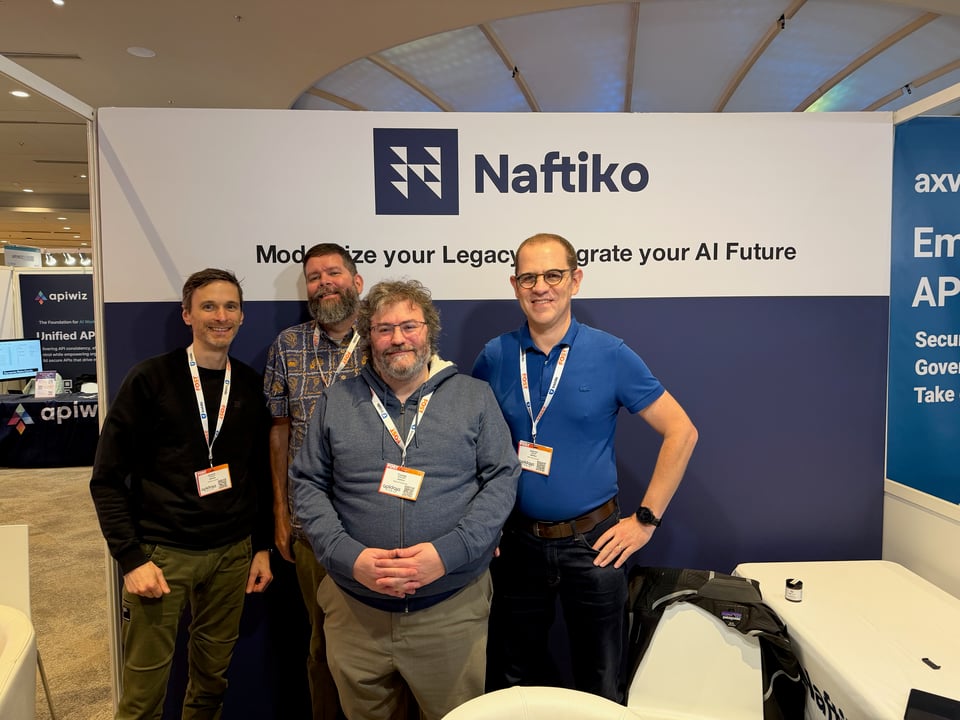
Launching Naftiko
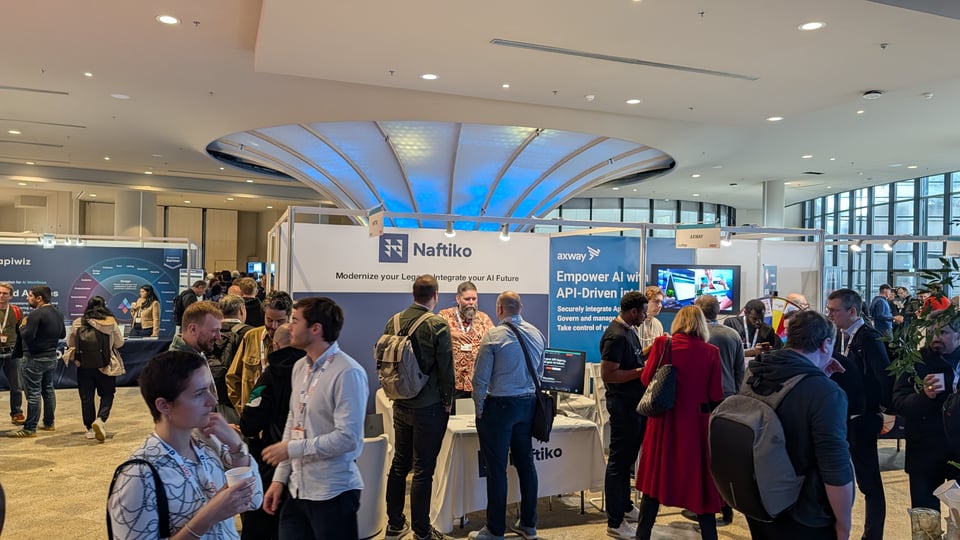
Jerome, Thomas, and I used the APIDays event to launch Naftiko. We launched the website and company. We don’t have a product yet, but we did spend a great deal of time showcasing our Figma mockups of the Fabric, which included VSCode and Backstage integrations. I also was able to share what we are working on with Naftiko Signals, our pilot customer programming which is quickly becoming much, much more. I know there were a lot of people who were left scratching their heads about what is to come with Naftiko, but they were mostly vendors trying to understand how they can compete with us. That is fine. The necessary seeds were planted across the landscape.
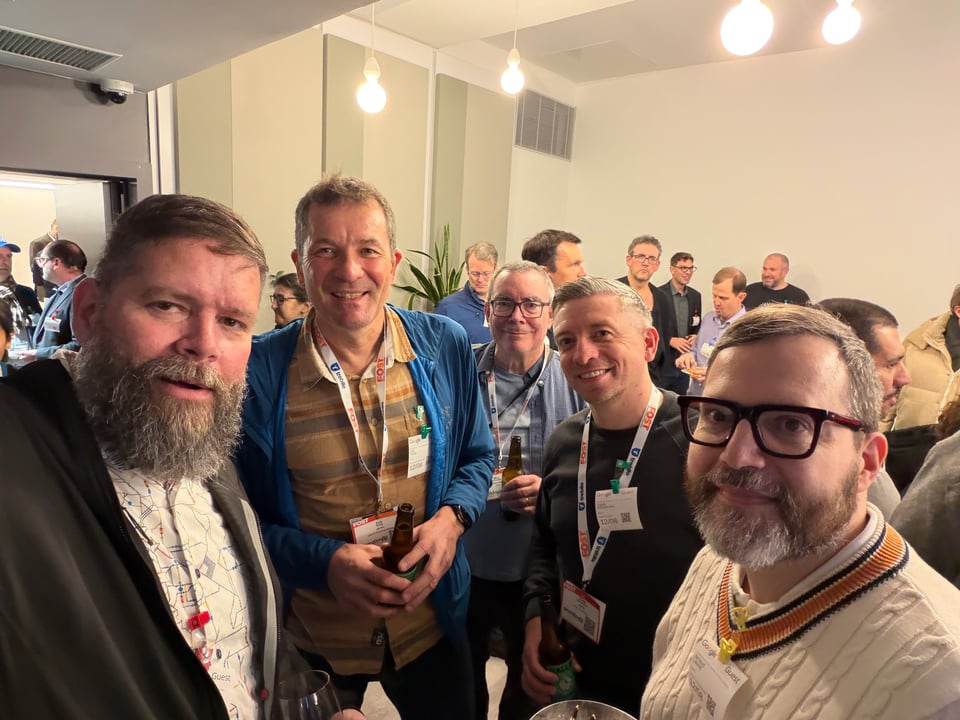
API Ecosystem
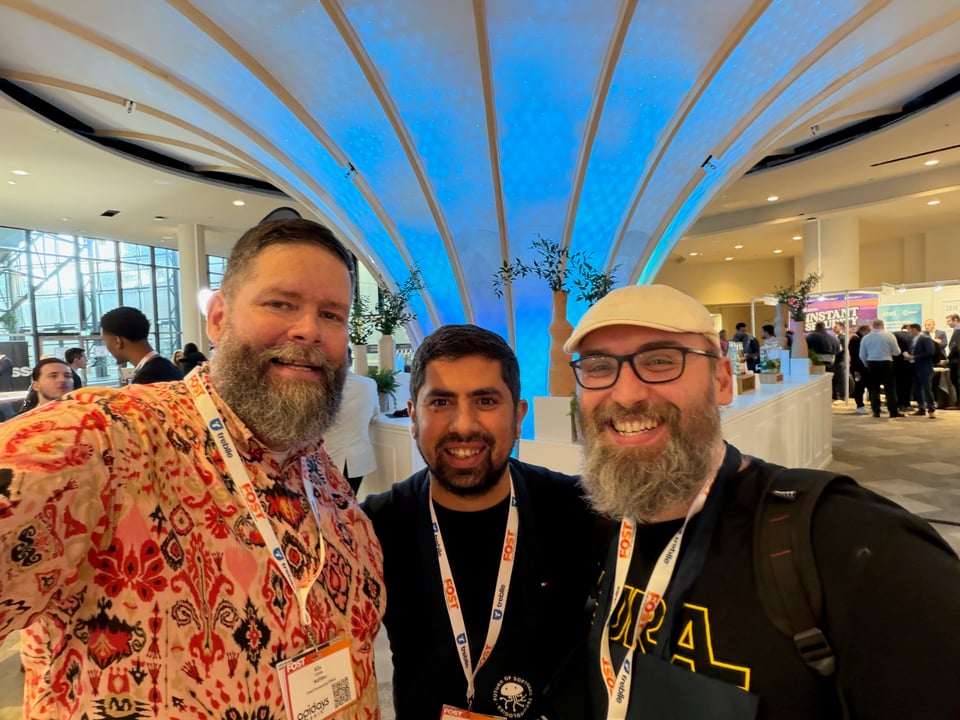
I really, really, relaly love the energy of the API ecosystem. I love seeing all the old faces. The energy and passion is always generative. I really enjoyed meeting so many people I have known for years, but haven’t met in person. I wrote up everyone I could recount and all of the pictures I took on LinkedIn. The energy and ideas definitely brought be a boost in energy for the current state of the market, and left me thinking about where I can plant seeds, drive conversations, and invest in the work of others. While there seems to be collective amnesia of the past present in the API ecosystem right now induced by the latest wave of investment, I think there is still so much opportunity for shaping the narrative.
AI Applications
Seeing APIDays alongside GenerationAI signals a misstep by the organizers for me. It isn’t just that I am not an AI believer. AI is an application, and if we listened to the GraphQL people and focused too much on single page and mobile applications years ago—there would have been equal criticism. I just don’t think any application should be dictating the conversation. I think this is why the overall lead quality was lower, as well as the level of conversation and deep engagement on the business of APIs. The AI mandate has shifted the conversation everywhere, but I am determined to come out of this with more stories and rituals that help people separate applications from the interfaces they depend upon to do what they do.
Open Source
I liked the Future of Software Technologies (FOST) wrapper at APIDays, but felt like open-source needed top billing as part of this effort, alongside my emotions around realigning the AI focus. Just focus on open source models, tooling, standards, and not AI. I love the investment in open specifications across the event and want to see more elevating and highlighting of all the specs. However, I don’t feel that open-source tooling was elevated though. I think the OpenAPI, JSON Schema, AsyncAPI, as well as A2A and MCP ecosystems could do with some elevation of the open-source tooling available, and think that the future of software technologies is very dependent on open-source specifications, tooling, and models.
Domain Driven
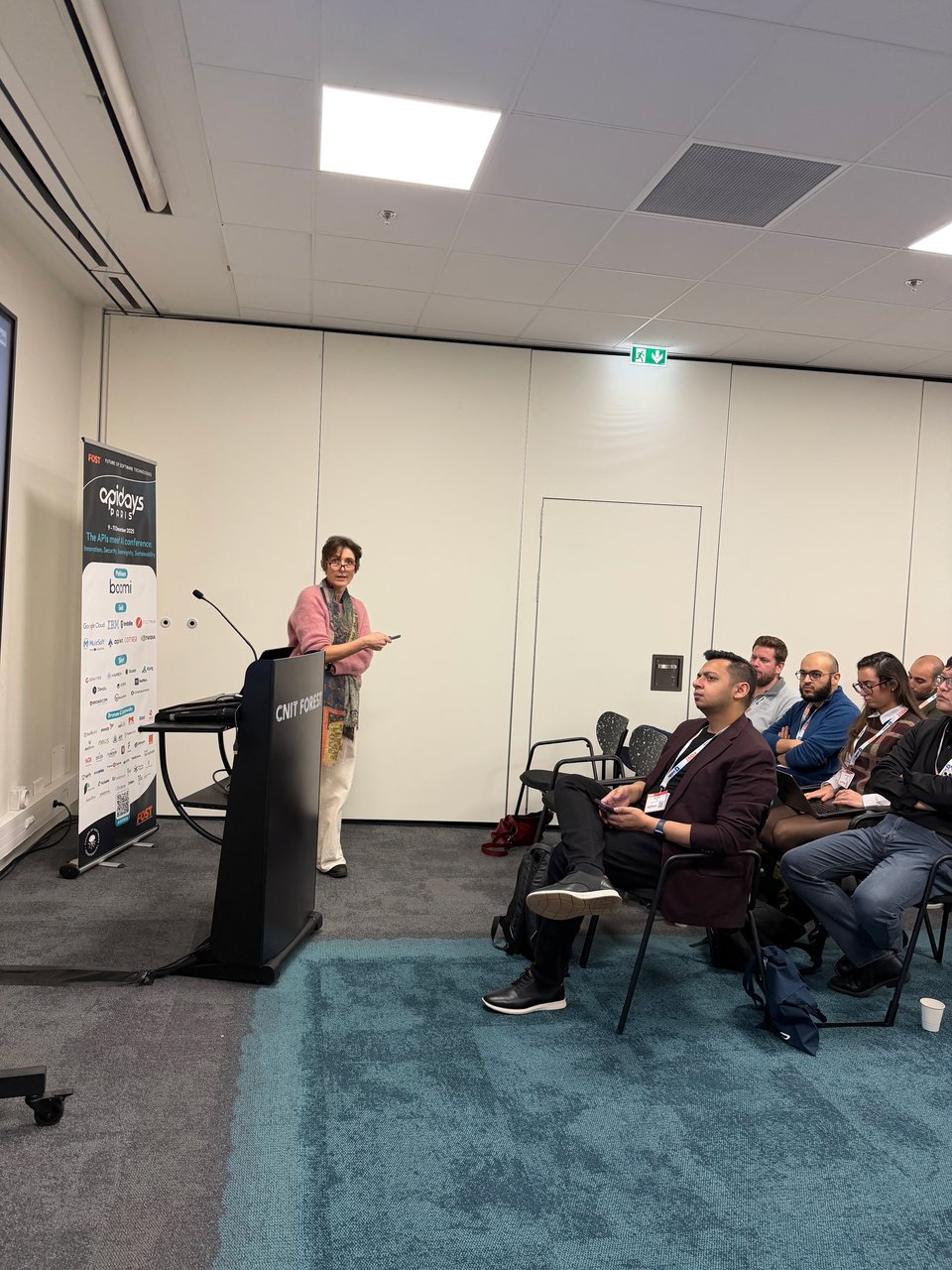
Similar to the AI part, I get the Green.io portion of the event stack, but I think it would be better served if the event had stuck to it’s business vertical roots and continued to develop domain-driven tracks that give domain-experts more of a platform. I’d recommend keeping “applications” out of the stack—leave that to each application sector. And I’d recommend investing more into developing domain tracks as aggressively as you have invested in geographical expansion—this was part of the original APIDays vision if I recall and seems to be getting fragmented rather than more defined. Honestly, I feel the FOST should be represented by APIs, data, experience, open-source, product, platform, and then rely on domains for expansion. But I know it isn’t my event. ;-)
Round Tables
I know it might not fit with the traditional conference center layout, but we need more roundtables. The conference is already rocking the area with Women in APIs, executive lunches and dinners, but you need that for the exhibit floor and disrupt the sessions more. We need more conversations and shared experiences. We need more entry level discussions as well as expert discussions, and as much in between as we can. Round tables plus the domain focus is the key to expansion and growth of API Days, but also the wider FOST wrapper. If you want to be the future of software technologies, then I am confident investing in new people to the space, as well as domain experts, and the business domains driving markets, is where you want to be.
Naftiko
Thank you to the APIDays community for receiving Naftiko. It meant a lot. It felt good. It felt like the right launch pad. I couldn’t think of a better city, event, or community to do it. We now have a lot of work to refine our market research, go-to-market, Signals, and product strategies based upon what we learned. It was a great way to end the year. I know people have a lot of questions and likely skepticism still about what we are building, but I think that will begin to change in January. The launching of Naftiko without a product was intentional, as we intend to build the product out in the open, tapping into the work across existing ecosystems, but also work to be the “fabric” across each community to help intelligently contribute to what already exists, and get us all heading in the same direction.
API Evangelist
The launch of Naftiko has given me more clarity on what I will be doing with API Evangelist. The strategy I set out building after leaving Bloomberg was remarkably spot on for what I need to contribute to the Naftiko road map. I will keep profiling APIs, producing high quality OpenAPI, Overlays, Arazzo, JSON Schema, and AsyncAPI artifacts for APIs out there. I will keep defining and refining these artifacts using Specgtral rules, while also expanding to Open Policy Agent (OPA) and beyond. I will keep telling stories along the way of what I see. The artifacts I gather will continue to inform the Naftiko road map, but I am also confident I can have a larger impact on the wider web, mobile, device, network, and AI application realm by bringing higher quality API artifacts out of the shadows—forcing more contributions, but also push vendors to compete on new features, not the connections and integrations across common APIs.
"Paris is always a good idea" - Audrey Hepburn