a summer week in san diego
work
This was the first week when I really felt like it was summer. I still have plenty to do. I had remote meetings every week and had to exchange what felt like a lot of emails around hiring logistics. But between all the logistics, I've also had a good bit of flexibility to think about and work on project that I had to put to the side during the semester. As long as I don't get too distracted by the side projects, I'm really optimistic that I'll have a fun and productive summer!
I'm especially excited to go to UCSD on Monday and meet Nadiah Henninger's group! Our mutual friend was kind enough to make an introduction for me, and then they were willing to grab lunch and invite me to one of their group meetings. I'm not sure if there's a ton of research overlap between us, but some of their recent work looked extremely interesting. So, at the very least, I'm hoping to learn more about it.
non-work
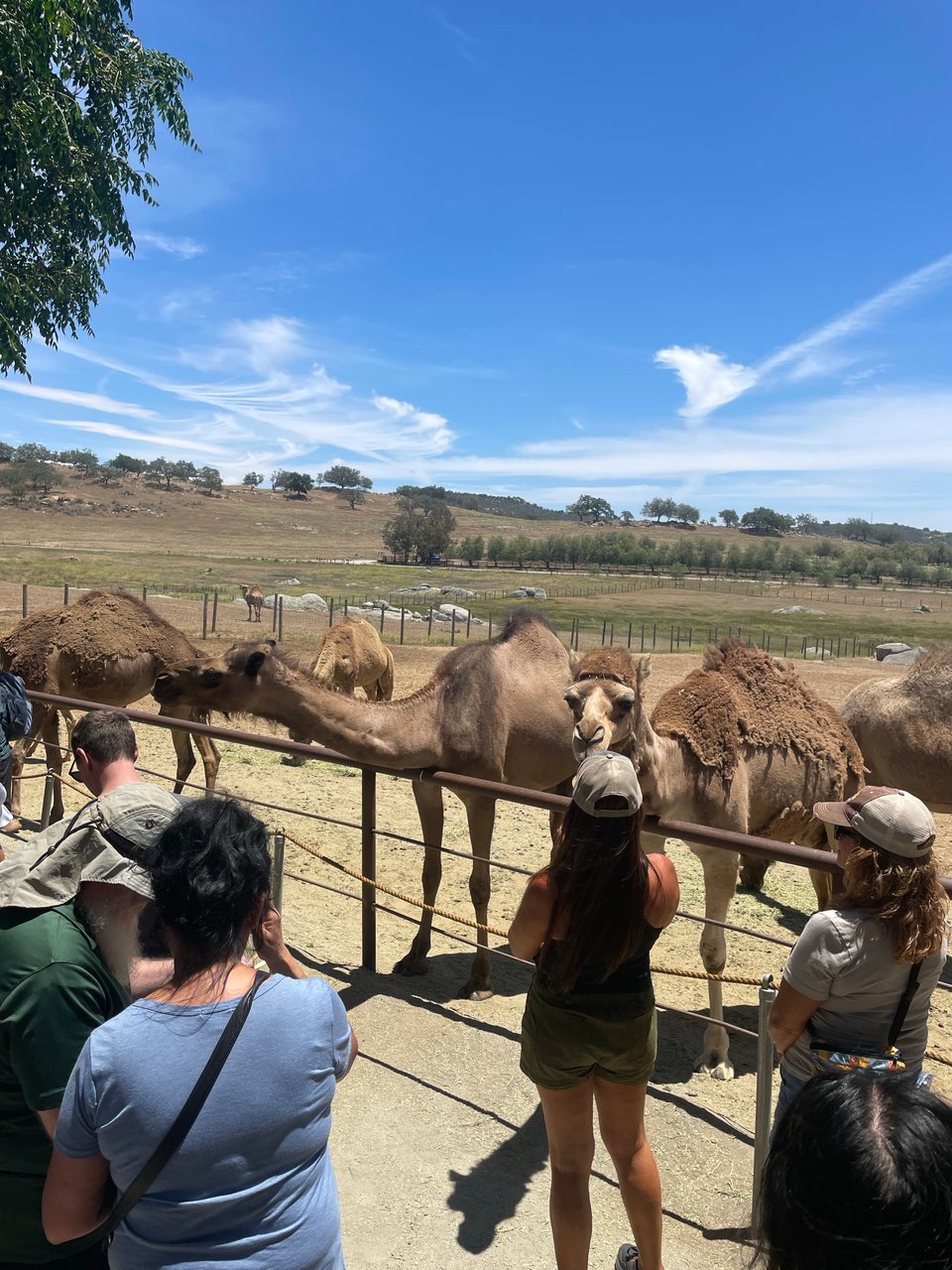
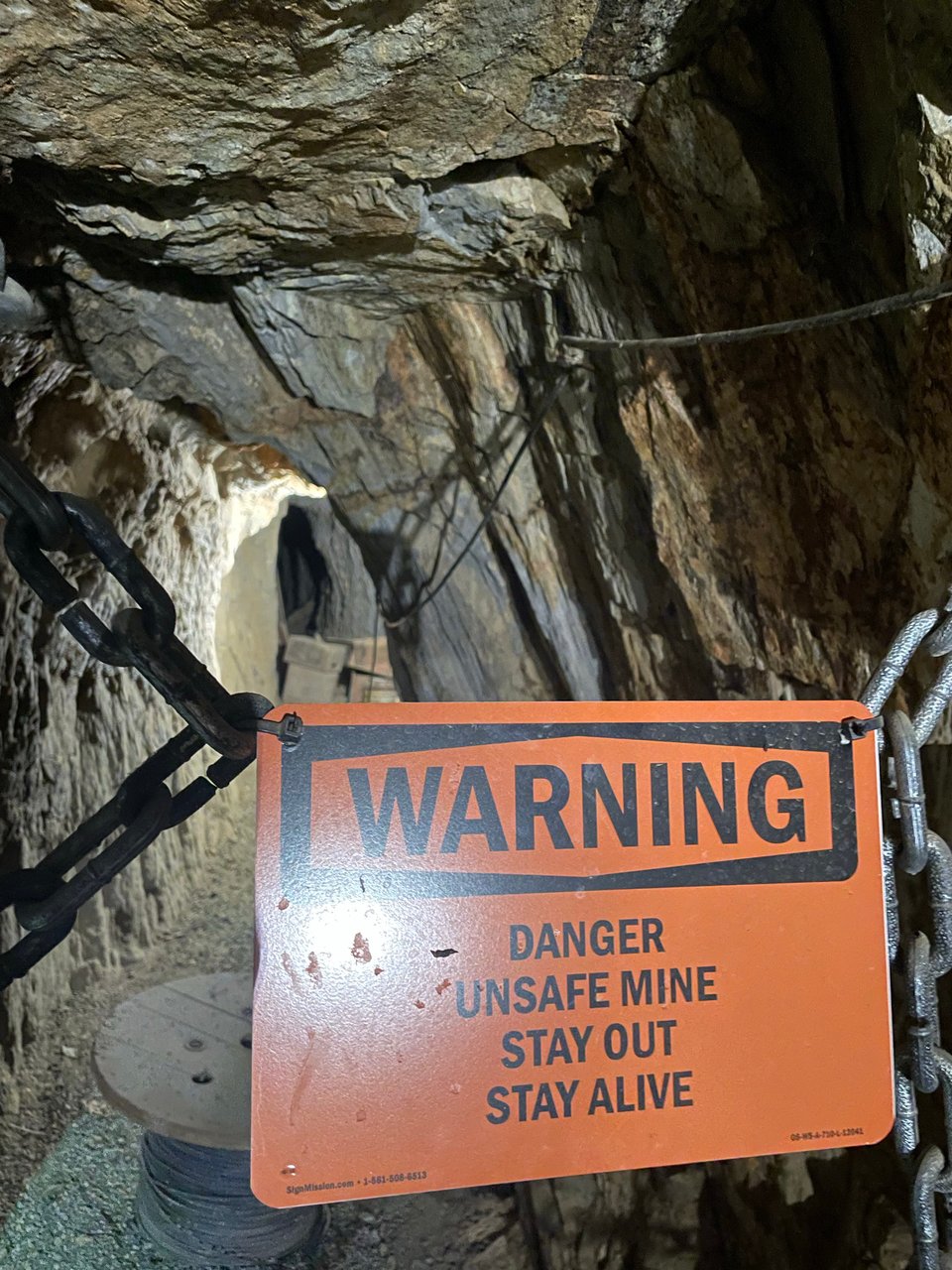
Outside of work, I simultaneously feel like I've had a lot of time and no time at all. My partner and I have been going out more than I'm used to. Just in the last week, we went to live music, a fancy Oaxacan restaurant, a new running trail by Balboa Park, a tasty Lebanese restaurant, a Camel farm, and an old gold mine. Then, when I'm at home, I just collapse on the couch and kill the rest of my leisure time mindlessly watching TV. This is mostly probably just a rush to try to get to do everything while I'm here, so hopefully we find a better pace for the next couple of weeks. Either way, I'm so glad I've been able to stay here for such a long time. (And I'm glad the cats are enjoying each other too.)
I also finished The Age of Extraction and am now back on to The Rise and Fall of the Neoliberal Order (which I hope to finish before I have to return it again). The Age of Extraction was really good though! I think Tim Wu was really effective with his presentation. The book was not long, but I felt like he made is framing of modern economics and perspective very clear. He also had a pretty clearheaded view that there was no panacea and that we need to enact solutions to the problems that we face in our time. I have my own quibbles with how he framed the problems, but I was more in agreement with this message than, e.g., the Abundance message. However, the common themes of both books, like targeting the problems you face, increasing competition, preventing stagnation, I'm on board with
questions
- Are there any lower bounds on update times for doubly-efficient PIR?
- I was thinking how surprising the LMW23 updateable DEPIR was.
- A priori, I would've guessed that every part of the database has to get updated, since they all depend on every database item
- Their updateable DEPIR requires stronger assumptions, I believe. This makes me wonder if one can prove this is necessary or if one doesn't make FHE-level assumptions then updates must take some amount of time
- I also suspect there might be some data structures lower bounds that can be applied or amplified in this setting.
- Should formal proofs become more standard for proposed cryptographic constructions?
- I've been having a surprisingly easy time getting Claude to come up with EasyCrypt proofs!
- I think if I can get it to work, this seems like something I'd want to include in my future papers.
Thanks for reading to the end! Here's are a couple pictures from our adventures!