a rushed end to the semester
work
The semester is over!! I gave my final on Wednesday, and my course assistants were extremely helpful to get the grades in before the end of the week. Last night I finally pushed out the grades for my students, so the sprint to finish class has ended too! I feel very tired from a combination traveling and teaching. I was also on the move on Thursday for the CSQE Symposium at Stevens, which was a really fun networking event.
Overall, I'm pretty happy with how the course went, but there's still a lot of room for improvement next time. I didn't have a clear enough vision on how to cover reductions in the course, which was one of the biggest things I want to do better at. I noticed a good chunk of the students were confused at the end even about the form of a reduction. I also think there are other topics I'd like to do in more detail like the random oracle model, zero-knowledge, etc. Next week, I'll set aside some time to really reflect on it and make a plan of what to change next year.
Until then, I'm excited to start research and grant writing this summer!
non-work
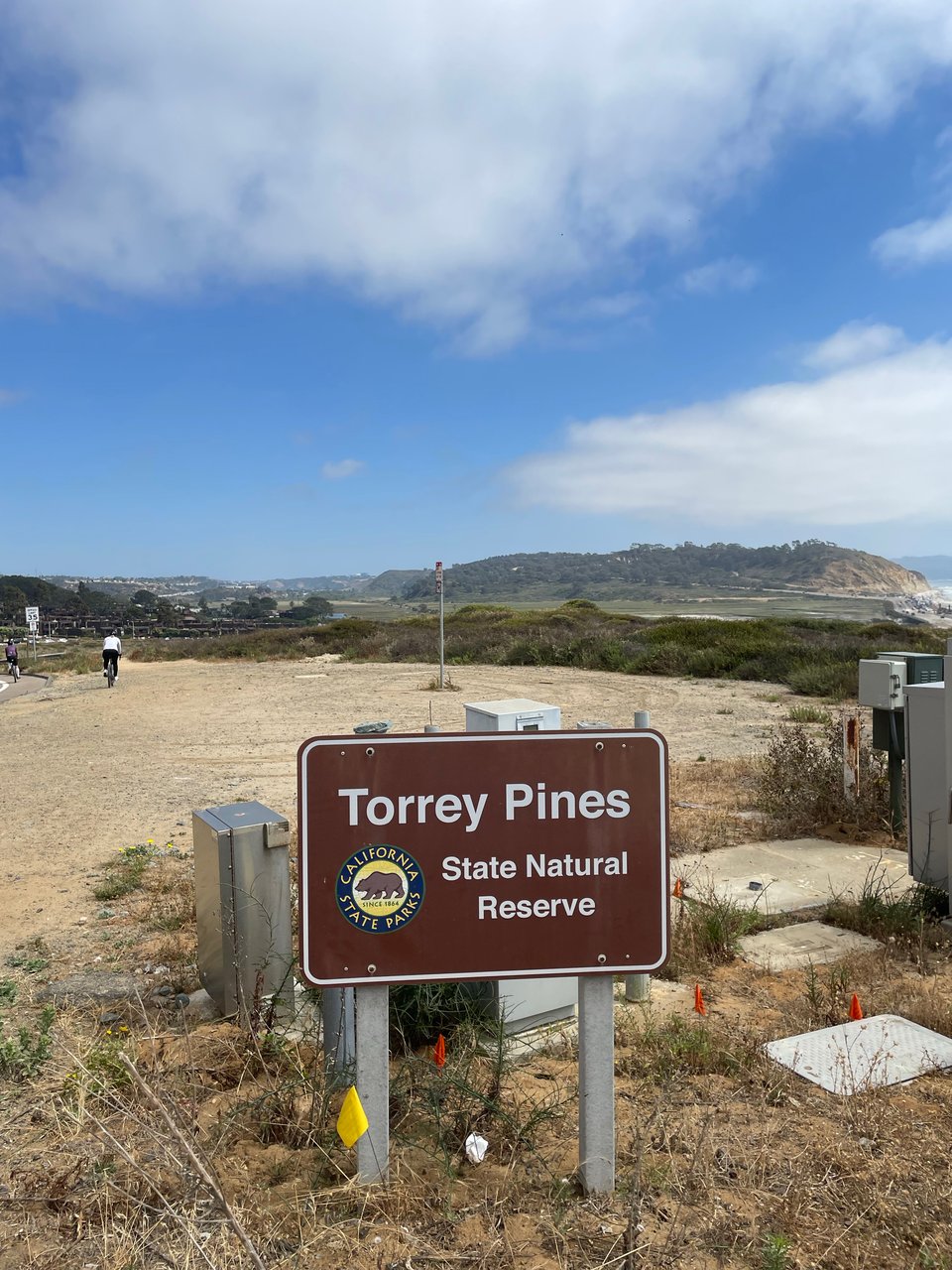
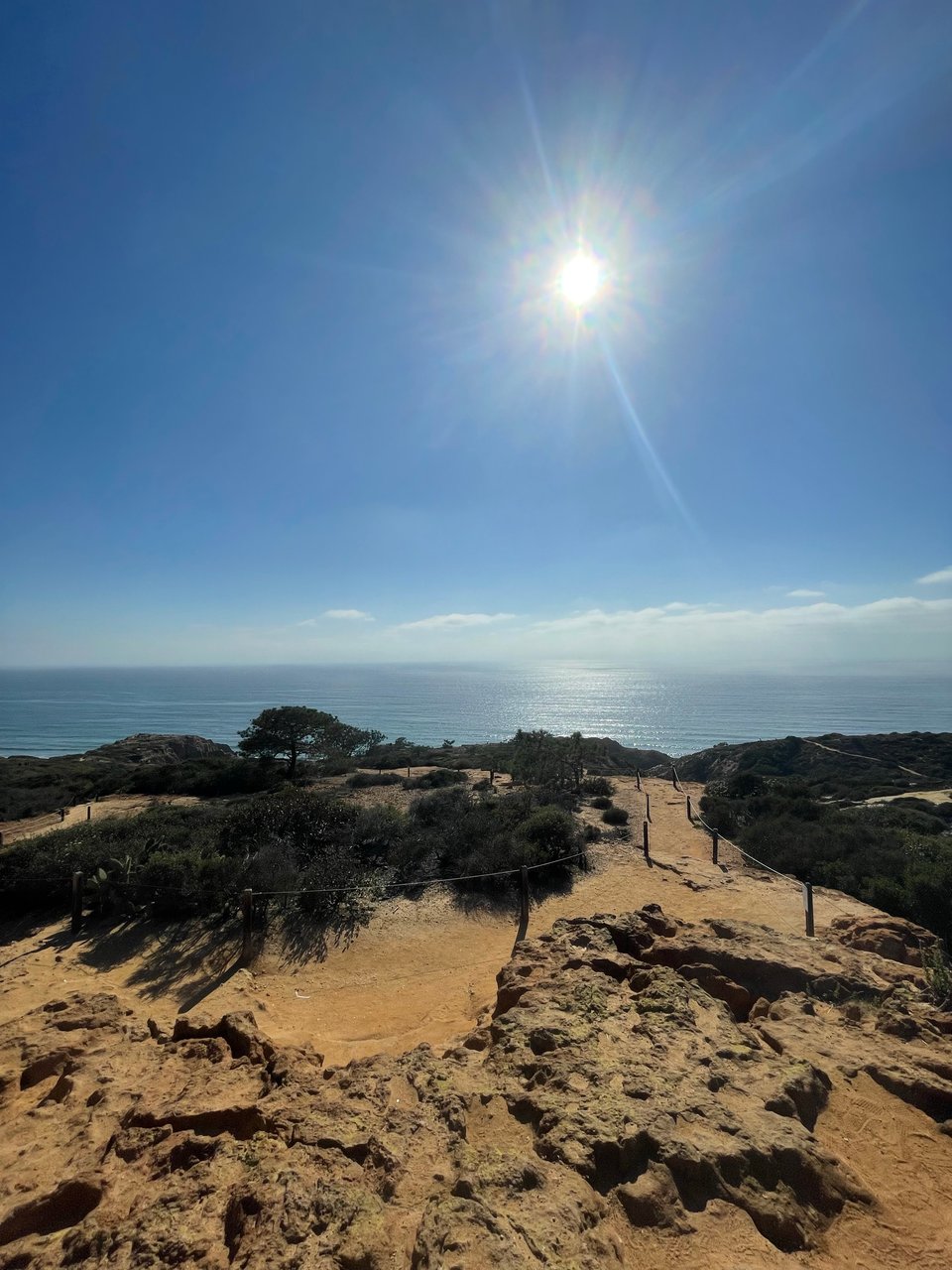
I was slammed with work at the end of the week, but I had a lot of fun last weekend in San Diego! My partner and I went hiking and got dinner at some of our favorite places around La Jolla. We balanced a lot of fun activities with staying in, building furniture, and planning more of our summer though. I got sunburnt and was tired coming back but well worth it.
I also finished Abundance and started The Rise and Fall of the Neoliberal Order, so I guess I'm back on a non-fiction kick. Abundance was a nice book to read and get some inspiration, but it also read a bit too much like propaganda to me. I had the impression that the authors were relatively selective about the examples they chose to highlight their points. I especially got this view in the science-oriented part of the book, which cast more skepticism on the first part, since I think I'm often vulnerable to Gell-Mann Amnesia. I still liked a lot of the policy proposals though, so despite my issues with some of the writing, I support the vision that it pushes broadly.
questions
- What intermediate solutions have been explored to protect people's spending activity?
- I know that cryptocurrency with zero-knowledge is an often proposed solution that distributes a lot of trust. It also comes with vulnerabilities to scams and no recourse for users.
- What if I want to be able to contest particular transactions, but to only have data for those transactions revealed to my credit card company when I choose to do so?
- Would it be easy to integrate with modern payment systems? And what's the trust model that's needed?
Thanks for reading to the end! Here are some pictures from my time in San Diego!