AI Footprint: grid reliability, AI jobs, and Massachusetts rules
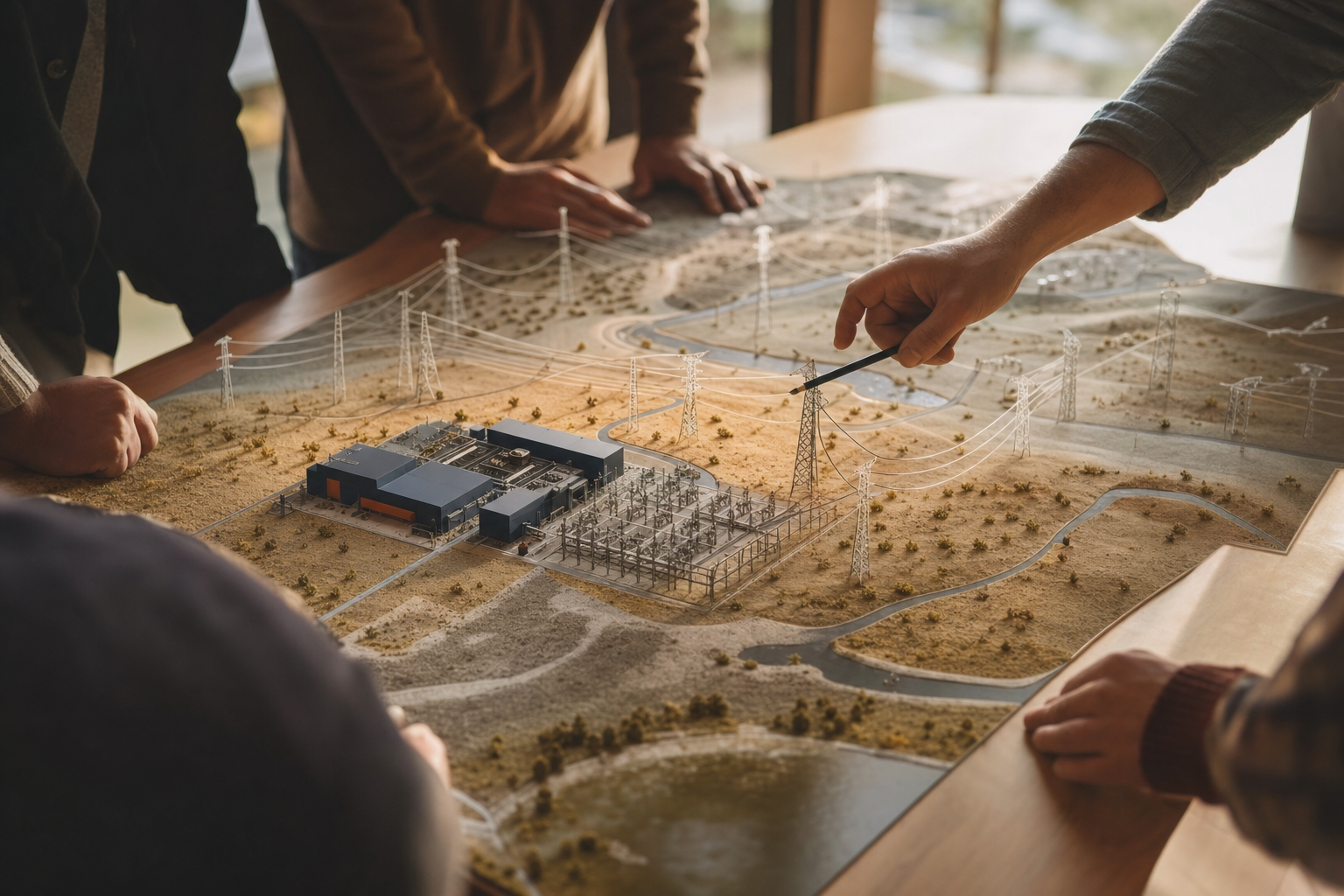
AI’s physical footprint is becoming a grid-reliability and public-planning question. Today’s edition follows the infrastructure behind data-center growth, the evidence behind competing jobs forecasts, and new efforts to govern high-risk and human-facing AI.
Data-center growth is testing grid reliability
What changed: TechCrunch reports that a single fallen power line exposed a wider data-center power problem. Chron reports that residents mobilized after an AI data-center listing surfaced in Jacinto City, Texas.
Why it matters: Reliability is not only about building more generation. It also depends on transmission, backup systems, transparent siting, and whether communities understand the risks and costs before large loads connect.
The AI-jobs debate needs evidence, not apocalypse forecasts
What changed: The Guardian argues that a near-term AI jobs apocalypse is unlikely, while Axios reports Nvidia’s chief executive making the case that AI can create work. South China Morning Post reports rising demand for AI study at vocational schools.
Why it matters: Confident forecasts in either direction can hide the distributional questions: which tasks change, who receives training, where new roles appear, and whether workers share in productivity gains.
Massachusetts is debating frontier-AI risk rules
What changed: Cape Cod Times reports that a Massachusetts bill addresses severe-risk scenarios including cyberattacks and loss of control. WGBH reports broad statewide support for AI regulation.
Why it matters: High-consequence rules need measurable thresholds, real enforcement capacity, and public reporting that distinguishes plausible risks from speculation.
Mental-health AI is falling between regulatory categories
What changed: Stanford HAI examines how products cross the boundaries between wellness, companionship, and clinical care.
Why it matters: People in distress should not have to decode a product category to know what protections apply. Evidence standards, privacy rules, escalation pathways, and named human accountability should follow the function and risk of the system.
Katy schools are drawing AI boundaries by age
What changed: Houston Public Media reports that Katy ISD is restricting AI use in elementary classrooms. Community Impact reports that the district has launched a broader framework for the 2026–27 school year.
Why it matters: Age-based limits can be more useful than one rule for every classroom, but they need transparent reasons, teacher support, privacy protections, accessibility planning, and clear expectations for authorship and learning.
This is the short version. Read the complete July 25 edition or open AI Footprint Today for the full source-linked ledger.