One month of agents
Big moves and lessons learned
Hi all,
The AGT NYC newsletter is now one month old! Hopefully you've found it interesting and useful so far. It does take a good amount of manual work writing it every week, so the newsletter will be sent on a monthly-ish schedule going forward.
The first in-person event is still being planned, maybe late September. Any referrals to a venue or event sponsor would be greatly appreciated.
If you have any agent news, projects, posts, videos, or papers, let me know!
News
- Amazon is ready to enter the AI agent race in a big way
- CoreWeave acquires agent-training startup OpenPipe
- DeepSeek Preps AI Agent by End of 2025
- Visa advances agentic commerce with MCP Server and AAT
- DeepL launches AI agent to compete with OpenAI
While young AI-native companies get bought up, big incumbents are slowly turning the ship to prepare for a future with agents. It also seems like more companies born in the previous ML wave will start making bold moves to catch this current wave.
Recent fundraising: Sierra ($350M), HappyRobot ($44M), SRE.ai ($7M)
Posts
- How Small Language Models Are Key to Scalable Agentic AI by Nvidia
- How to build great tools for AI agents by Composio
- Gartner's inevitable death & Gartner's Grift is About to Unravel
- Meet the Guys Betting Big on AI Gambling Agents in Wired
- 7 Reasons Why Multi-Agent LLM Systems Fail by Galileo
Actually useful agent applications are slowly coming into view and will likely overtake the hype in the next year or so. The space has been around just long enough, with many first-movers learning from mistakes, that the focus can shift from theory to practice.
Videos

a16z: AI Agents & the Future of Work
Erik Torenberg and Martin Casado talk with Aaron Levie and Steven Sinofsky about the present and the future of agents, and how they fit into the big picture of technology.

Lessons from building verticalized AI agents
Advice for building agents that solve industry problems, with guidance on secure AI architecture, prompting vs. finetuning, and fixing failures with expert feedback.
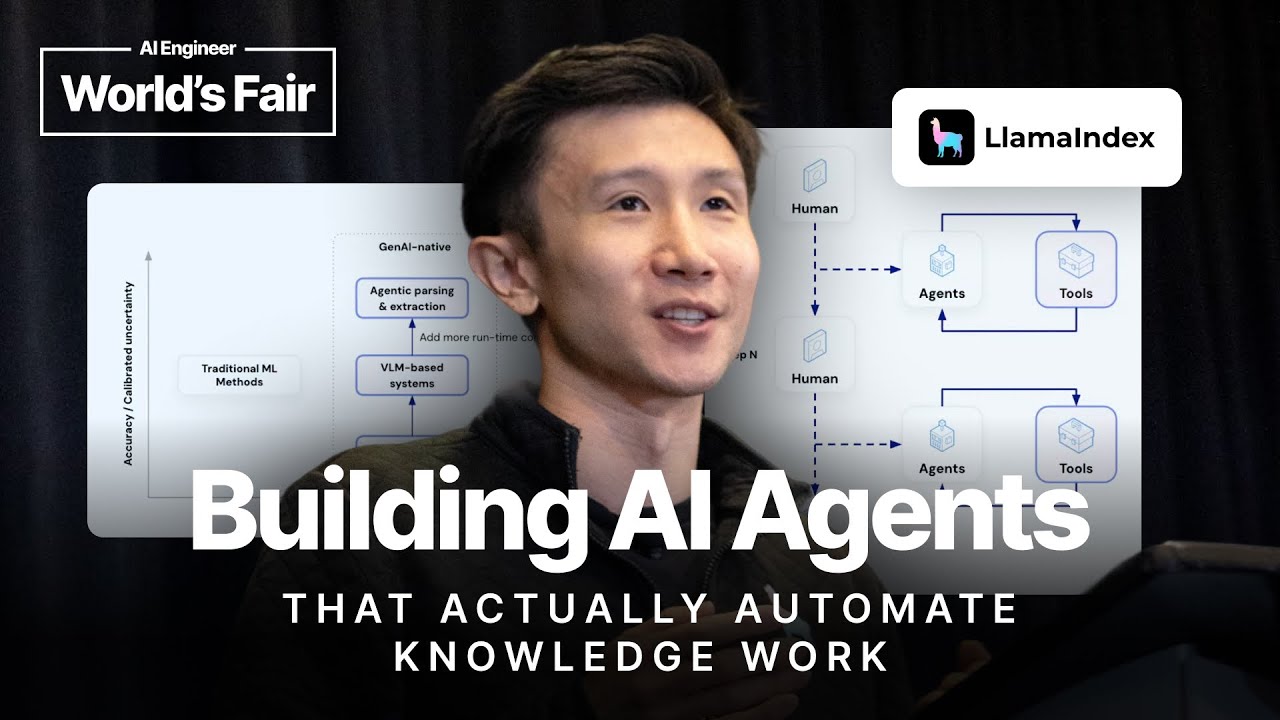
Building AI Agents that Actually Automate Knowledge Work
Jerry Liu, CEO of LlamaIndex, goes over agent architectures that are useful in real world document-centric tasks required when dealing with unstructured enterprise data.
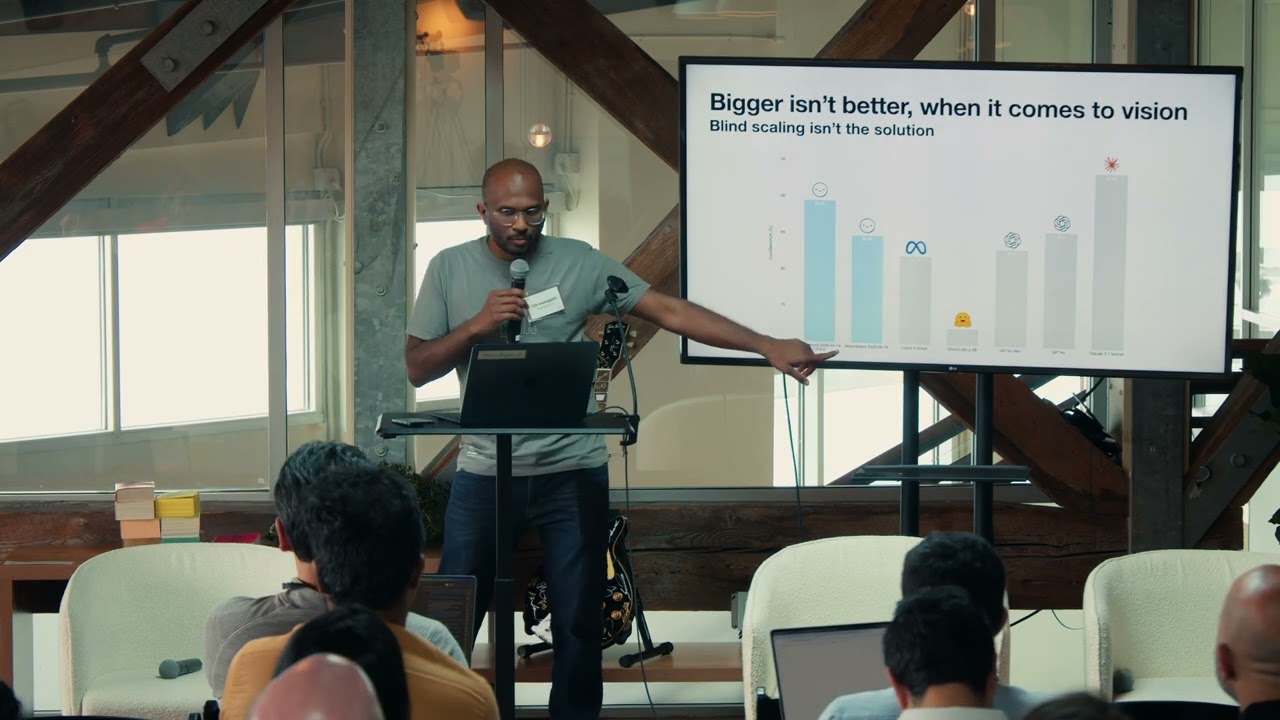
Fast, Local, and Teachable: Why the Future of Real-World Agents is Small and Local
Moondream's CTO walks through the real world challenges of building agents and how the company deals with them with small, fast, open models.
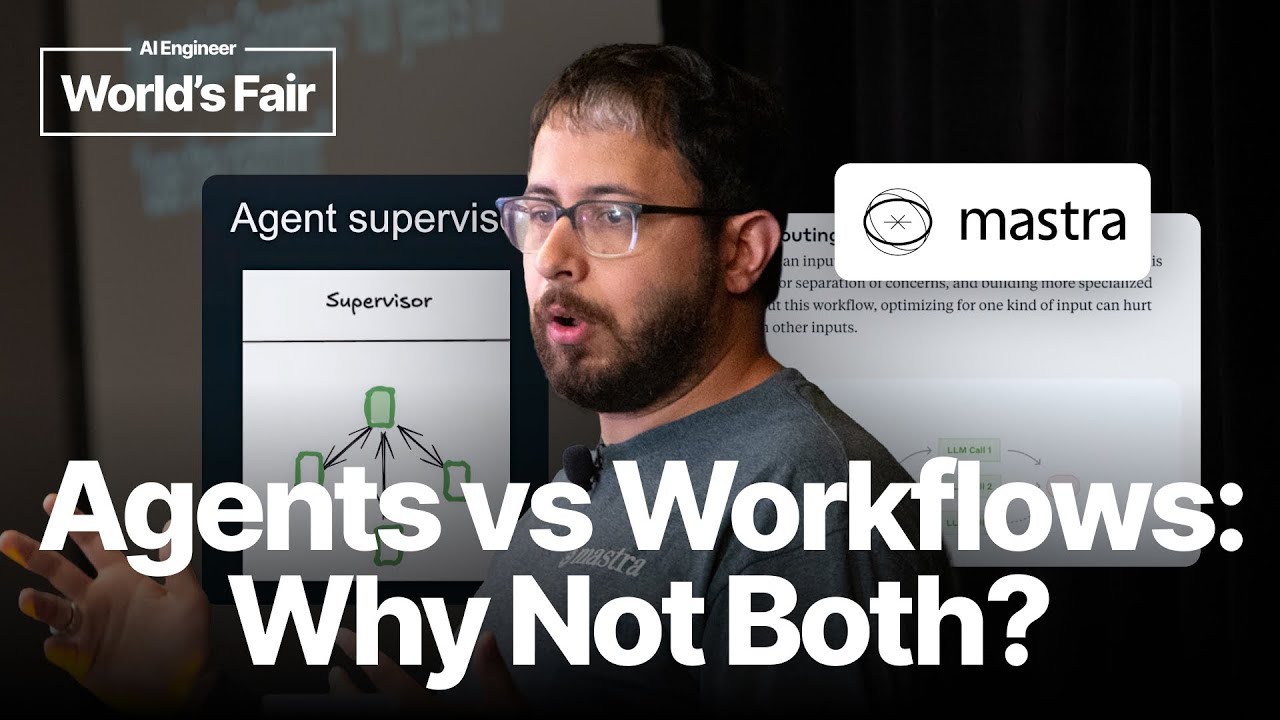
Mastra: Agents vs Workflows: Why Not Both?
Sam, CEO of Mastra, makes the case that the agent vs. workflow debate doesn't have a right answer and shares how other teams have resolved it in production.
Projects
- sim - agent workflow builder interface
- Atomic Agents - lightweight and modular agent framework
- fast-agent - simple declarative MCP-enabled agents
- Agents Towards Production - playbook for turning agents into products
- Cognitive Dissonance DSPy - resolves agent disagreements
There are so many interesting approaches to building agent systems, with many clear advantages, that it seems inevitable many of them will be integrated into the second generation of agent tools. Just like today one can use a variety of models with different frameworks, agent features and architectures may be generalized and commodified as well.
Papers
- General Social Agents
- Memento: Fine-tuning LLM Agents without Fine-tuning LLMs
- Cybersecurity AI: Hacking the AI Hackers via Prompt Injection
- MCP-Universe: Benchmarking LLMs with Real-World MCP Servers
- UI-TARS-2: Advancing GUI Agent with Multi-Turn RL
While there's still a long way to go on benchmarks and security, it's interesting to see that performance is still improving, and in some domains (see General Social Agents) it's surprisingly good. Maybe agents are useful for more than just mechanical tasks and we should consider applying them in more novel ways.
If you know anybody else that would be interested in AGT NYC, please refer them to agtnyc.com to sign up.
Cheers,
Ivan
