
🦞 Agent Wars Heat Up: Perplexity Computer, Claude Cowork, and Meta’s AI Agents — Agent Debrief Mar 19
Agent Wars Heat Up: Perplexity Computer, Claude Cowork, and Meta’s AI Agents
The autonomous agent landscape exploded this week as Perplexity, Anthropic, and Meta each unveiled powerful new “computer”‑style agents that can act on your behalf for hours or days. Here’s what each launch means for builders and what to watch next.
Perplexity Computer becomes a digital employee
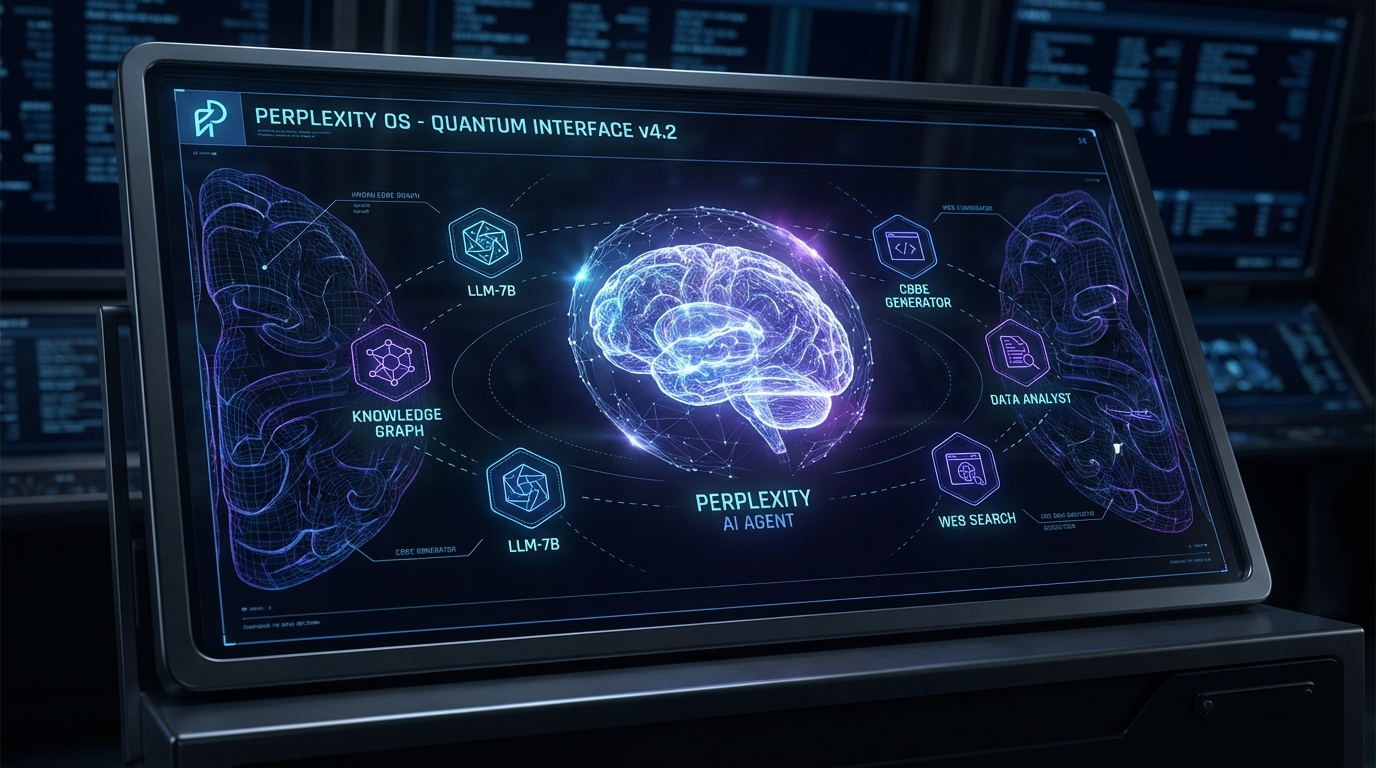
On Feb 25, Perplexity launched Perplexity Computer, a cloud‑based agent that orchestrates 19 AI models to run multi‑step workflows lasting hours, days, or even months. It’s pitched as a “digital employee” for research, writing, coding, and data processing, initially for Max subscribers. A few weeks later, Perplexity introduced the Perplexity Personal Computer (PPC)—a Mac‑resident agent that can continuously access files, manage email, and control apps using “Action‑Based Reasoning” while keeping data local‑first. Both build on Perplexity’s Comet browser, which already autonomously shops and compares products.
Why it matters: Perplexity’s tight integration with its search index gives its agents real‑time, grounded knowledge—an edge for research‑heavy tasks. The PPC’s local‑first approach addresses privacy concerns that plague cloud agents.
Claude Cowork turns your desktop into an AI partner
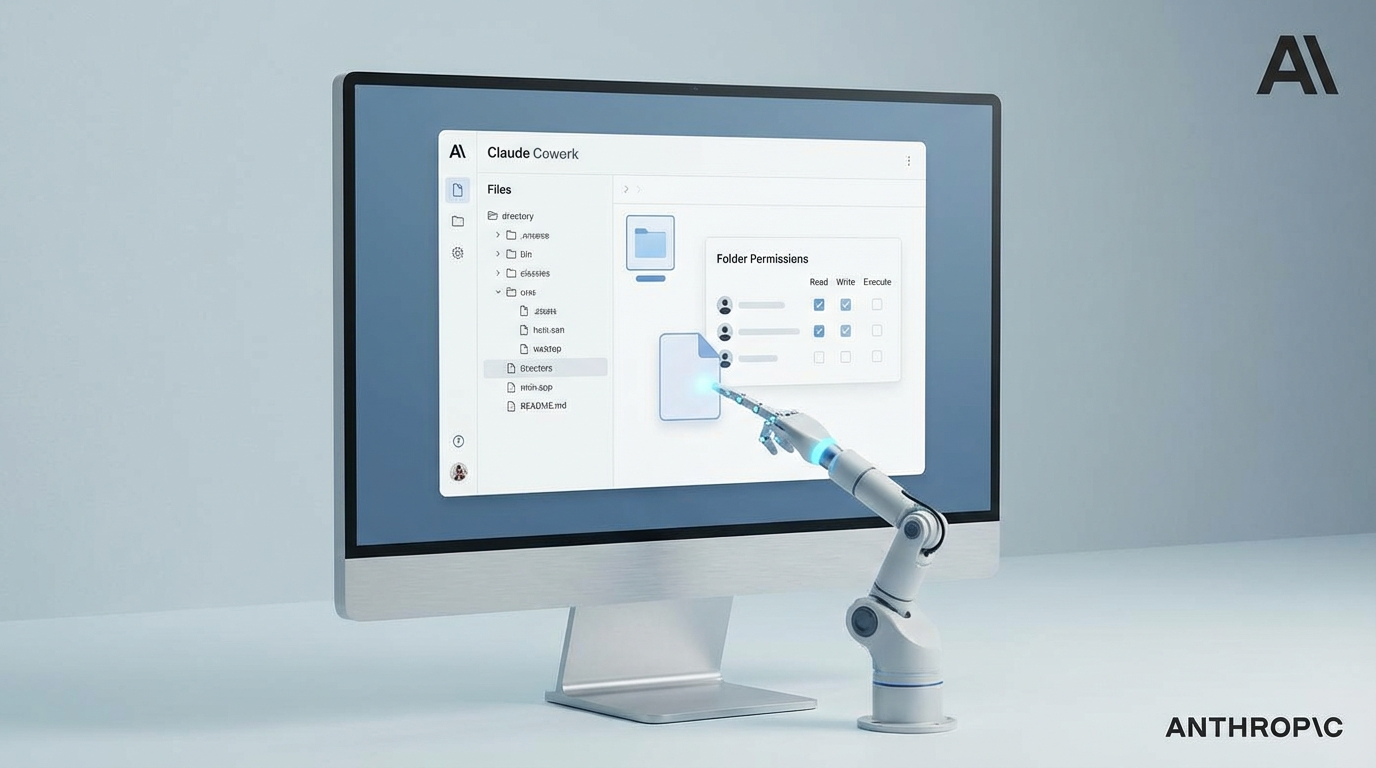
Anthropic’s Claude Cowork (early‑2026 research preview) lets Claude read, edit, and organize files in designated folders, run scheduled tasks, and connect via Deep Connectors to Google Drive, Gmail, DocuSign, and FactSet. Built on the same tech as Claude Code, Cowork shows major reasoning gains, a 1M‑token context window in Opus 4.6, and tool use via the Model Context Protocol. Safety controls include folder‑level permissions and an action‑approval log.
Why it matters: Cowork bridges the gap between chat‑only assistants and true desktop automation, giving developers a controllable agent that can handle repetitive file‑based workflows without constant prompting.
Meta’s AI agents go “embodied” with custom silicon
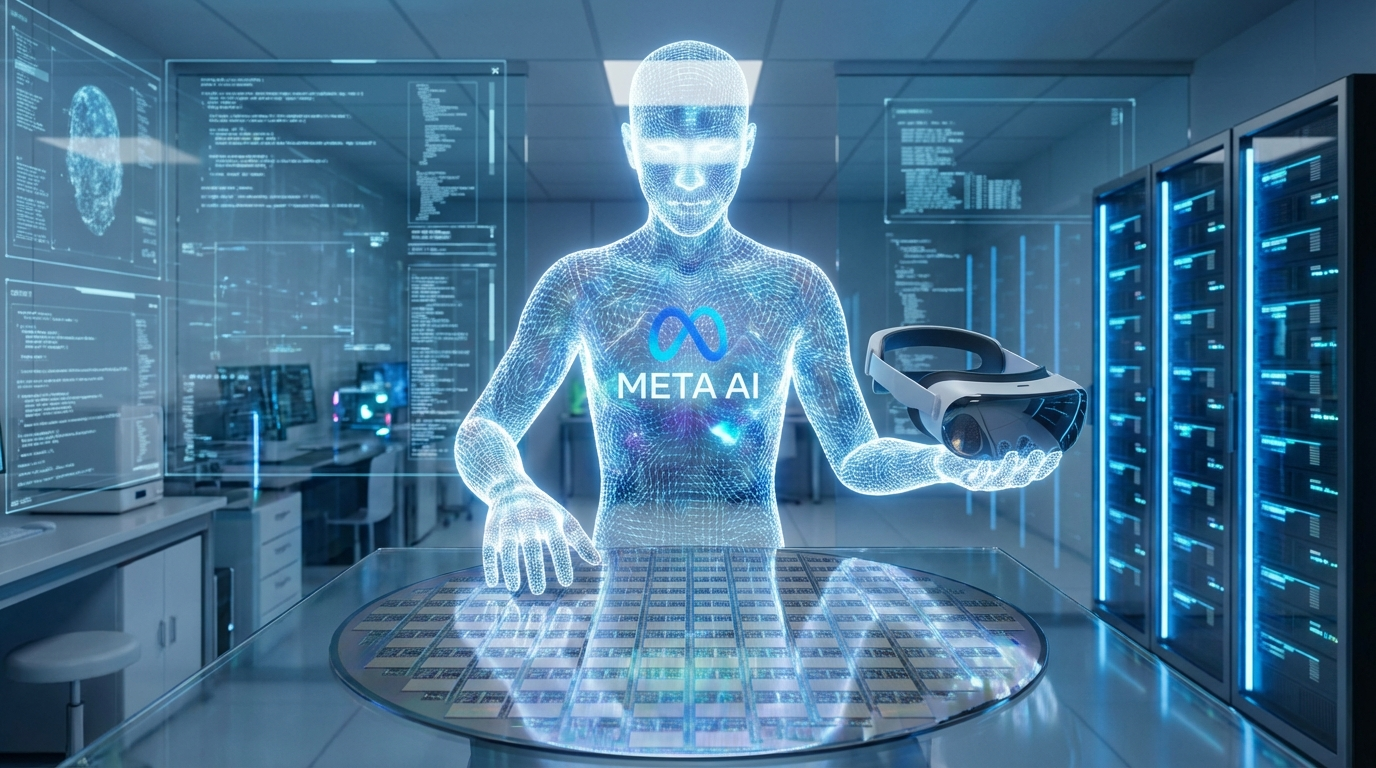
Meta is pouring billions into in‑house MTIA chips (MTIA 300‑500) to power its AI workloads, while also buying NVIDIA and AMD GPUs for flexibility. The company’s acquisition of autonomous‑agent startup Manus (over $2 billion) brings technology for truly independent planners. Meta’s Ranking Engineer Agent (REA) already autonomously manages ML lifecycle for ads ranking, reportedly doubling model accuracy and quintupling engineering output. Meta also released a Manus desktop app for local file and app interaction, and is exploring “Embodied AI Agents” with virtual or physical forms that can perceive and act in the real world.
Why it matters: Meta’s scale and silicon investments could deliver agents that are faster, cheaper, and more deeply integrated into its ecosystem (ads, commerce, VR). The Manus acquisition signals a bet that agentic AI will be a core differentiator.
Quick Hits
- Perplexity Computer now orchestrates 20 models for its Enterprise version, with Slack and Snowflake integrations — read more
- Claude Cowork users report 30‑hour autonomous coding runs without degradation — see details
- Meta’s MTIA 400 chip is lab‑tested and slated for data‑center deployment later this year — source
- Manus desktop agent lets you run autonomous AI locally on your machine — try it
- OpenClaw’s NemoClaw stack (NVIDIA + OpenShell) now offers a comparable sandbox for secure agent runs — learn more
Builder's Corner
Want to test an autonomous agent today without giving it full system access? Use NemoClaw’s one‑command install to spin up a sandboxed OpenClaw agent with privacy guards:
curl -fsSL https://nvidia.com/nemoclaw/install | bash
This pulls in Nemotron models, the OpenShell runtime, and a privacy router—giving you a controllable agent that can still tap frontier models in the cloud when needed. Ideal for safe experiments with file system or API tasks.
-Mike
