
Clothed in privilege, bathed in self-assurance
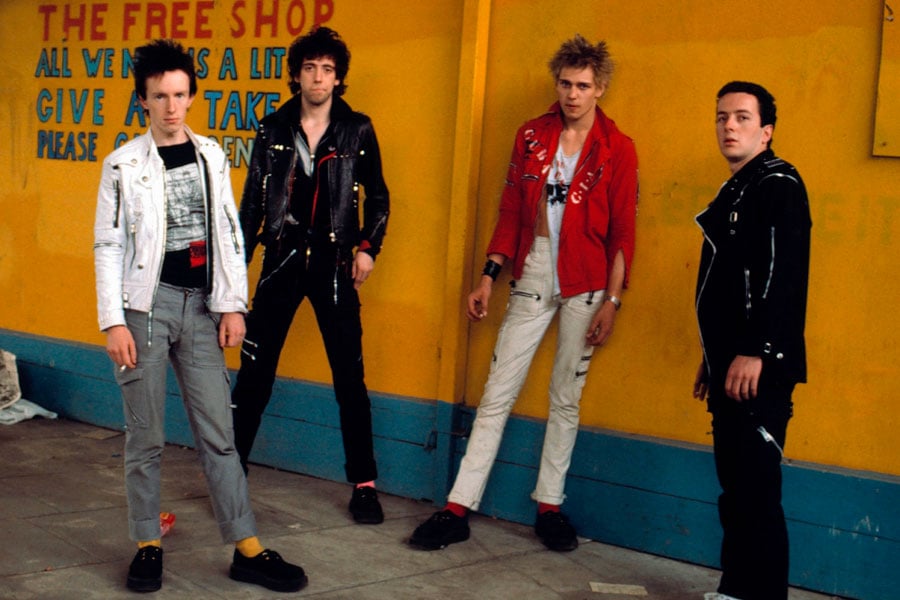
We will teach our twisted speech
To the young believers
We will train our blue-eyed men
To be young believers
The judge said five to ten but I say double that again
I'm not working for the clampdown
No man born with a living soul
Can be working for the clampdown
The Clash, Clampdown
Every weekday, I walk my children to school. To do so, I wander up my street, cross the road and I walk through a private school the Sunday Times has called the best in the UK in the last made up league table of such things.
As you might expect, there are a few signs that the twenty grand plus a year is well-spent. The children are, to a fault, neat and tidy. Lugging their kookaburra cricket bags and coming in from exotic locales around Surrey, they are destined for the best education money can buy.
There’s an easy confidence to it, and I find myself feeling a bit jealous, if i’m honest. I wasn’t like that as a 13 year old. I’m a state educated West Midlander. I remember asking my Dad whether he’d like me to have gone to a school like the one I wander my kids through every morning. His answer was deceptively simple - yes, because a private education gives a confidence that the state school system doesn’t manage.
As someone who’s worked in professional services his entire life, and someone who went to a notably upper-class red brick university, it’s fair to say i’ve met quite a few of those people. Some where the confidence was well-placed, and many, many, more where it wasn’t.
Though this kind of schooling gives you an accelerated start in the working world, the older I get the more I realise that it can often create problems, particularly in service businesses, where success depends on first impressions; elevated confidence on display can create a gap between performance and competence. The best realise they’re doing this, and adjust accordingly - but not everyone does.
A further issue comes for those not from this particular gilded existence is that most are instantly a few years behind in needing to learn the behaviours of white-collar work, understanding when someone is employing their learned confidence to cover up that something’s not as good as they might’ve said.
This, more than any job i’ve held, is how I think about ‘the clampdown’. The learned behaviours, specifically confidence, that prevent honest conversations, encourage mediocrity, allow bullshitters and confidence jockeys to rise up, particularly the ‘personality hires’ who get away with not being very good.
So how to raise the next generation without ‘the clampdown’? It’s quite simple, I think. Reward the behaviours of those who aren’t confidence tricksters. Encourage teamwork, and beware those who talk too much about their achievements.
The very best workplaces i’ve ever worked within, from the M5 burger flipping to the shiny halls of management consultancy, each understood what good teamwork looked like. Praise and reward was apportioned to those teams who did their best, rather than championing star players or those who spent their days practicing circle-jerking leadership.
As a postscript, here’s a bit of wistful, just moved to London music to see you off with. The album is great, this is the best song.
