
The Church of the Good Shepherd and other news (8 Jan 2026)
Would anyone like to buy a brutalist church in Somerset? Plus news of a 1930s cinema reopening and some exhibitions and events.
Over the break, I went to see Wicked: for Good at the Exeter ODEON. A classic cinema by Robert Bullivant of the Harry Weedeon partnership that opened in 1937, it’s a chilly ghost of its former self. I unabashedly love cinemas. I worked as an usher as a teenager, and I still think nothing beats a packed screen audience all reacting simultaneously to a film. So I’m pleased this week to share news of a cinema reopening in Somerset.
First, though, would anyone like to buy a brutalist parish church?
Wake Up Good Shepherd
Last year, Bath and North East Somerset went against their own conservation officer’s advice and the majority of public responses, to approve the demolition of the Church of the Good Shepherd in Batheaston. It is now listed on Rightmove to buy, with permission to demolish the church and build four homes on the plot.
The Church of the Good Shepherd was designed by the Bath-based architect Martin Fisher and opened in 1967. This means it pre-dates Clifton Cathedral in Bristol by some three years. Fisher was local and had been in the Royal Navy in World War Two. In line with other churches of the period, he designed the Good Shepherd around modern ideas of worship,1 with a large open space facing the alter. However the real beauty, captured by Andrew Eberlin in his photographs, is in the light. From outside, the church presents a monolith. Inside, the windows are revealed.
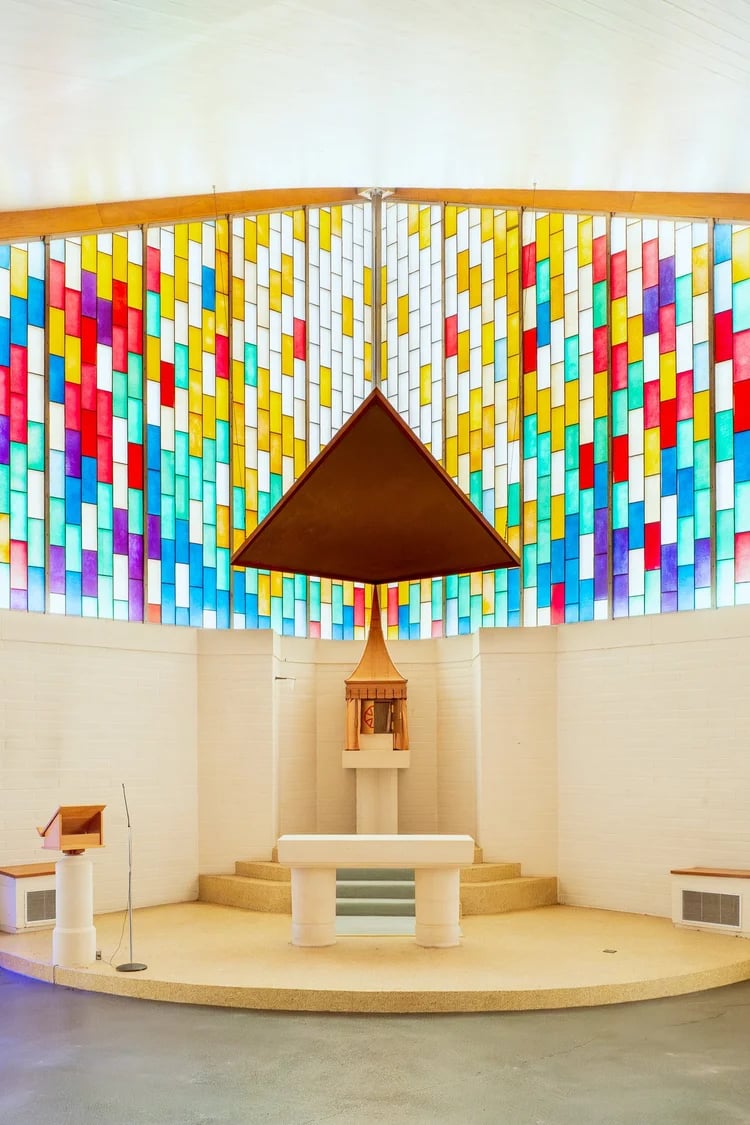
This effect is created through the use of Kalwall glass-reinforced polyester (GRP) blocks. Historic England noted in their assessment that the Good Shepherd is the only use of the US-manufactured Kalwall GRP blocks in the UK before 2000. Other UK-based manufacturers were also creating and supplying GRP.
Andrew Foyle, in the 2011 Pevsner for North Somerset, describes it as “an early example for this Diocese of a parish church on Second Vatican Council principles”.2 Two attempts to have the building listed were declined, on the grounds “the success of the design is variable and not of the standard required of post-war buildings to meet the threshold for listing” (see decision report on the Heritage Gateway). The conservation officer did get it locally listed as a non-designated heritage asset (NDHA). The applicant’s own Heritage Statement calls it “unique”.3
The parish council has been trying to get it listed as a community asset, so the Diocese would be obliged to give the community six months to come up with a plan for buying it. However, as the town council says “making a competitive bid and having funds to renovate and perhaps repurpose the building would be a significant achievement. The Parish Council has neither the funds nor the powers to undertake such a project.”
There is also a petition to ask the Diocese to offer it to the community but the Rightmove listing suggests the sale will be to the highest bidder as soon as possible. It also includes the elevations of the houses approved to replace the church, which are sub-Poundsbury pastiche historical. Bids for the site need to be in by 12pm on 30 January.
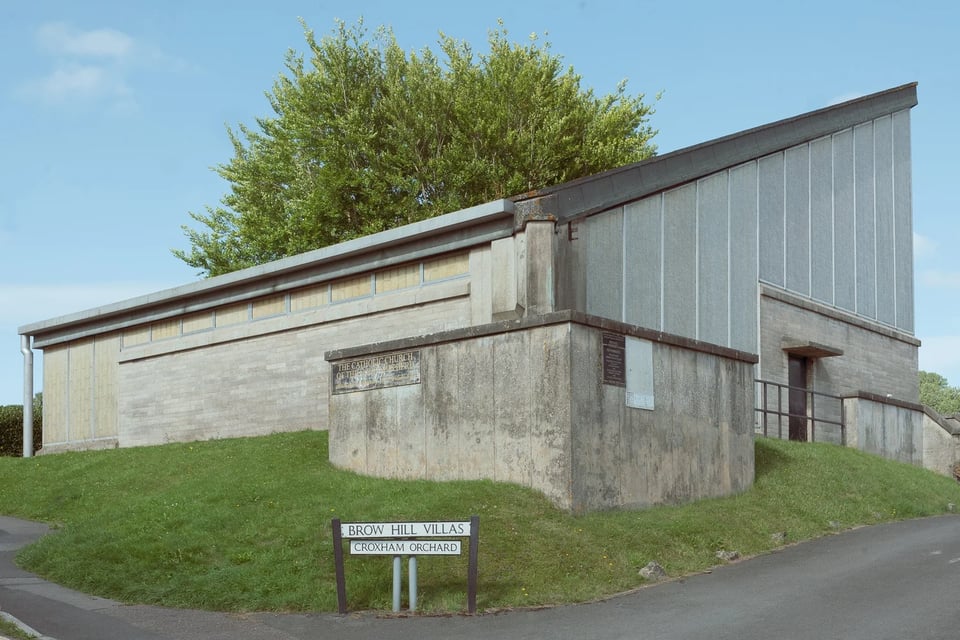
My thanks to Andrew Eberlin for permission to use his photographs of the Good Shepherd. You can explore the whole set here, or request a print through his online shop.
Speaking of the end of January, I’m holding the paid subscription at £3 a month until the 31st. After that, I’ll need to raise it for new subscribers. Your subs help cover the costs of creating the deep dives, the field notes and these news roundups. And paid subs get early access to the deep dives.
Showtime in Wincanton
The Plaza cinema in Wincanton is due to reopen on Friday 13 February, with two of its three screens starting up. The cinema was designed by Edward G. De Wilde Holding and originally opened in 1934 as part of the Marks chain. Holding designed 12 cinemas for more than one chain but all in the west country. Some, such as the Regal in Gillingham and the Moderne in Bournemouth, were unmistakably moderne and others were more traditional.
This video by the Somerset Leveller shows some internal Deco details at the Plaza had survived its years as a bingo hall and then a church.
This is the fourth small cinema to be rescued by S&B Cinemas, an independent Somerset chain founded by Pat Scott after he learnt to be a projectionist in the military.4 He told the BBC, "I don't like to see these lovely old buildings being ripped down and made into flats.”
The opening date makes me wonder if they’ll run a romantic comedy on one screen for Valentine’s Day and a Jason Voorhees on the other.
In brief
Flagship Plymouth store to close
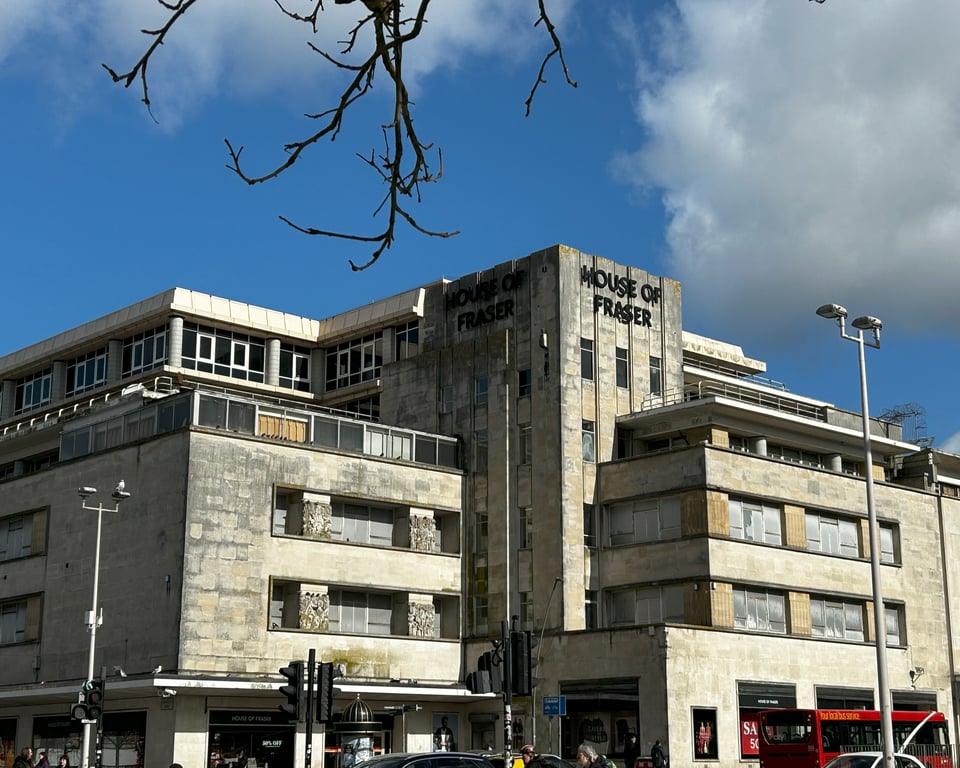
In the least surprising news of the year, House of Fraser are finally pulling the plug on their department store in Plymouth. Formerly Dingles, it’s an anchor of the Abercrombian Plymouth. I’ve written about it before back in March last year. Then back in July, rumours abounded that Babcock, who run Devonport Dockyard, would be converting it to offices as part of the £4.4bn investment in the dockyard.
Yeovil Theatre renovation plans submitted
The plans to renovate the Octagon Theatre in Yeovil are now up. The planning application includes a Heritage Statement which confirms the bones of the building – the original Johnson Hall – was designed by Richard Hare of Salisbury in 1961. The theatre was constructed to his plans in the early 1970s. This helps explain why the original design seemed rather conservative compared to its contemporary the Amulet in Shepton Mallet. Rather like comparing the Royal Festival Hall (1951) to the National Theatre (1976) but on a more rural town scale.
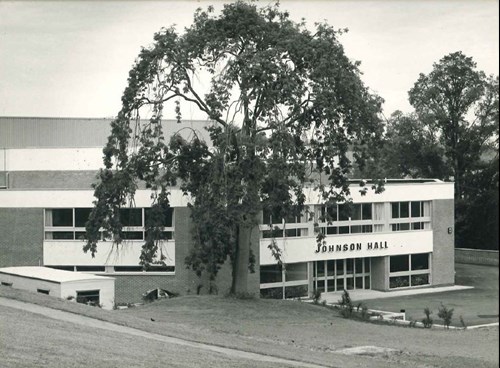
Comments are open on planning application 25/02959/FUL on the Somerset planning portal but they don’t seem to have published a deadline so I assume it’ll be the minimum 3 weeks from publication. That would mean comments close on 12 January.
Torbay office block conversion
Roebuck House on Abbey Road in Torquay is not a fine example of Brutalism. It’s a straightforward brick and concrete building with visible floor plates and aluminium windows. As former government offices, it’s unsurprisingly unpopular and considered a blight to the conservation area it sits in. It was also the site of a mass shooting back in the 1974. The council have approved its conversion to 49 apartments, though the heritage officer warns that the plan to render the entire thing will obscure its 1970s origins. They suggested checking with the C20 Society on the significance of the building.
Events and exhibitions
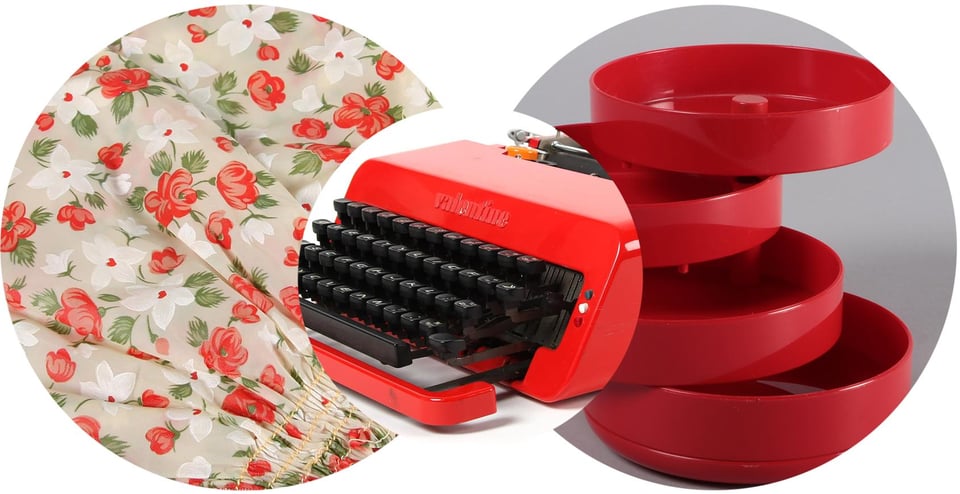
Mid-century MoDiP exhibition
The Museum of Design in Plastics (MoDiP) is on the edgelands of Poole and Bournemouth in Dorset. They aim to develop understanding of the value of plastics within historical, contemporary, and sustainable contexts.
Their current exhibition, Mid-century MoDiP, is on until 6 March. It’s a visual exploration of the use of plastics in design from the 1950s through to the 1970s. More details on the exhibition are here. If you can’t get to it, their website has a marvelous digital version.
Bauhaus, Breuer, Bristol exhibition
The Stradling Collection’s next exhibition opens on 17 January and explores the impact Bauhaus pioneer Marcel Breuer had on the city when he collaborated with local furniture visionary Crofton Gane. Timed to celebrate the anniversary of the temporary 1936 Gane Pavilion up at Ashton Court, the exhibition runs to 17 May. More details on the Stradling Collection’s website.
Wonders of the Deep (online seminar)
The Seaside Heritage Network starts their free online seminar series on 17 January with a look at the relationship between life below the waves and seaside resorts. As well as a look at the interwar fascination with monsters, there’ll be a look at the seahorse motif in resort architecture. More details on the SHN’s website.
If you have an event or news item you think I should know about, you can contact me on Bluesky. If you’ve received this as an email, you can also just hit reply and the email will reach me.
I’ve got eleven buildings on my 2026 deep dive list so far. Some may fall through so if there is a building you’d particularly like to learn more about, let me know.
If you’re enjoying this newsletter, feel free to share it with others.
If someone has sent you this, you can subscribe below.
A free sub will get you the weekly field notes and notice that a deep dive has been published.
A paid sub (currently £3 a month) will unlock the deep dives early, plus occasional bonus content and the warm knowledge that you’re supporting the project.
See Our Lady of the Portal and St Piran for more about the shift towards modernism in church architecture. ↩
Foyle, Andrew and Pevsner, Nikolaus, The Buildings of England: Somerset North and Bristol (Yale University Press, 2011) pg 213. ↩
Bath and North East Somerset planning application https://app.bathnes.gov.uk/webforms/planning/details.html?refval=23%2F03753%2FFUL#documents_Section – search for ‘heritage’ in the documents. ↩
An independent chain called Scott Cinemas already exists in Devon: I was an usher there! ↩
