
Best fiction comes out of the truth
Note from Tucker
In my latest Book Stuff podcast episode, the prize-winning author Molly Aitken said something really insightful when it comes to finding details for a story. Her insight is how she dug into the details she needed to write her wonderful novel BRIGHT I BURN. As we chatted about doing research, this is what Molly said:
I feel that more interesting stories come out of truth or the evidence that we have because the evidence that we have tends to be stranger.
I think there’s like a collective consciousness of ideas about the past, which are inaccurate. They’re simplifications. The reality is a lot stranger or just more specific.
I couldn’t agree more with this statement. Don’t write what you know, write what you want to find out. In that process of finding out, you find stranger details that you couldn’t make up on your own. You build context. You get more specific.
I’m learning this in my own writing. For a while I didn’t even have a time or a place for my new novel. I wanted my novel to take place in the early 2000s, but unsure where exactly, what year. I started looking for inflection points in health care — particularly for young people. I decided to look at 2009 right before the ACA was passed, which allowed for younger people to stay on their parents’ insurance until the age of 26. I was curious about the state of health insurance in 2009 and what that could tell us about the state of healthcare today.
In 2009, over 30% of Americans between ages 19 and 24 didn’t have health insurance. This was perfect for my main character. Summer of 2009 has become the place to put my characters.
Now, I have a whole world and circumstance to build off of. If you’re stuck with a story, dig into evidence. If you want to find a story, do research. Truth provides the best details.
Bookmarked (useful links and hand-picked reading recs inspired from this episode):
Here are the books Molly used to write BRIGHT I BURN. You should follow her on Instagram if you want other great writer advice.
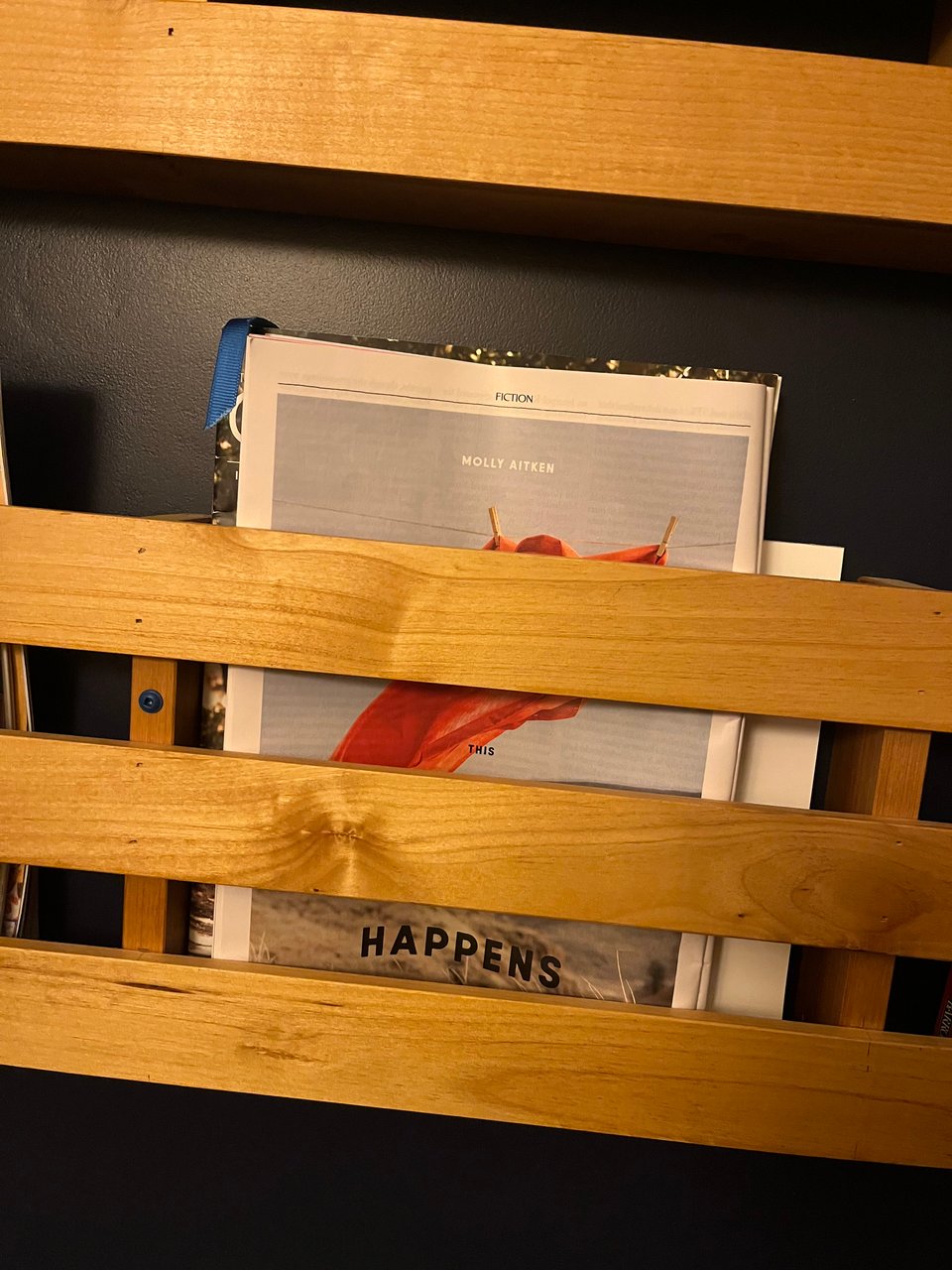
Read Molly’s short story THIS IS HOW IT HAPPENS in the New Yorker.
I recently read Colson Whitehead’s NICKLE BOYS for the first time. It’s the Pulitzer-Prize-winning novel about a pair of boys sent to a juvenile reformatory (cloaked under the word “school”) in Florida during the 1960s. For this novel, Colson leaned on reporting from Ben Montgomery, who wrote about the real-life Arthur Dozier School for Boys. Ben’s reporting led Colson to a bunch of other useful resources and documents to create a world and situations for Colson’s characters. Another prime example of truth inspiring great fiction.
Beyond THE ODYSSEY discourse, Colson Whitehead seemed to be another hot literary topic this past month with the last in his Harlem heist trilogy THE COOL MACHINE that recently came out. See New Yorker’s Critic podcast, where folks discuss his work as a whole. I found it inspiring. What I love most about Colson is his ability to describe a room or place. You get details! Which I love.
Building off of Molly’s advice: In 2013, writer Fiona Maazel highlighted the concept of writing about what you can learn about. I think this must be true for anyone creating anything: make stuff you want most to learn about. It’s often more alive, strange, and accurate than what you already know. Another reason to read.
End notes:
New Book Stuff episode drops next week on Tuesday, August 11th.
I’m on the look out for a full-time work here in Madison (open to remote positions, too). Message me if you know any good leads. Here’s a general resume that might be helpful. Generally, I’m looking for work in education, public service, communication, community outreach/development. If those areas need media skills, that’s a plus, but not a requirement.
Shelf stuff
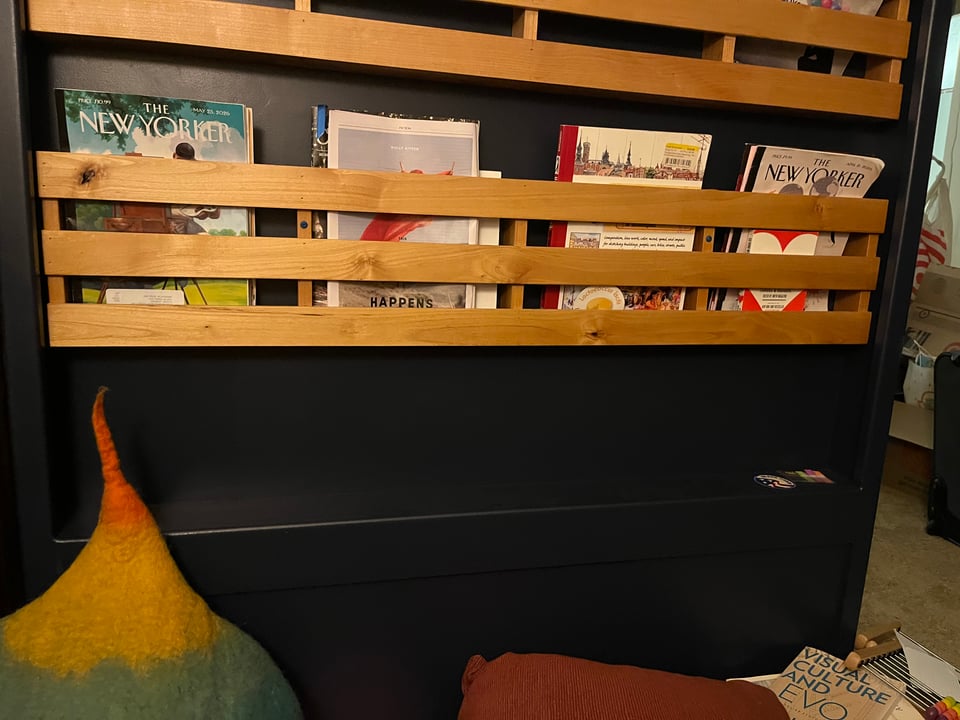
Here’s my weekly shelf photo:


Add a comment: