Vlad the Impaler and King Charles have this in common
In 1967, a Romanian count made the journey back to a village his family hadn't seen in nearly twenty years.
The communist regime had taken everything: the castle, the estate, the land. Count Miklós's father had been forcibly deported; Count Miklós himself fled to Austria in 1948.
What he found when he finally returned was rubble and overgrown gardens. Classic communist ruin. He couldn't reclaim the castle – it was still expropriated – so he tried a different strategy.
He established a charitable trust, funded scholarships for local children, and spent three decades pursuing UNESCO recognition for the castle. He died in 2001, never having recovered what was taken.
His son, Count Nikolaus, came back and continued the pursuit - but with a new strategy.
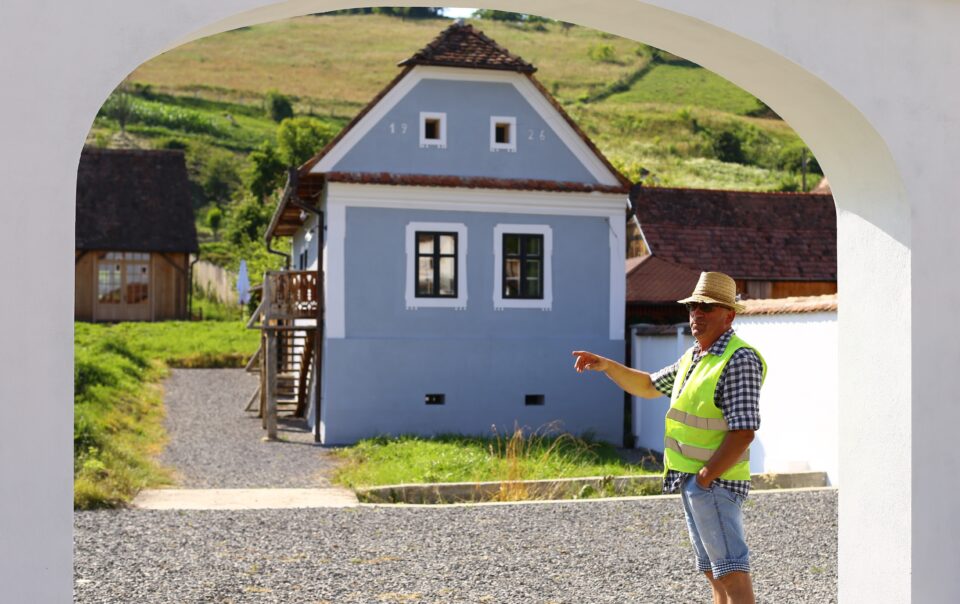
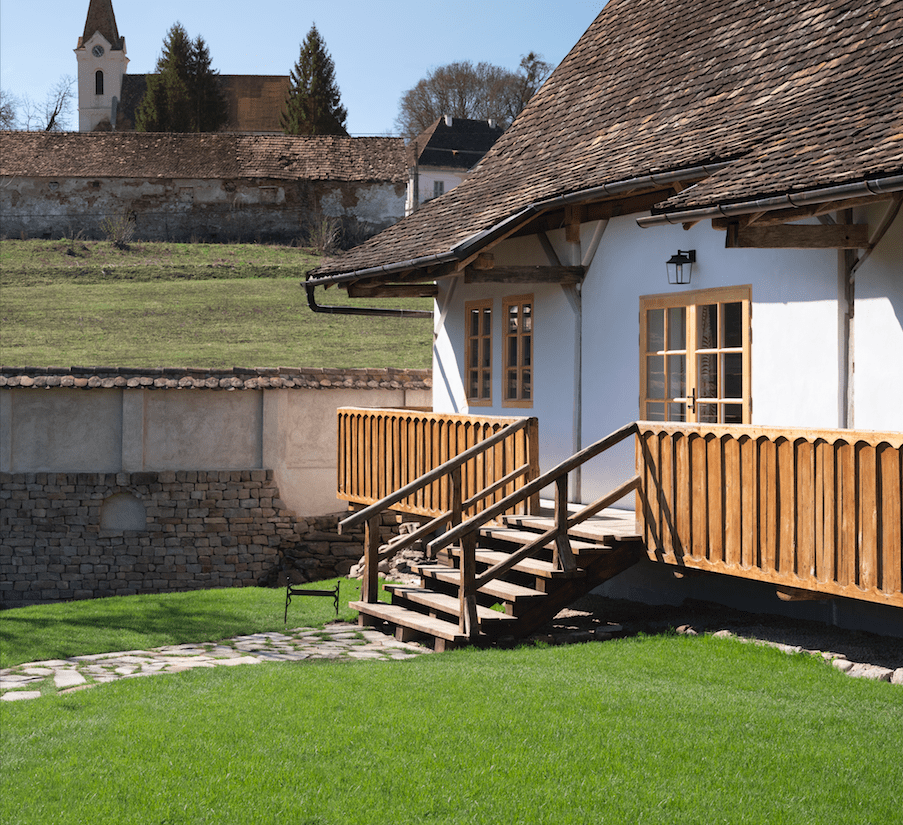
Instead of going straight for the castle, he started buying up the village around it. A caretaker's cottage, Saxon farmhouses, a granary, an abandoned schoolhouse.
Starting in 2007, Nikolaus and Countess Gladys Bethlen began quietly acquiring the crumbling structures of Criș, Mureș County – a village the Bethlen family had founded in the 12th century, according to their own family history.
The guiding principle, as Nikolaus describes it: "Every house has a different story, and you need to renovate it so that it's not trying to be something else."
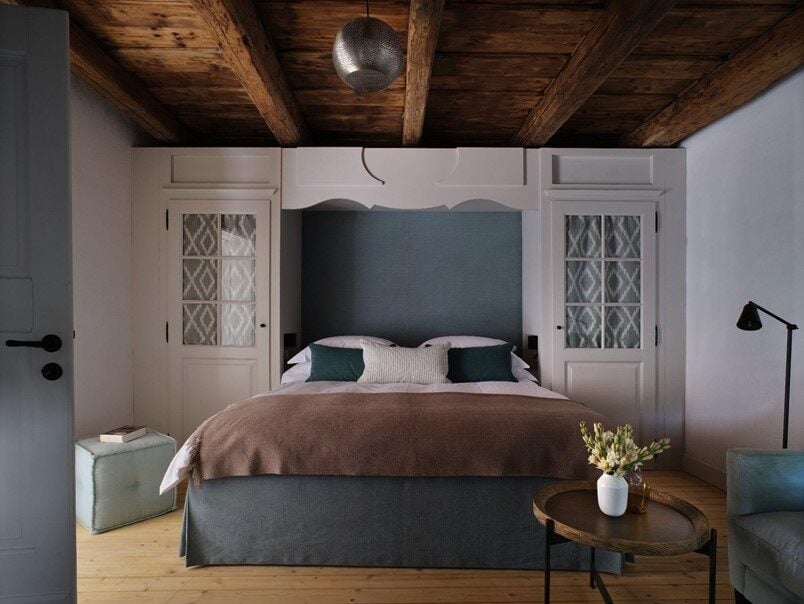
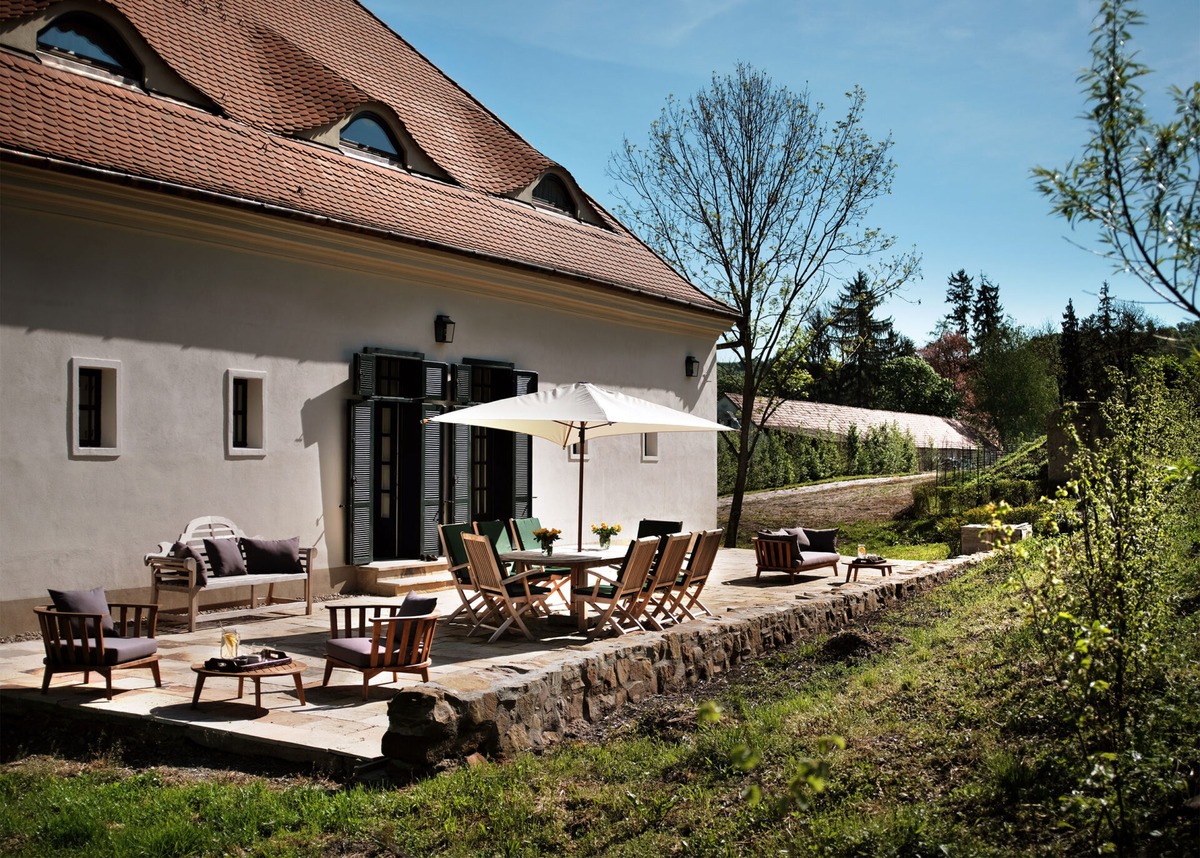
Today, ten rooms across three of those restored buildings make up Bethlen Estates. The estate is the largest employer in the village, channeling revenue back into the surrounding heritage sites.
What surrounds those buildings has its own story and charm. Twenty minutes away, the Breite Ancient Oak Tree Reserve spreads across 74 hectares, some of the oldest oaks in the region. A certified ecologist leads guests of Bethlen Estates through it. These trees were already old when the Bethlen family was first building here.
The forests beyond are bear country. Romania's bear population is among the largest in Europe, and bear-spotting excursions run from the estate. Foxes, falcons, and deer share the landscape.
Hot air balloon flights, truffle hunting, and e-biking through other Saxon villages fill the days of your stay here. Sighișoara is about a half hour drive away – it's a UNESCO-listed medieval town, and famously the birthplace of Vlad the Impaler.
But that didn't scare off King Charles III, who owns property in this part of Transylvania and founded a heritage preservation organization here in 2015. He apparently sees what the Bethlen family has always seen.
Decade-long projects like this take a belief in a future beyond ourselves. I love telling stories like these because that type of thinking seems all but gone in modern society. Inured by instant gratification and transformation, we forget that time ticks beyond us, and we are each but feathers in the winds of time and space.
This family did not forget. They stuck with it, even when communism came and attempted to wipe out their heritage for a half century.
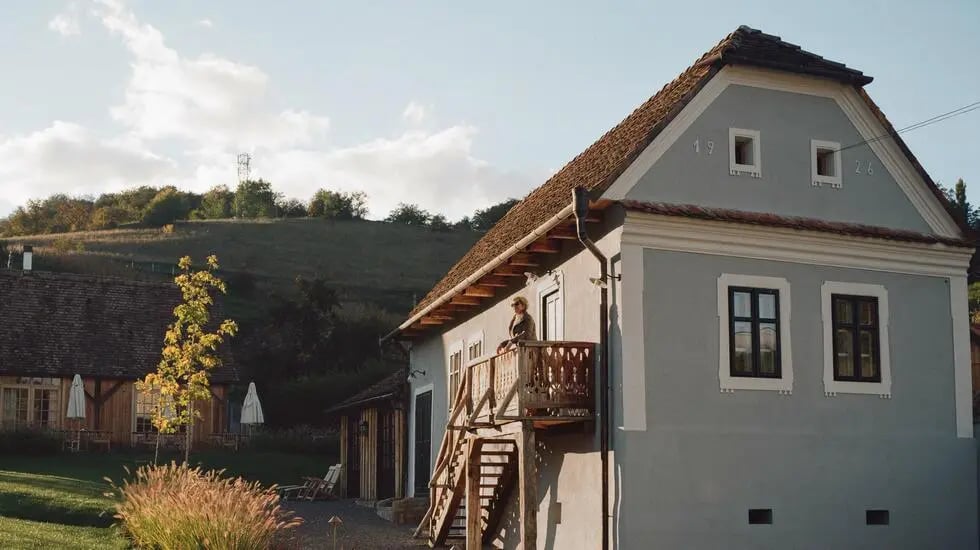
Count Nikolaus is still here, still buying houses, still restoring them without trying to make them something they're not.
If immediate needs didn't matter, what multi-generational project would you work on?
Book a stay
