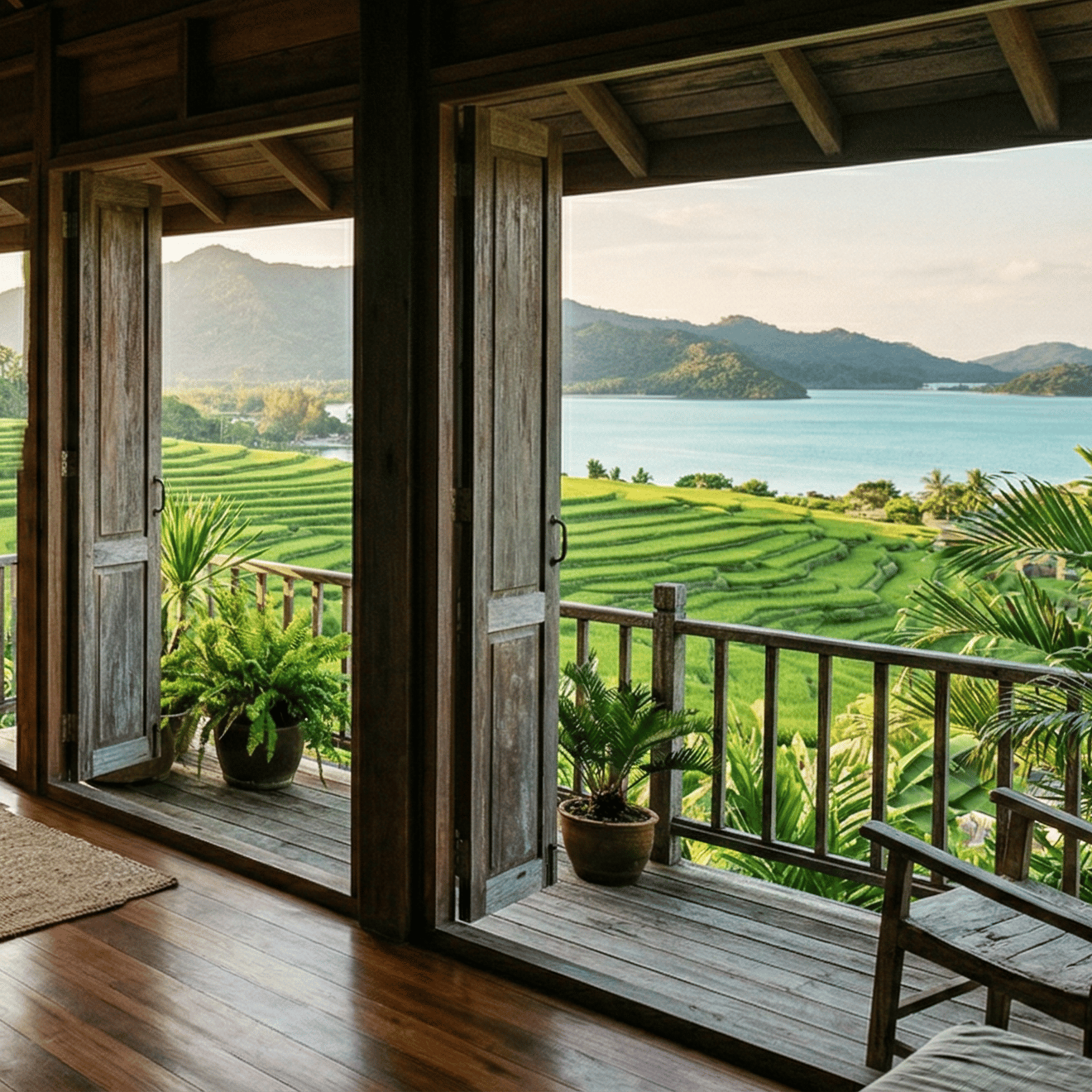
Twelve centuries of breakfast
Every day for over 1,200 years, monks have carried a freshly prepared meal through a forest of 200,000 graves. The recipient has not moved since 835 AD. To his followers, he is not dead - simply "eternally meditating".
This is Eko-in, a working Buddhist temple on Mount Koya in Wakayama, Japan. The meal is for Kukai, founder of Shingon Buddhism, who tradition holds never died.
He entered eternal samadhi in 835. Monks have fed him since, with no days off. For twelve centuries running.
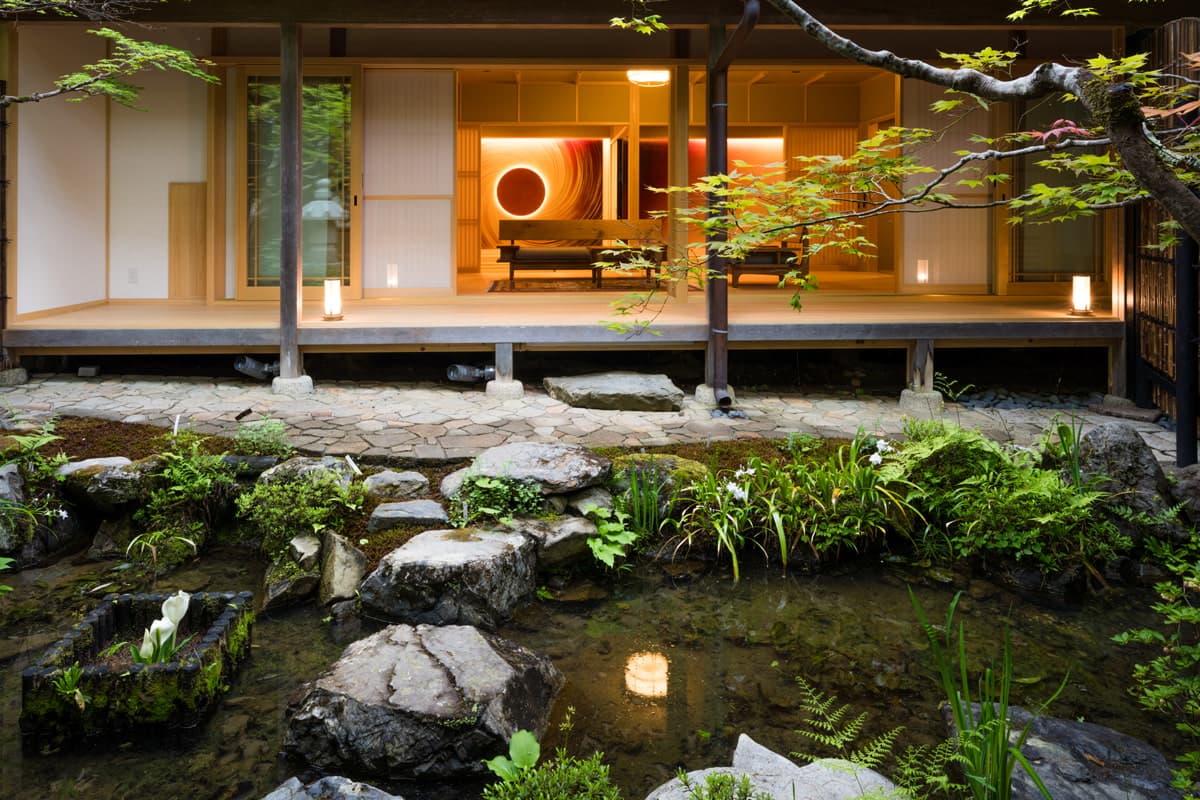
Koyasan is a monastic town on a forested mountaintop, 800 meters up. Kukai founded it in 816 AD. 117 temples remain today, 52 of which accept overnight guests in a tradition called shukubo.
Eko-in is one of those 52. Founded roughly 1,200 years ago when Kukai built a five-story pagoda on the site, its first chief priest was Dosho Sozu, Kukai's own disciple. "Eko" means "transference of merit."
The temple's history reads like a cast list of feudal Japan. Family temple of Akechi Mitsuhide, the daimyo who betrayed Oda Nobunaga. Patron temple of the Shimazu clan of Satsuma.
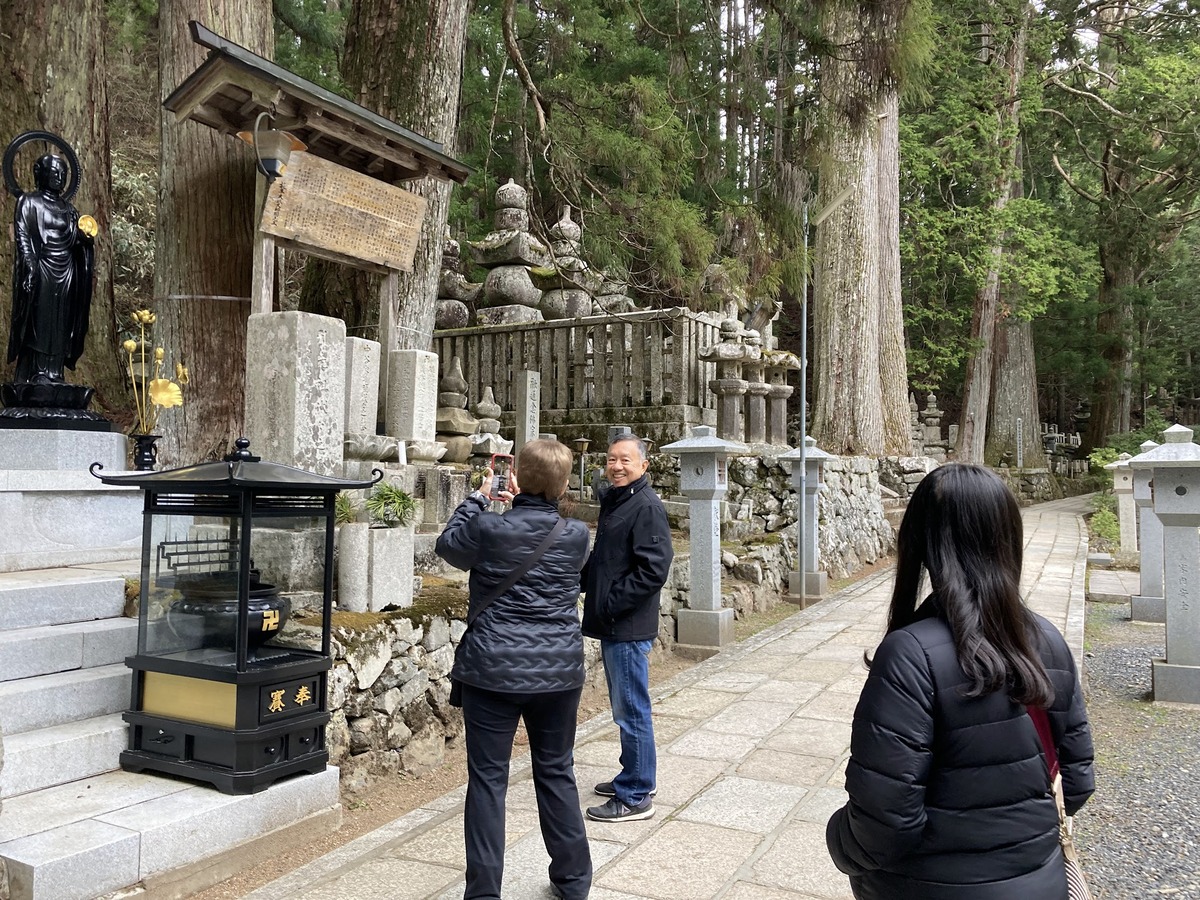
Two minutes from the front door lies Okunoin cemetery, where a two-kilometer cobblestone path leads you through old-growth cedar, past more than 200,000 stone markers placed over the centuries.
Nobunaga and Mitsuhide rest in the same forest. So do Hideyoshi, Takeda Shingen, and Date Masamune. Feudal lords who killed each other in life, side by side in death.
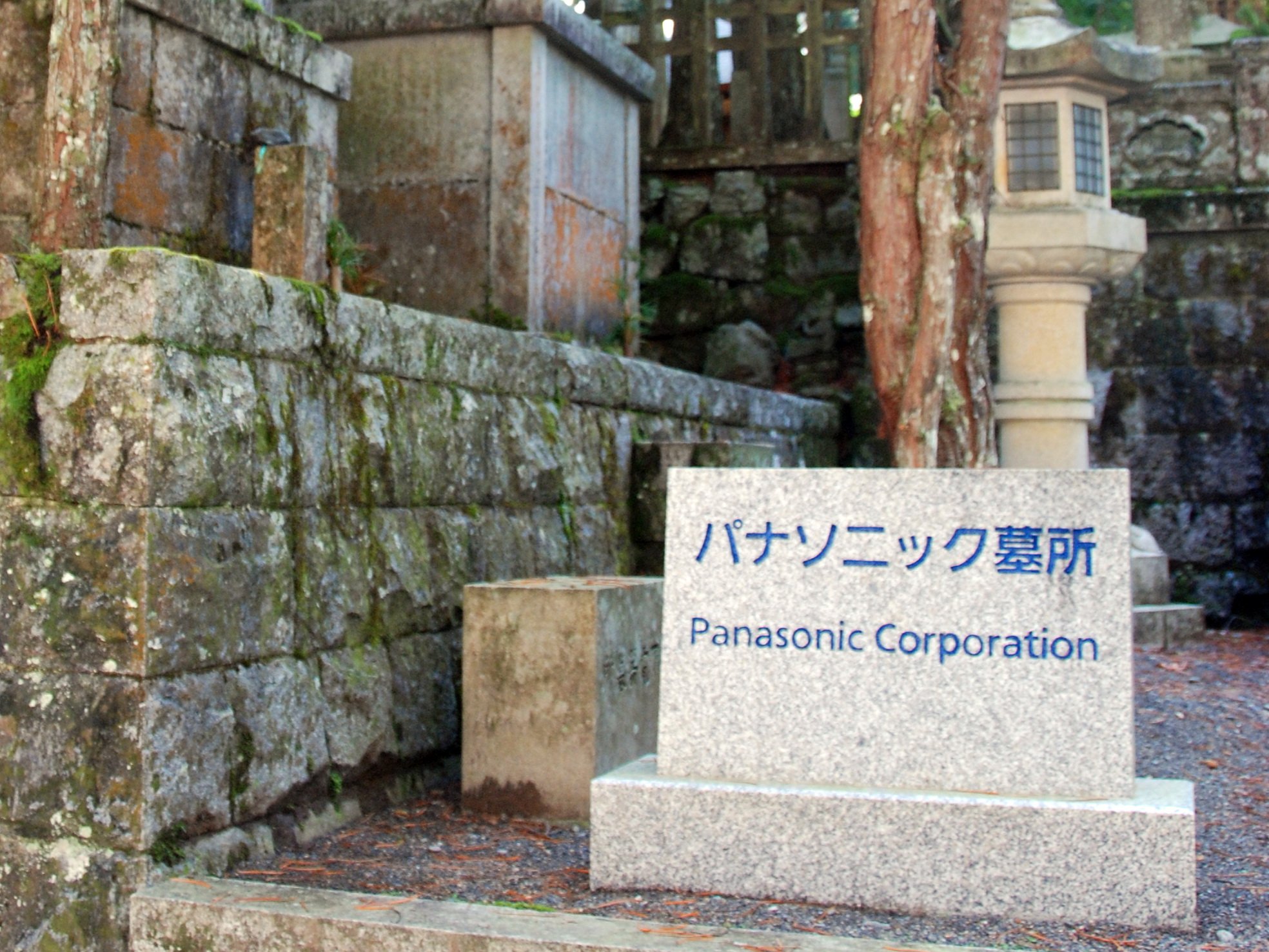
Then it gets stranger. Corporate memorials from Panasonic, Nissan, UCC Coffee (for their employees). A pest control company erected a memorial to the termites it has killed. Somehow this feels so Japanese to me.
The path ends at Torodo Hall, where over 10,000 lanterns burn. Two have allegedly stayed lit for 900 years. Behind it: Kukai's mausoleum. The meals still arrive on schedule.
After dark, one of Eko-in's monks leads a night tour through the cemetery in English.
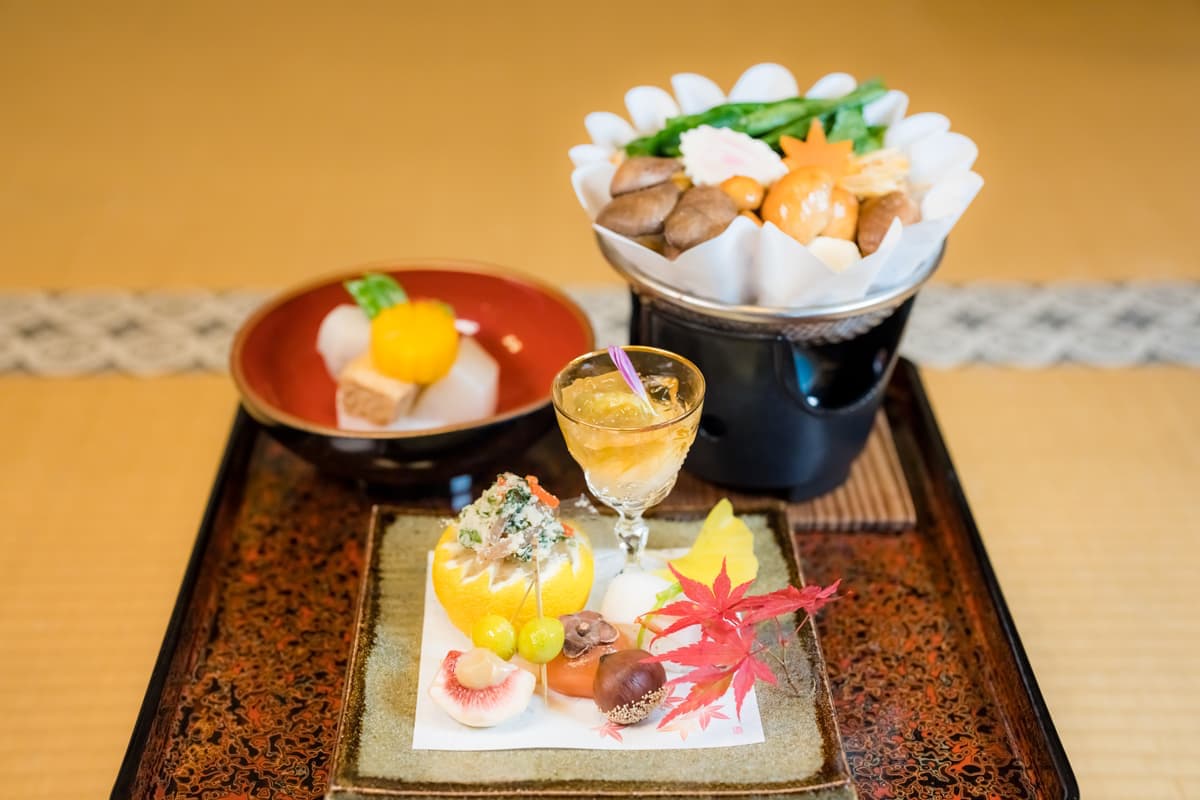
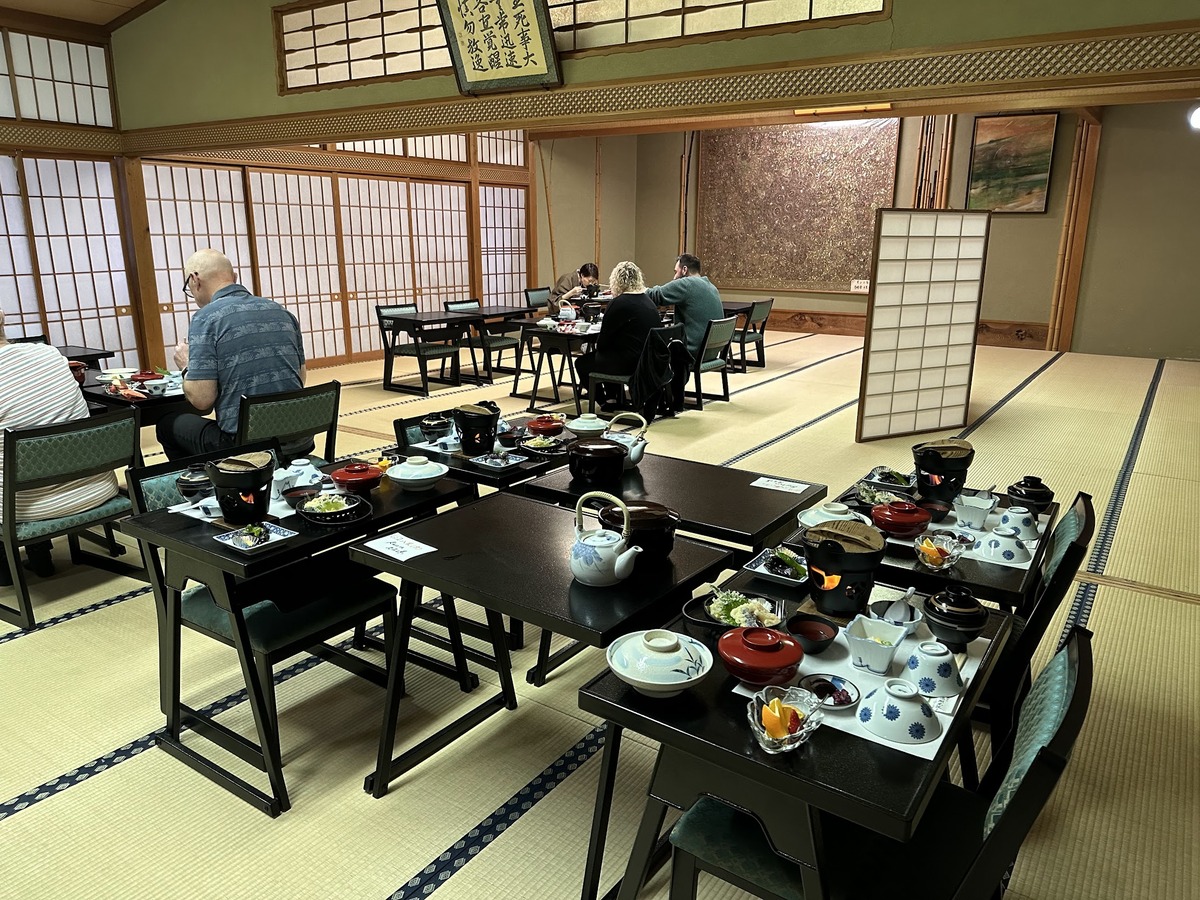
The daily rhythm is precise. Ajikan meditation at 4:30 PM. Shojin ryori dinner at 5:30: Buddhist vegetarian cuisine following rules of five methods, five colors, five flavors, codified over a millennium. The handmade sesame tofu is a Koyasan specialty.
Morning service at 7 AM. Goma fire ritual at 7:30, rooted in esoteric traditions Kukai carried back from Tang Dynasty China in the 9th century.
Rooms range from compact tatami to the 100-square-meter Gachirin suite, the largest in all of Koyasan's temple lodgings, opened in 2022.
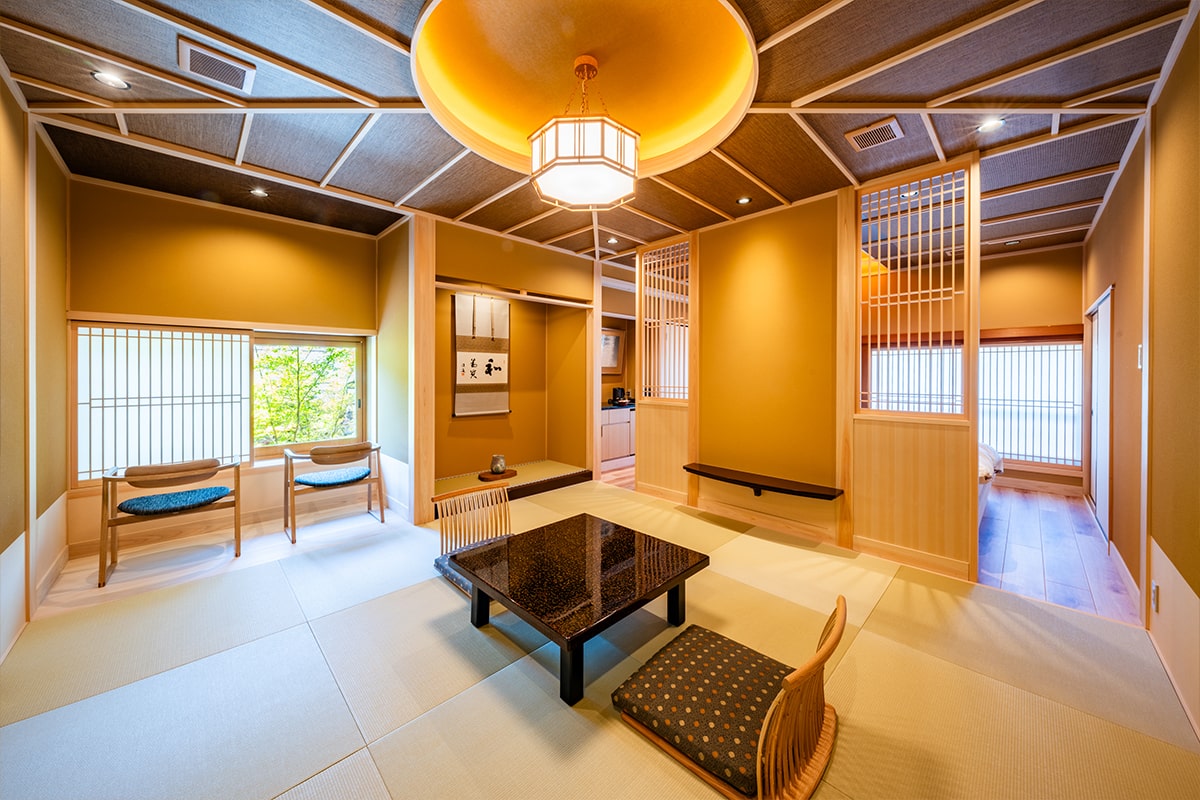
Traditional rooms run $215 to $325 per night, including meals and every ceremony. Two hours from Osaka Namba by train and cable car.
Twelve centuries of meals, carried without interruption.
Book a stay at Eko-In
