
The Xerox salesman and a half-millenia Dynasty
Taking a short break from sharing hotels; this edition of the newsletter is about an experience I had two years ago in Nara, Japan. Thank you to Gaston and Shota-san for taking me to this experience - it's one that made a deep impression on me about heritage, purpose, and missions beyond ourselves.
Here we go.
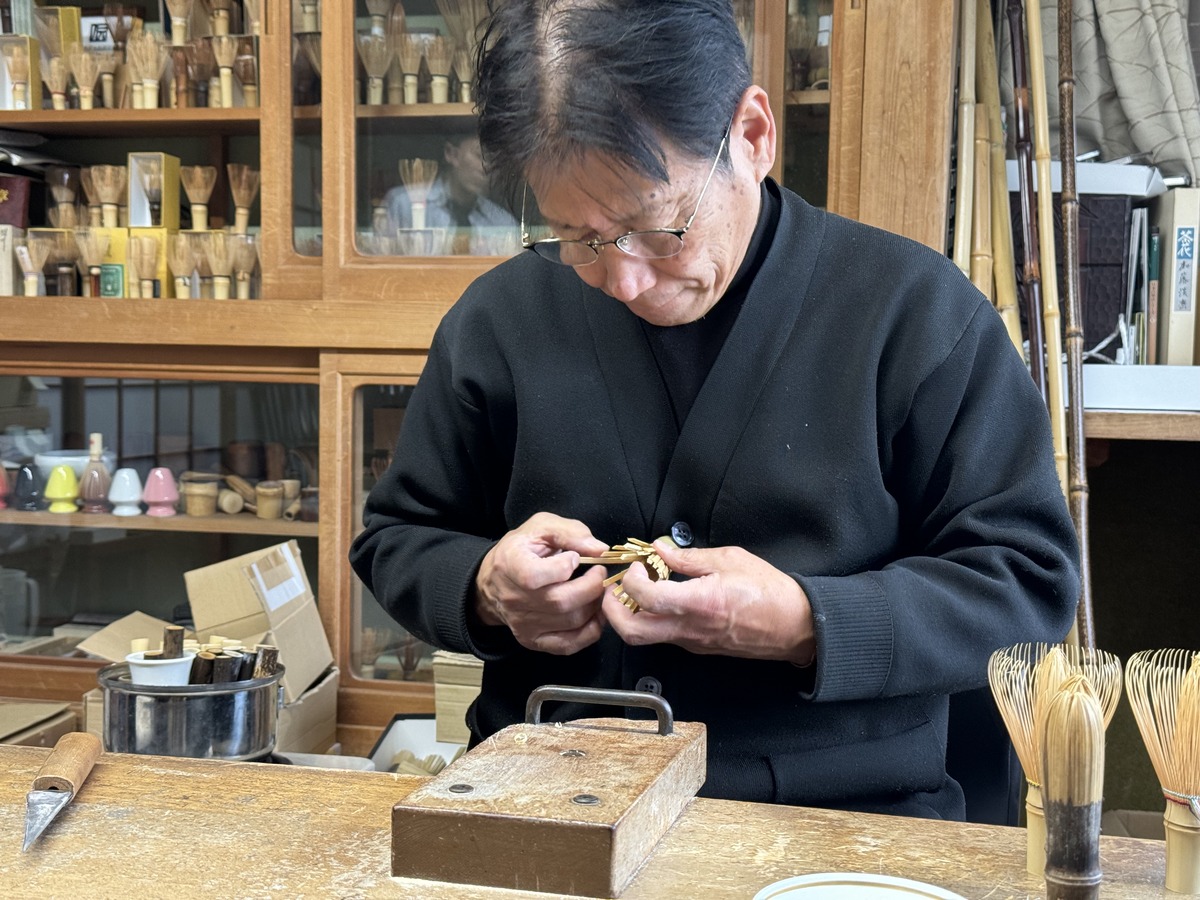
Yasaburo Tanimura spent part of the 1980s selling Xerox machines.
He had a salary, a commute, a career which at that time in history allowed him to "wash his feet in beer" - it was prestigious, high paying, and exciting. But no part of it resembled the 24 generations of his family before him.
At some point, he realized: I'm not going to break the history my family has cultivated for over 500 years.
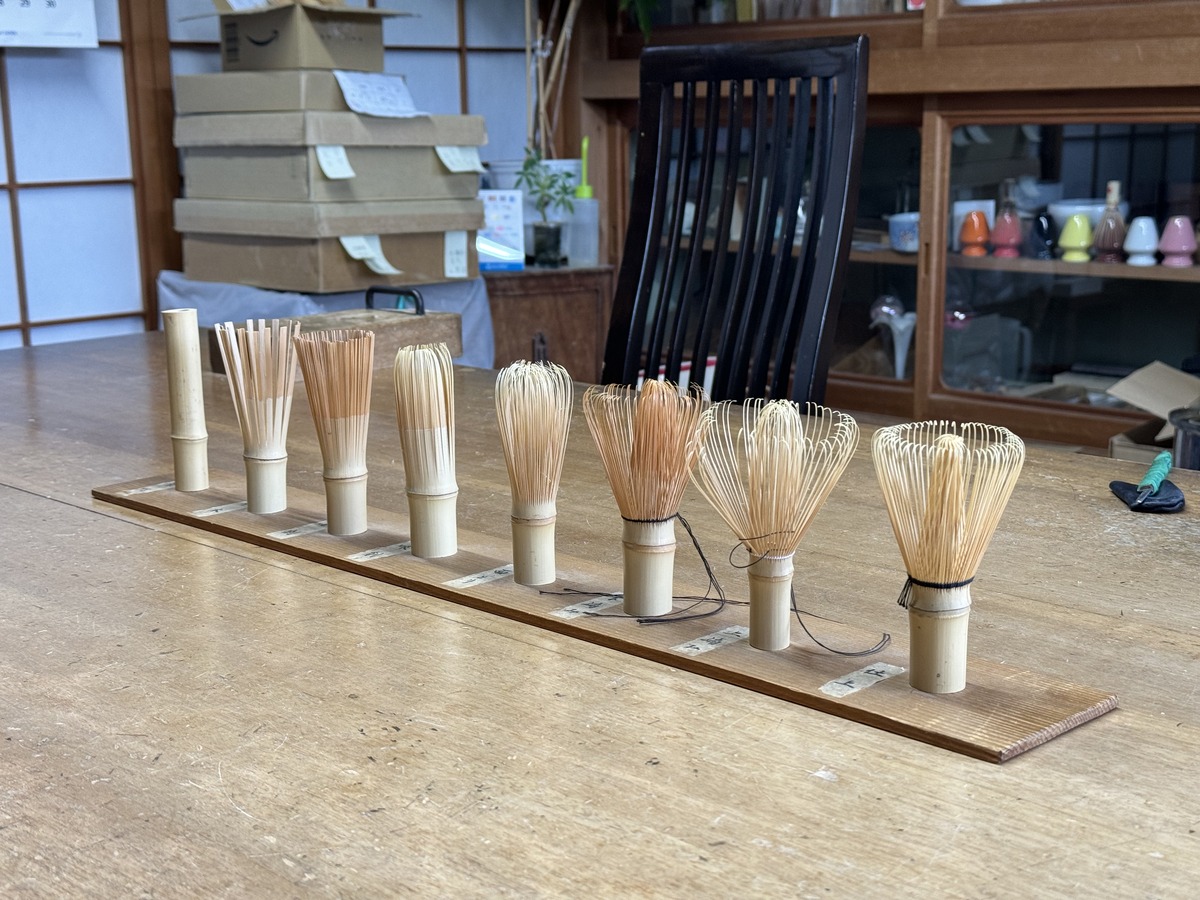
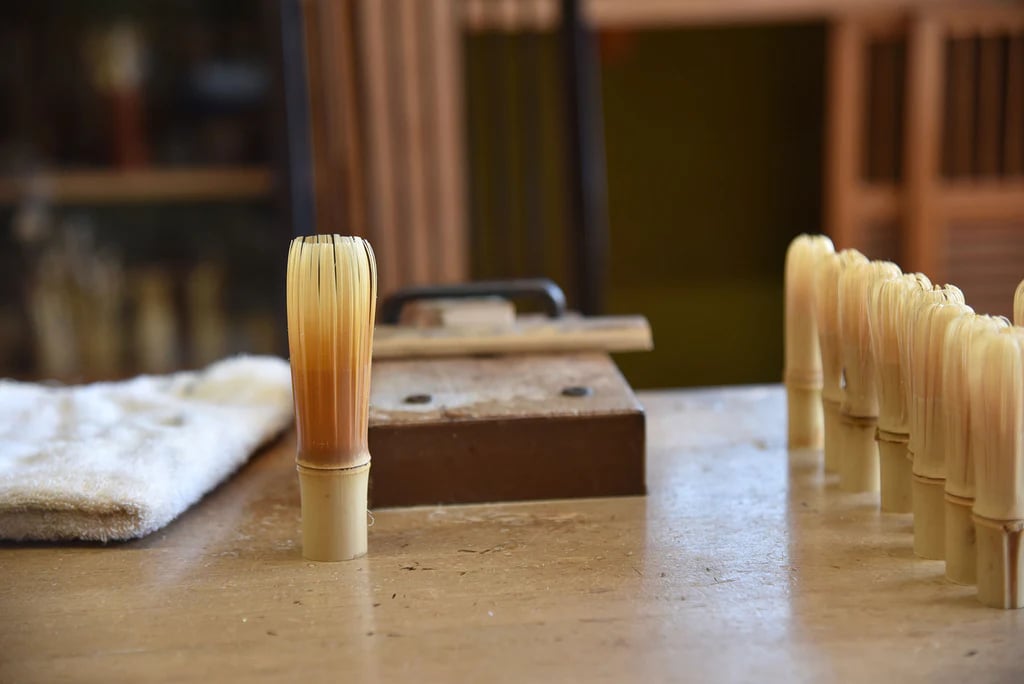
The craft those 24 generations had kept alive was chasen-making – the production of bamboo tea whisks used in Japanese matcha ceremony. It began in Takayama, a district of what is now Ikoma City in Nara Prefecture, in the mid-15th century.
The origin story goes like this: a tea master named Murata Juko, credited with founding wabi-cha tea ceremony, requested a whisk from a craftsman named Takayama Minbe Nyudo Sosai. When it was presented at a gathering and the Emperor was moved by it, he renamed both the town and the family.
The craft passed from father to eldest son for the next five centuries.
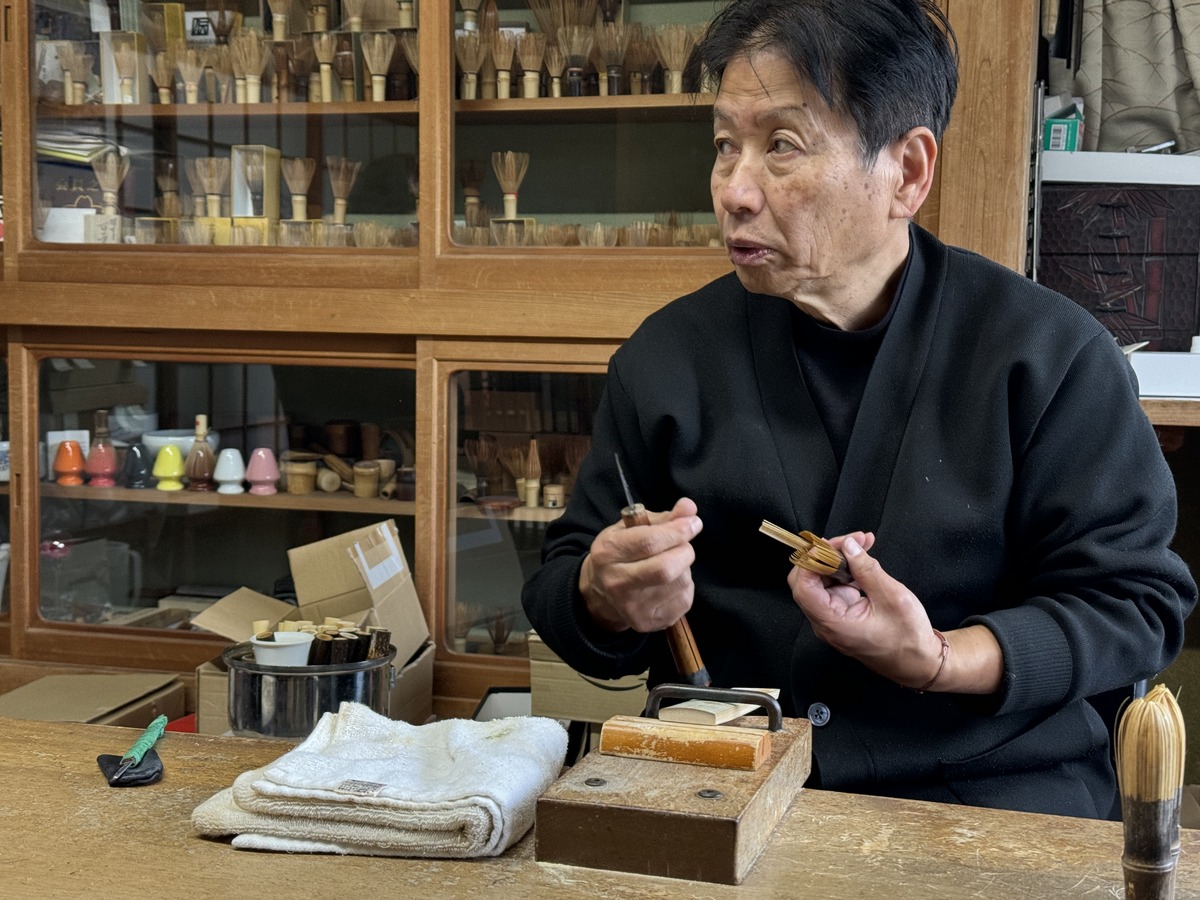
Today, Yasaburo runs Suikaen. He is the 25th-generation master and one of roughly 18 remaining chasen craftsmen in Japan. His workshop, in Ikoma City between Kyoto and Osaka, employs 30 people and produces 20 whisks per day.
Twenty.
The bamboo itself requires years before a craftsman touches it: harvested at two to three years old, boiled to remove its natural oils, sun-dried for weeks, then stored in a curing shed for two additional years. The finished material is then worked through seven distinct steps – splitting the culm into tines, thinning each to less than half a millimeter, rounding the edges, weaving and double-knotting the inner and outer bristles. Each step requires two to three years of training to perform with any reliability.
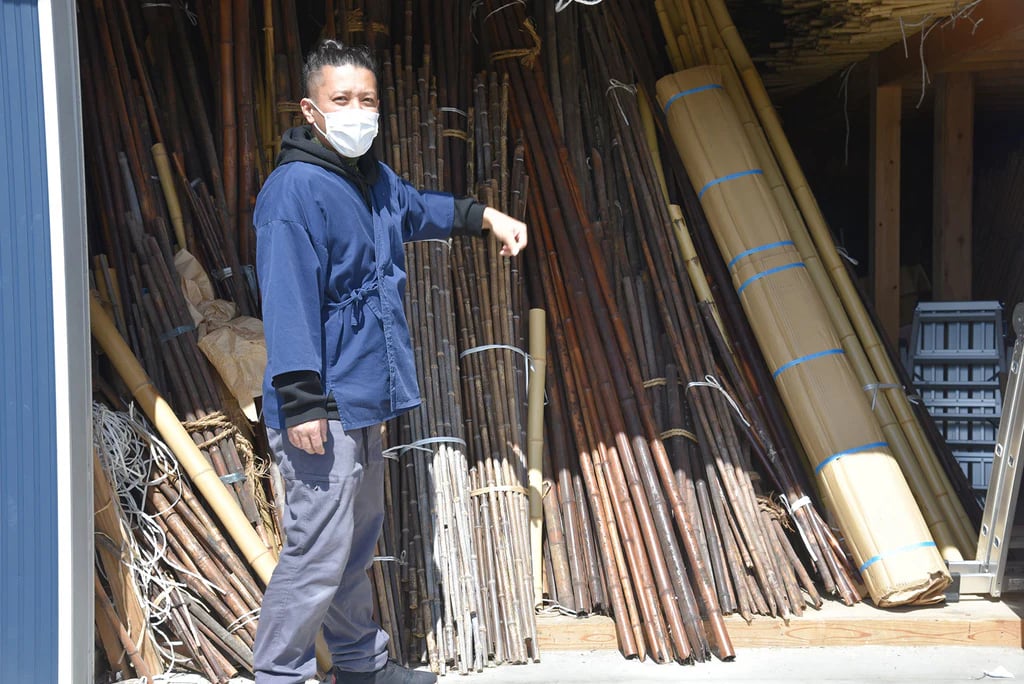
Full mastery takes 15 years.
Suikaen welcomes visitors on weekdays – closed Saturdays, Sundays, and public holidays, so plan ahead. For ¥6,000 to ¥7,500 (roughly $40–50), a two-hour session puts you at the uwaami step: the upper binding. You choose between white or black bamboo, select your thread color, and leave with a whisk you made yourself. The session ends in a formal tea room with matcha and wagashi. Reserve at least three days ahead. Some of the staff speak English.
His son Keiichiro is already learning. The 26th generation.
Tanimura-san almost sold copiers his whole life. He didn't. And because he didn't, there's someone to hand the baton to. To keep the history alive.
Hit reply if you've ever been handed something you almost walked away from.
Check it out
