The Side Door: 11 Rooms
The Mountain Knows When to Let You Go
Most people stop in Chiang Mai. There's plenty of reason to: the old city, the temples, the night markets, the food scene that keeps getting better. It's a genuinely wonderful place. But if you keep driving north, about 90 minutes up a road that gets quieter with every kilometer, the valley opens up, the mountains get serious, and you arrive somewhere that feels like a different country.
Chiang Dao is small, cool, and largely unbothered by tourism. The kind of town with a few excellent cafés, a cave temple complex that still carries genuine spiritual weight, and morning air that smells like woodsmoke and wet earth. Most travelers have never heard of it. That's the whole point.
11 Rooms
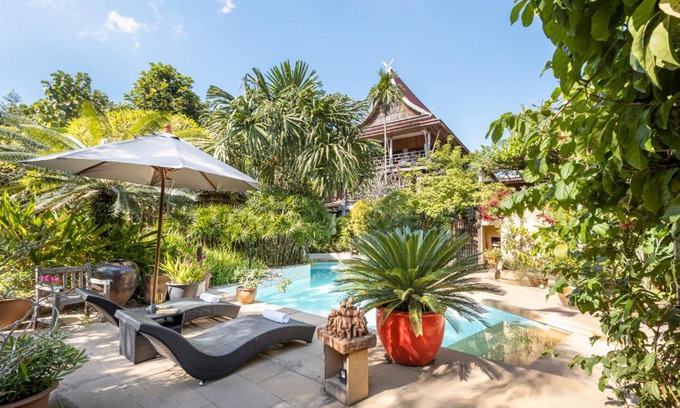
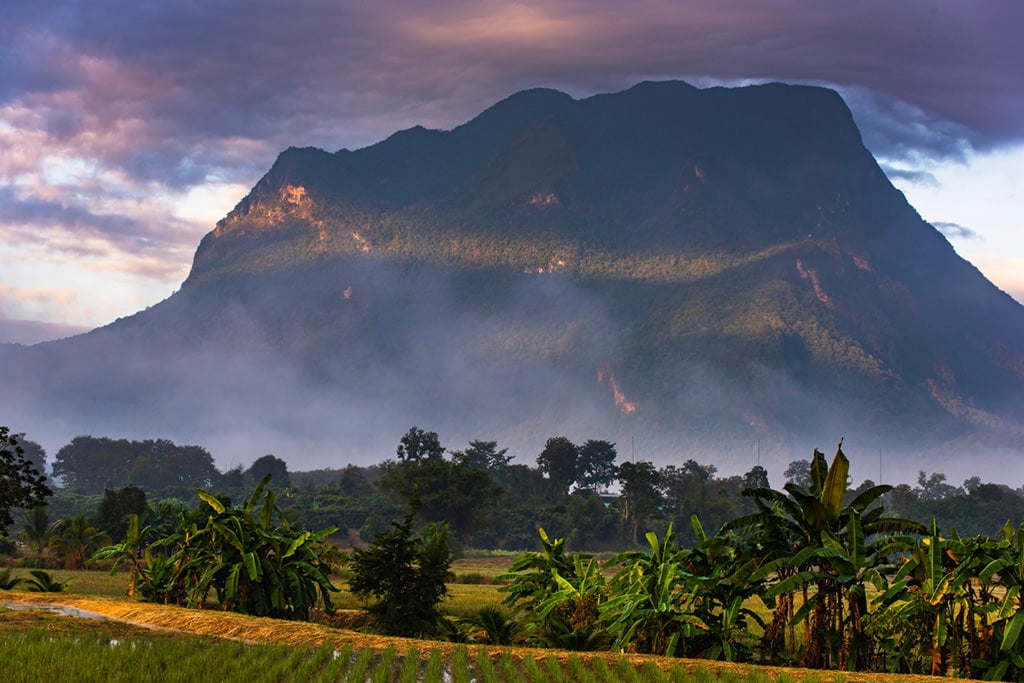
There's a hotel here called 11 Rooms, and the name is literal. Eleven rooms. Not a boutique wing of a larger property, not a hidden gem that somehow sleeps 80. Eleven rooms, built into the rice paddies and jungle at the base of Doi Chiang Dao, one of Thailand's highest peaks at 2,175 meters.
The mountain is the first thing you need to understand about this place. It dominates every sightline. Sacred to the Northern Thai Buddhist and Shan communities who have lived in its shadow for generations, it shifts through the day: emerald in the early light, silver in the midday haze, a kind of bruised violet when the sun drops behind the ridge. Whoever built 11 Rooms understood that the job was to get out of the mountain's way.
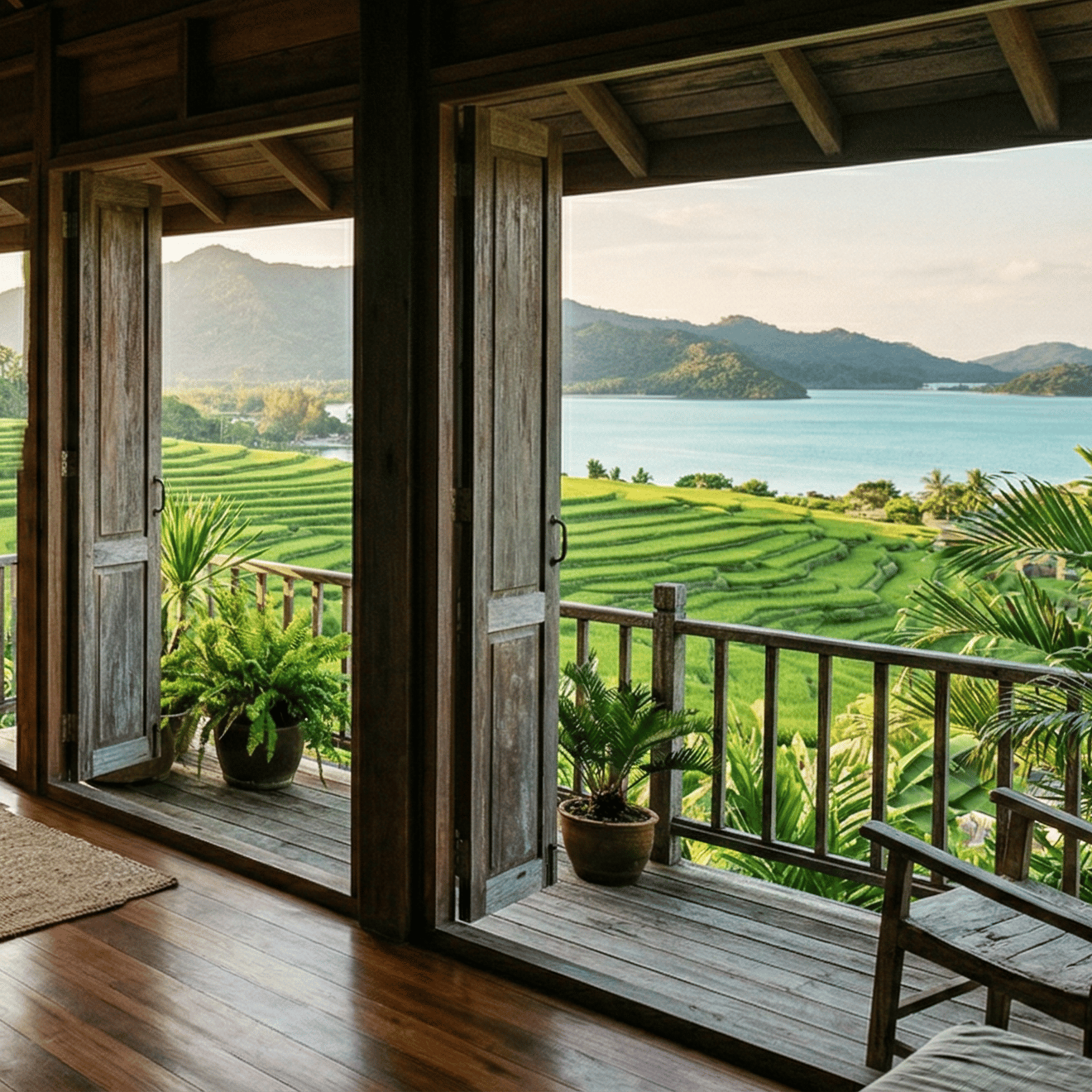
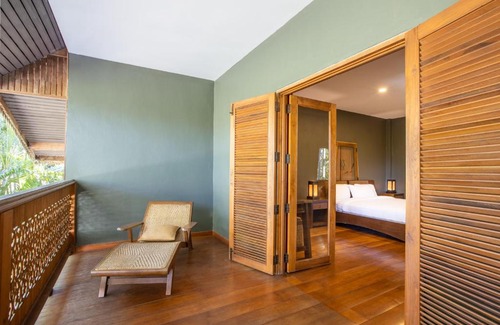
The design reflects that philosophy. Contemporary lines that borrow from Northern Thai vernacular architecture: local wood, poured concrete, open-air layouts that dissolve the boundary between your room and the surrounding landscape. Each of the eleven rooms is slightly different, but they share the same quiet language. Flowing linens, natural light, uncluttered surfaces.
You wake up to birdsong and mist rolling off the mountain. There is no other wake-up call.
The town itself is the antidote to what Chiang Mai has become. Not a criticism: Chiang Mai is worth visiting. But it has become a city with tourist infrastructure to match its reputation. Chiang Dao hasn't crossed that line yet.
The Chiang Dao Cave is a limestone cavern system that Buddhist monks have used as a temple for over a thousand years, and you can walk through it with a lantern-carrying guide for a few dollars. Wat Tham Pha Plong is a meditation temple perched on a hillside you reach by climbing 500 stone steps, traditionally carrying eggs as an offering.
The hot springs are twenty minutes away. The Chiang Dao Wildlife Sanctuary borders the biosphere reserve.
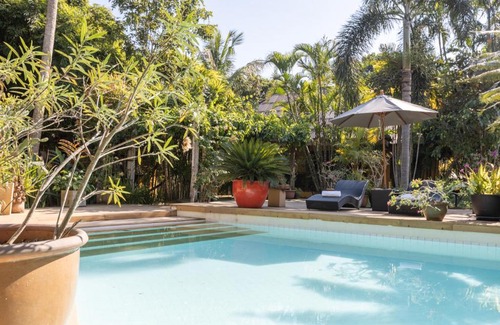
But you won’t be roughing it. The rooms are air-conditioned, some have private terraces, all have private bathrooms. There are massage services on-site. The place is pet-friendly and privately managed, which means you're dealing with people who care about the property, not a front desk running through a script.
Pricing runs from around $74 to $88 per night depending on the platform and room type. It's bookable on Airbnb, Booking.com, and Agoda.
The best time to visit is November through February, when northern Thailand's cool season makes the mountain air genuinely cold at night and the skies are clear.
There's a version of travel in Thailand that everyone knows: the beach, the temples, the old city. And then there's the version where you drive an hour and a half north of the last recognizable thing, into a valley named for stars, and sleep in a family's house at the foot of a UNESCO mountain.
The second version is better. It's just harder to find. Dek Doi 11 Rooms is one of the few places in Chiang Dao offering real design and genuine comfort in that raw setting. The family left the light on. It's worth driving toward it.

