The grocery carts are still in the aisles
This is a city frozen in time, and in such a strange time at that.
On April 27, 1986, the buses arrived and 49,360 people walked out of their city with a single bag each.
Residents were told to pack light. They'd be back in 3 days.
It's been 40 years, and they've never been back.
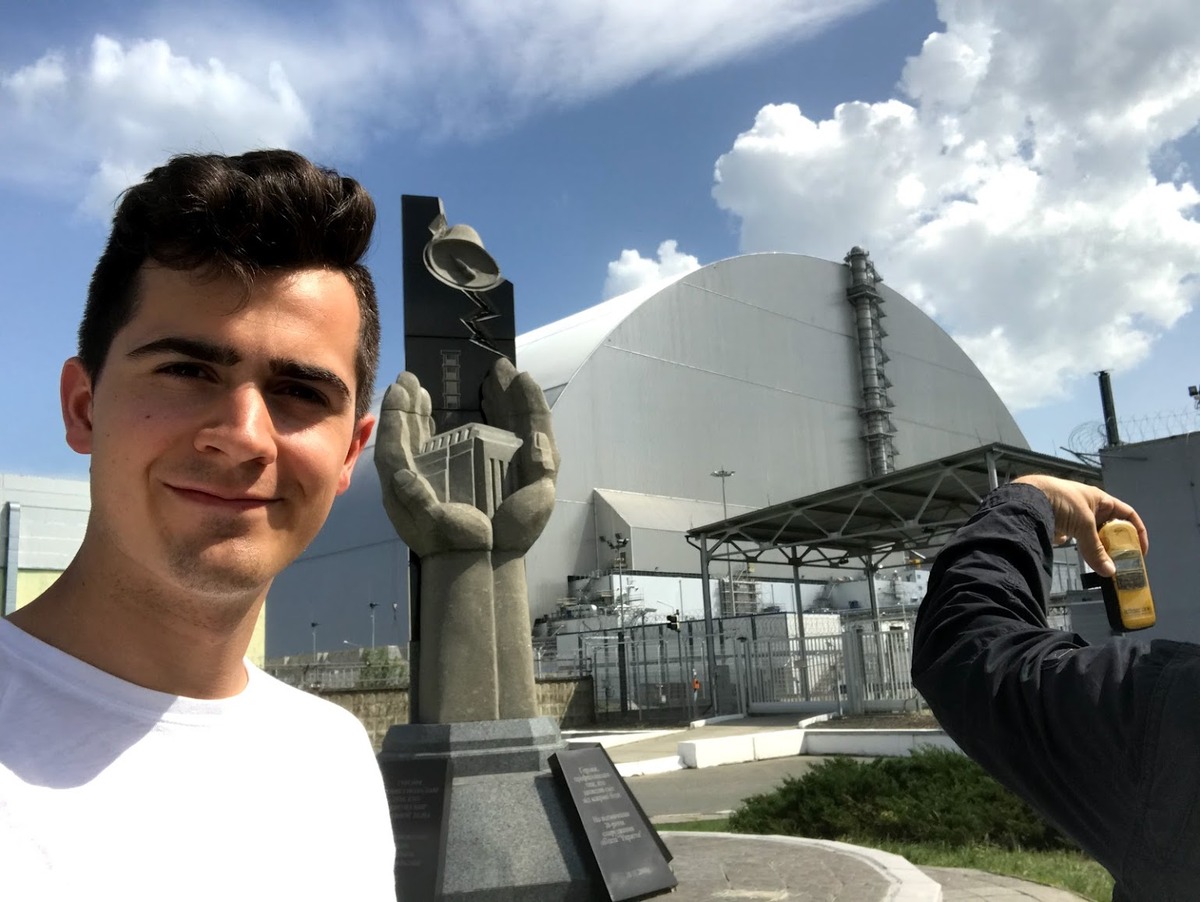
I walked through Pripyat in 2018 and the evidence of that is everywhere.
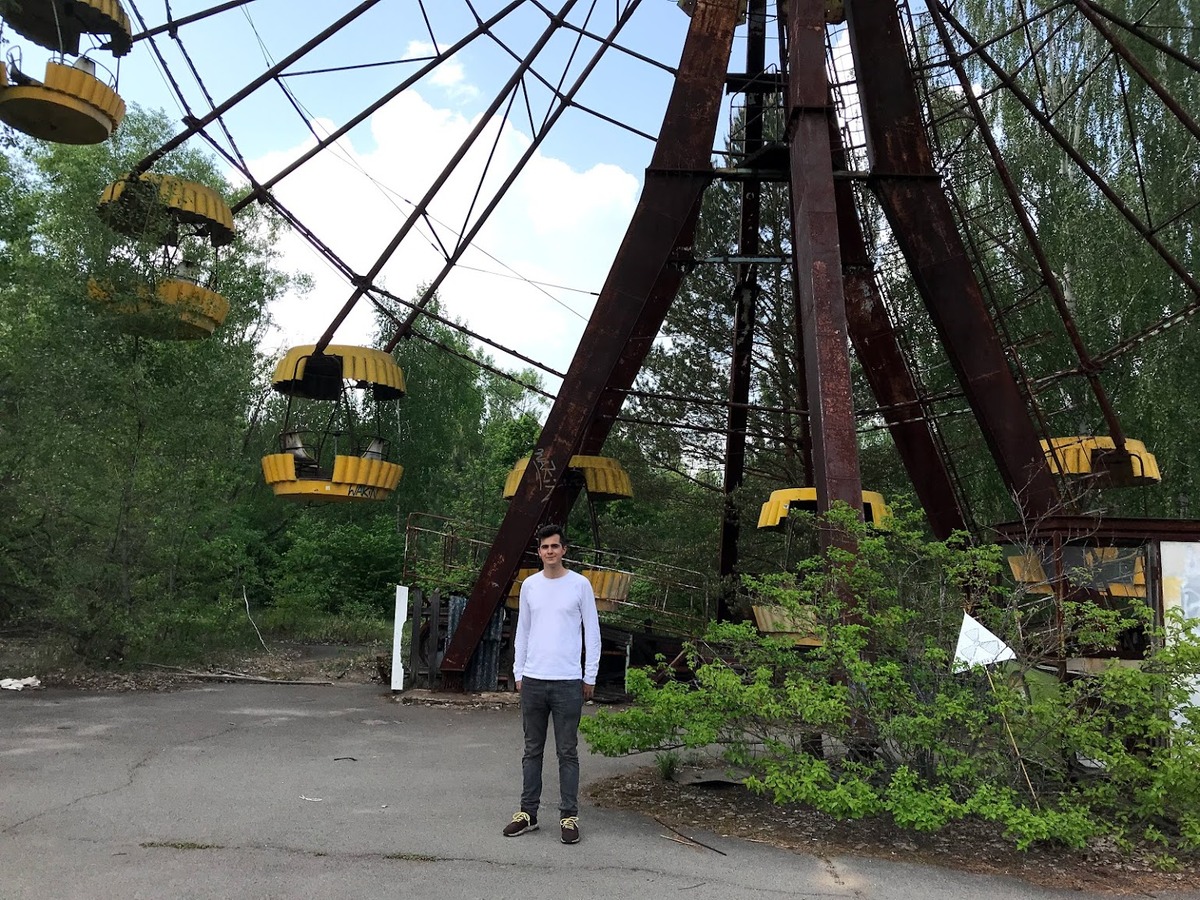
The famous Ferris wheel is striking. But what got to me was smaller: toys in apartments, textbooks open on school desks. A whole city caught mid-sentence.
Pripyat wasn't just any Soviet city. Founded in 1970, it was the USSR's ninth "atomgrad": a closed nuclear city built to showcase what Soviet society could achieve.
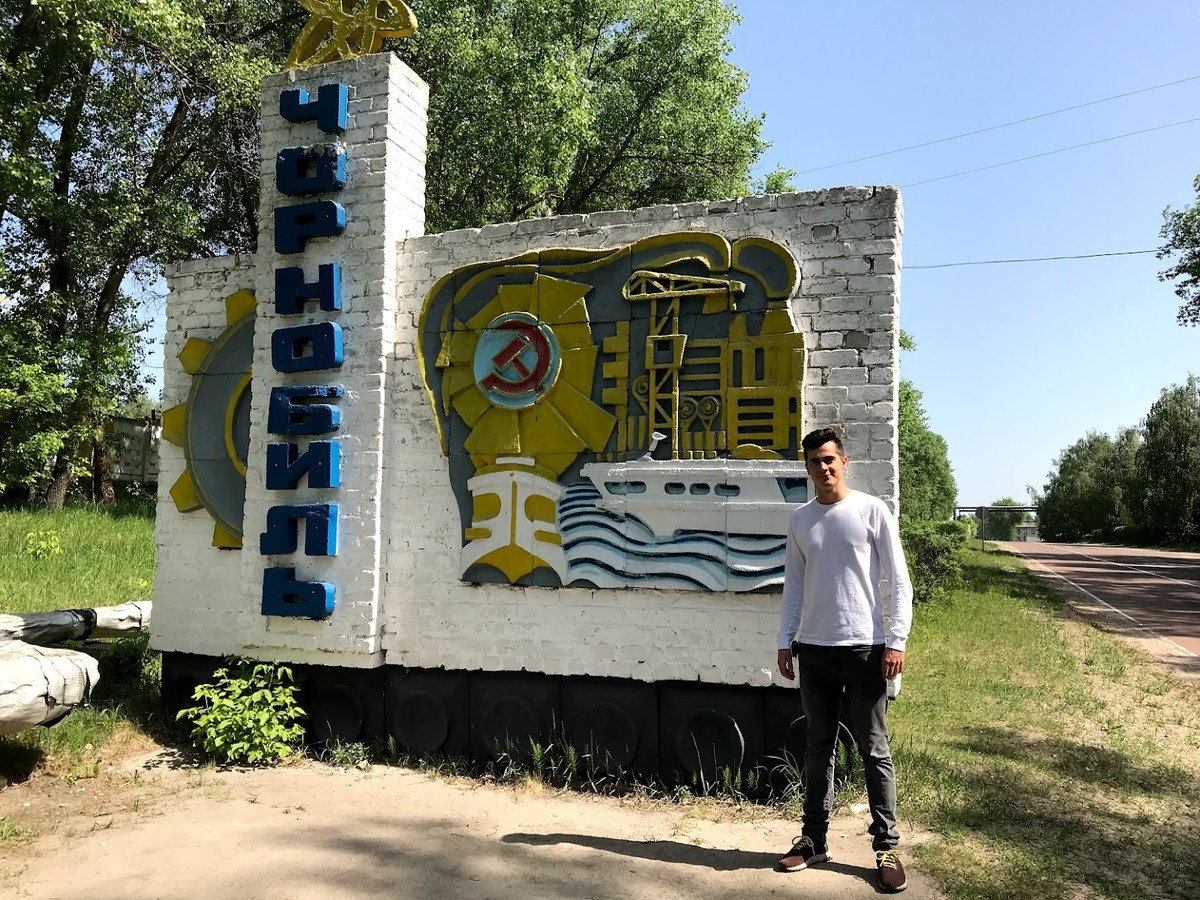
Its residents were the technical elite: young professionals with families, average age 26, recruited from across the Soviet Union to live in a purpose-built model city.
On April 26, 1986, reactor 4 exploded. The city ended quietly: after 3 days of what, in hindsight, was absolutely insane radiation exposure, everyone was evacuated. Told they'd be back in a few days.
It's been 40 years.
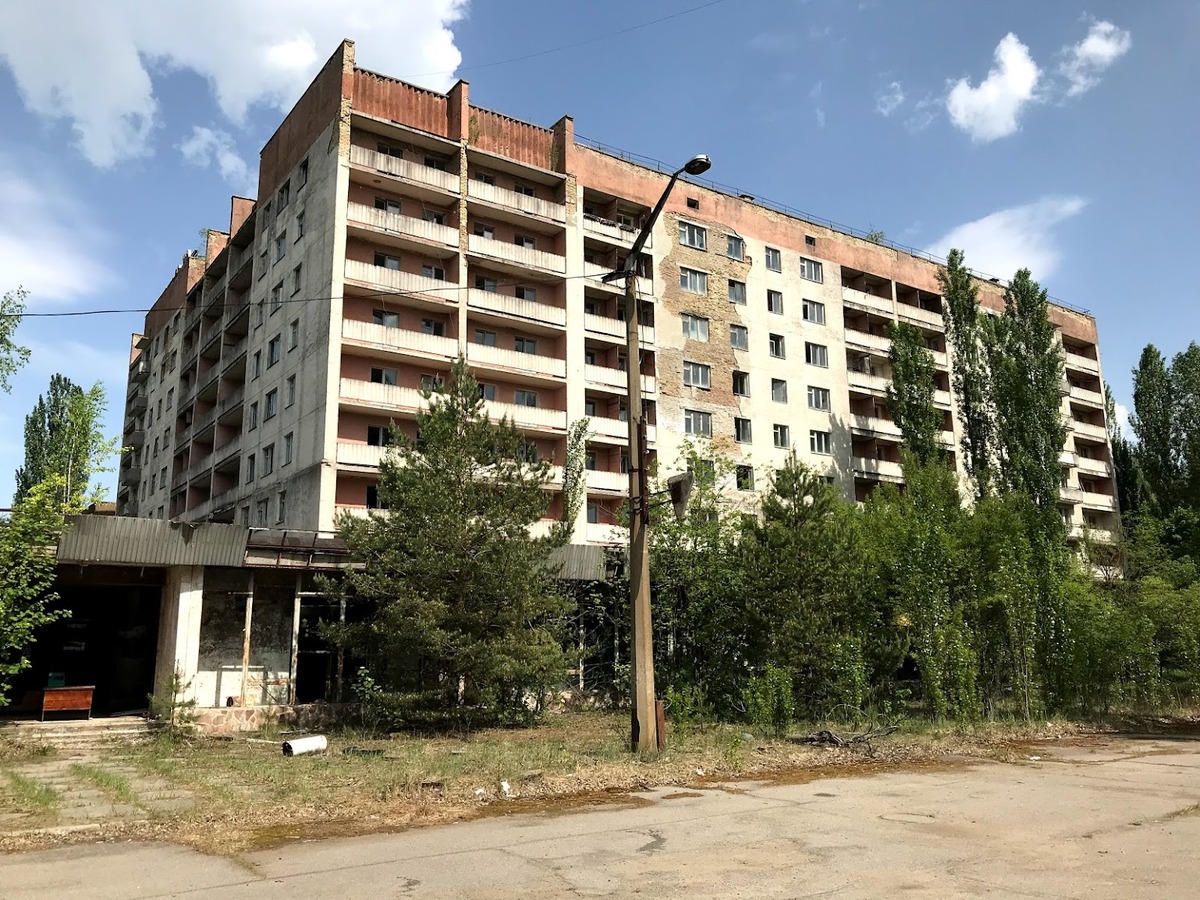
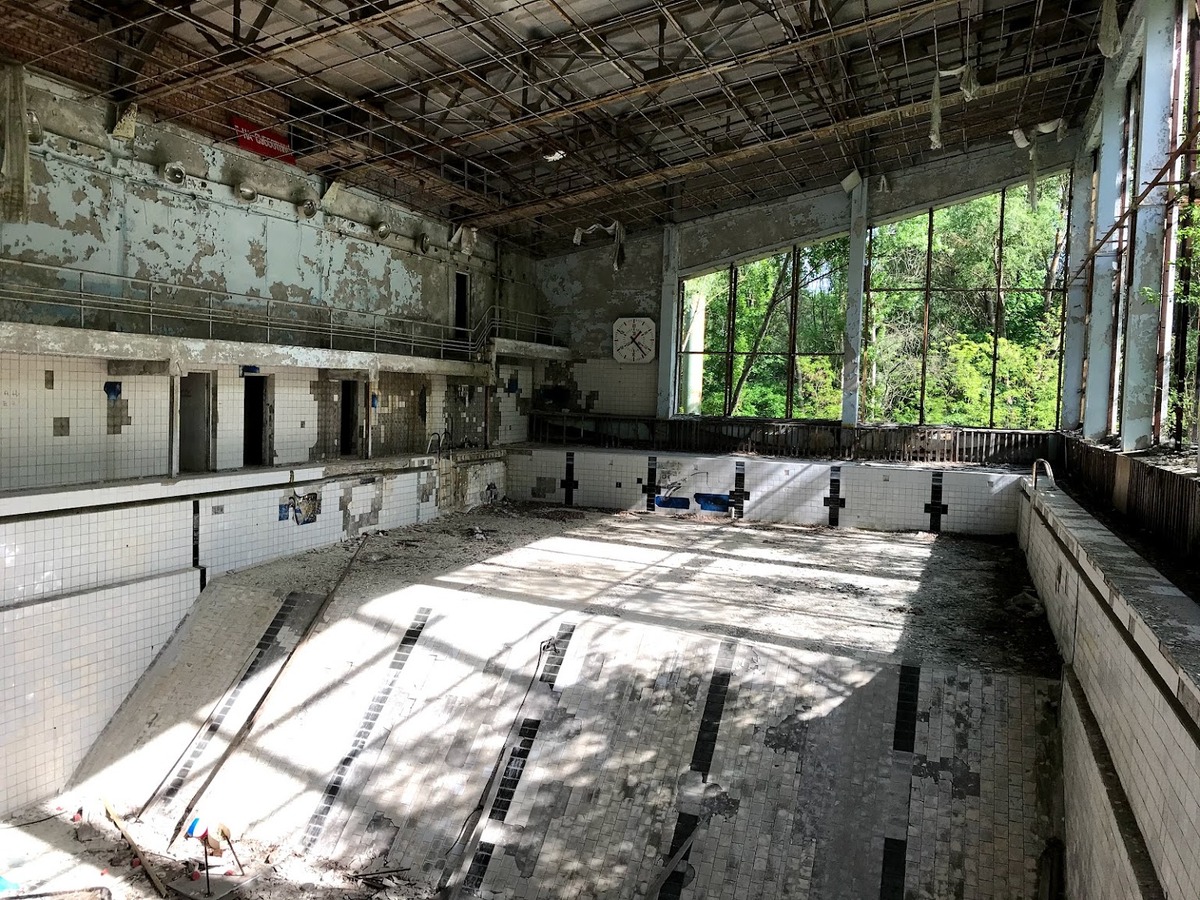
By the time I visited, nature had been working on Pripyat for 32 years. The gymnasium floor is crumbling. Broken glass is everywhere. Wolves, bison, and Przewalski horses wander the zone.
In the cooling channel beside the reactor, I watched a catfish longer than a meter patrol the shallows. No fishing pressure for 40 years will do that to a fish. Or perhaps something about the water...
The amusement park's Ferris wheel was scheduled to debut on May 1, 1986, for May Day celebrations. Five days after the explosion. It never made a single rotation.
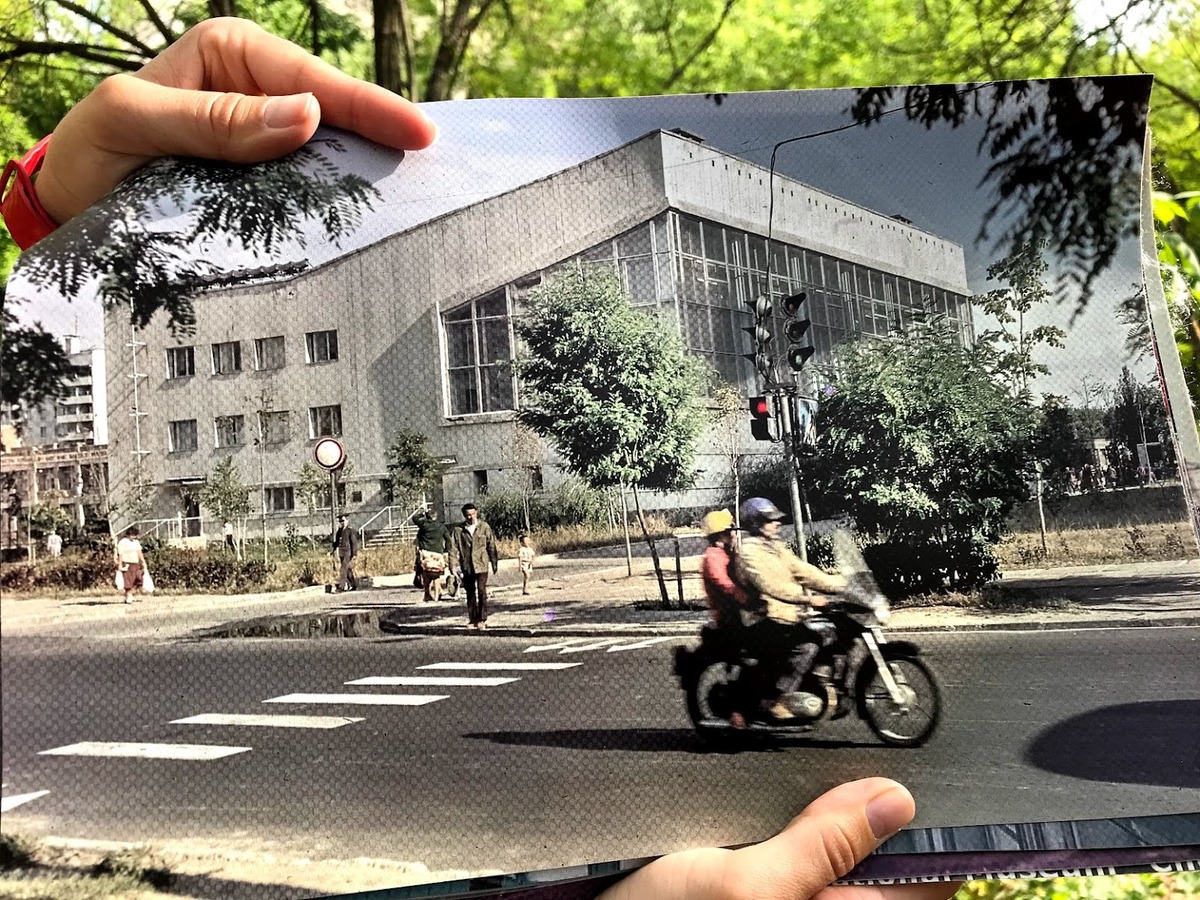
I got there a year before the HBO miniseries drove a 40% surge in bookings and pushed annual visitors past 200,000. I'm glad I got there when it was quiet.
Tours are suspended now, for what should be obvious reasons.
However, if it ever opens again, I suggest taking a tour with Go2Chernobyl, the Kyiv-based operator I used. They run 1–5 day tours starting at $90 per person, including transport, guide, dosimeter, insurance, and lunch. Follow their updates at go2chernobyl.com. Ukraine has post-war tourism plans and a UNESCO World Heritage nomination in progress.
When access resumes, this is the kind of place you visit once and carry forever. If you've stood somewhere that changed how you understand history, hit reply. I want to know what it was.

