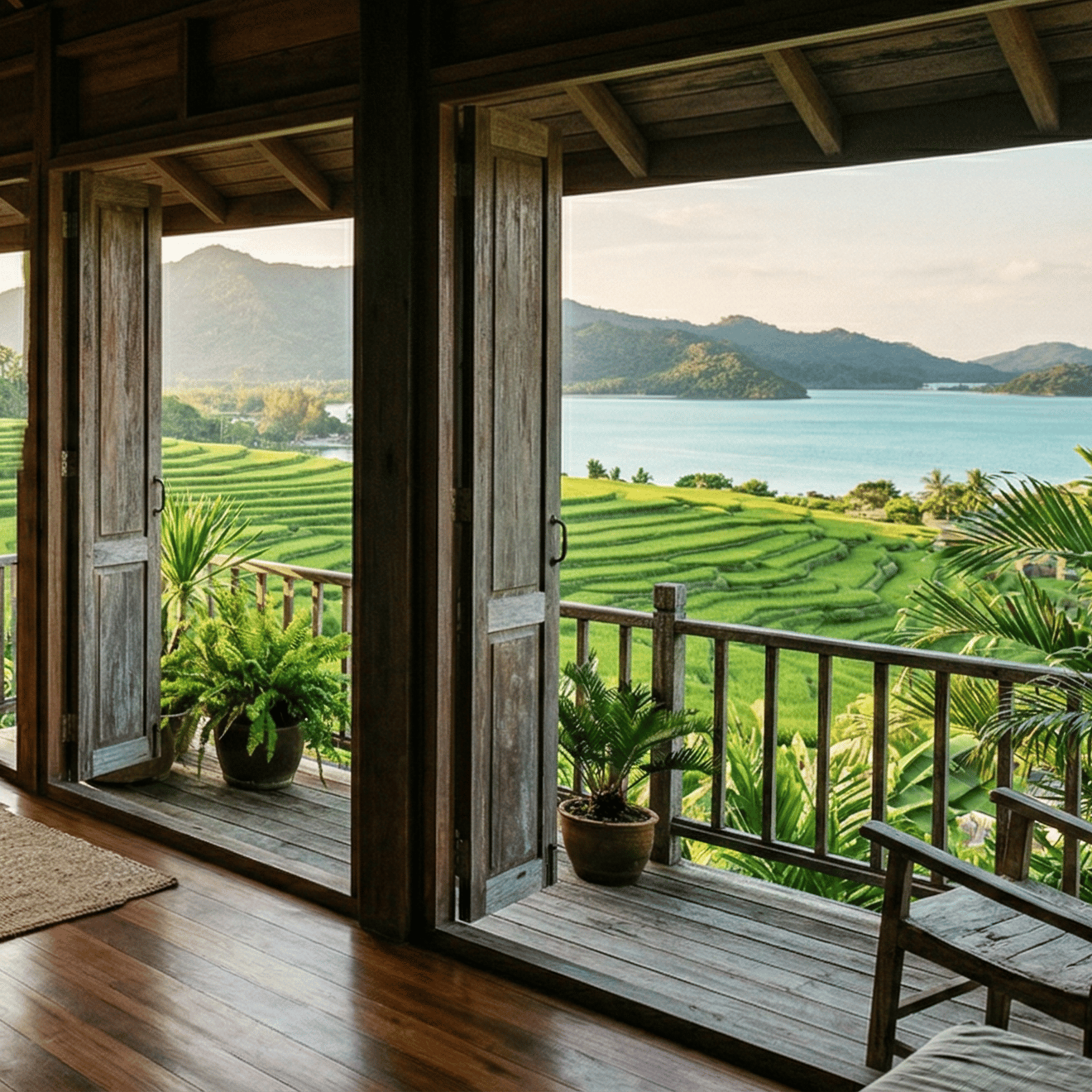
The camp built from a 90-year-old photograph
Somewhere above the Colca Valley, before the road drops into the canyon proper, the sky does something you don't expect. It widens.
The mountains pull back just enough to let the whole bowl of stars settle overhead, and local tradition holds that a river near here doesn't just run through the valley — it flows directly into the Milky Way.
Stand outside at midnight at 3,500 meters with no light pollution and no noise except the wind, and your thoughts might just fly away into the cosmos.
PUQIO opened in 2024 and traces its entire design concept to a single magazine. In January 1934, National Geographic published a piece called 'A Forgotten Valley of Peru' — photographs of an expedition team camped in canvas tents, documenting a landscape that most of the world had never seen.
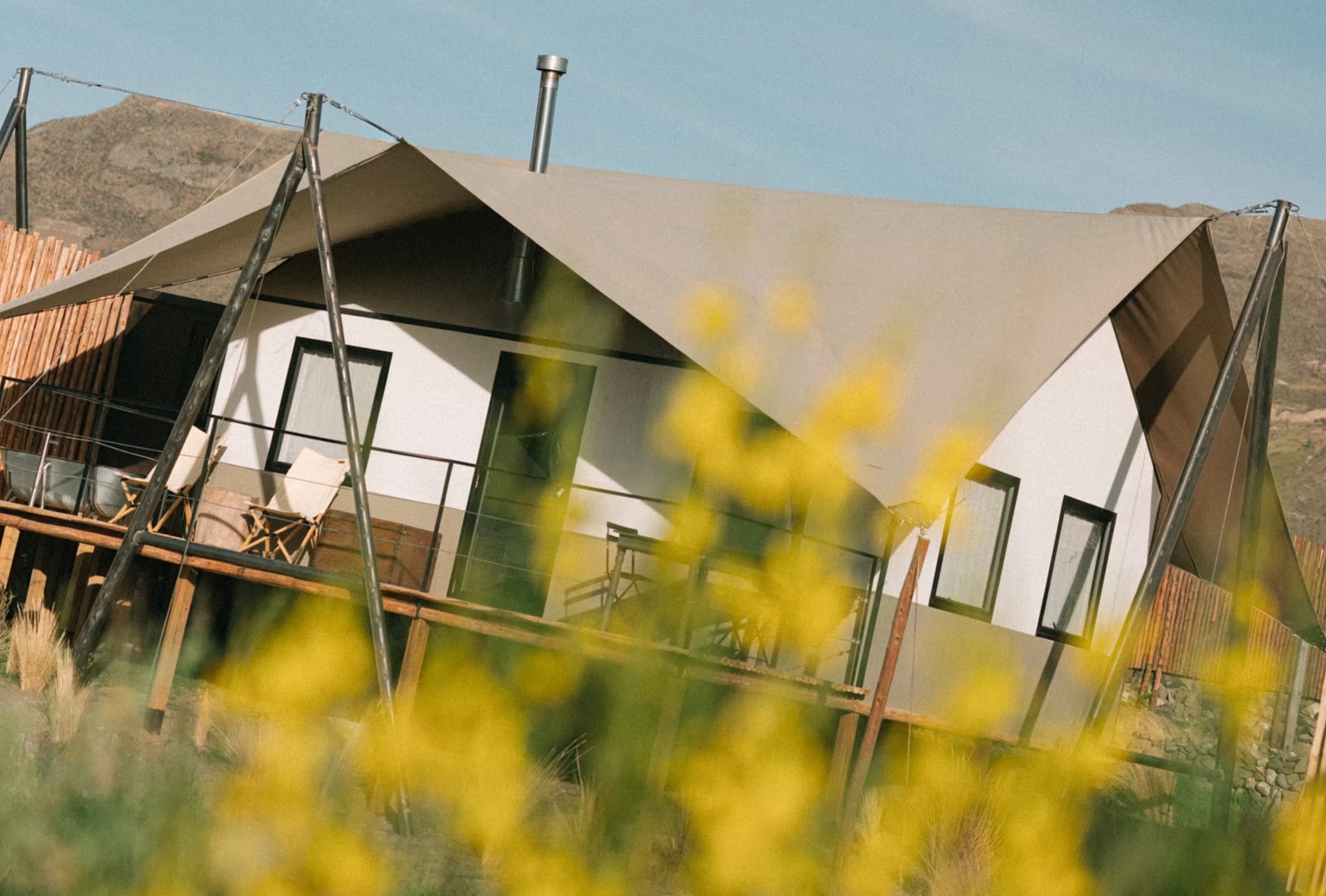
Ignacio Masías, the Peruvian hotelier who built this place, kept coming back to those images. The camp's four canvas tents are a direct response to them: not a reference, not a nod, but a genuine attempt to recreate that feeling of being an explorer sleeping in the field, waking up in a landscape that still has the capacity to surprise you.
Masías isn't new to this. He spent seven years at Inkaterra before founding Andean Experience Co. in 2006, and he has spent the two decades since planting small, serious properties in Peru's most overlooked corners — Lake Titicaca, a 16th-century monastery in Arequipa, and now here.
PUQIO is the newest piece in what he calls the Southern Travesía: a lodge-to-lodge circuit through southern Peru where you can check into CIRQA in Arequipa, move through the Colca Valley, and arrive at Titilaka on the Titicaca shore without ever feeling like a tourist passing through.
It's the structure of a Bhutan-style journey built entirely on Peruvian geography. The camp itself holds 8 rooms and a maximum of 16 guests.
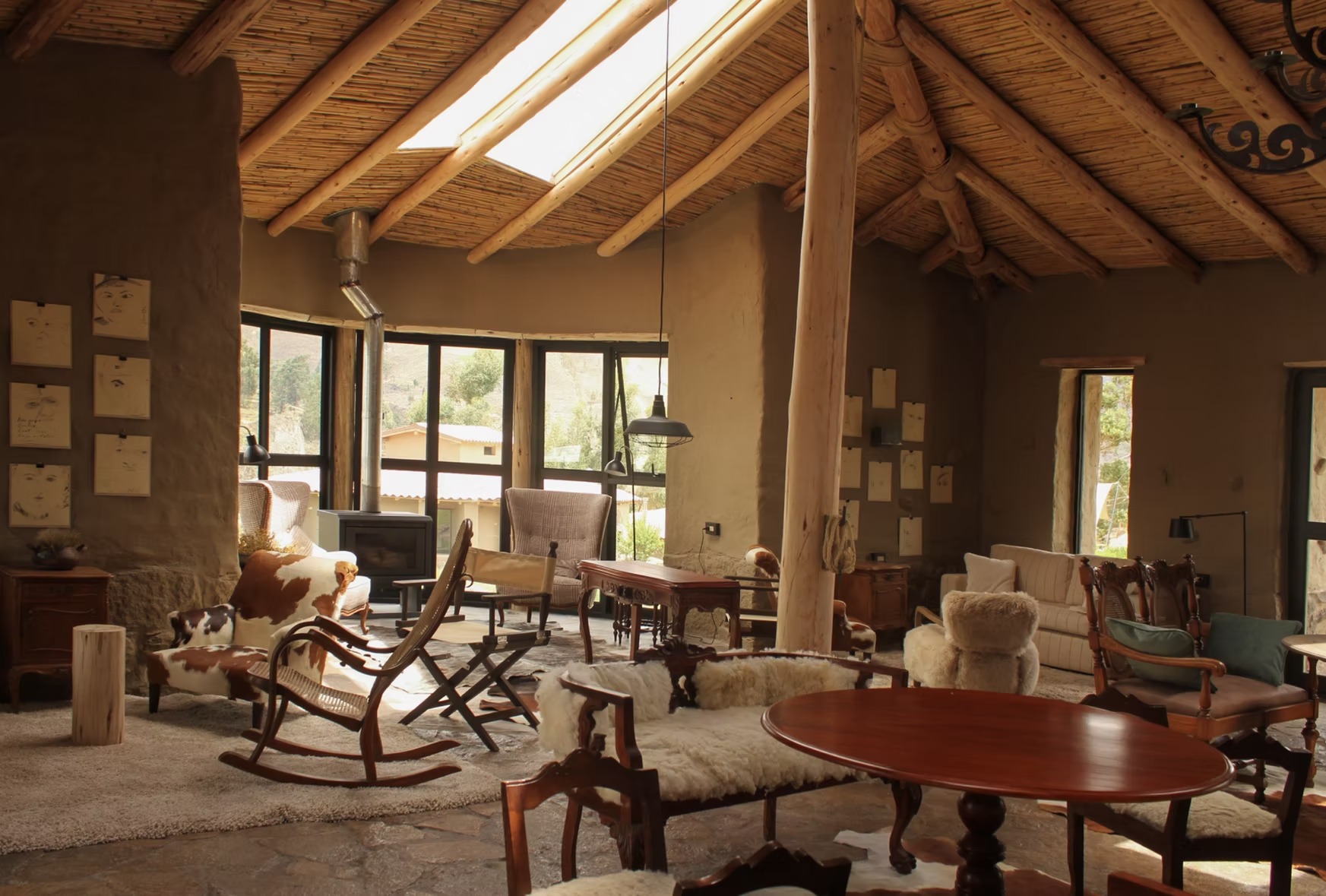
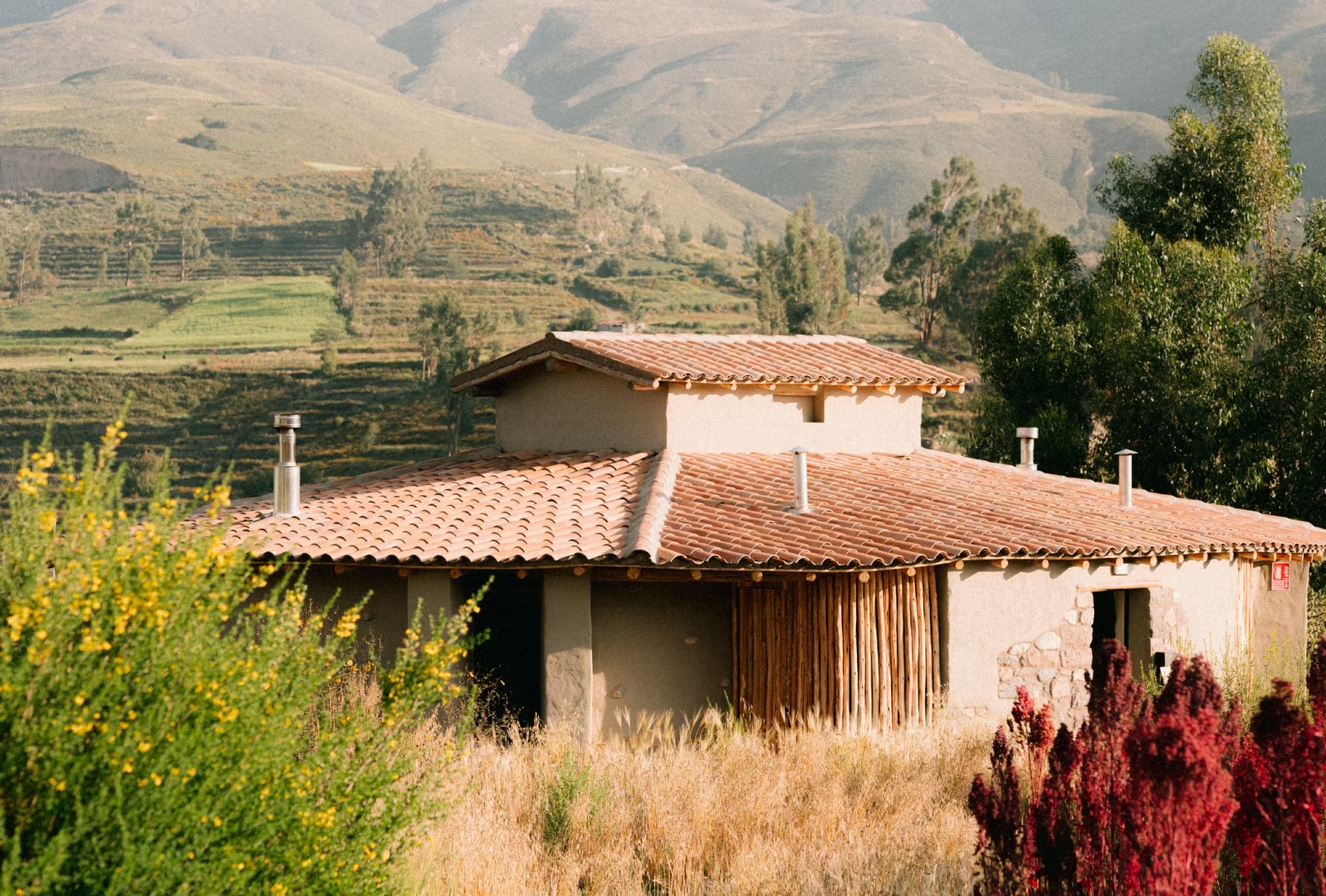
Four are adobe casitas — thick walls, wooden beams, freestanding bathtubs, terraces looking out over a canyon that runs twice as deep as the Grand Canyon.
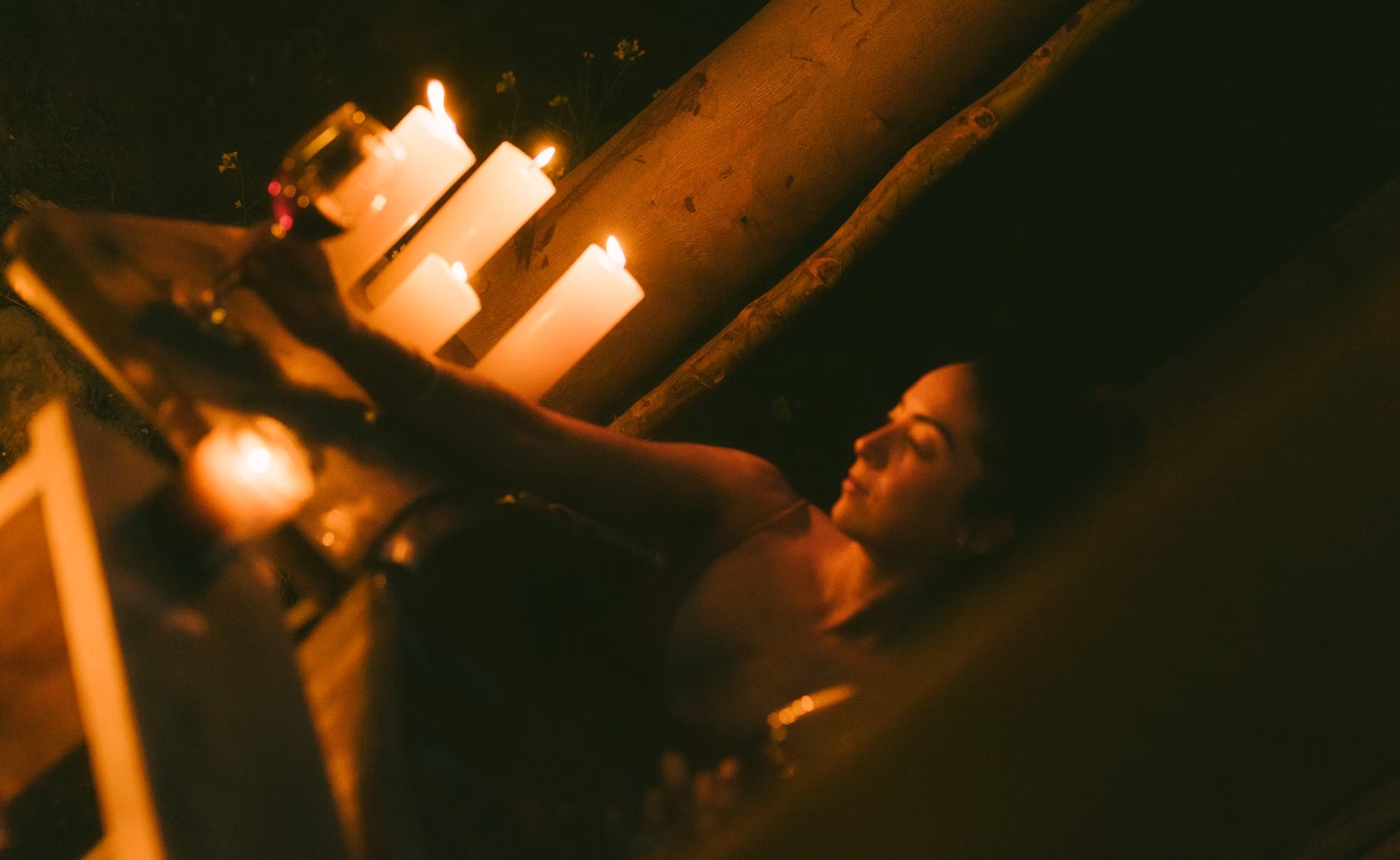
Four are canvas tents with outdoor soaking tubs and both indoor and outdoor showers.
All of it is all-inclusive: meals cooked in clay ovens over open flame, locally sourced ingredients, guided excursions into the valley each day. There's a hot tub on a lower terrace with sunset views. There's a yoga tent. But there's no pool, no gym, no spa. The valley is doing most of that work anyway.
The Colca Canyon is the best place on the continent to watch Andean condors in the wild, birds with wingspans stretching past 3 meters that ride the morning thermals at Cruz del Condor in numbers you won't find anywhere else.
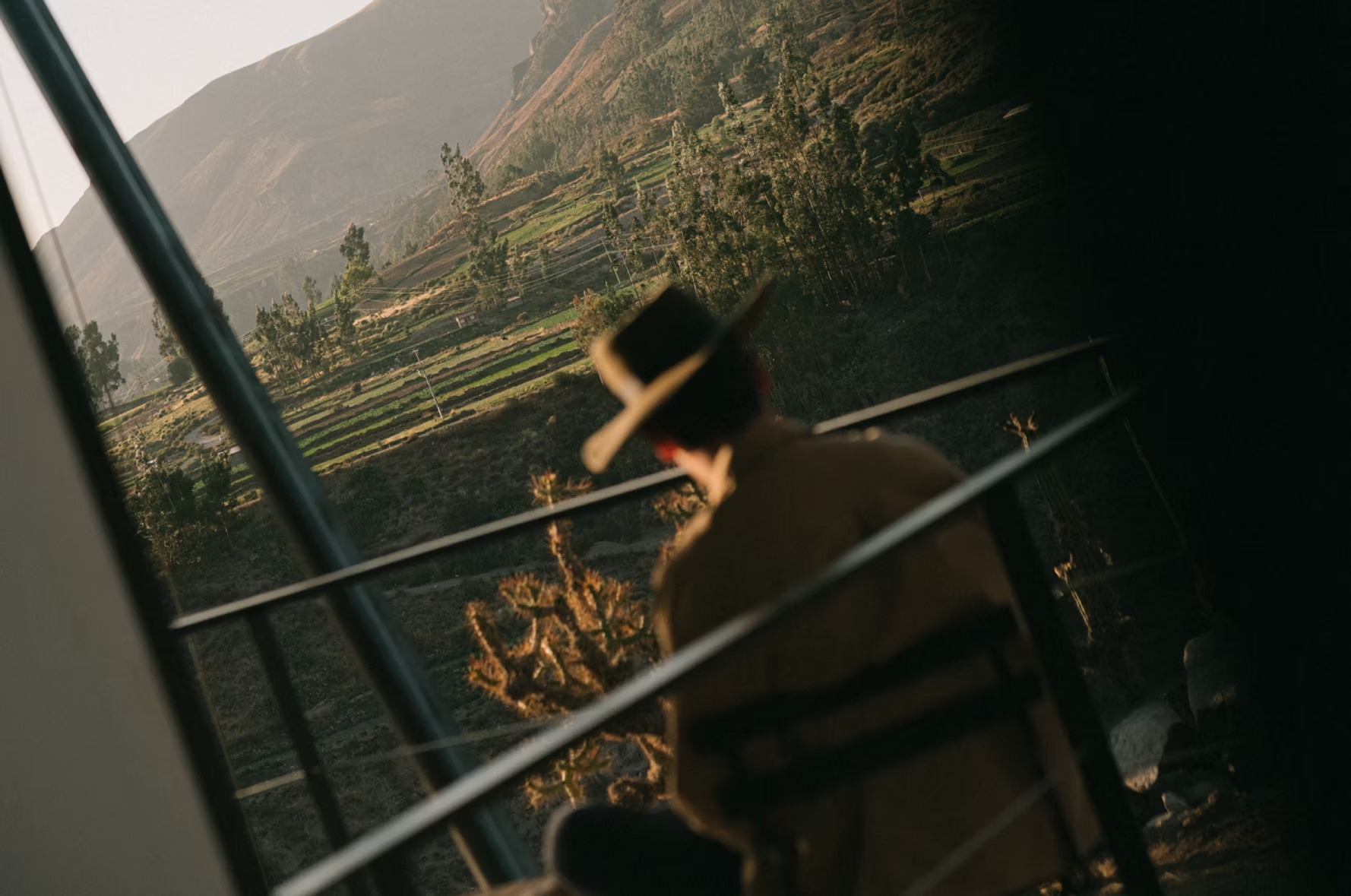
The surrounding valley holds pre-Inca terraces still being farmed today, archaeological sites, artisan weavers, and a quietness that most corners of Peru have long since traded away. PUQIO is located approximately 1.5 km from the town of Yanque in the Colca Valley, a 3-hour drive north of Arequipa. Rates are all-inclusive and inquiry-based.
Masías manifested from a single 90-year-old magazine photograph rather than a trend report or a competitor analysis. There's something instructive in that.
The places that last usually start from a genuine obsession with a place, not a market gap.
Hit reply if you've ever stayed somewhere that felt like it was built by someone who actually loved the place, rather than just identified the opportunity. I want to hear about it.
Best season is the dry Gold season, May through October.

