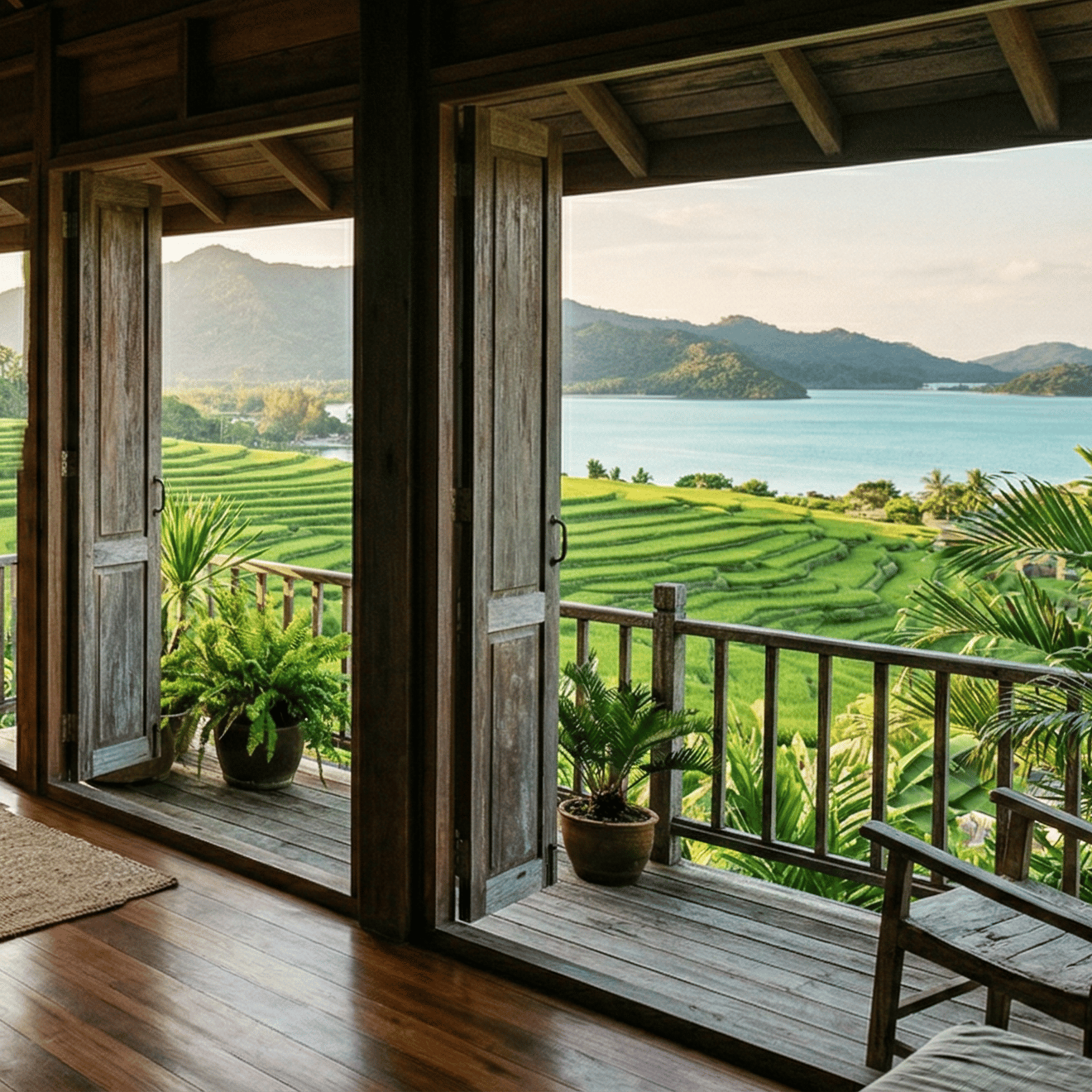
The architect who came home
The air wells in traditional Penang shophouses are open to the sky. Not decorative — functional, necessary, the way the building breathes. Stand beneath one and the light comes down in a column, shifting with the time of day, and you understand immediately that whoever built these knew something about how a person needs to live.
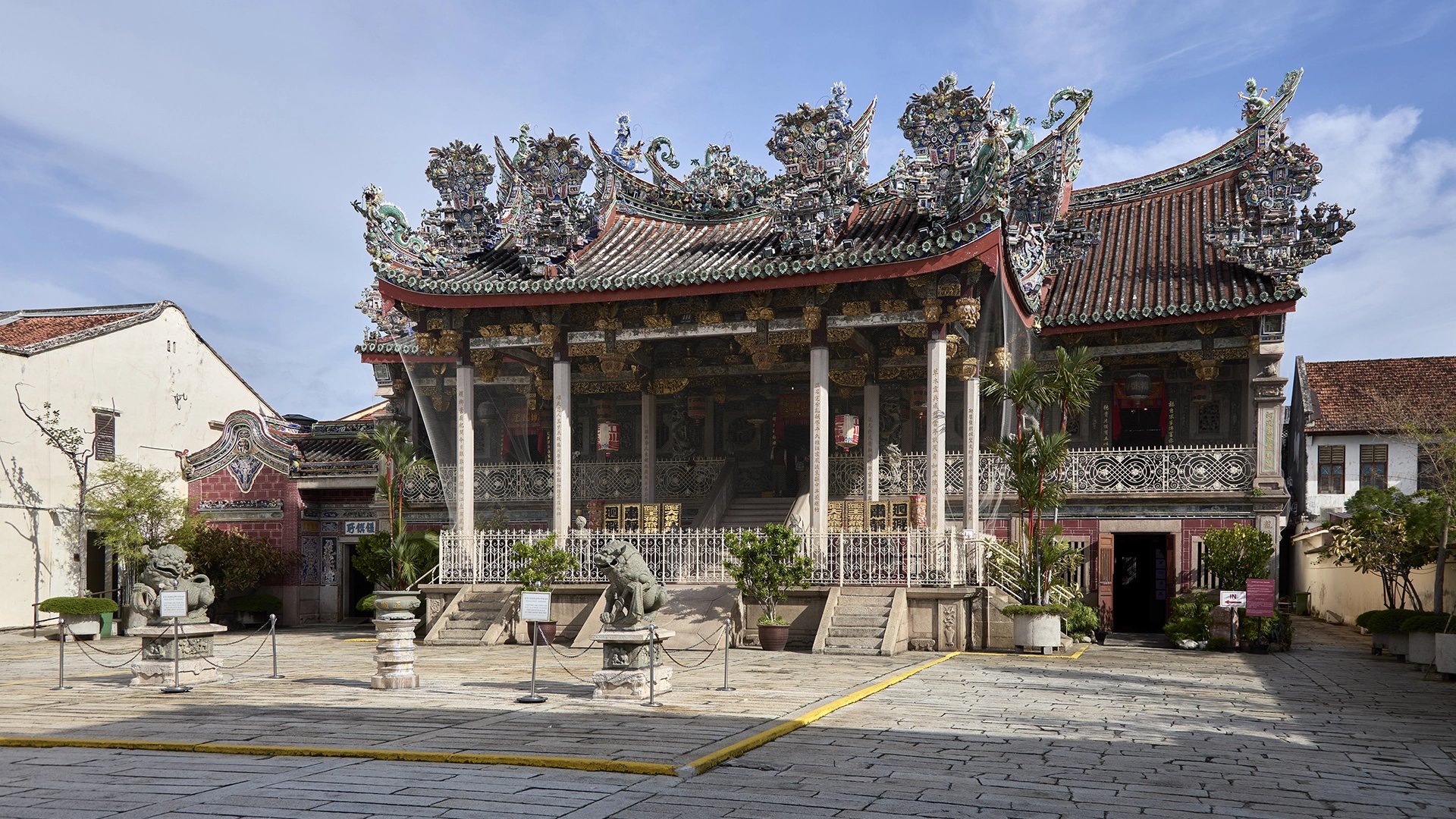
Soo K. Chan grew up beneath one of these. Born in 1962 in the Leong San Tong Khoo Kongsi compound in George Town — Malaysia's largest Hokkien clanhouse — his mother was a clan member, which meant the family had residence in the old shophouse rows.
He left at 18 to study in the United States, eventually earning a Master of Architecture from Yale. He founded SCDA Architects.
He built things across Asia and beyond, and he won Designer of the Year at Singapore's inaugural President's Design Award in 2006.
He did not come back for a long time. When he finally decided to, it took seven years of negotiations with the Khoo Kongsi Board of Trustees before they agreed.
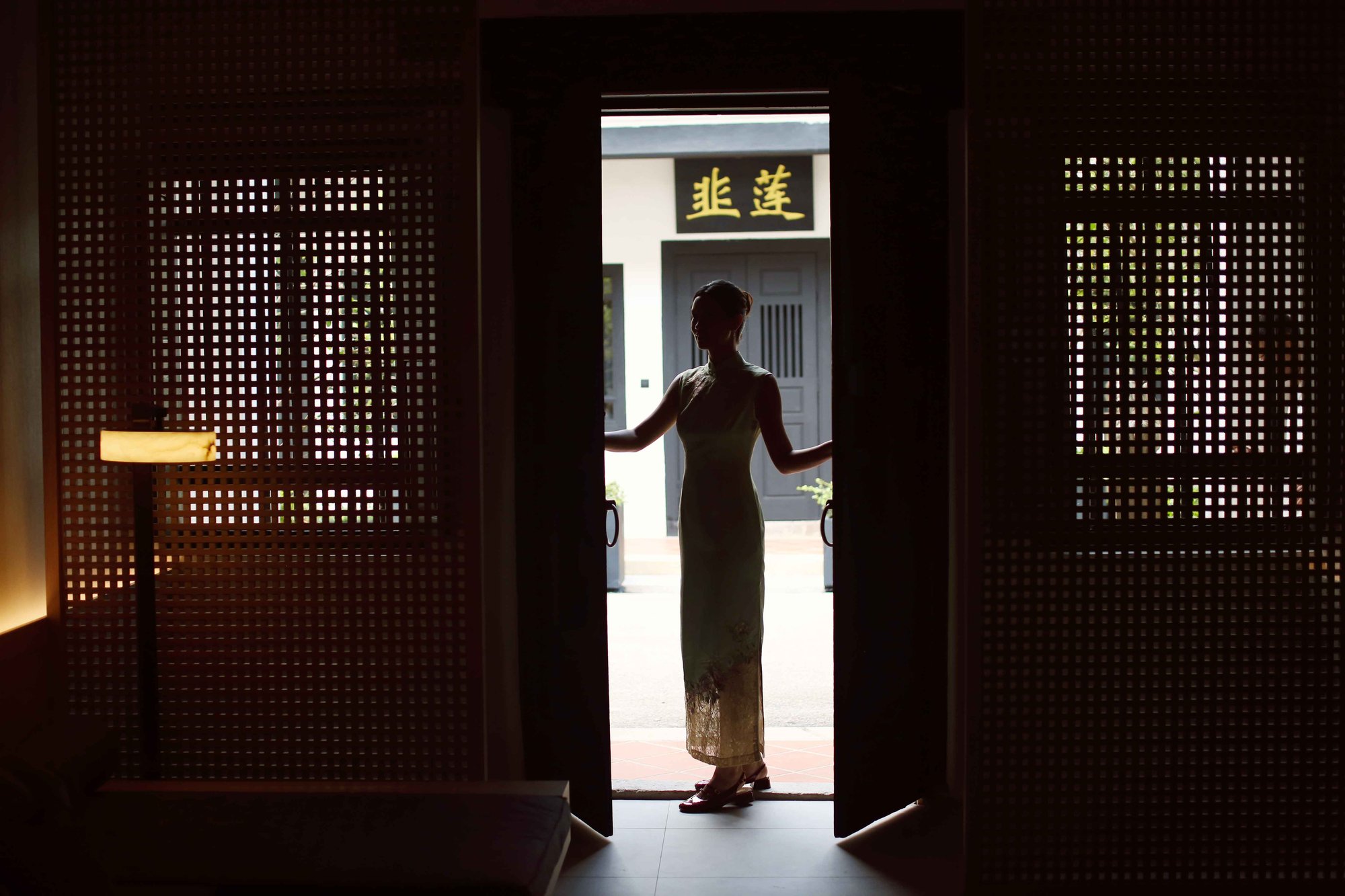
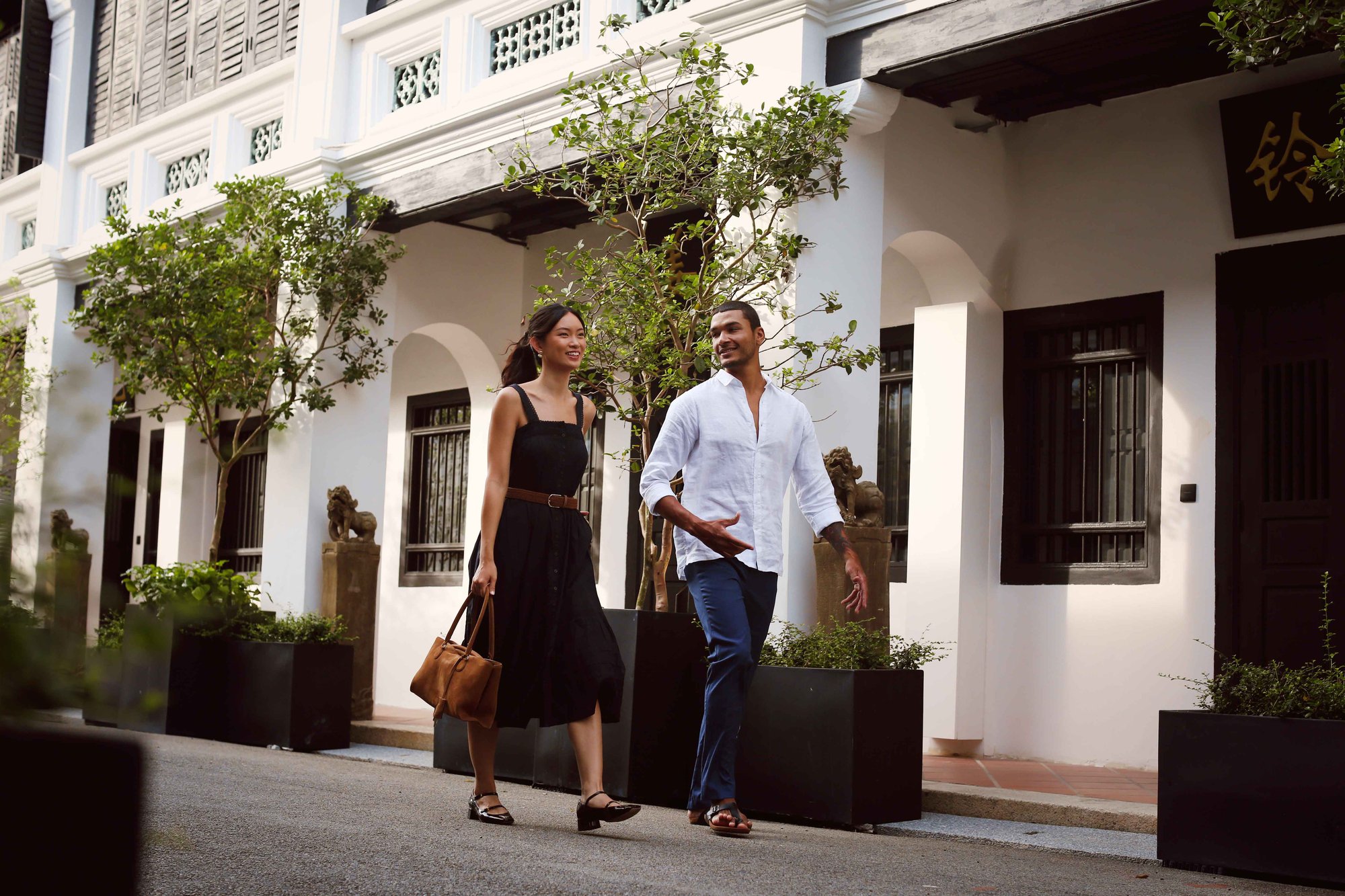
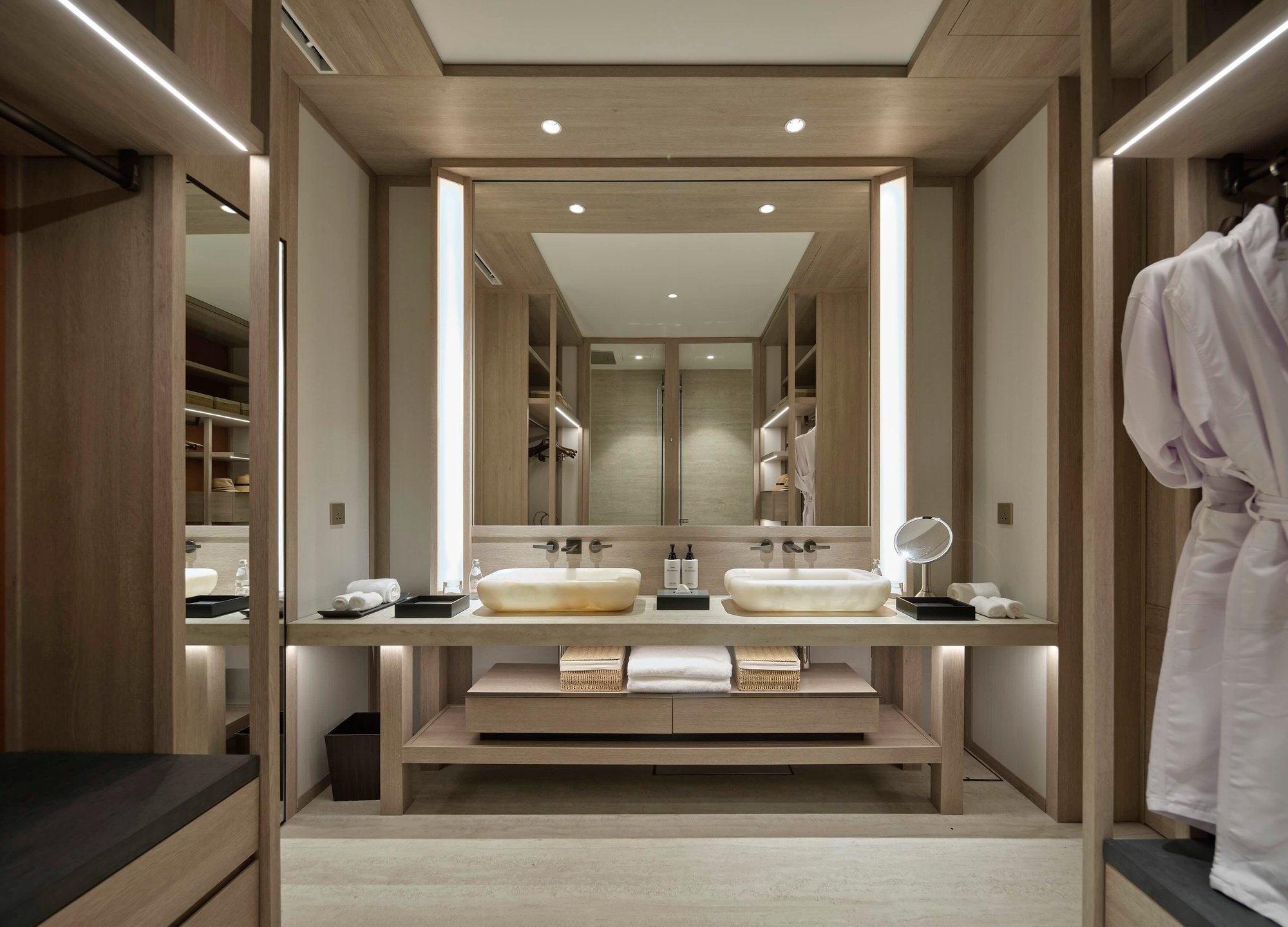
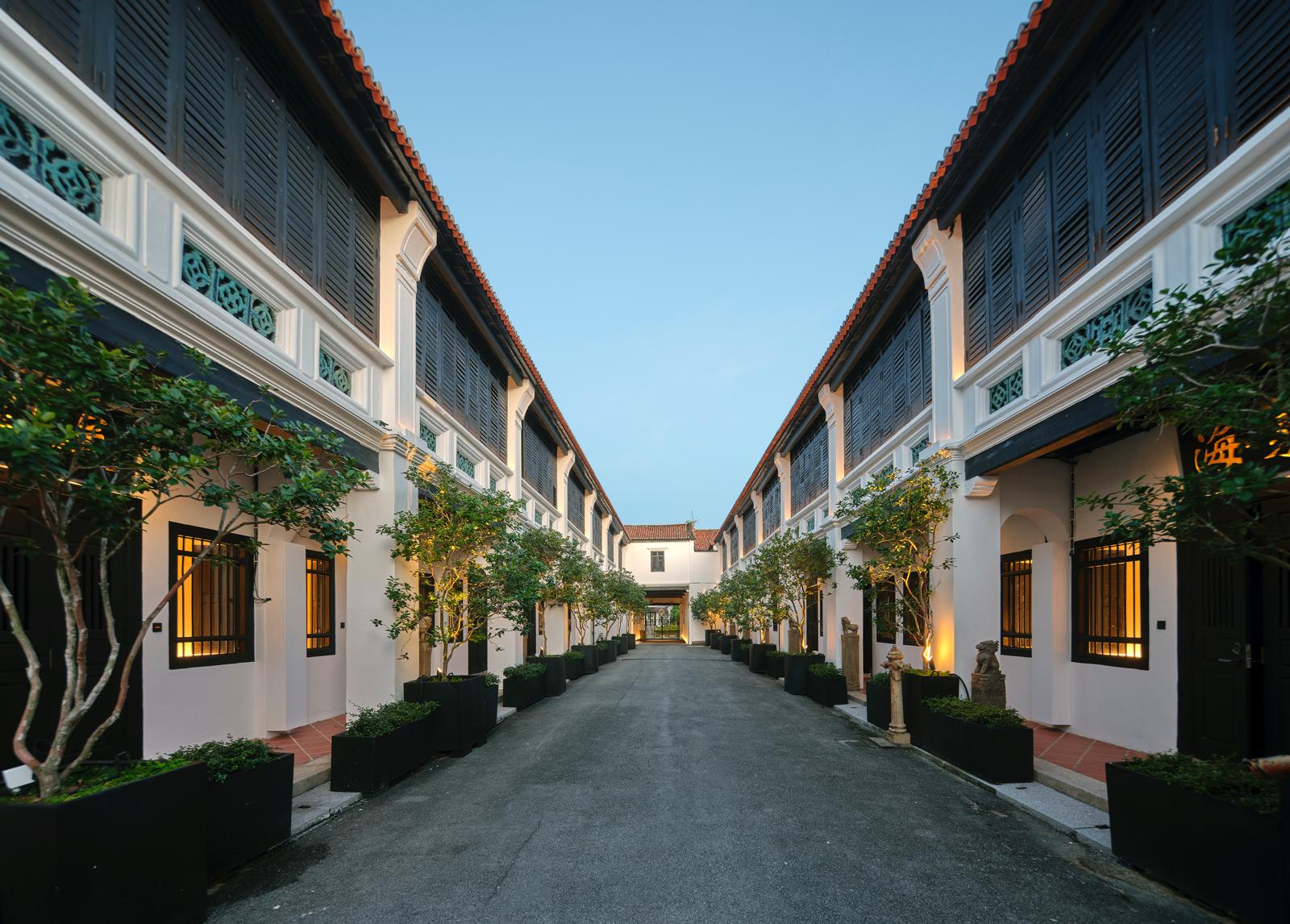
Soori Penang opened on 15 January 2026 — fifteen suites in restored heritage shophouses built circa 1906, on the lane where Chan's family lived. The bones are all still there: double wooden doors with ancient Chinese-style bolts, timber beams, tiled courtyards, and those air wells, now fitted with restored glazed covers that still let the light fall through.
The suites follow the traditional shophouse typology — long and narrow, 100 to 110 square metres — because Chan didn't want to fight the architecture. He wanted to finish what it started.
The references he worked into the design are personal in a way that you can feel but wouldn't necessarily know without the story. Stone fountains shaped like the rice grinders his aunties used in the kitchen. Circular stone windows modeled on the clan temple's geometry. Water features that evoke monsoon rain filling interior courtyards.
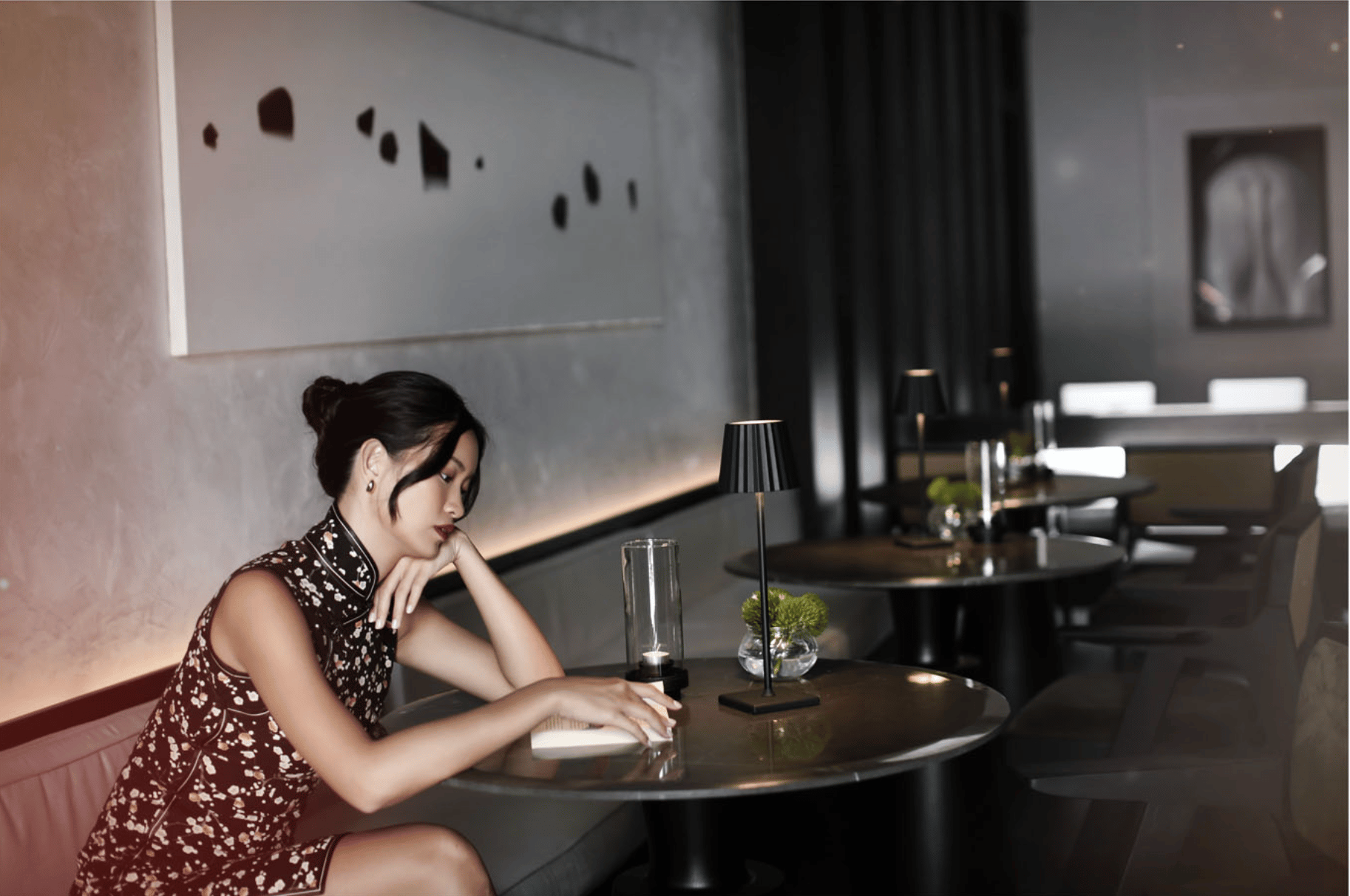
The compound the hotel sits within is not a preserved relic. The Khoo Kongsi temple — which burned in 1901, reportedly because locals believed something so magnificent could only be an imperial palace, and was rebuilt by 1906 — is still an active place of worship.
Weekly cultural performances happen on the traditional stage: Hokkien Chinese opera, bian lian face-changing, wayang kulit shadow puppetry. Hotel guests have exclusive access to the temple. They can also explore the surrounding neighbourhood by trishaw — custom chrome ones, built over the course of a year by a fourth-generation craftsman who may be the last traditional trishaw maker in Penang.
That last detail is the one I keep returning to. It cost a year of one person's craft to make two trishaws for a fifteen-room hotel. That's a particular kind of conviction about what a place should be.
TIME named it one of the world's greatest places two months after it opened.
Soori Penang is located at 48 Lebuh Aceh, George Town, Penang, Malaysia — within the UNESCO World Heritage Site. Rates start around US$725 per night. Member of The Leading Hotels of the World. Book directly at sooripenang.com.
I've been thinking lately about what it means to return somewhere with new eyes and enough skill to do something about what you see. Chan had both. The Khoo Kongsi Board eventually saw that too.
If you've ever been somewhere that felt like it had its maker built in to the walls — hit reply. I want to hear about it.

