He left Japan to figure out what Japan was worth
Shota grew up near this valley, where his neighbors grew tea for decades. Then he left for Mexico to do import/export.
He came back fluent in three languages and with a single conviction: Japan has no idea what it's sitting on.
My friend Gaston, who runs the Smorgasburg outdoor food market across the U.S., introduced me to Shota in 2024. We clicked. He's an incredibly ambitious man with a vision for what this valley can become. He is riding the matcha wave.
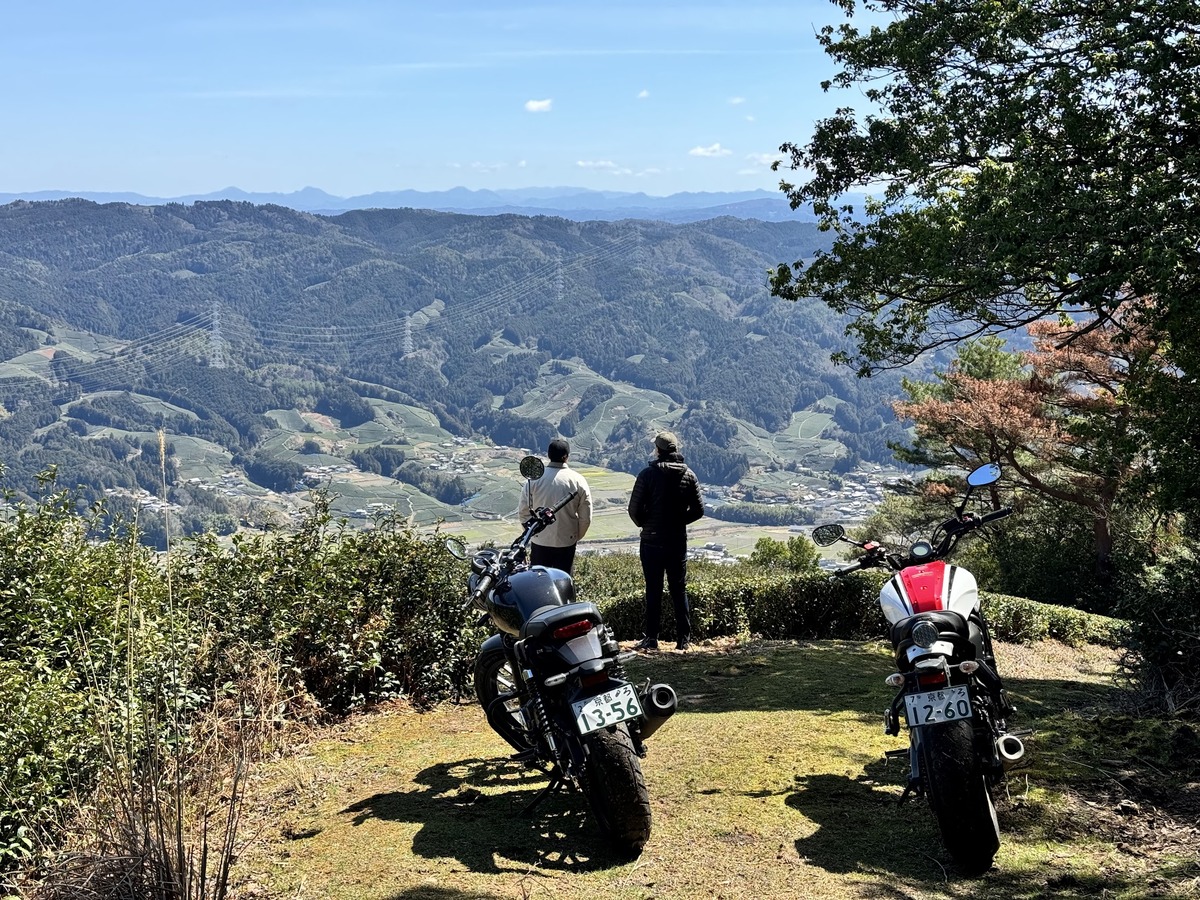
The valley Shota works in sits about an hour south of Kyoto, in the Wazuka district. About 300 farming families tend terraced hillsides that have grown tea for over 700 years, together producing roughly half of Kyoto Prefecture's Uji tea - one of Japan's most prestigious tea designations. Almost no international visitors know this place exists.
The day-night temperature swings in the Yamashiro Basin concentrate flavor in the leaves. Morning fog rises from the Wazuka River each day, shielding new shoots from direct sun. The valley was designated one of Japan's Most Beautiful Villages in 2013.
The tourists are an hour north, crowding Kyoto's temples. Almost none make it to this valley, since no trains reach it.
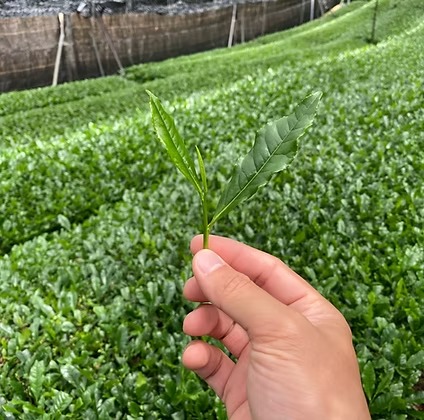
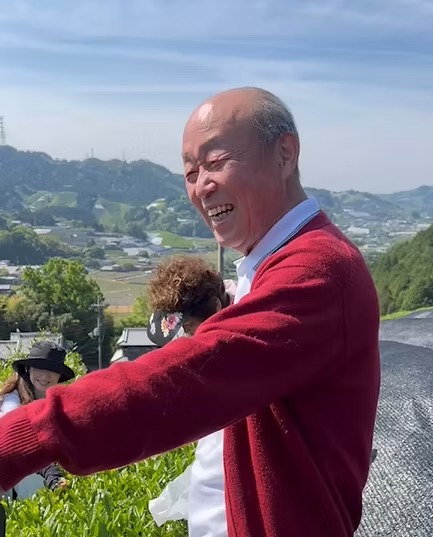
Shota runs tours now. Real working-farm access - the history, how the tea is grown, how the families live. He speaks fluent English and Spanish, which in rural Japan is genuinely rare, and he's warm and unhurried in a way that makes you want to ask him everything.
He introduced me to a family farm that's been growing tea for over 300 years.
In 1980, the 6th tea master, Masao Nakai, abandoned pesticides entirely, driven by health concerns about chemical exposure. His neighbors thought he'd lost his mind. The farm faced years of crop losses. He kept going.
The Nakai farm became among the first in Japan to earn JAS organic certification. Today they also hold USDA and EU credentials. Their finest matcha is submitted to auction for domestic Japanese tea houses - a mark of quality typically reserved for the country's top producers.
Michio Nakai, the 7th generation, carries it forward now.
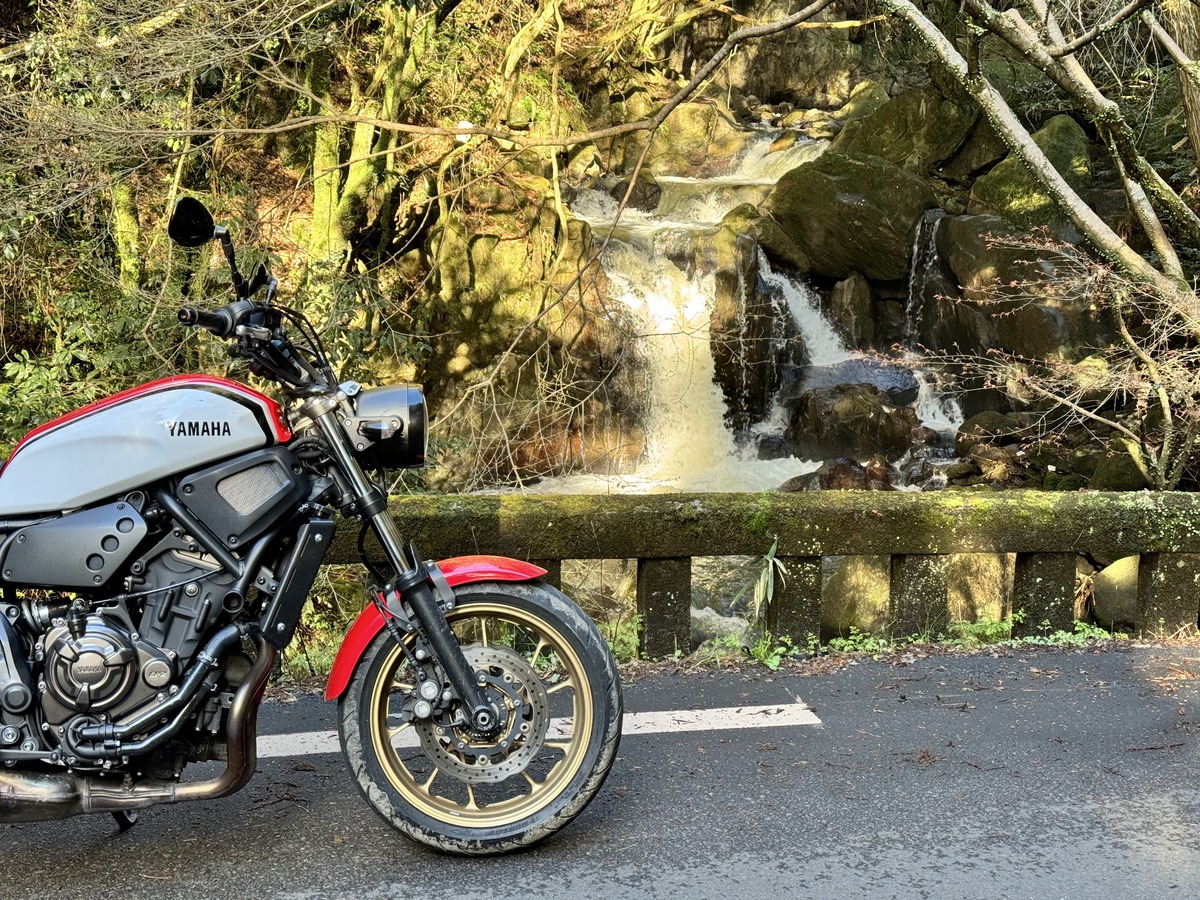
Getting here takes about 60 minutes from Kyoto Station by car. Or, if you're me, 30 minutes by motorcycle.
It's not complicated - but just enough friction to keep the crowds away. For now.
Shota is building something serious here. He's the kind of person who gets on a trend and rides it all the way up. He was on to the "green gold" of matcha before the world caught up. And he's still rising on that tide, bringing high quality matcha beyond Japan's shores.
Go to Wazuka while you can still meet him. Look up the Nakai Organic Tea Garden and take a tour with him.
Have you ever found a place that was clearly on the edge of being discovered? I'd love to hear about it. Hit reply.
Message Shota on Instagram
