Chateau d'Urtubie
The Count Still Greets Every Guest
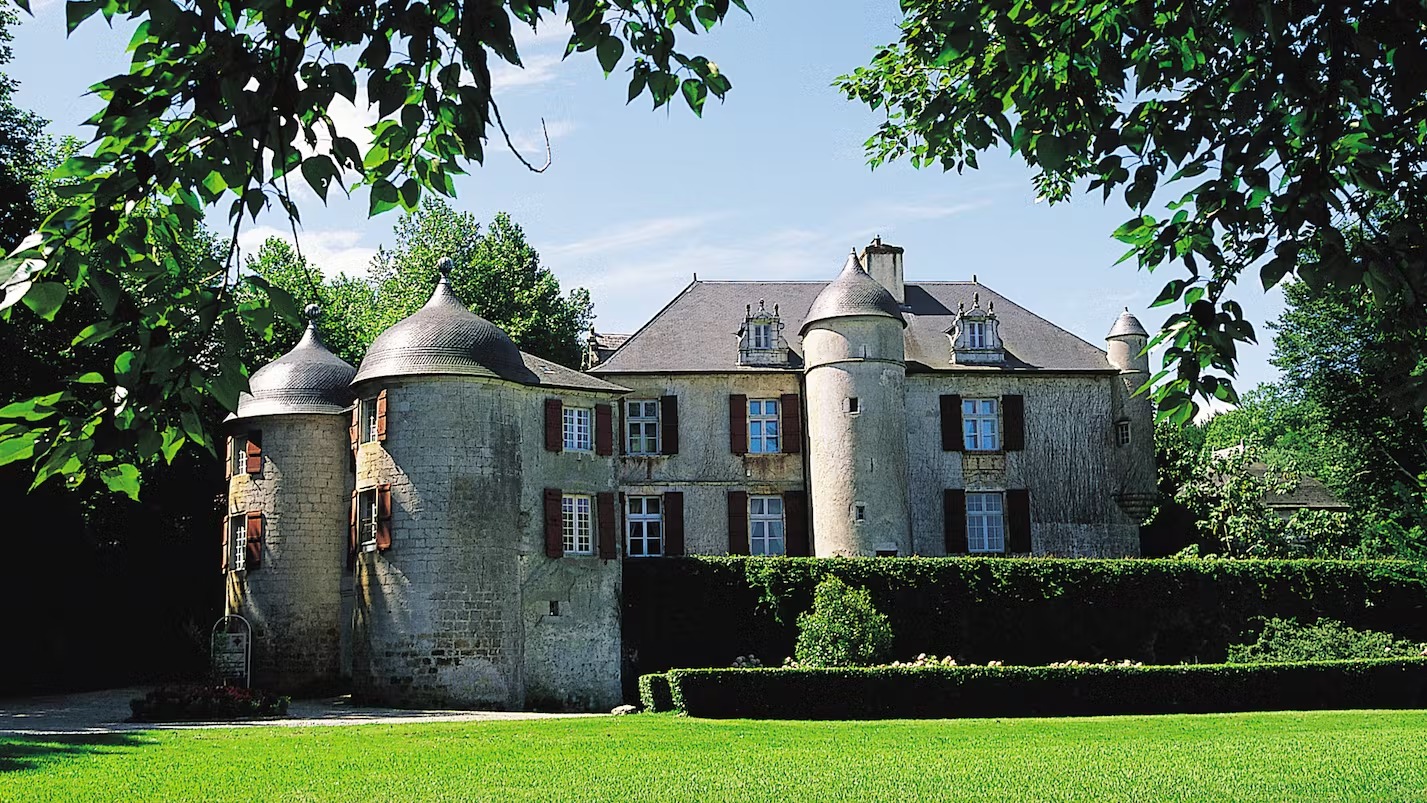
There's a detail about Château d'Urtubie that I keep returning to, and it's this: the man who built it did so in 1341, with written permission from Edward III of England. His descendant still lives there. And when you arrive as a guest, that descendant — Laurent de Coral, who holds the title of Count — comes out to meet you personally.
Not a manager. Not a front desk. The count.
The château has been in the same family for 24 generations, which is one of those facts that sounds impressive until you start doing the arithmetic and it becomes almost vertiginous. The founding ancestor, Martin de Tartas, built a fortified castle on this patch of Basque Country — right at the hinge point between France and Spain, a few kilometers from the sea, with the Pyrenees beginning to rise in the distance. His family has held it ever since.
Louis XI stayed here in 1463. He came to arbitrate a territorial dispute between the King of Castile and the King of Aragon, which is a reminder that this location has always meant something geopolitically. It's not in France proper and not in Spain. It's Basque Country, which belongs to both and neither, and whoever controlled this ground historically had something worth controlling. Louis XIV understood this too. He raised the estate to viscounty status in 1654, the same year the keep's roofline was redesigned to echo Versailles.
In 1813, Marshal Soult was stationed at the château during the Napoleonic Wars. When the tide shifted, the Duke of Wellington took his place. Opposing generals, same rooms, same view of the same mountains. The château absorbed all of it and kept going.
What Laurent de Coral has built around this inheritance is something I find genuinely thoughtful. He's not simply opened a historic house and waited for travelers to find it. He's created an ecosystem.
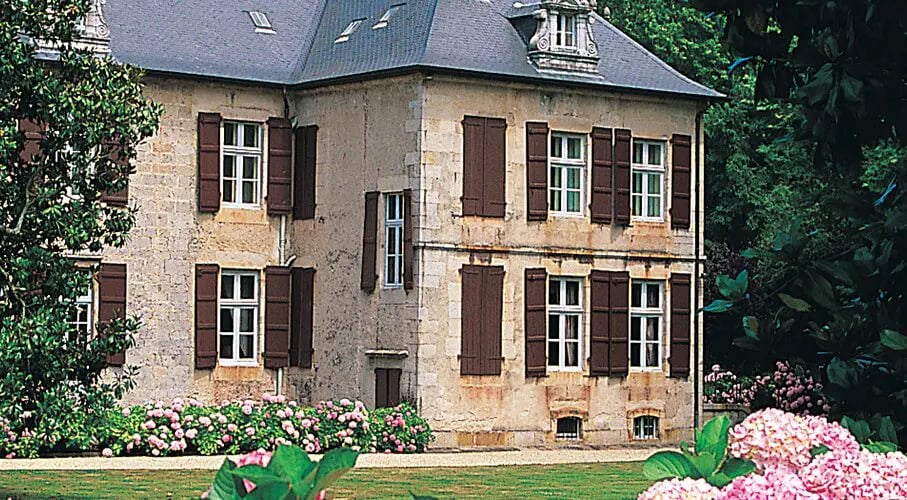
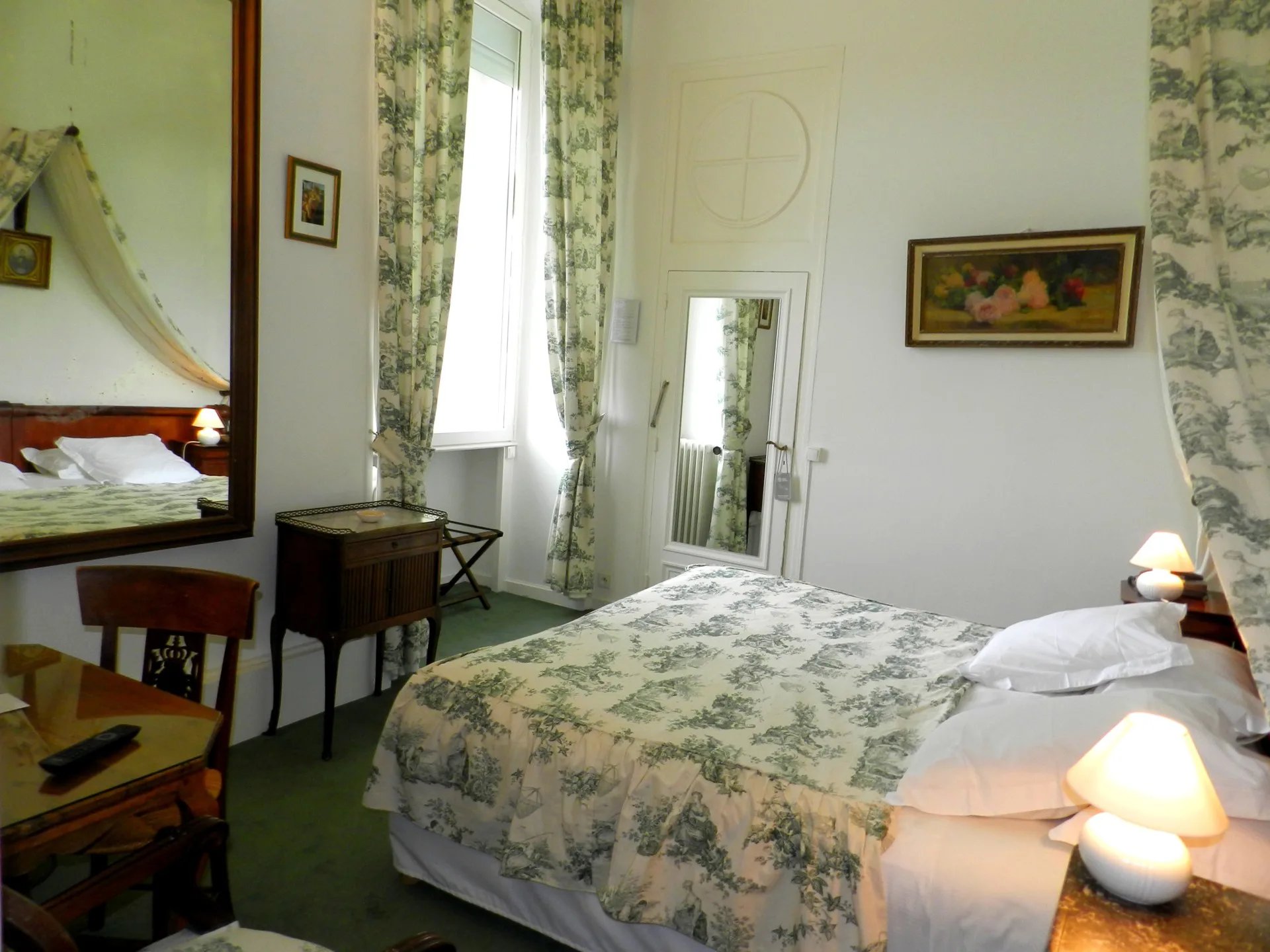
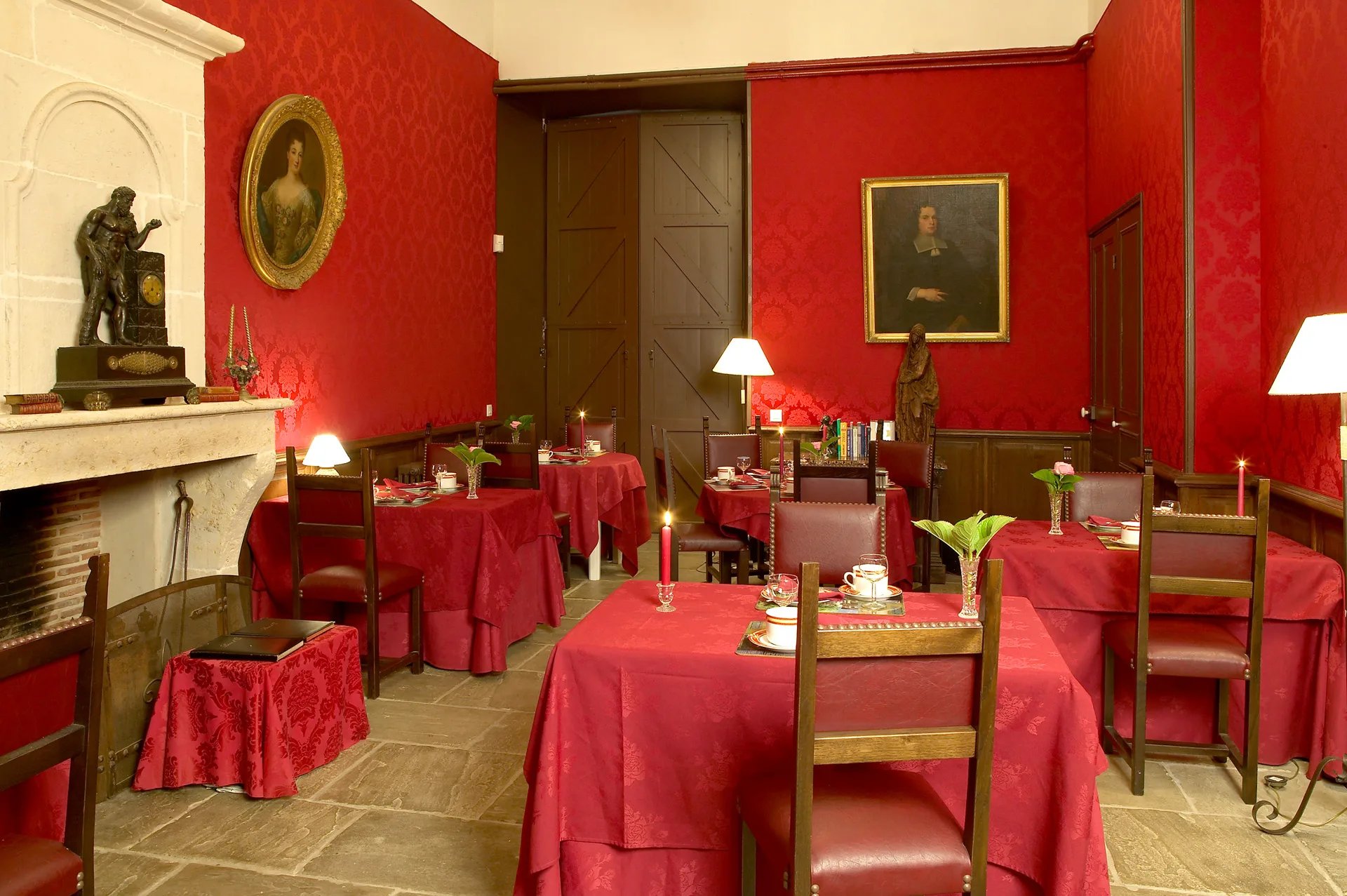
The hotel is 10 rooms, all in the oldest wing, furnished with actual 18th and 19th century pieces — not reproductions. Charm rooms tuck into the attic; Superior rooms open up to ceilings over 3.5 meters. There are Brussels and Aubusson tapestries in the main rooms. A 17th-century chapel and an 18th-century orangery sit in the 15-acre park. The orangery now houses an exhibition on Basque medicinal plants, which connects to a medieval herb garden — a Jardin des Simples — that Laurent has recreated on the grounds.
That herb garden, in turn, connects to DALZATE, a cosmetics line the family created using scented verbena: a plant Basque immigrants brought back from South America in the 19th century. Made with a French laboratory, the products show up in your bathroom without any fanfare. You notice them, you ask about them, and suddenly you're getting a lesson in Basque botanical history.
The castle runs smartphone audio tours in 11 languages, including Basque, Japanese, and Chinese. There are two escape games on-site, one set in the old kitchen. A family treasure hunt through the park. Medieval Days events in season. His brother runs a Michelin-approved restaurant 500 meters down the road.
None of this feels assembled or branded. It feels like someone who loves his home and has figured out how to share it sustainably, across multiple audiences, without any single layer overwhelming the others.
Laurent also gives the castle tours himself, working through centuries of family anecdotes with what every reviewer describes as genuine warmth. The staff score on Booking.com is 9.9 out of 10. When the owner is the host, that tends to happen.
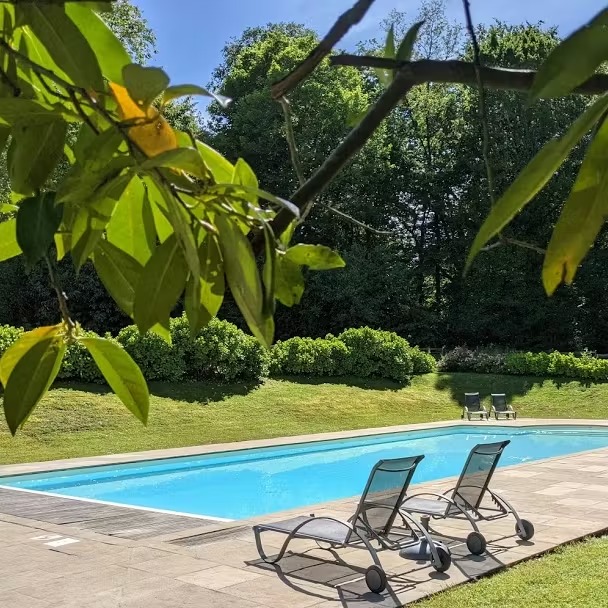
The setting matters too. Château d'Urtubie sits on the D810, 3 km from the center of Saint-Jean-de-Luz, 15 km from Biarritz, and about 20 km from San Sebastián across the Spanish border. The beach at Socoa is 3 km away. It's a quiet, unhurried base for exploring both sides of the Basque Country, which is one of the most underrated food and culture regions in Europe by most reckonings.
Rooms run from €105 to €175 per night depending on category. Breakfast is €12 to €13.50. For what you're getting — a classified Historic Monument, a working 14th-century château, and a host who will personally walk you through 700 years of family history — it reads as remarkably straightforward pricing.
One important note: the hotel is currently closed for renovations and reopens June 20, 2026. Castle tours are running through the season in the meantime. If you're planning a Basque Country trip for summer 2026 or later, this is worth putting on the list now.
Château d'Urtubie, Urrugne, Basque Country, France. Book through their official site or via Esprit de France: chateaudurtubie.fr

