Finally, A Real Austin Novel
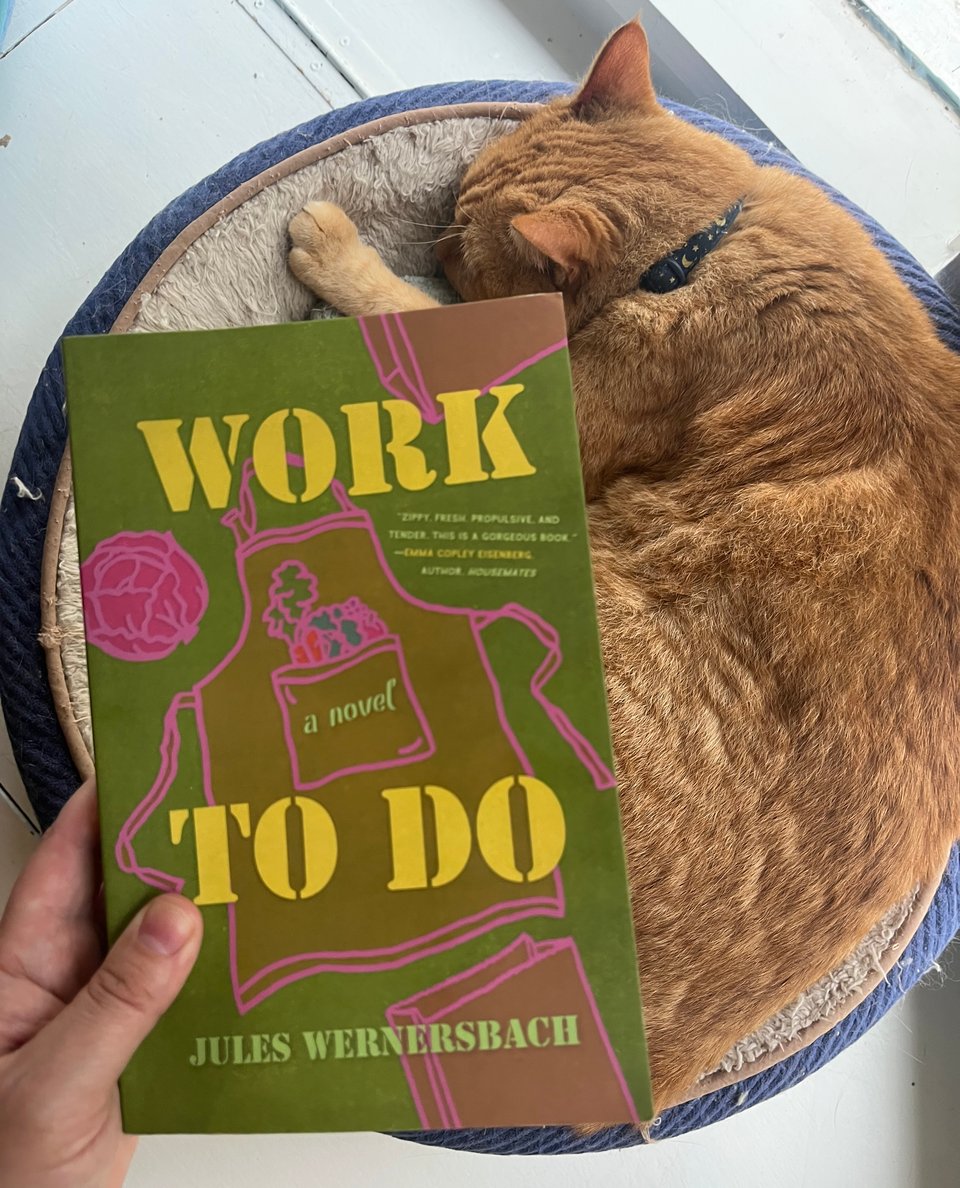
Before last summer, I had only read short stories set in Austin. I love reading books set in places I know well, and there are few places I know as well as I know Austin. Yet, it wasn’t until last year when I read an “Austin novel”. It often feels like a city missing a literary history, despite being home to one of the best creative writing programs in the country and having such active literary and bookstore scenes.
But something is shifting. Writers who live here are writing fiction about here, and in 2025 and 2026, several books set in Austin have been published. I’ve read four of them since last summer, and the most recent is Work to Do by Jules Wernersbach. (Full disclosure, Jules is a friendly acquaintance.)
Of those four Austin books, Work to Do felt the most authentic and true to my experiences of Austin. It’s about the people working at a local organic grocery co-op, most definitely based on a beloved local business Austinites will easily recognize. The characters felt like people I know, perhaps because I’ve frequented said co-op for years and known people who’ve worked there. (Hi Sarah!)
All the action takes place over the course of one week when a major hurricane hits town. The store doesn’t close for the bad weather, and the workers announce their decision to unionize, much to the owner’s chagrin. The point-of-view shifts between the long-time owner, the floor manager, and one of the senior workers. They’re all messy queers with bad boundaries at work. They’re all so human. Each of them pissed me off, yet I also genuinely felt for each of them, too.
One of particularly brilliant aspect of this novel is the way these three misunderstand and make assumptions about each other. The workers resent the bosses for having more money and power, often assuming than they have more of both than they actually do. The bosses dismiss the workers’ valid and reasonable concerns, thinking they don’t understand the complexity behind unpopular decisions. I’ve certainly made such assumptions at my workplaces over the years, but I hadn’t ever read a book that so precisely captured that disconnect.
The other thing this novel gets exactly right is the precarity of retail workers in an expensive city, especially those working at beloved small businesses running on thin margins. I have enough friends in their 30s, 40s, even their 50s still struggling in these kinds of jobs. I hear about their financial challenges, and I worry about their housing and health because their jobs don’t provide enough. The character Randy, the senior worker and lead union organizer, felt like one of these friends. At one point in the novel, Randy’s housing situation is so unstable that they’re considering pitching a tent at Town Lake for a few months. It gave me palpable anxiety because it felt like something that could actually happen to someone I love.
If I had any quibbles, it’s that everything kind of works out in a way that I didn’t quite believe, and I wish I had that kind of reassurance for my friends, my favorite businesses, and this city. Rents and housing costs are down in Austin. Fewer people are moving here. Workers are unionizing more, even though Texas makes it difficult. I see signs of hope, and Work to Do is a pretty great reminder of what I love about Austin and why the people here are worth fighting for.

