Beings and Braces
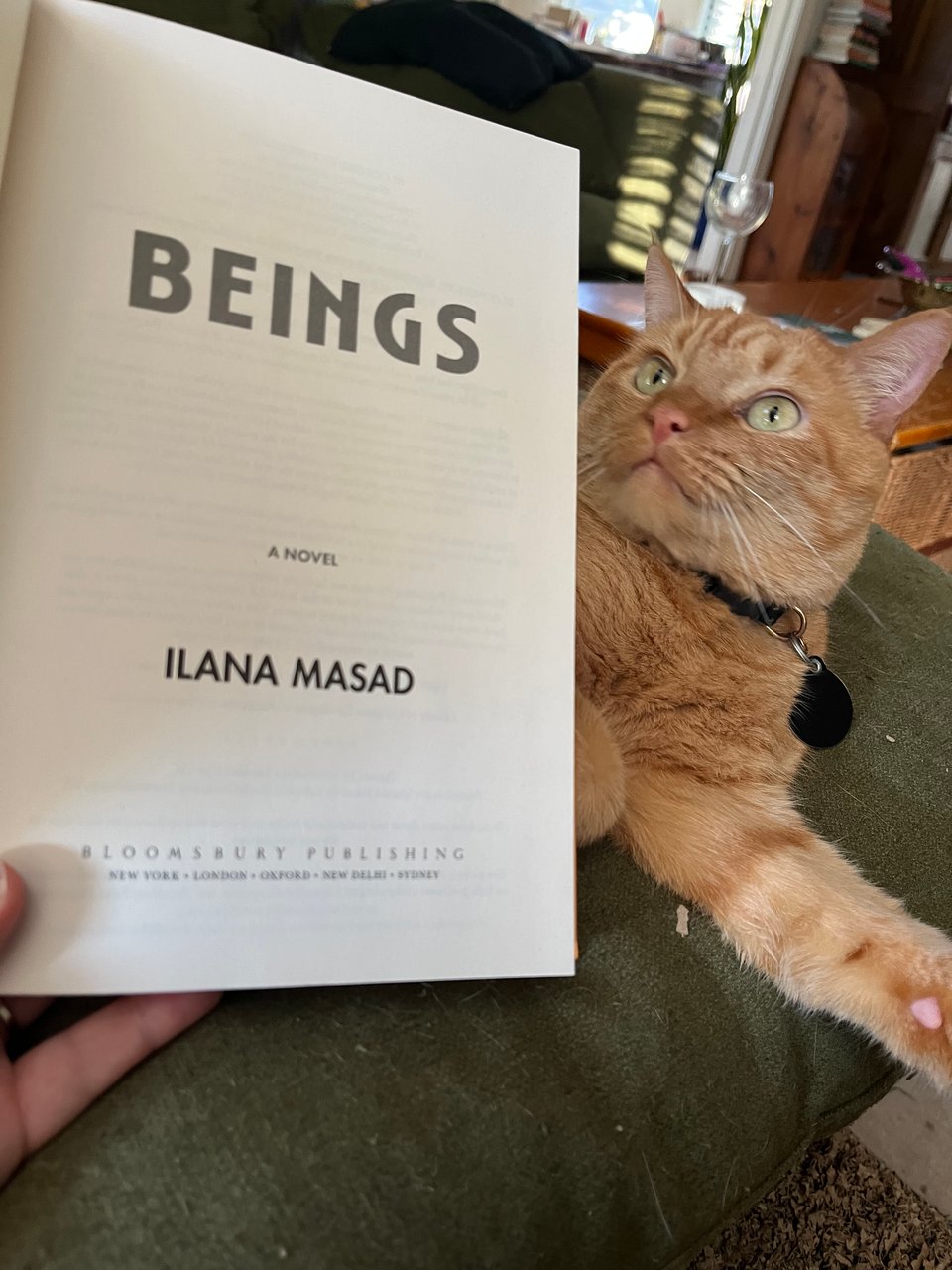
Beings by Ilana Masad is a book about alien abductions that isn’t about aliens at all. Rather, Beings is about memory: how much we can trust our individual memories and what, if anything, we can really know about the past from public memory, via archives, video, and other media.
The novel has three intersecting narratives: 1) a fictionalization of Barney and Betty Hill (who are never named in their narration) 2) a lesbian Science Fiction writer in her 20s in 1960s Boston and 3) The Archivist, living “now” who discovers the other two narratives in the course of their work.
The Archivist, who also remains unnamed and uses they/them pronouns, works in the “Queer Writers Archive,” a fictional institution based on the One Archives, just set in New England. Many elements of The Archivist’s work rang true to my experiences working in cultural heritage institutions. The tedium, low pay, and lack of respect librarians and archivists tolerate in exchange for the rewarding aspects of the job are quite accurate. Yet, I struggled to identify with this character. They felt blank, like they weren’t a fully formed person. They voluntarily work long hours and have zero social life. They’re depicted as extremely guarded and introverted, a stereotype of the profession that I find tired and inaccurate.
The other two narratives were much more interesting, especially the one about Phyllis, the sci-fi writer. I could have devoured an entire 300 pages just about a young lesbian figuring out her life in the 60s, while she tries to hack it writing sci-fi. She was fun and lively and interesting in ways The Archivist was not.
The narrative about the Hills was also immersive and fascinating. Barney and Betty Hill claimed to be abducted in the 1960s, and many of our cultural tropes and stereotypes about alien abduction come from their accounts. Beings is kind and fair to them and explores the inner, psychological impacts of having a paranormal experience and trying to explain it to others who are largely skeptical. I appreciated the empathy and curiosity brought to their story.
Beings doesn’t fully resolve any of these three stories. The ending tries to tie them together in a satisfying way, but it didn’t quite land for me. Still, I very much enjoyed this novel. Masad asks some interesting questions and has lovely prose. I will gladly read whatever she releases next, and I have added her earlier book All My Mother’s Lovers to my TBR.
In other news, I am listening to the audiobook of Lindy West’s new memoir Adult Braces. If we share similar corners of the internet, you have likely seen The Discourse around this book. I don’t know that I need to have a take. Much has already been said on social media and a thousand Substacks.
But I will say this: I am remembering how much I love Lindy West’s writing, and I’m enjoying her new one so far. I, too, am in the midst of adult orthodontia, and I found that part of the book relatable and funny. As for the rest about West’s marriage and mental issues, I don’t need to weigh in. Give it a read or listen, and draw your own opinions! And if you have no idea what is going on with West and Adult Braces, you are blessed, my friend. Spare yourself!

