TEETH: As Hobbiton does to Croydon
Welcome, favoured adventure-folk, to the TEETH newsletter! This is a (mostly) weekly transmission about our explorations in the very secret land of Tabletop Roleplaying-Games.
What appears within this letter is written and compiled by veteran game critic and designer, Jim Rossignol, and former Mojang alumni and famed illustrator, Marsh Davies. Why not come and join us over on the TEETH Discord! Free tooth emojis for everyone!
Hello, you
Links
Marsh on his trip to Dublin
Hello, you.
If you are a backer of GOLD TEETH, or indeed a follower of either of us on Bluesky, you might have seen that we showed off some art from the book. Apologies, then, for doing so again! Because there are plenty of you on here who won't have seen it, I am certain.
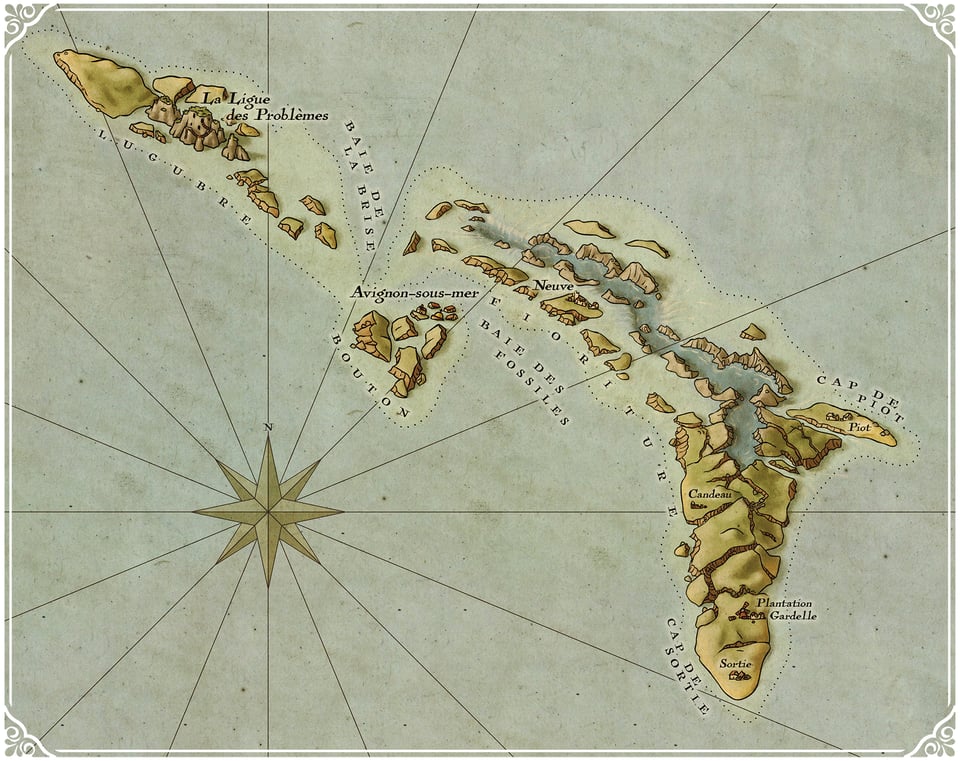
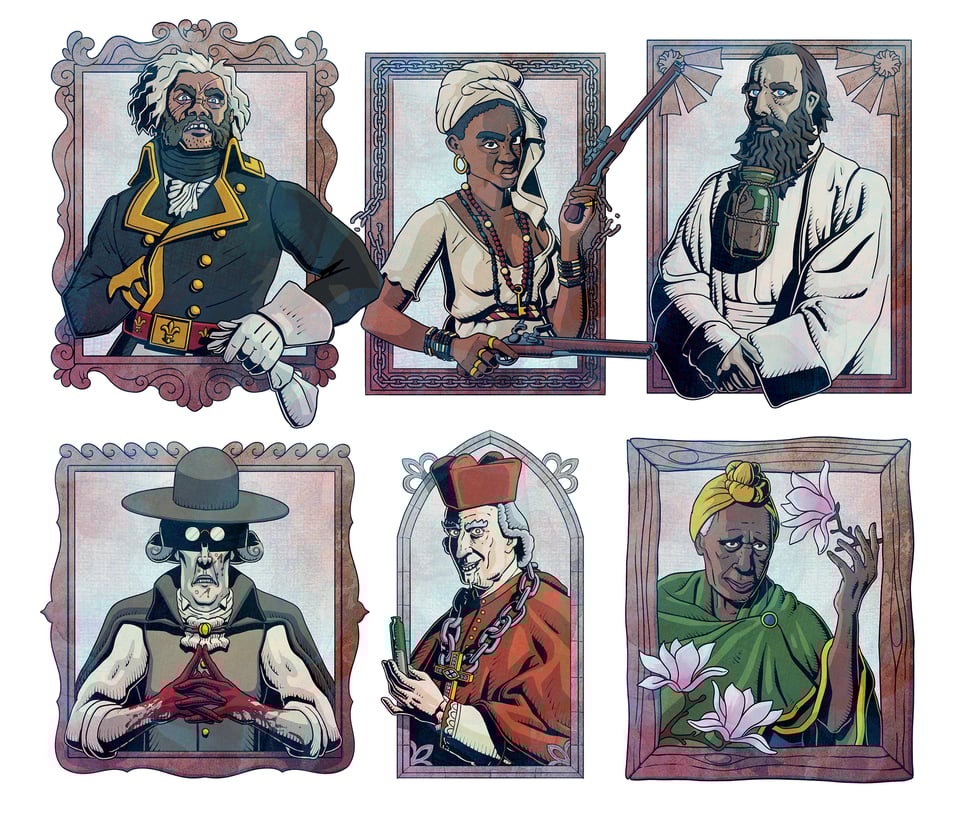
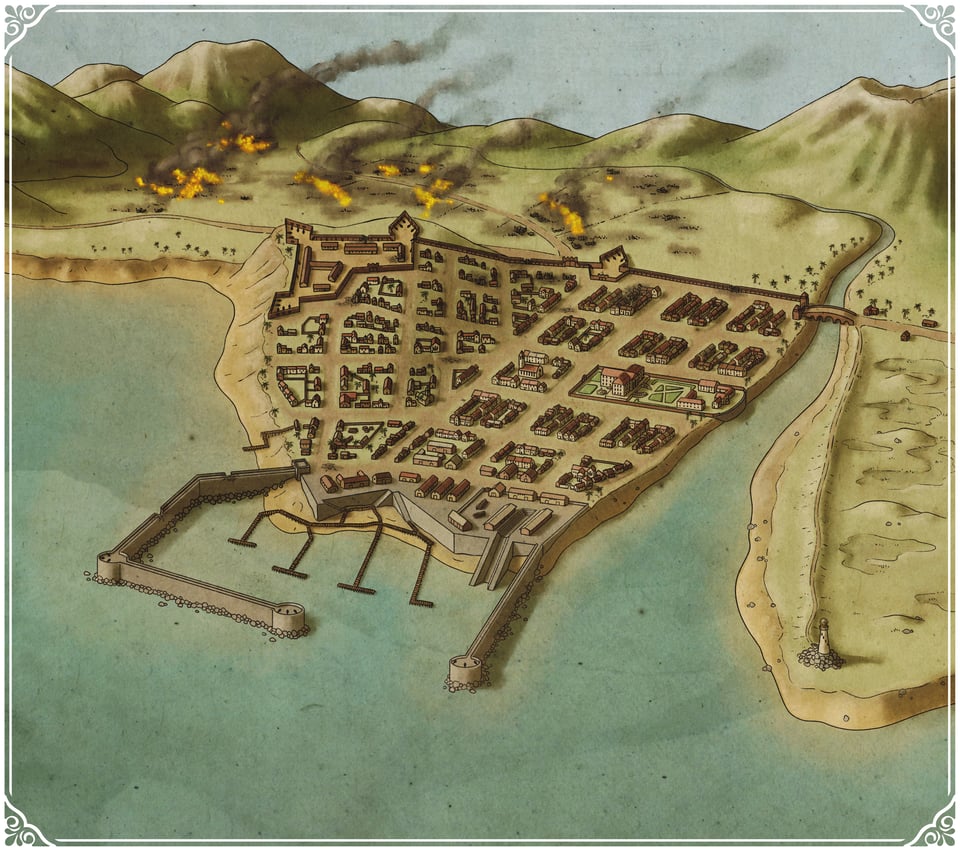
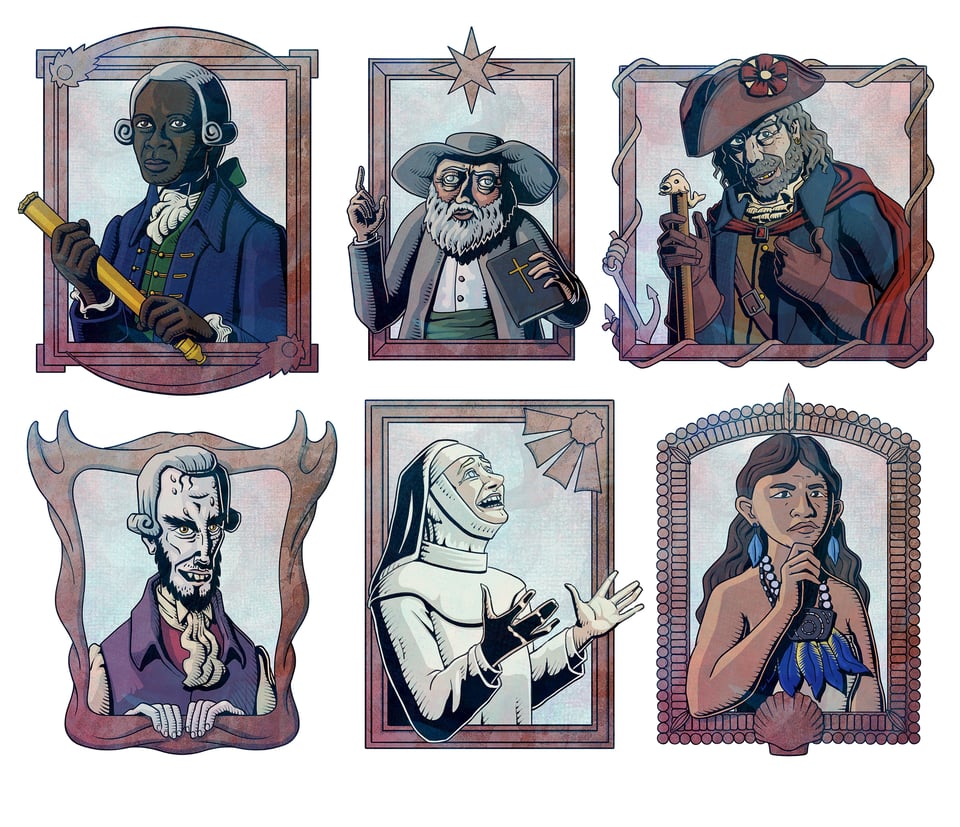
You can still pre-order GOLD TEETH. If you want to support our work, and this newsletter (which I have say is now costing us non-trivial money to run) then backing our books is the best way to do it. You get a book!
We're still working towards providing firm dates for printing and so forth, but there are still production and editing tasks to complete. We'll be letting backs know as soon as we know, so keep an eye on those updates if you're with the project.
—
In other news, we've been playing The One Ring and have a rare old time. The second edition of the big Tolkien game doesn't seem like our usual fare, what with being trad fantasy and a proper big campaign with adventures out of books, but we're having a blast. The system is excellent and we're particularly enjoying the elegance of the dice. Once we reach a half-way point of some kind
The inspiration for our playing The One Ring this year, as I have mentioned elsewhere, is the impending release (PDF already available) of Hands of the White Wizard, a sort of counterfictional take on the fall of Saruman, which allows your players to get involved. It's not a standalone campaign as such, but can certainly be woven into a long term game. The appeal for us of seeing the big man get corrupted at first-hand was really something and, after an introductory scene-setting in the wild north of Eriador, the hand are now on their way to Isengard. It's a meeting we're pretty excited about.
Can the group maintain their heroic poise? That will be one of the most interesting things to see: after almost a decade of playing scoundrels and literal pirates, it's something of a change. They've shot down a couple of distinctly unheroic plans that would have been just the thing for our Blades or TEETH campaigns, so maybe we're seeing a blossoming of something a little more philanthropic than our games normally manage.
Our essay this time is something a little unusual: Marsh visited Dublin, and his inner historian (who is a fellow who contributes a great deal to the TEETH books) had some feelings about what he saw. Read about that, below.
Love,
-Marsh & Jim
LINKS!
THING OF THE WEEK: Regular readers can probably predict that the thing we're most excited about is the latest edition of Wyrd Science, issue 8, in which Jim has two articles. One an interview with Tamsin Caesar of Doomsong fame, and one an interview with Jon Harper of Blades in the Dark. As you can imagine, this was a big deal for us, since Mr Harper's work has been the basis of our interest in and engagement with the hobby since around 2017. Talking to him was a delight, and the article, which focuses on Deep Cuts but is fairly wide-ranging, was a pleasure to produce. Issue 8 of Wyrd Science really feels like a step further for the magazine, it's hitting a mature form now which firmly reiterates that it is the magazine we need and deserve. Don't miss out!
Another highlight from within our corner of the universe is the Kickstarter for DIE: Metadungeon, a history of RPGs-themed megadungeon for DIE, written by the estimable RPG veteran, Gareth Hanrahan. Comrade Gillen did an interview with the fellow to explain what the hell they are up to over on Old Men Running The World.
Speaking of our circle, and of The One Ring, a friend-of-TEETH is doing a 24-hour session of the game to raise money for Edinburgh Food Project, which provides emergency food parcels for people in need. Shocking that we have to do stuff like this, really, but such is the stupid world we have made. Go and help if you can!
For research this week Marsh was looking at the history of hats, for which this paper is a surprisingly unpleasant resource. "Hats as containers also featured in humorous and scatological tales. In one, a drunkard dons a hat in which his cat had shat, while the ‘Pleasant History’ of Hodge tells of a simpleton humiliated by a maidservant who claps on his head the hat in which she had just defecated. Early modern humour could be both crude and cruel. Such behaviour, moreover, was not confined to fiction; in 1747 a Wiltshire man admitted snatching a rival’s hat, pissing in it, and clapping it back on the victim’s head."
Getting Medieval in Dublin
I've been desperate to unload about two encounters with the medieval that I (Marsh!) had in Dublin's fair city at the start of this year, but social media was then full of death and horror and it seemed impolite to interject. So it has continued, and, thus, I must pollute our newsletter with my thoughts instead. Can I finagle some tangential connection to TTRPGs? Not really, but almost. Anyway!
I love Dublin! It's quite unlike other capitals I've visited—low-lying, and without ostentation, its downtown scurries off from the river Liffey into a mix of old cobbled streets muddled up with graceless 60s modernity. Chaotic as it may be, the architecture creates a sense of non-judgmental diversity, and you never quite know what you might find, casually tucked into its tightly-packed, low-rise skyline: tourist boozeries and office blocks even conceal the castle itself, for instance, with its awesome medieval tower (currently not available to visitors) and 17th century function rooms (currently available but, unfortunately, quite sterile and boring).
Yet more grand still is the campus of Trinity College, wherein is housed the Book of Kells, a 9th-century illuminated manuscript from Scotland, that survived viking raids, perilous sea journeys and an improbable number of fires. I've been meaning to see it for ages. Unfortunately, the exhibition is capital-D Dogshit. It's incoherently organised, partially explained and bafflingly meager in its display of the document itself, even in reproduction. It's then followed by the most catastrophically stupid but expensive "Experience" in a giant, custom-built bright red cube, with an offensively vacuous projected animation that has you swooping through clouds as fragments of the pages fly past. A voiceover intones fact-free bromides about an imagined Irish idyll that bears as much relationship to historical Ireland as Hobbiton does to Croydon. It is actually impressive how little it says. I don't think I've ever seen a historical work be so poorly served and even now, months later, I continue to fume at its waste of opportunity.
So, should you find yourself in Dublin: skip that.
However. Do NOT skip the free talk at St Mary's Abbey, or what remains of it. I confess, I didn't expect a lot from this small ruin, half-buried and stuck down a seedy alley around the block from our hotel—perhaps a faded plaque or two, a couple of words about cloisters, etc. The polite, unassuming guide spent the first five minutes discussing a stolen bicycle with the Garda. But then, this man, this hero, this legend, Ralph Smyth, launched into the most rivetingly delivered, deeply learned, evocative and inspiring lecture on the life and fate of this abbey. Four hundred years of history, connecting intimate everyday detail with the political machinations and metaphysical implications of conquest and faith. He even ended on a song, a beautiful bit of Latin liturgy that practically lifted the abbey back up out of the ground. There was a total of seven of us to witness this.
I think a lot about how we engage with history — Jim and I write books which contain a passing likeness of it, after all — and I find a lot of historical programming vastly underestimates or misunderstands what could excite people about the past. The Book of Kells did not need a 360 degree projection of swooping CG animations, it needed someone with enthusiasm and deep scholarship to draw together the strands that connect us to this past, and paint a picture of the world that created it in micro- and macrocosmic detail. But who? Who could unpack such complexity with energy and persuasive concision? You might find a surprising answer down a Dublin backstreet.
-Marsh
More soon! x
PLEASE SUPPORT OUR WORK!
Our writing, Marsh’s beautiful art: allow it all to continue by buying our games and backing our books. You get stuff and support this newsletter!
Add a comment: