
February Newsletter
What would Taino art look like now? · Free Phone/Tablet Wallpaper · Birbfest
In this newsletter:
What would Taino art look like now?
Borikén Mail Club
Posts you may have missed
Things I've been enjoying lately
Buiti/Buenas!
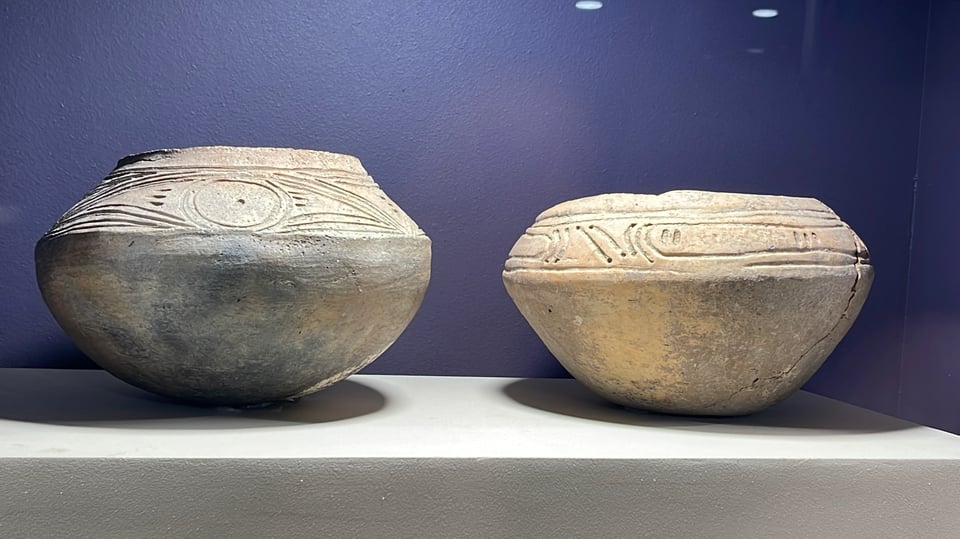
There are a myriad of useful ways to cope with the horrors that exist in the world. Some years ago in the midst of moving through some of my personal horrors, I figured out a way to cope with them that provided a well of strength and depth as well as a way for me to be able to show up for others: learning about my indigenous Taino ancestors and engaging with my indigeneity. Putting our history in more context, learning our language, studying our designs and symbols. Creating art from that well.
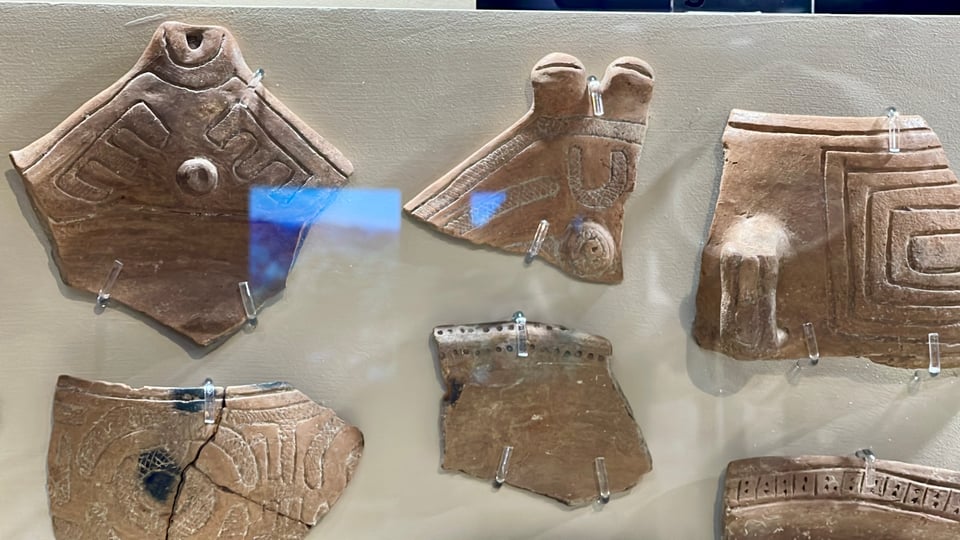
Sometimes I get caught in a thought when I'm studying Pre-Columbian Taino visual art and design- the symbols, petroglyphs, ceramics, jewelry, etc.- and the thought is,
What would Taino art look like now?
And I always have to remind myself that is the wrong question.
The articulation of that question actually is,
How would have Taino art evolved if we hadn't been interrupted by colonization and genocide?
Which is a valid question, one worth discussion about things like the nuances of our cultural continuity. But to me, it's still the wrong question.
Colonization & genocide happened. And Taino people continued existing. We protected ourselves en la patria in various ways. We migrated throughout the world out of necessity. And whether here or in the diaspora, we never stopped making art. Taino people, Puerto Rican people, Caribbean people never stopped making music or visual art or performance art or fashion or comedy or storytelling. For the last 500 years, our story has been of colonization, resistance, survival, migration, repatriation/rematriation, and we've made art through and about all of it. From the jíbaro folktales in the mountains of Puerto Rico to the origins of hip hop in NYC to the middle school Puerto Rican girl born in Louisiana stream-of-consciousness doodling in the margins of her notebooks.
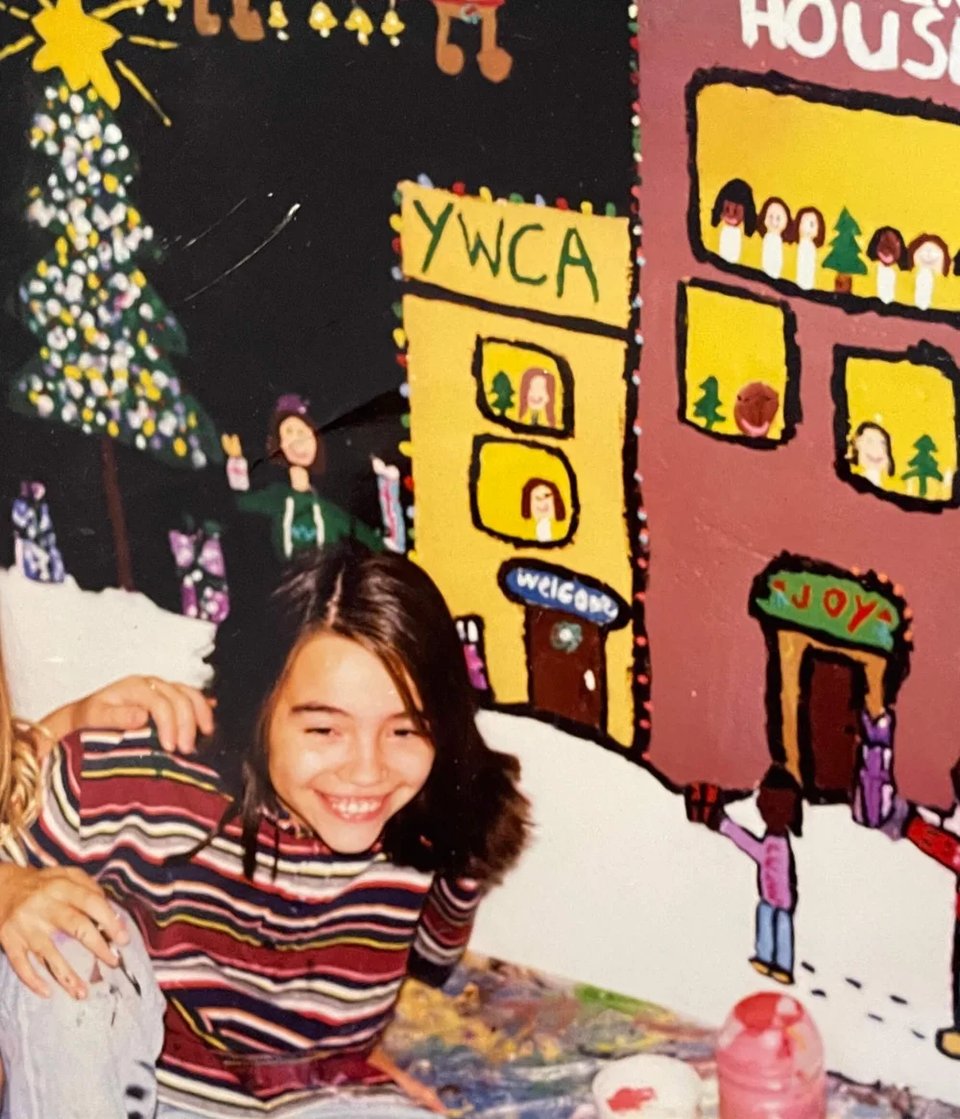
I wish I could find some of those old doodles to show you- I do have some somewhere- but for many years I was frustrated by how they looked. Odd geometric shapes combined with flowing lines, spirals, and triangles. Triangles, triangles, dots, everywhere, I hated it. I just wanted to easily draw cute little flowers like the other girls, and it took a lot of effort to learn how to draw like them. Decades later when I started studying Pre-Columbian Taino art, I was hit over the head with the realization that as a kid, I'd been drawing in the style of my ancestors. It just subconsciously flowed out of me.
And I’d just… pushed it away.
(There is a conversation here about migration and assimilation, but not today!)
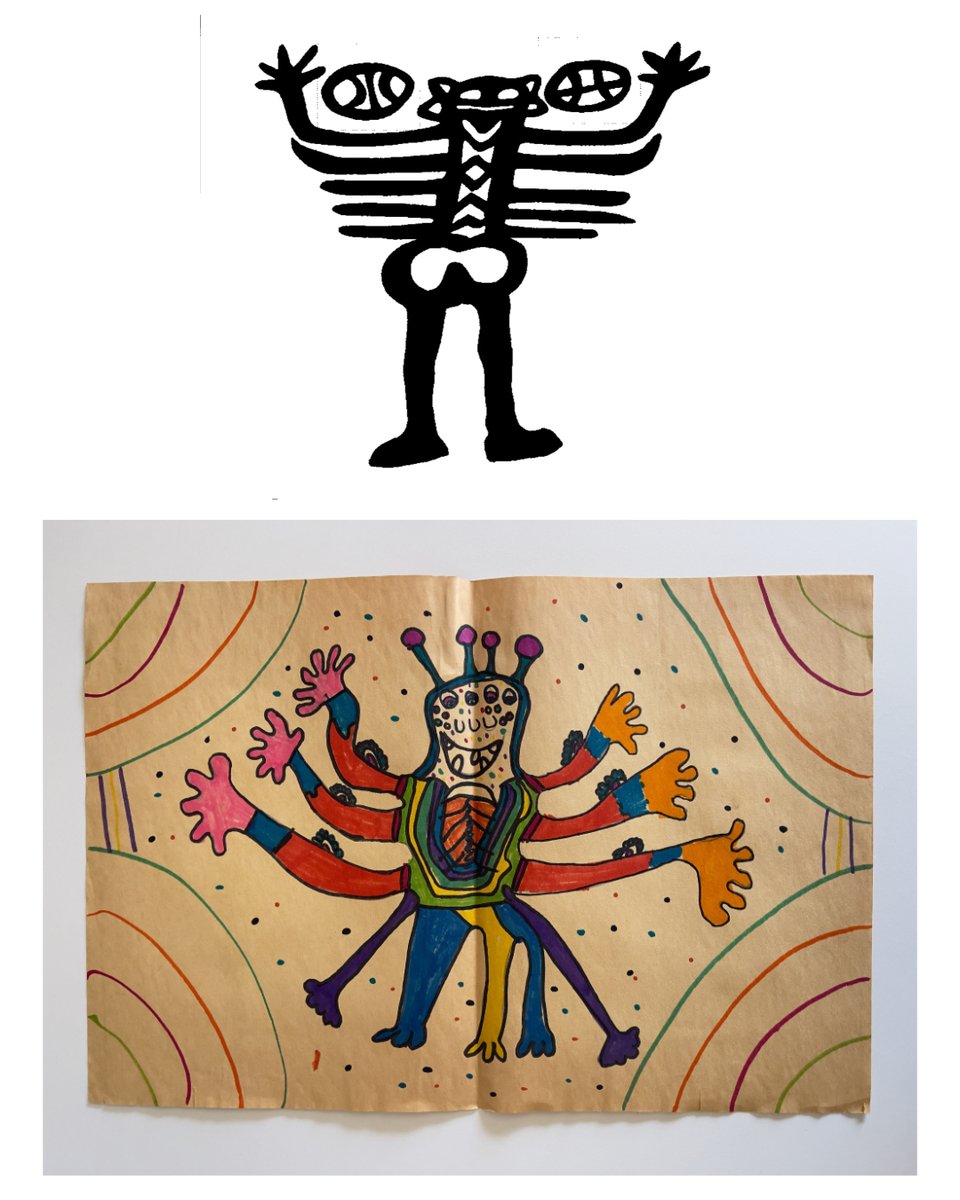
The question isn't "What would Taino art look like now?"
The question is, "What does Taino art look like now?"
Look around. It looks like art made by Caribbeans of or influenced by those of Taino descent. By Puerto Ricans born in the diaspora and on the island. It looks like art made by artists who paint our petroglyphs on canvases and make maracas out of higuera and make ceramics with Taino motifs and make trippy animated short films. Just as it looks like Bad Bunny onstage at the Super Bowl. Just as it looks like me sharing what I see when I look at the mountains and plants and animals that surround my home. It looks like many things; it doesn’t have to look like historical recreations of Pre-Columbian art because we aren’t. The legacy of Taino art persists in many forms, through many different kinds of people, all tied to our ancestors who manifest themselves in our current world in various beautiful, creative ways.
"How would Taino art have evolved?" Look at the art of Puerto Rico over the last 500 years, look at its evolution, you're watching Taino art evolve. We are the evolution; our art is the evolution. The "would have" is a fantasy. When the horrors- personally or in the world- get really loud, I lean on celebrating that we have Taino art here and now, despite the intention of colonization to kill it.
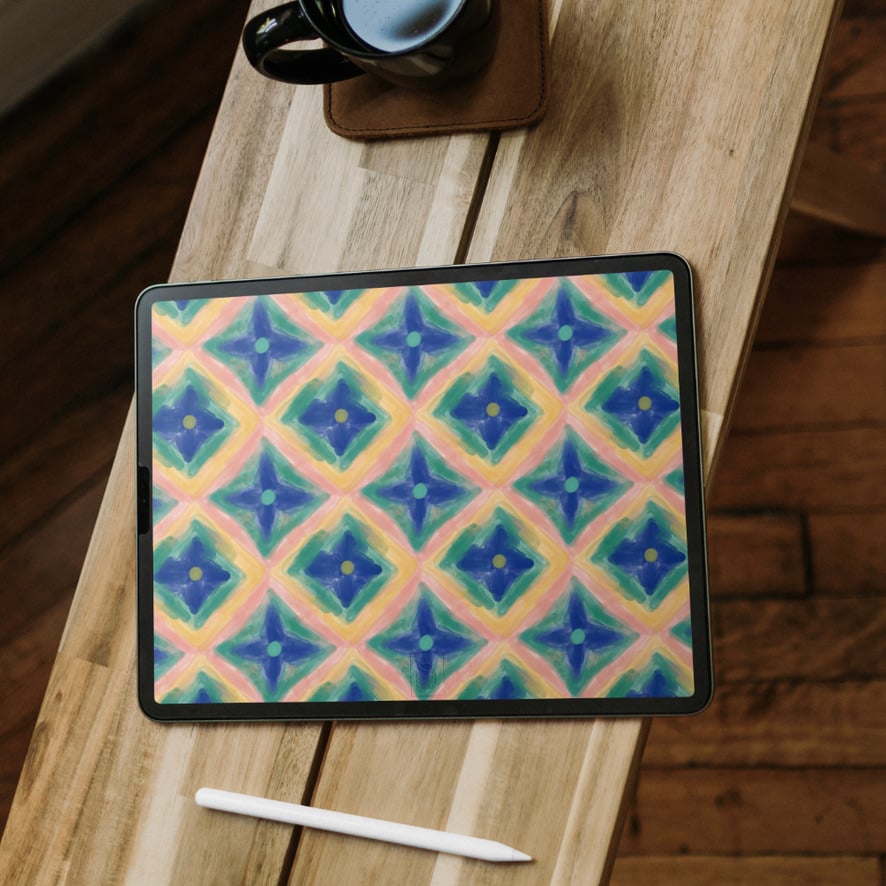
Caveat!
I hope it's obvious that I do not include AI slop of Taino, Puerto Rican, or Caribbean themes in this beautiful evolution, of which there is too much. I consider this kind of slop to be voluntarily participating in the continued anti-indigenous, pro-colonialism story of the last several hundred years. And painful, I consider it painful.
Support, buy from, collaborate with the artists that are alive and making art, instead of pulling a lever on a slop slot machine trained on our stolen artwork and on the colonizers' writings about who they thought we were! ::pulls all my hair out as I demon growl::
Borikén Mail Club
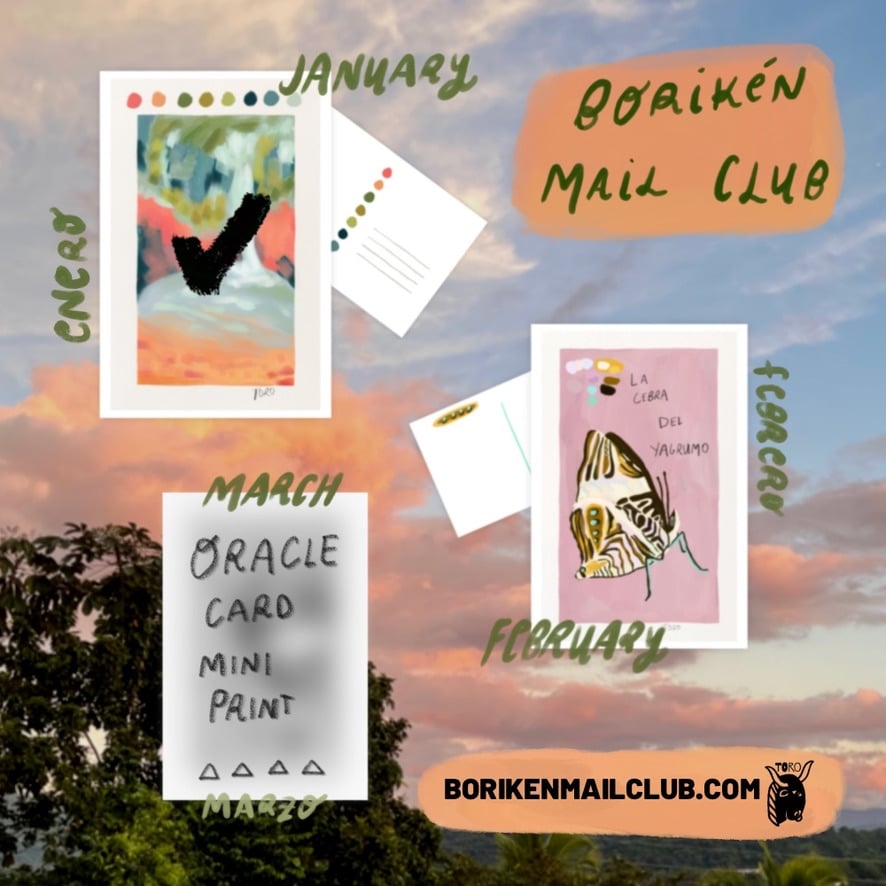
If you’re not a member yet, join this month to get February’s postcard! And a reminder that while my shop only currently ships to U.S., PR, and Canada, you can join the Borikén Mail Club from any country that receives U.S. letter mail.
If you are already a member, you have some BMC Members Only content below that others can’t see! 🖤👇
Posts you may have missed
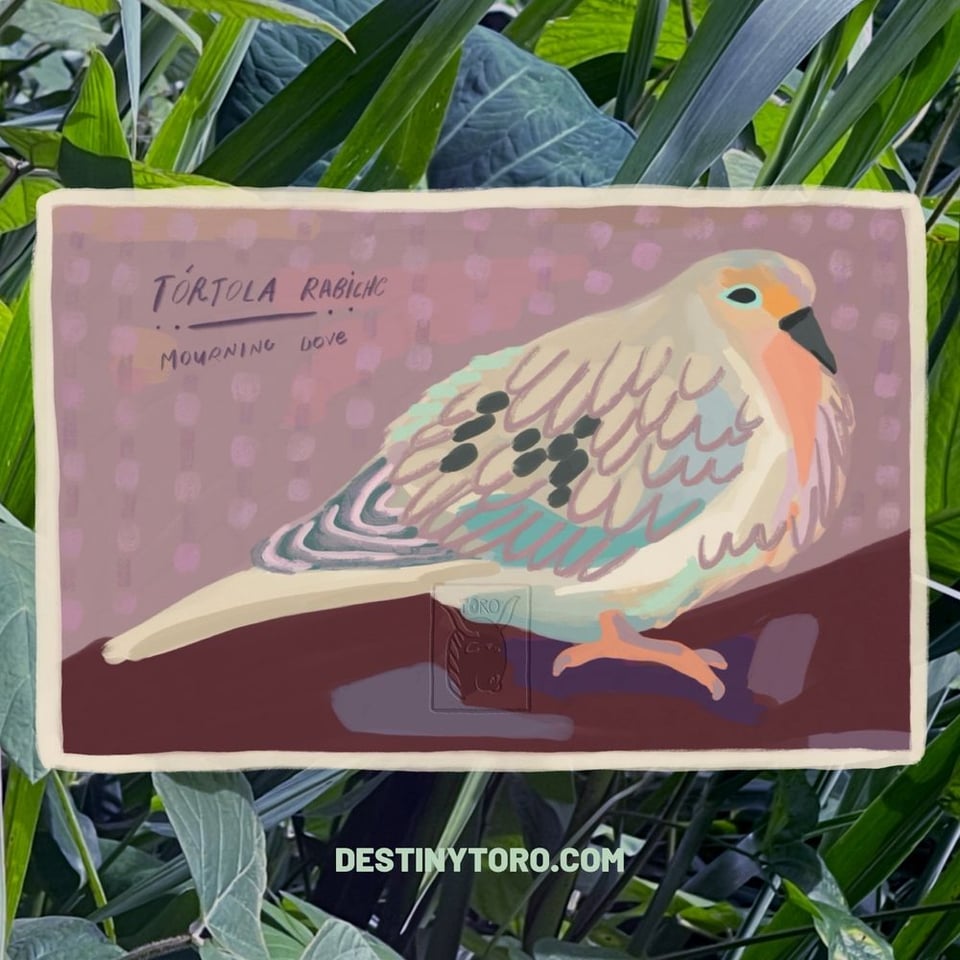
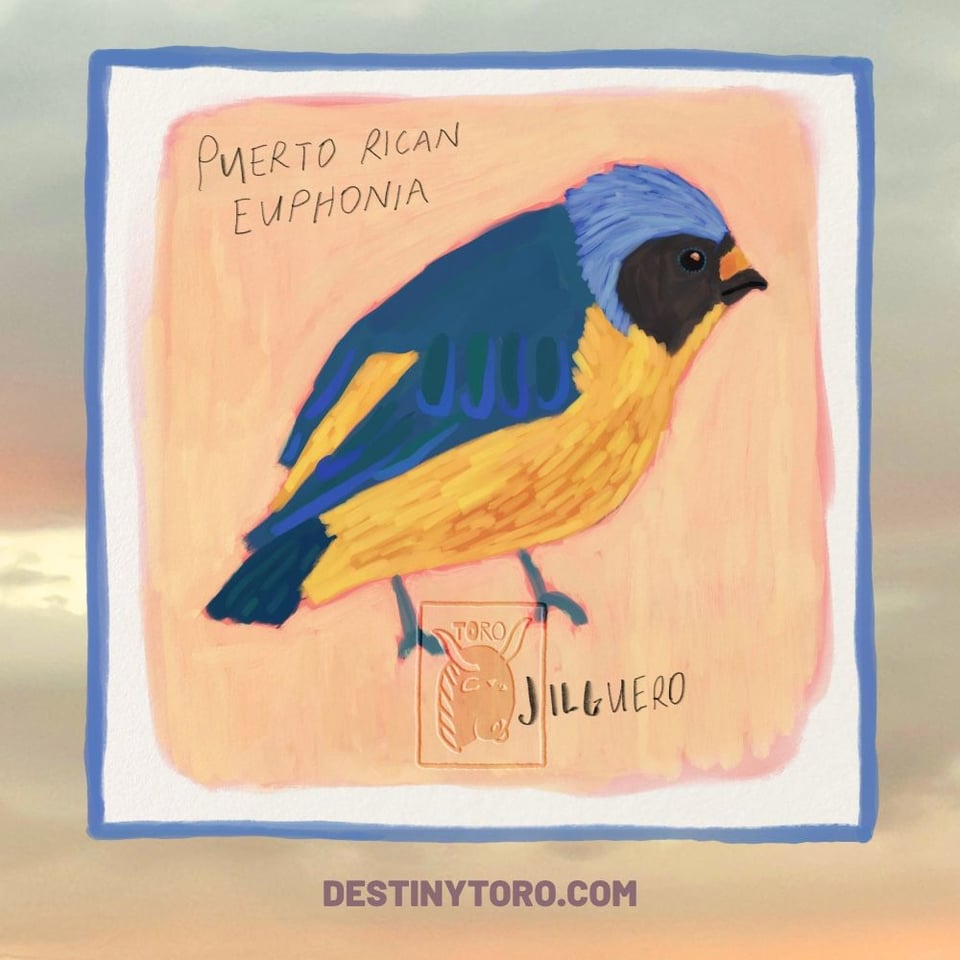
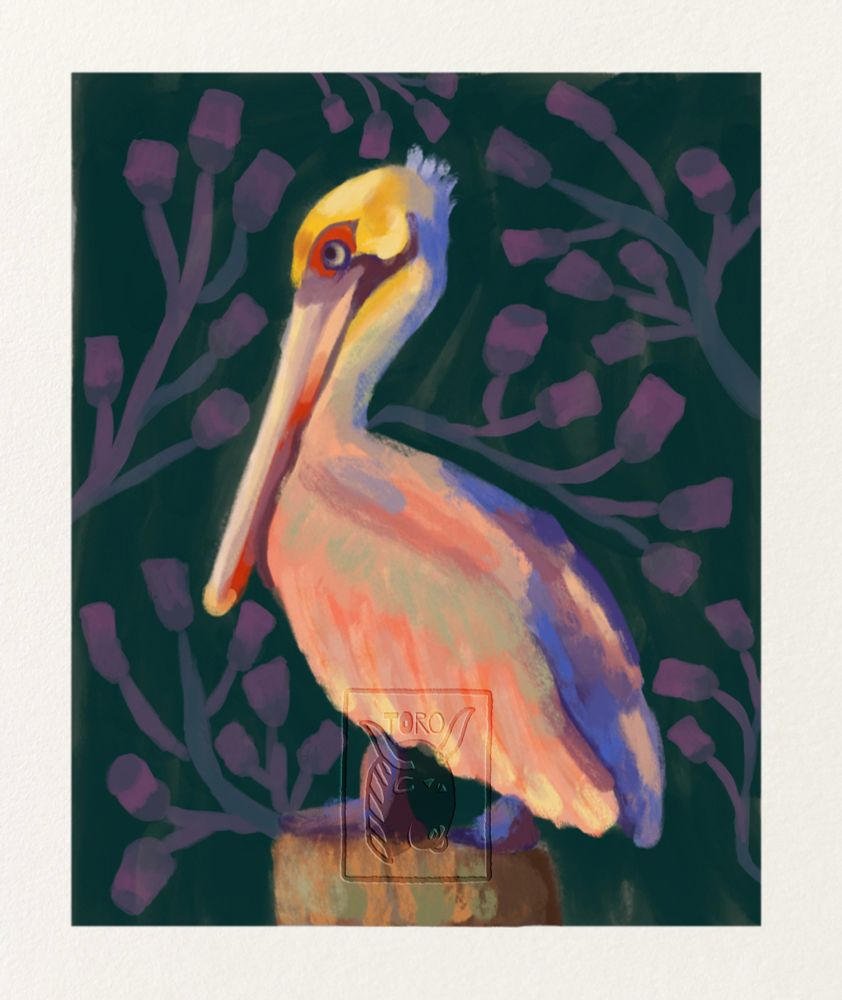
Every January, there is an art challenge that happens across several social media platforms called Birbfest. As with all challenges, I modified it to participate at my pace and to stray from the official prompt list to highlight birds from Puerto Rico.
If you’re on Bluesky, you can view my Birbfest posts here and the full Birbfest feed here. If you aren’t, here are a few of my favorites:
Things I’ve been enjoying lately
I dream of being able to do this to a house I own one day:
A wonderful article pushing back on ableism against disabled people in airports, by an aviation journalist:
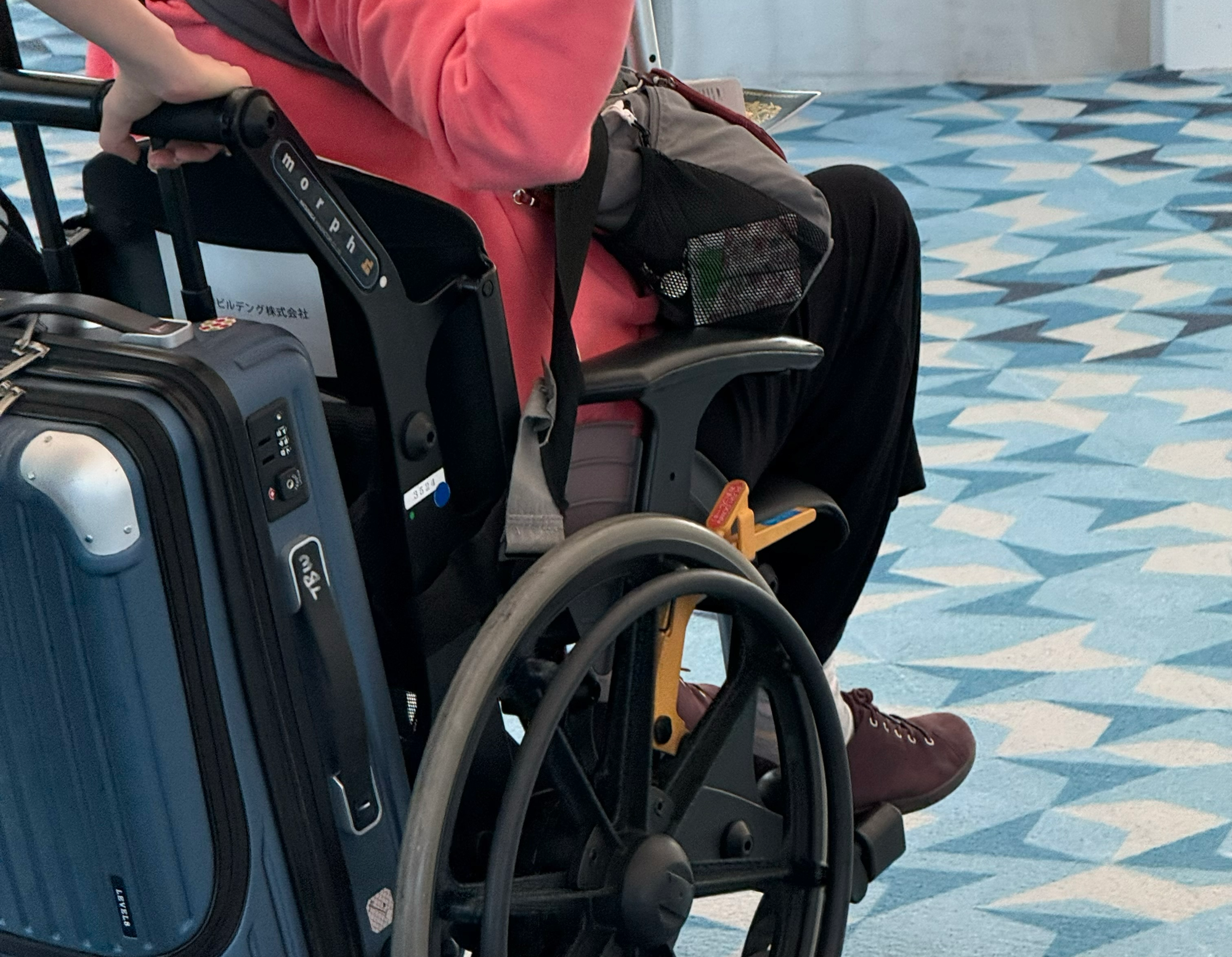
Disabled passengers, airport wheelchairs and the pernicious myth of “Jetway Jesus”
Clickbait hacks aside, perpetuating inaccuracies about disabled passengers and wheelchair users is wrong — and counterproductive for aviation
Advice on AI & visual literacy:


Add a comment: