Why I love, breathe and write cities
On the allure of urban living, its opportunities, cultural riches, and sheer potential
By 2050, an additional 2.5 billion people will call a city home. This means that the 21st century belongs to the urban landscape. Since 2007, when the UN reported that over half the world’s population lived in cities, that momentum has only increased. With urban density expected to hit 70% by 2050, cities are officially where the future will be won or lost.
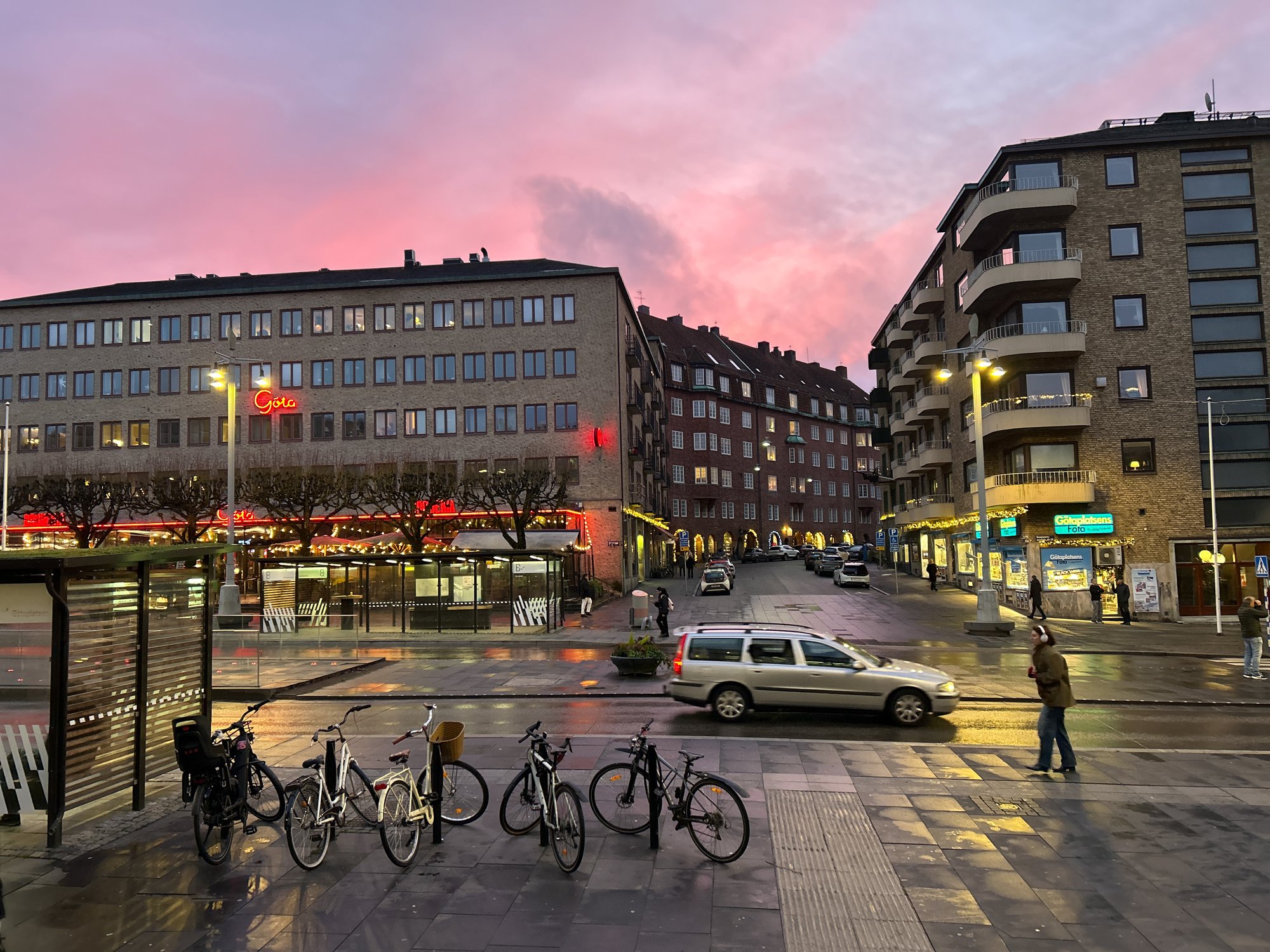
In 1991, I was born in a deindustrialized city and have lived in nine others across three countries since then. Twenty months ago, I moved to Gothenburg, Sweden’s second largest city (which happens to be more of a provincial town) and have come to vehemently believe that its the world’s cities that deliver a better life. Yes, we face rising rents, unequal access, and climate extremes, but it’s the city that remains our greatest modern invention because it’s built on competition, density and diversity.
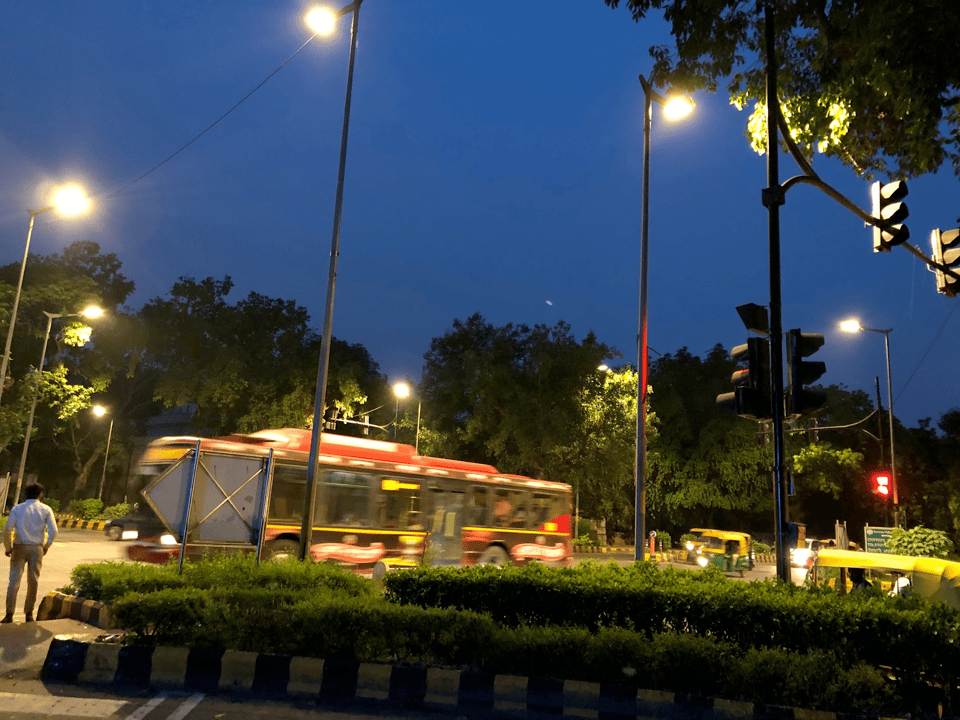
Changing jobs is a hassle I’ve dreaded more than I care to admit, yet because I was in Delhi there was never a dearth of opportunities. A city seems to say that if you want to, you can pivot, increase your income, and expand your world without ever leaving your zip code. Italo Calvino’s Invisible Cities lends itself poetically to this reading of what a city could be. He writes:
“Cities, like dreams, are made of desires and fears, even if the thread of their discourse is secret, their rules are absurd, their perspectives deceitful, and everything conceals something else.”
In Delhi, there’s something for everyone: game nights, international cinema, global cuisine. Jane Jacobs had said the same: “Cities have the capability of providing something for everybody, only because, and only when, they are created by everybody.” In all these respects and more, Gothenburg has left me asking for more.
But the real magic of cities lies in social layering. In Delhi I had work friends, childhood friends, college pals, neighbors, exes, acquaintances. Additionally, the plethora of transit options available, made moving around so much more fun and interesting.
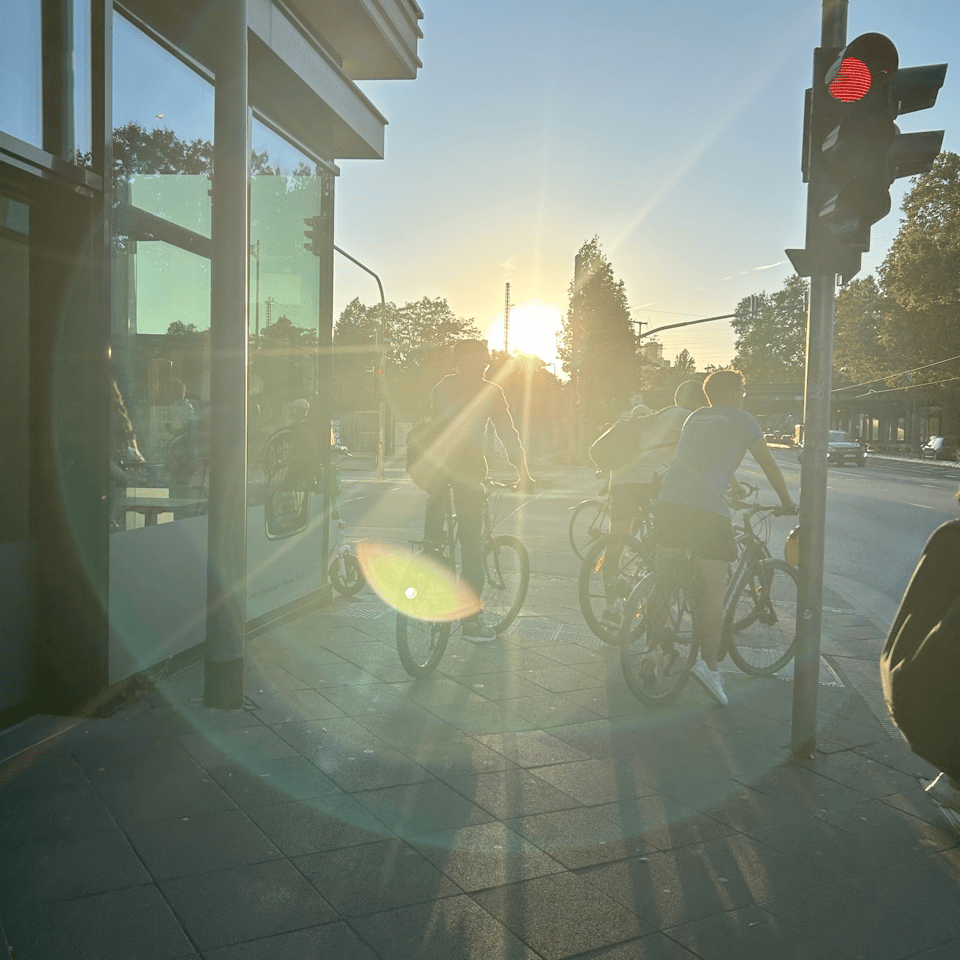
I moved to Delhi in 2017 for the third time. And till 2024, I’d shuffled through four meaningful jobs, rotated through a galaxy of connections, and honed my tastes. That was how opportunities happened. They never came from idly browsing the internet or being cast out forlorn in a provincial town. Opportunities were made possible from flesh and bones connections, people. Cities are people.
Today at 10am I was returning home in the tram from an appointment. It was near-vacant, the canister like compartments shuddering in disbelief. I shut my eyes and filled up my minutes by recalling the density, the crowd, the very urban, if slightly disgusting, rush of Delhi or Frankfurt at that hour. When my stop arrived, the tram emptier than ever felt like it was screaming at me.
Subscribe nowBig economic juggernauts like Mumbai, Delhi, Bangalore are overwhelming in their structure and can almost force themselves upon an unsuspecting outsider. A loud, babbling neighbourhood fight you can’t escape. Whereas in Gothenburg, or in the south Indian city of Coimbatore during one of my journalism assignments in 2016-17, I found that often I had to go out looking for the city. It felt buried behind the everyday, often taking work to arrive at. Experiences were tough to find, people even harder.
It’s an oft repeated adage that cities are lonely, but in my years of city living, I’ve never truly experienced that. I’ve been my share of depressed and lonely in Delhi. In June 2017, in an Uber pool circling through Raisina Hills in Delhi, I suffered an anxiety attack. In October 2023, on my way to work I got the news of a beloved cousin’s death in an Uber. Both times, the drivers knew how to console me almost intuitively out of a previous experience. I cried my eyes out but I knew I was safe. It felt to me that cities are where these kind of surreal experiences come to you. Long, endless nights and run-ins with strangers made possible.
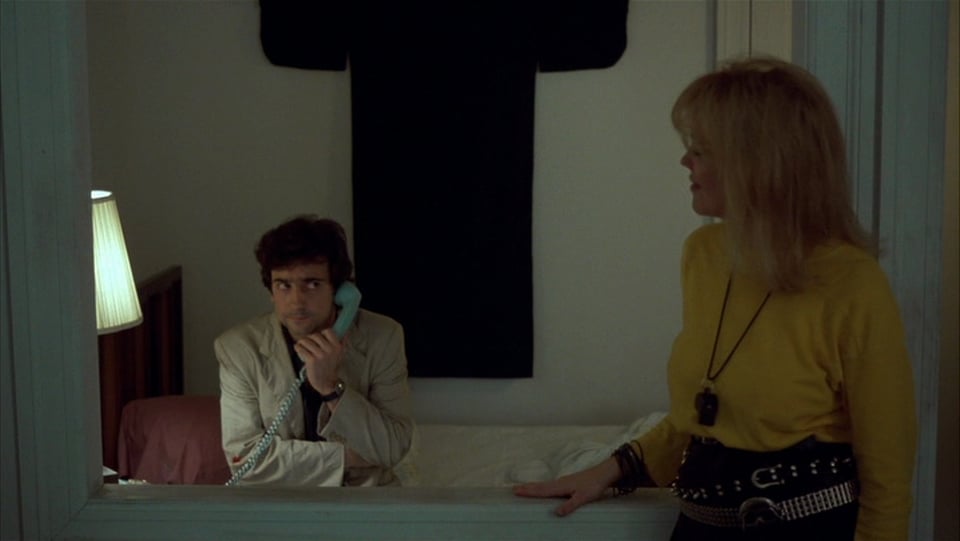
This is the jangling liveliness that fueled Martin Scorsese’s Taxi Driver and Teju Cole’s Open City. As the narrator Julius says in Open City:
“Each neighborhood of the city appeared to be made of a different substance, each seemed to have a different air pressure, a different psychic weight...”
Hindi novelist Nirmal Verma's Ve Din (Days of Longing) similarly chronicles love and longing experienced by a foreign student in Prague. It is the 1970s and our wide-eyed, sallow protagonist, Indy, drifts through Prague in the days around Christmas giving us languid meditations on his personals, while also near constantly writing Prague as he sees and breathes on the page.
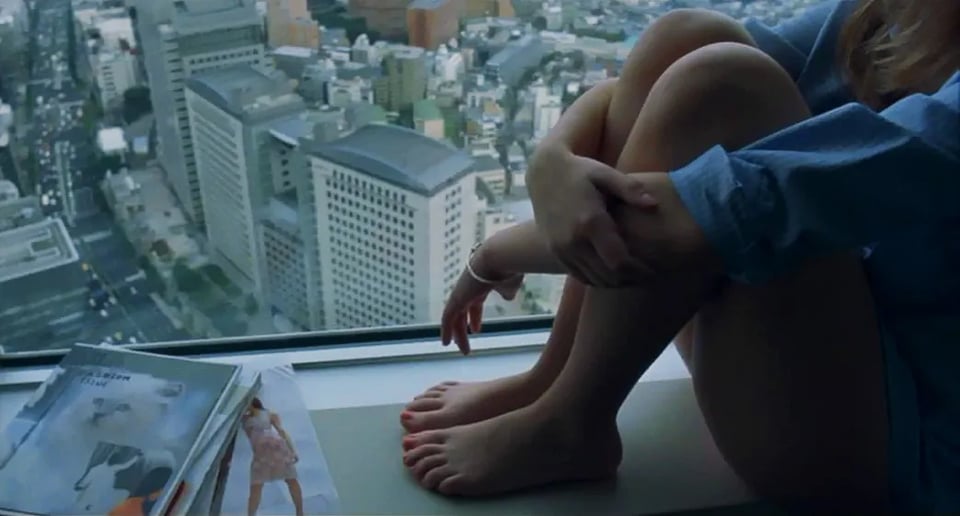
Could Lost in Translation happen in Gothenburg? Could Chungking Express be conceived in Cardiff? Before Sunrise in my hometown? I have my doubts. These metropolises and their majesty casts a wider net for storytelling. Even now many books and movies sell primarily because the city itself is a character in them. Whether it’s 1980s Tokyo or early 2000s North Delhi, we fall in love with the unbridled beauty in the crevices.
Today, everyone is a writer thanks to their AI model of choice. But what we’re missing is a meditation on the modern form of the city. Georges Perec once challenged us to:
“Describe your street. Describe another street. Compare. Make an inventory of your pockets, of your bag. Ask yourself about the provenance, the use, what will become of each of the objects you take out. Question your tea spoons. What is there under your wallpaper? How many movements does it take to dial a phone number? Why? Why don’t you find cigarettes in grocery stores? Why not?”
When I landed in London in 2015, I arrived with a Dickensian idea of the city, its streets. But that version felt outdated. I found a more real, richer, lived in version of London much later in the novels of Gwendoline Riley and in the filmic memory-making that we all went through via Fleabag.
Which connects to the idea that just like everyday living, perhaps our ideas of cities also need updates. Much like our maps and apps, our cultural understanding of the city must be alive, kicking, and screaming. Whether it’s the nothing happens strolls of Teju Cole or the nonfiction realities of Lauren Elkin’s Flâneuse, we need stories that tell us how the city alters and defines us.
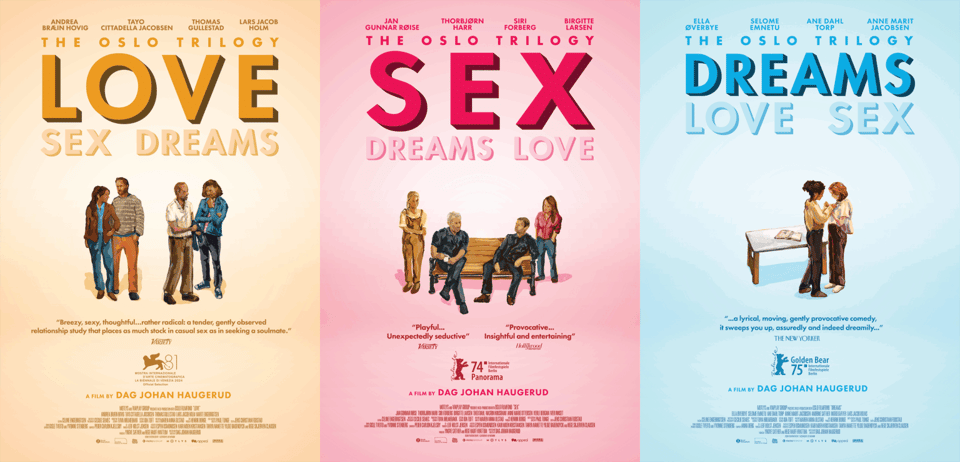
Consider the work of Jim Jarmusch, Christian Petzold, Joanna Hogg — they’ve all created decades long bodies of work that are essentially updates on cities. Look at Dag Johan Haugerud’s Oslo Trilogy (Love; Sex; Dreams), which became a cultural touchstone by examining the shifting architecture of intimacy. Through his lens too, the city is a protagonist that dictates how we relate to one another in the modern age.
These works of art show us what it is to be motivated, defined, and occasionally undone by the grid. As billions more of us prepare to move into these concrete hearts, we don’t just need better infrastructure, we need more writing around and about them. We need to keep writing our modern personal versions of the city into existence, one street corner at a time.


Add a comment: