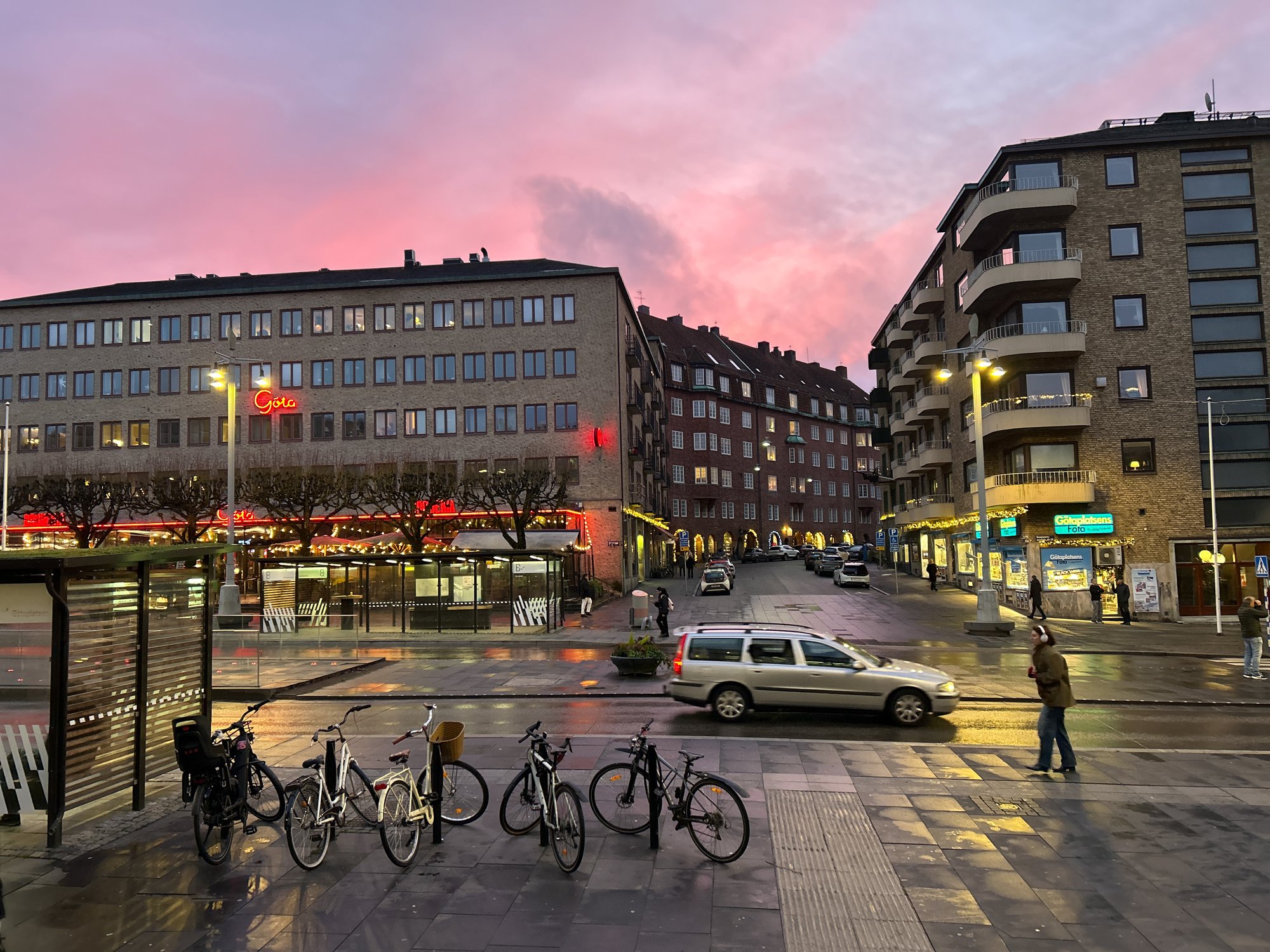
Where do Swedes go to pick a fight?
On Tvättstuga etiquettes & then some
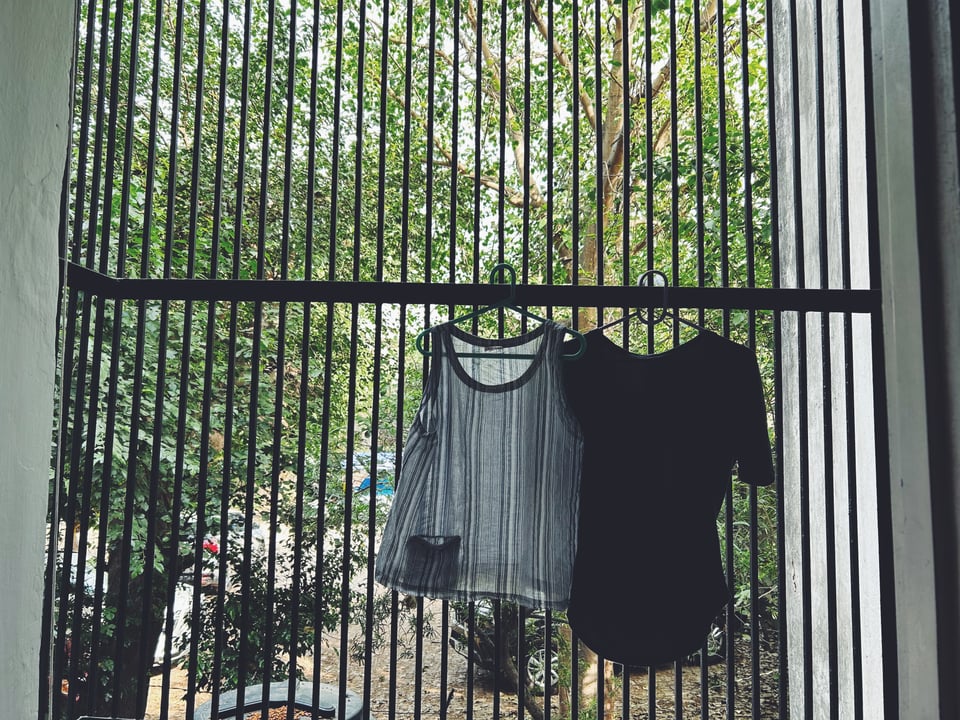
To the shared laundry room, called tvättstuga in Svenska.
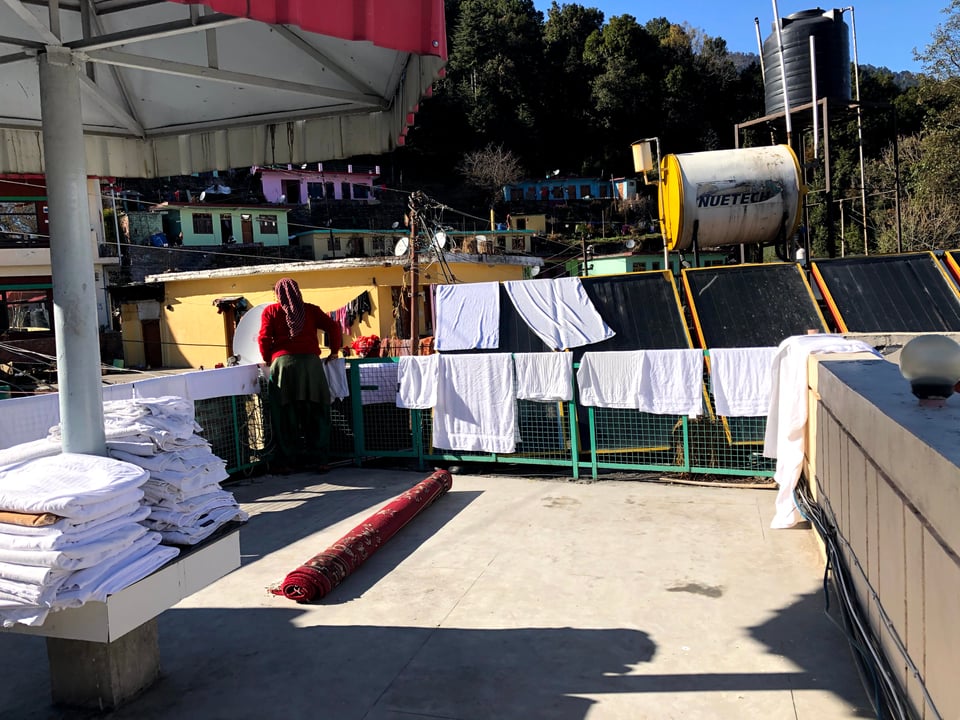
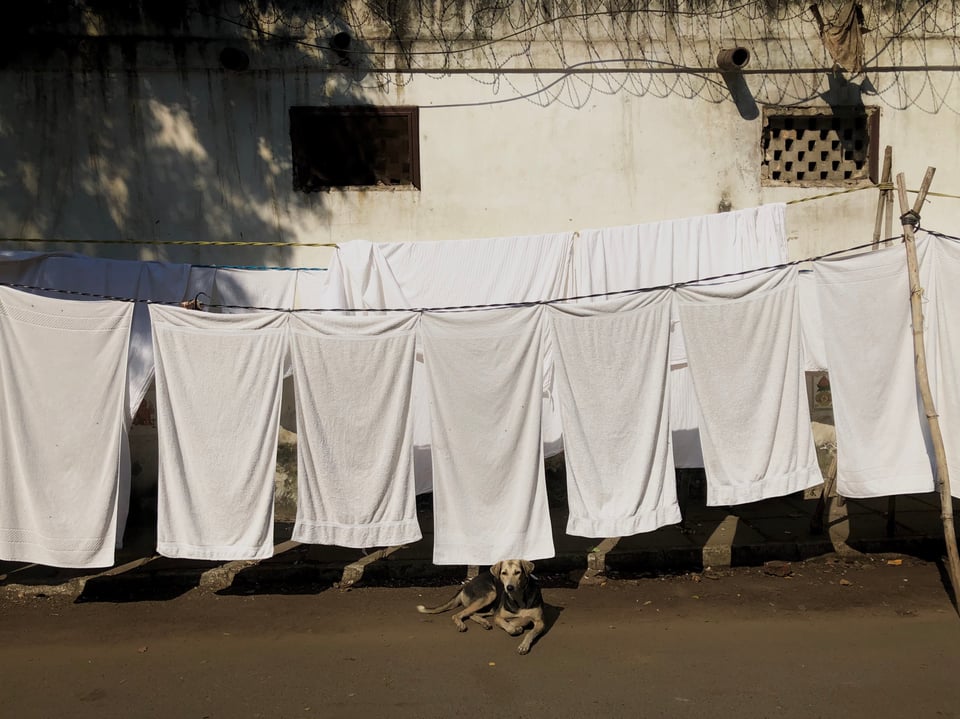
Move past the poetry of the clothesline with babygrows, freshly washed sheets and formal shirts hanging out to dry in the air, and crisp in the toasty sun. Move also past this snatch from Seamus Heaney’s Clearances wrote, “The fabric like a sail in a cross-wind.”
Instead of arguing or confronting face-to-face, a frustrated Swede is far more likely to leave a simmering, passive-aggressive scribbled sticky note on the shared laundry room notice board.
Living here for two years I’ve learned easily that everything has a system, a system that was designed hundreds of years ago. That’s mostly also written out in Swedish somewhere if you go looking. There is a correct day to take out your recycling. There is a correct way to recycle. There is a correct distance to stand from strangers at the bus stop, a correct way to queue at Systembolaget and a correct silence to hold in the elevator. You get the drift.
Laundry room rules and and the methods of enforcing them are infamous in Sweden.

Sweden has a pretty common communal living arrangement that exists as resident owned and run apartment complexes. And the shared laundry in a building’s basement has taken the form of a kind of a cultural institution. It comes with its own laws, rules and regulations. Some written (in Swedish), some unsaid. In my two years here, I used the tvättstuga (shared laundry room) for the first time only a couple months ago. It’s pretty straight forward, or at least looked like that to me. But then there’s the booking schedule. Then there are the cleaning rules.
(Naïve Anandi knew none of this when she moved in to this new apartment complex few months back. She was in for a surprise, some shocks, some rudeness, but bear with her.)
I’d excitedly booked my first tvättstuga slot - 11am to 2.30pm on Tuesday - by literally penciling it in on the sheet on the notice board in the laundry room. I gathered my laundry, grabbed the detergent, and marched into the wondrous basement feeling like an adult who finally understood Nordic efficiency. What I didn't know at that precise point was that the tvättstuga operates on rules so sacred they should be carved into stone tablets and hung every 5 meters in the basement.
First rule I violated in my first ever trip: I booked two slots for the coming days. A message came straight into our inboxes informing us about the same. I promptly went back downstairs and cancelled my appointments by erasing them using a rubber. I saw the aggreived party had also written on the sheet in Svenska some angry words and double- even triple-underlined a couple. I felt immensely apologetic and curdled inwards, my cursive on that notice board haunting me for days later. But we move on.
The second rule was a bit bizarre and prompted me to chronicle it in this blog. I thought I was doing it all perfectly, weeks had gone by and we’d had no complaints. But naturally that meant we were being closely watched for the next mistake.
I had innocently assumed leaving the laundry room tidy after a cycle of washing and drying meant leaving it very clean, possibly cleaner than before. It meant after the washing I take my laundry to the drying room, hang it out to dry and once done take it all home — a completed cycle. And I do it all without taking time from either of the slots before or after me. No overlap of any kind. I loaded my baskets, I closed the door behind me, I go back upstairs. Repeat. Repeat and repeat.
What I didn’t realize was that I had left behind a mop bucket containing a mop so dry it could have been a desert unto itself. A neighbor, who I suspect owns a clipboard by law, filed a complaint. Not about the smell, not about the noise, not about an untoward incident that might’ve happened because I left the laundry room floor too wet. But about the humidity level of the mop and cleaning cloth.
We received the second email: a curious neighbour has been logging our mop's moisture content in a private database.
"A neighbor did a bit of detective work," the email read. Detective work! On laundry room etiquette! A Sherlock Holmes of lint filters. They had cross-referenced my booking with the state of a bucket. And found me guilty of having left it untouched.

This means either I coolly withdraw from ever using the tvättstuga or just march on boldly correcting my wrongs and leaving behind a mop. But we have a washing machine in our apartment, so maybe it doesn’t directly necessitate any action. I’ll simply back off like the coward that I am.
But at night when I drift off to sleep, I think of the tvättstuga and a cold shiver runs down my spine. Even in my dreams, I stand outside the laundry room like a gatekeeper, clutching a rag, checking the floor as though I'm cleaning blood stains. Neighbours coming and going out of the laundry room look at me weirdly. I, on the other hand, don’t know if I’ve done something wrong and what it is that I’ve done incorrectly this time.
Apartment blocks like these burst into life when people live in and use them. A city like Gothenburg with a close to minimal population especially seems animated and alive because of these people in these apartment blocks. The complex where we stay even though very sparsely populated, does become foregrounded by people’s lives, overlaid with colour, activity, even discord. People’s washing is part of that. Clothing is identity, I gather (along with my laundry).
What did I learn? You don't mop wet floors, you mop floors that are dry as the Swedish summer. You wipe machines that haven't leaked. You become the person who questions (mops) dryness itself. Because somewhere, someone is watching, and they care about the state of your mop bucket more than they care about your recycling, which is a story for another blog/time.
Please take a minute to browse through my archive of over 260 essays!The cool that came off sheets just off the line
Made me think the damp must still be in them
But when I took my corners of the linen
And pulled against her, first straight down the hem
And then diagonally, then flapped and shook
The fabric like a sail in a cross-wind,
They made a dried-out undulating thwack.
- Seamus Heaney’s ‘Clearances’


Add a comment: