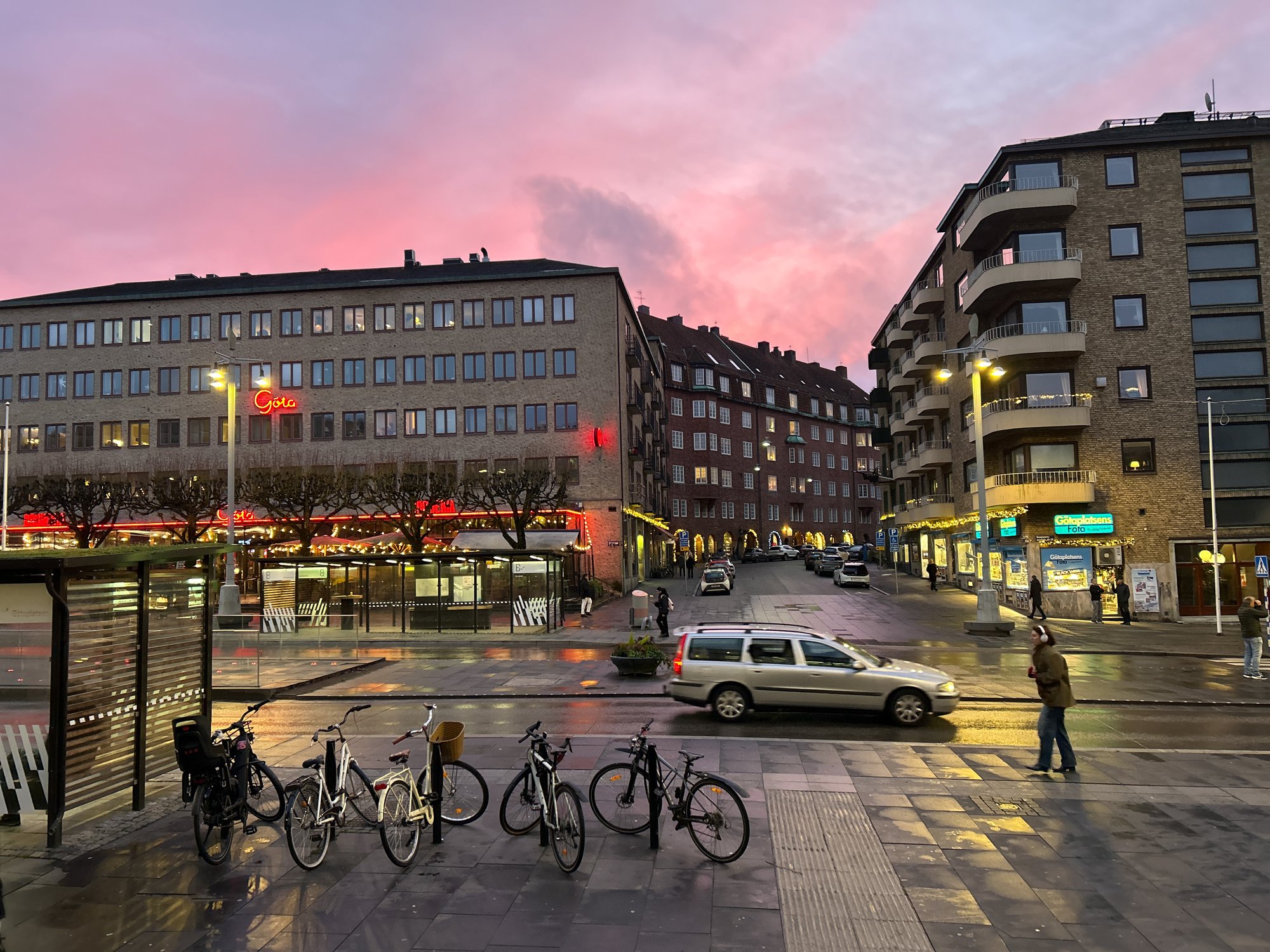
Solastalgia & the fleeting joys of spring
A lament about the loss of spring and how distressing it will be lose it all over again
Four Seasons fill the measure of the year;
There are four seasons in the mind of man:
He has his lusty Spring, when fancy clear
Takes in all beauty with an easy span
— From John Keats’ The Human Seasons
On the calendar, Spring arrives on March 21st. In Sweden, it arrives when it damn well pleases. Usually, it’s fifteen days late, a stubborn, freezing delay that makes the eventual arrival feel earned, glorious, and almost painfully beautiful. This Easter Monday, the shift finally happened. After a week of gray, wind-whipped rain, the clouds gave way.
We spent the morning driving to the lakes surrounding Gothenburg. We wanted the greenery, the blue, the newly thawed waters. But looking at nature through a windshield left us asking for more.
In her essay for The Irish Times, researcher Joanna Marsden writes:
One of first things I noticed when I started driving less and walking or cycling more is how, at the end of a day, I often have an inexplicable sense of excitement, as if something remarkable has happened.
She’s right. Despite the vistas, the car left us feeling cold. There was a disjointedness to the speed of driving. We felt remote, living tamely, taking little from life. So, after a lunch of kebab pizza, we ditched the car and decided to flaneuse around the neighbourhood.
Subscribe nowImmediately the natural world jumped at me:
Birdsong replaced the hum of the engine. In a local football field, boys kicked around a ball to a loud ABBA track. The earth was waking up and so was the city.
Shy, coy greenery sprouting in the corners of forested patches. Resilient, velvety moss threatening to take over barren trunks. My eyes relaxed to this sight.
Our ultra-light downs came off as the sun felt heavy and warm on our backs. The freshly grown grass felt impossibly fluffy to lie down on.
We got home by 7pm energized and also a little confused as it was miraculously, implausibly still light out. As the dying light lingered out, a known anxiety crept over me:
What happens when we lose this very hopeful, life-giving season to climate change?
Growing up in Delhi in the 90s, spring and autumn were distinct chapters of the year. I remember butterflies, sparrows, jugnus (fireflies) buzzing through the garden. A specific flavor of fresh air cutting through our mango, guava and Ashok trees.
Now spring seems fast-forwarded. It’s a one or two-week cameo between a brutal winter and a disturbingly hot summer. By the proverbial Ides of March, Delhi and most of North India is more or less a furnace. The baton is passed from harsh to harsher, leaving little room for the pleasurable in-between seasons.
Here in the Northern Hemisphere, too, we are beginning to to observe similar bipolar, extreme seasonal patterns. One day is inordinately warm for February; the next is a deep freeze, an Arctic blast. That’s why when I found myself savoring a balmy April day, it felt like a stolen luxury.
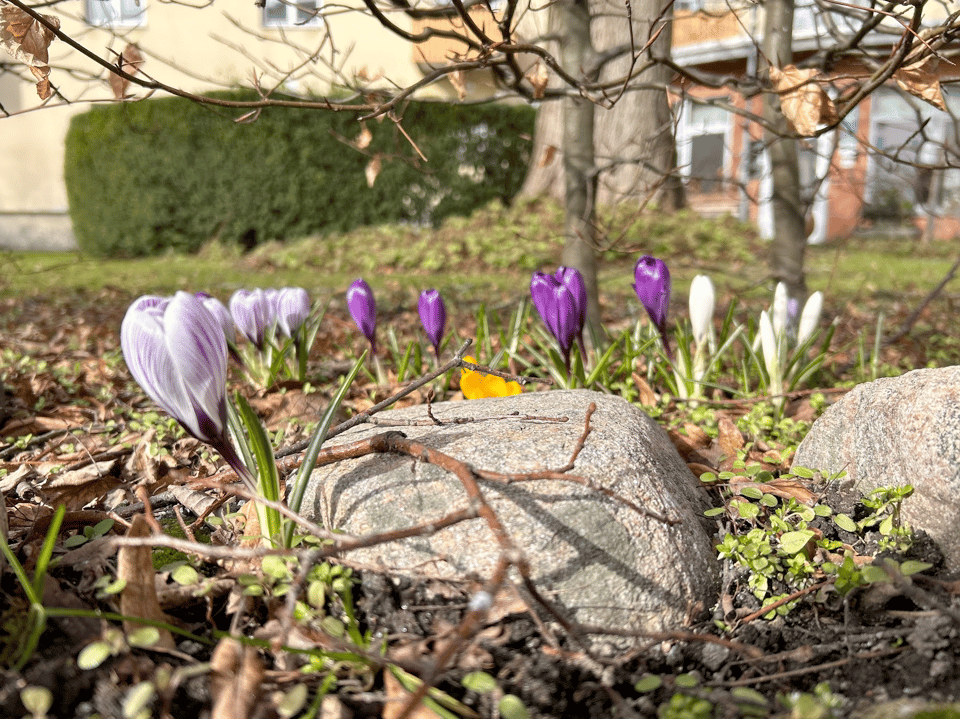
In Gothenburg, the arrival of light slightly alters the DNA of people. In November, the darkness brings a mass, heavy depression. But come spring and people are louder, brighter, chattier. Their clothes, too, explode in color: yellow windbreakers, red trekking pants, neon shoes.
Maybe I’m reading too much in between the changing seasons, but with a rapidly warming up planet what countries like Sweden will be left with will be a mild winter supplemented by a contrasting, pitch dark absence of natural light. How does one reconcile with those contours then?
The clocks going forward signal that spring has finally arrived. The days immediately get longer, a vague sense of optimism lingers in the air and suddenly everyone’s out on the streets. With the current state of the planet, this also means, that there’s only so much time to savor these fleeting pleasures of spring. What happens once a bigger chunk of the planet loses spring? I carry with me the solastalgia* of having lost the spring of my childhood, I wouldn’t want to live through it a second time over.
*Solastalgia is the distress that is produced by environmental change impacting on people while they are directly connected to their home environment.
Subscribe now


Add a comment: