on thomas vinterberg's 'another round' & the vulnerability of life
The promise of life and its malcontents
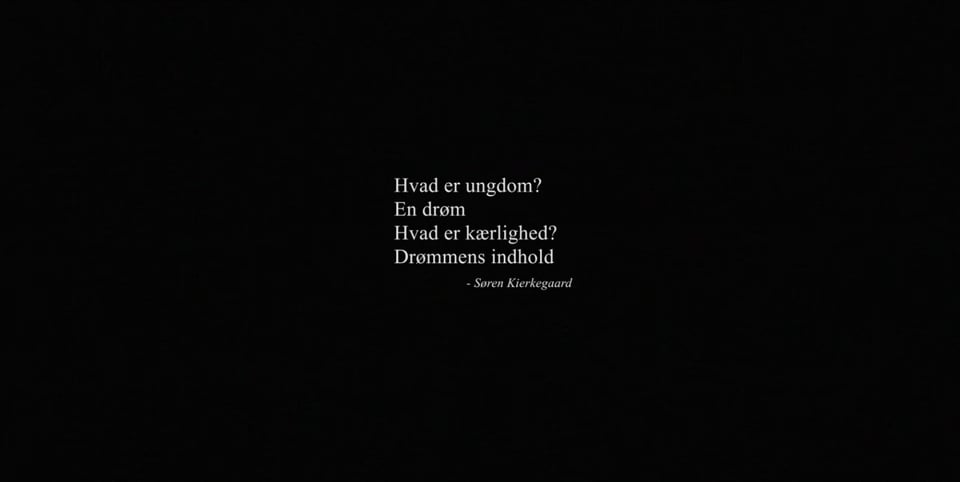
A movie about four jaded Danish men dealing with middle-class ennui with the help of alcohol and opens with a quote by 19th-century Danish philosopher Søren Kierkegaard:
What is youth? A dream. What is love? The content of the dream
Initially on the face of it, the movie didn’t propose much to me, a bunch of white bored men drinking their way out of despair. I wrote it off after first viewing. But then 2021 happened, we lost so much and I revisited it. In that casual viewing the movie seem to spark hope, that alcoholism is a stand in for whatever it is that you can find joy in.
Ever since, with various subsequent viewings it’s layers and layers of meaning have impressed upon me like engravings on a tree. Despondence is not always the correct response to despair, Vinterberg indicates. As the closing sequence of the movie shows, the characters identify with their students’ joy at their graduation ceremony and decided to join in the happiness even though they’ve lost a close friend (Tommy).
A recent, sudden loss once again brought me back at the footsteps of the movie. I too seemed to be groping in the dark, like Vinterberg and his congress of school teachers in the movie. There’s life and there’s death, but there’s also that supposed little bit of enjoyment and merriment in the midst of it all. What else do we live for? What else is everything else worth for?
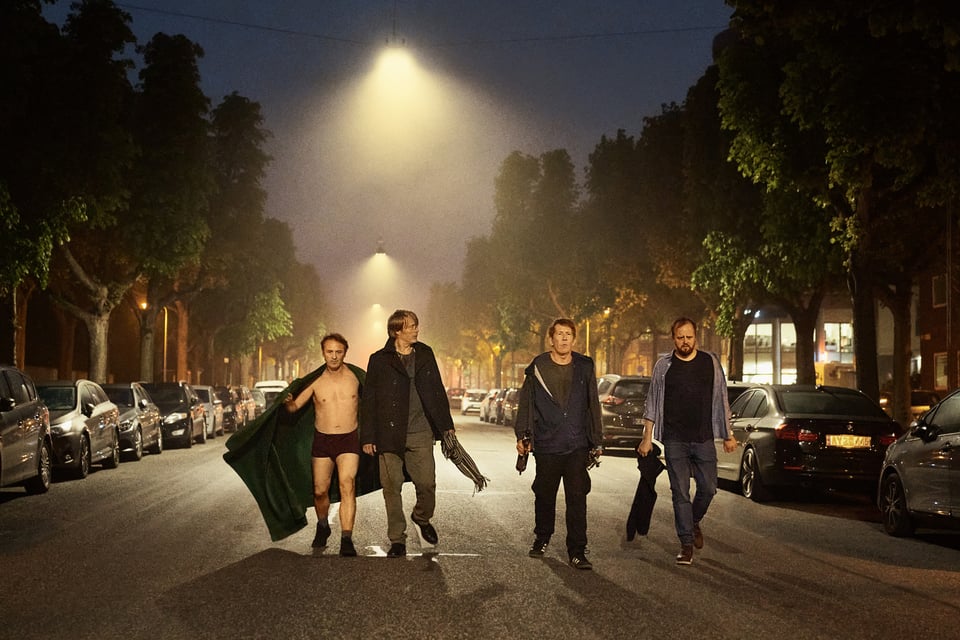
Another Round feels like a comedy about middle-aged Danish school teachers using alcohol to find solutions to their lives issues. And it is really is that. But we also experience (not just see) their failures, their destitution, their successes. These make the film part-character study, part-comedy drama about the travails of this pursuit called life.
Last Wednesday afternoon I was reminded of this novel title “the illicit happiness of other people”, looking at how people’s instagram friendly, curatedly-happy lives are forever gleaming in our faces. The happiness of others always illicit, ours always a little less so? I didn’t know then the night and thursday that were to follow. Nothing dramatic, just a kind of premonition that asked me to not dwell on the larger picture and to hang around at the precipice for as long as I can. That there can always be a yawning abyss between one hour and the next. Thankfully it was a mid-summer, sunny, incandescent day and not a cast out, deadbeat winter one.
In the movie during an exam, a student quotes Kierkegaardian philosophies, talking about anxiety, fallibility and failures foregrounding the movie into the lives of every ordinary person watching it. We’re all in the end groping in the dark, the movie says. We’re coming to terms with failures, mistakes, losses often only after we realize we might be running out of time to fix them. There are tears of despair but so often also those of joy. There’s merit, Vinterberg seems to say, in pausing and examining the form of life. But there’s also equally merit in letting go.
In a different director’s hands, in another timeline Another Round could’ve been a wry expose of the nasty undercurrents of male, bourgeois Danish existence, but through Vinterberg’s lens and the time we experience the pleasures and pains of banal everyday indulgences. The choices we make, if stick to them individually or let ourselves to reckless abandon. On some days there’s so much work, celebration you don’t feel time. On others, you go through a loss so severe, so sudden you feel as if all the air had been sucked out of the room for a long minute. In both circumstances, you come out having lived. That should count for something, shouldn’t it?
Four days into the making of the movie, Vinterberg lost his 19-year-old daughter to a road accident. His speech after winning the Oscar is one to revisit. This sudden, shocking incident might’ve given the movie its edge as it cast its net a little wider than middle class ennui, gazing deeper into the abyss that lies between our everydays. Perhaps this is what makes the movie a keen work of modern existentialism.
The buoyancy of life, as I’ve seen it, comes not from daily planners and meticulously etched out roadmaps, journals, but from intense, even silly, moments of unpredictability. It’s when I’ve teetered on the precipice, vacillating between sheer ecstasy or abysmal harm that life has felt its most real, primal. Like Munch’s feral Scream. That feeling of vagueness is, I’ve come to realise, the very allure of this little project we’re handed.
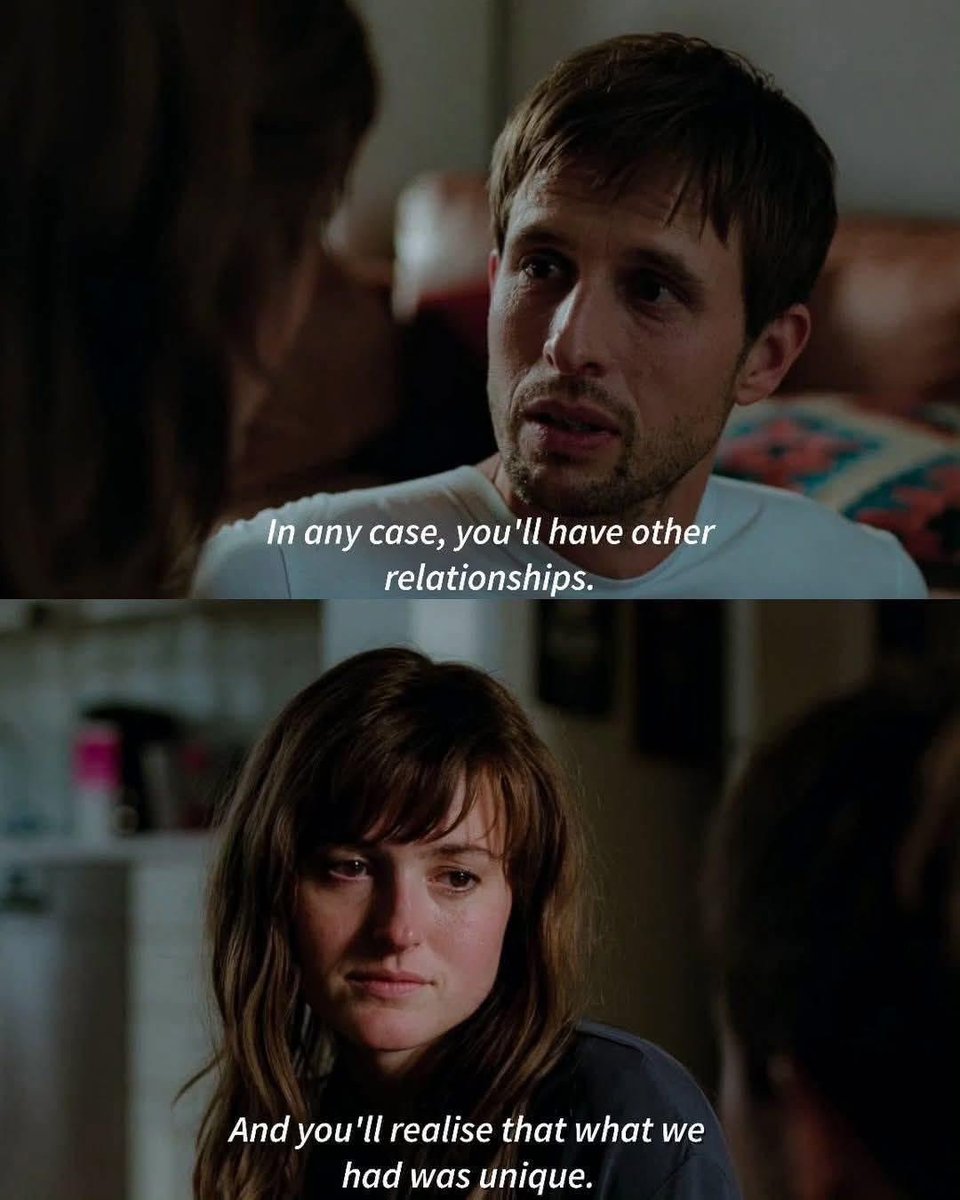
Kierkegaard, an influence on both Vinterberg and Joachim Trier {The Worst Person in the World (2020)} wrote that we can only understand our life backwards, but we’re forced to live it forwards. Vinterberg and Trier, through their movies, say that this realisation instills in us an everyday confusion that marks our lives. We might never fully succeed in grasping at life, but that we’re ready to be moved by it alone gives us hope that we have some purchase on it.
At any given moment, Kierkegaard observes, life cannot be fully understood. Given that we will always have incomplete information and understanding about our lives, perhaps they would be better approached not as problems to be solved, but as realities to be experienced.
In a way this goes against the grain of the Swedish concept of Lagom which invites you to live life just enough (in moderation). Sometimes banal excesses and everyday indulgences could be the right ask. We can always evaluate later, but in the moment it is important to let them press upon us from all sides, warts and all.
One moment you’re suspended in a thrill and anything seems possible, next you’re crashing ceaselessly into a void you didn’t know existed. Often there are shapeshifting, shocking, staggering losses stacked behind the hard-won, gleaming prizes. And we’re never really sure what we’re reaching for, when we grope in the dark. But that is the thrill. And Thomas Vinterberg seems to agree.
Tack!!


Add a comment: