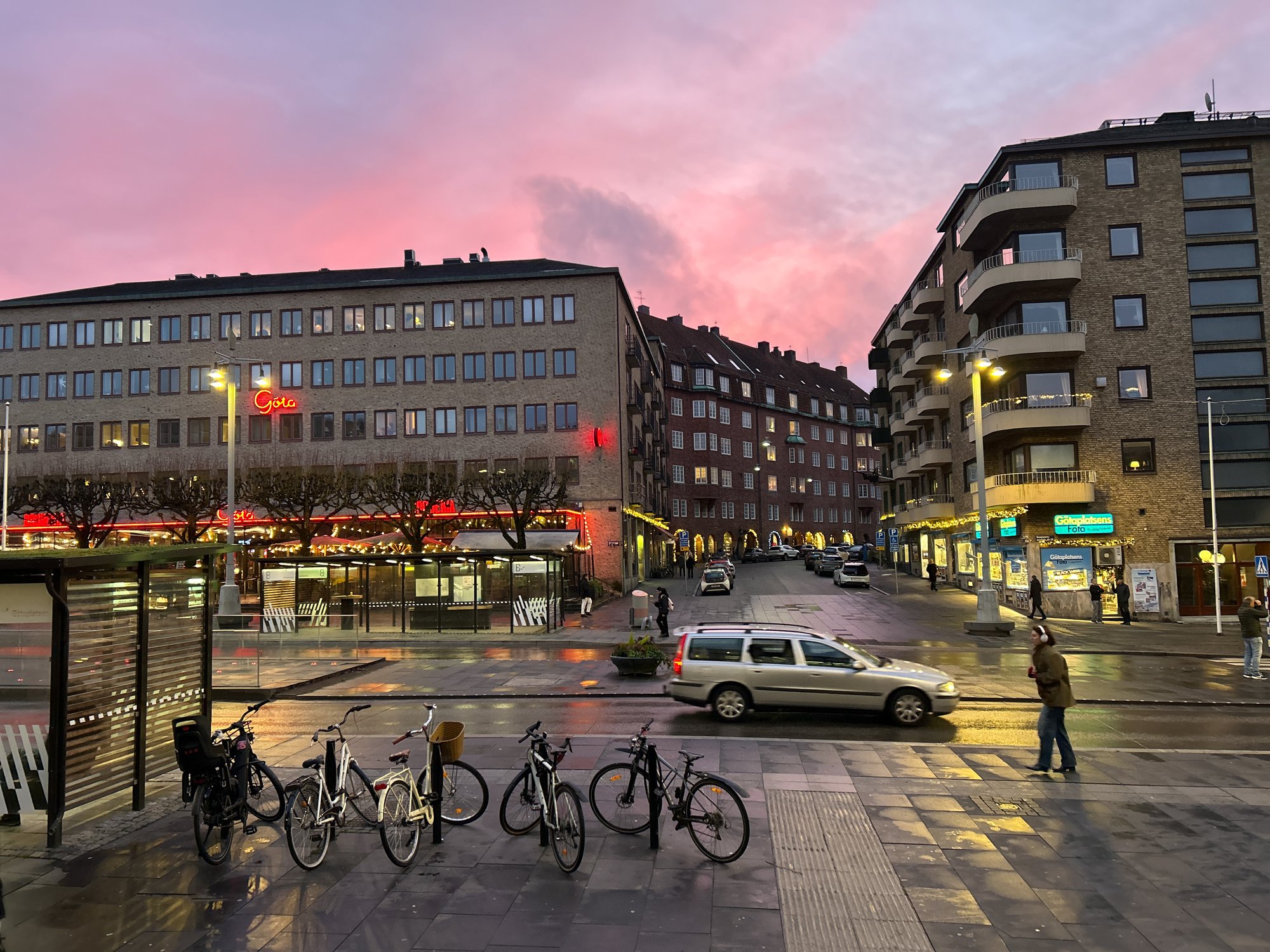
Living in the world's second most sustainable destination
Göteborg, Sweden's second largest city is famous for it's sustainability practices

As I complete 1.5 years of living in the second largest city of Sweden, Göteborg (pronounces yaw-te-bory; English spelling Gothenburg), I want to put down some thoughts on everyday sustainability in the city. Göteborg was recently named the second most sustainable destination in the world by the Global Destination Sustainability Index (GDSI) and so this endeavor becomes even more exciting (and important)!
We get to read so much about living in cities that are tourism hubs, or those famous for their architecture, or still others known widely for their food, or historical past. But I’ve yet to come across a piece that talks about what it’s like to live in a sustainable city, let alone life in the world’s second most sustainable destination. This is how I arrived at this blog which might become a series of essays where I’d want to expand on each of these aspects while also bringing in other adjacent factors that help in these aspects individually.
Public transportation
The first thing that obviously screams sustainability is green, public afforadable transportation. Trams, cycles on hire, cyclists, buses, connectivity — the buzzwords are real world, tangible, everyday practices here. Göteborg uses an array of options to induce a shift towards a more sustainable and efficient mobility system. This includes and existing infrastructure for walking, cycling, trams, e-busses, trains. Göteborg city administration is also always working to improve it. Last mile connectivity is a real thing here (I come from Delhi and LMC is nearly nonexistent there). There are also these small behavioral nudges in the form of apt infrastructure for cycling, walking, electric cars, strollers. Widespread availability of charging infrastructure in domestic as well as commercial spaces is a huge enabler for both four- and two-wheeler electric options.
Waste as a resource
Reduced usage of plastic is basic here along with reduction in food waste. And instead of being active sources of emissions, waste here is seen as a resource that is used for recycling (plastic) and fertilizer (food waste). This technique effectively replaces the use of fossil-based raw materials leading to reduction in overall emissions. These practices, in addition to enhanced Göteborg’s infrastructural capacity, different strategies and combination of instruments have been worked into the everyday behaviors of people, creating an upward, green shift.
Electric cars
Europe’s battery electric car market reached a historic milestone in 2025, with fully electric vehicles comprising nearly one in five new cars sold. In addition to being clean, EVs also contribute to a quieter, leading to lower levels of ambient noise pollution. In addition to this, Göteborg is also electrifying trucks, boats, ships and planes, building a sustainable battery industry. Personally, being around electric cars, trucks, bikes has been a very calming, relaxing experience. It’s reduced stress drastically. In some instances, these electric trucks are so quiet that they’ve had to add ambient sounds to them to alert pedestrians to their presence when idling, reversing, accelerating. Here’s to Göteborg being a electromobility champion!
Second hand & vintage shopping
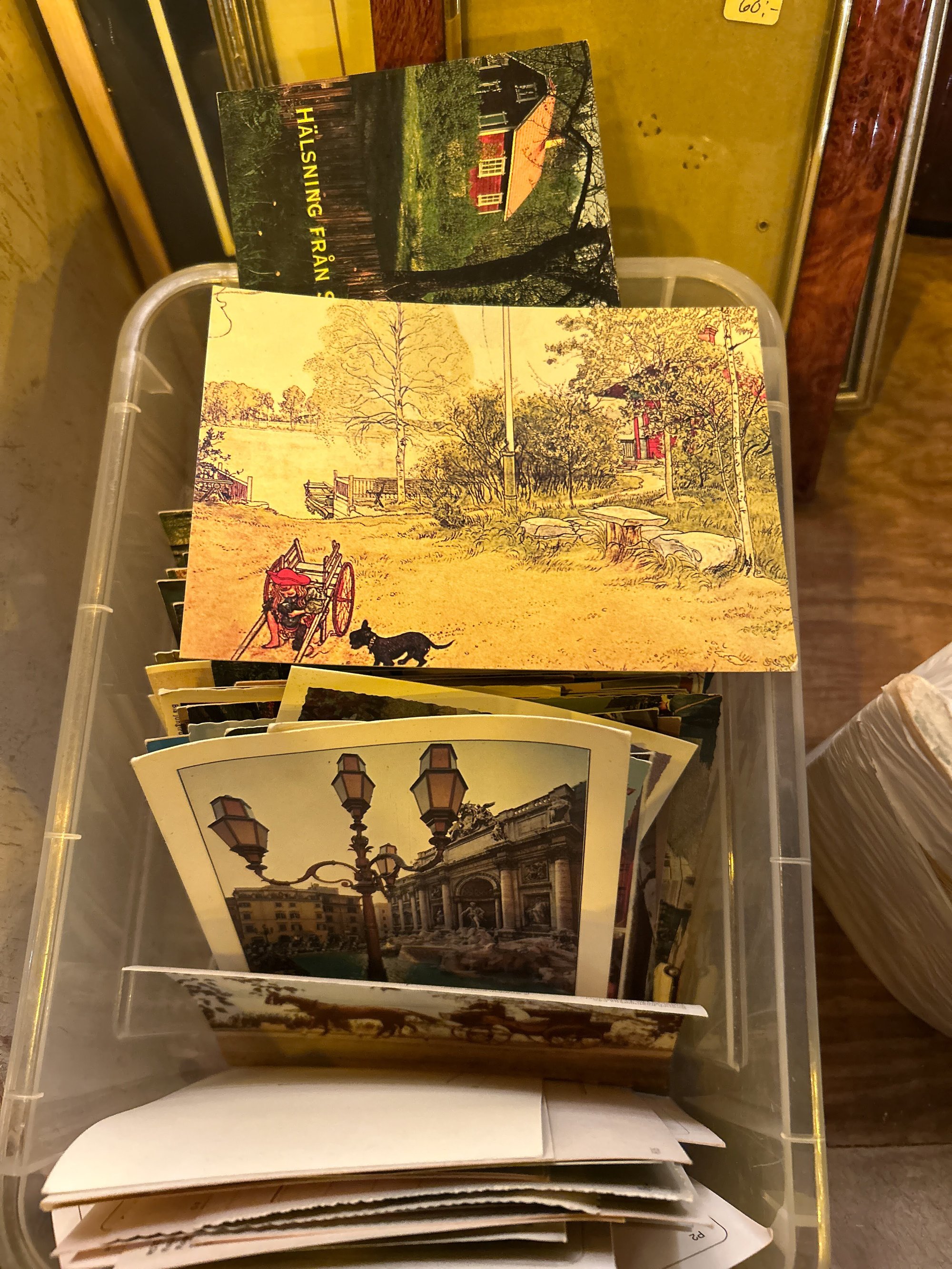
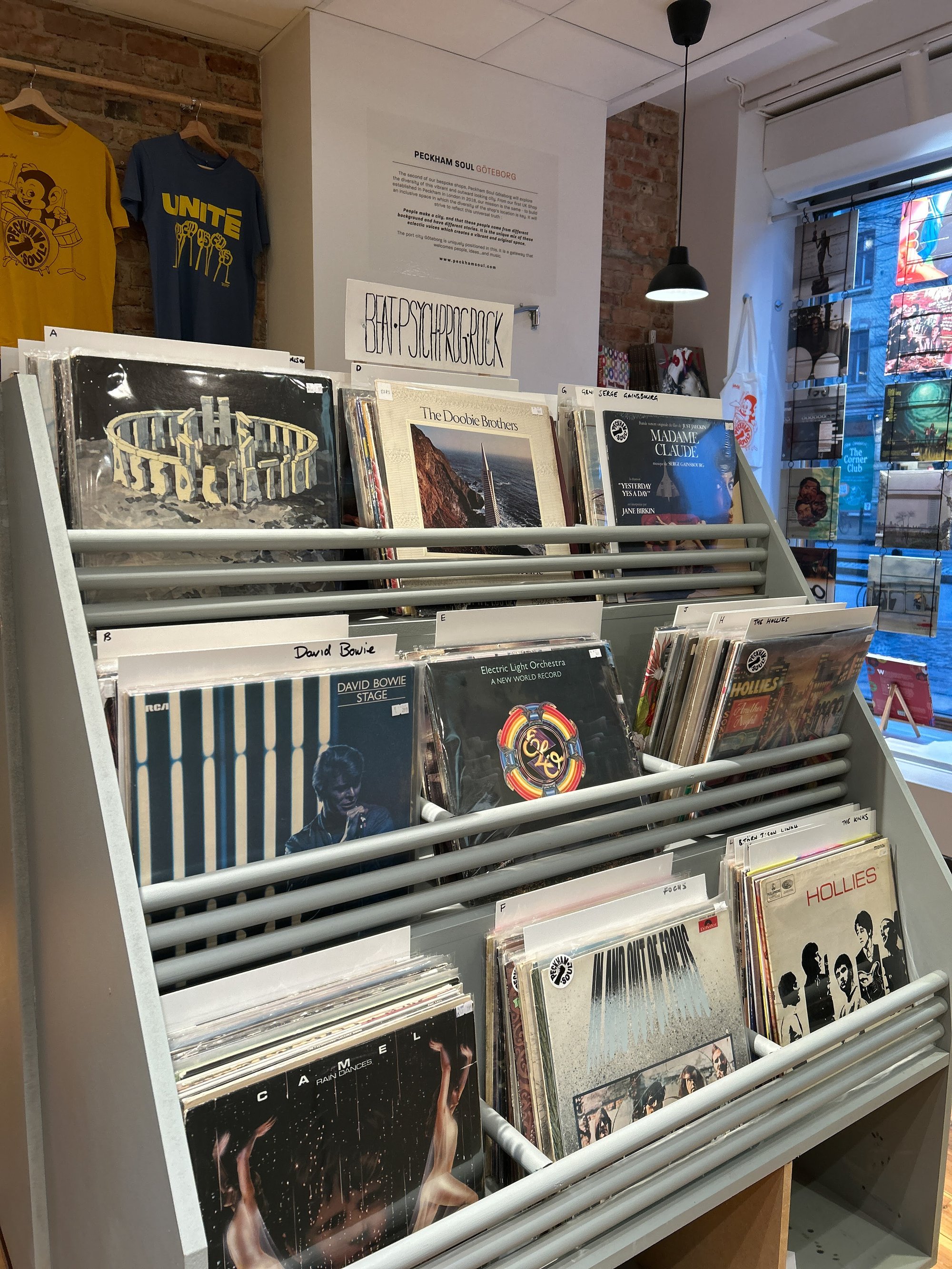
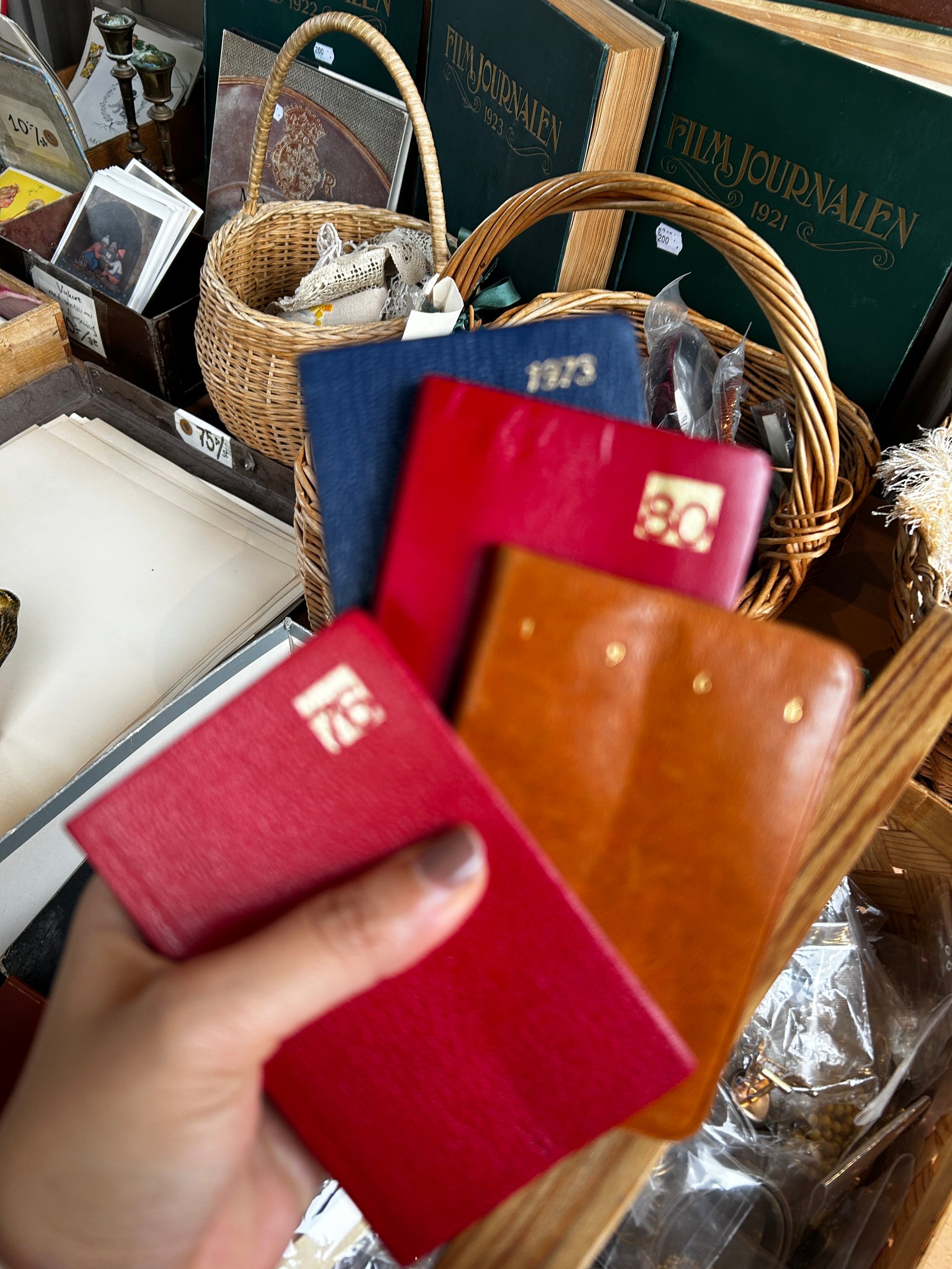
The vitality of Göteborg, it can be said, lies in its “sidewalk ballet,” specifically within the diverse ecosystem of its secondhand shops selling clothing, books, furniture, cars, bikes and various other every day essentials. And what makes them so accessible (and endearing) is that these shops aren’t tough to spot at all. Mostly scattered by the main roadsides and streets, they are large, specialized spaces not only to shop but even to find community. Whether tucked into central hubs or asserting themselves on street corners, these shops provide the visual and social density necessary for a safe, vibrant neighborhood. I’ve gone inside many of them while on a post-lunch stroll, looking for nothing specific but having found something very cool.
Tactical urbanism (One-minute city)
Many spots (addressable spaces) in the city have been reclaimed as public parks. You will notice, what was a parking space a few days ago, has been decked up with a picnic table, benches, cycle/e-scooter stands. What happens when we remove cars from public spaces? These spots are free to use/access, casual hang out spots for talking, chilling, eating, enjoying, despite the subzero temperatures. A veritable example of a third space, if you will. These pop-up public spaces, I’ve learned, are part of Swedish urban experiment known called “one-minute city”. (More on this definitely in a blog next!)
Climate-neutral construction
In Göteborg there’s a saying that the city is always under construction. While that might cause delays and change in plans of commute, but these construction sites are never a source of pollution. This is because of the city’s platform for climate-neutral construction. This is a collective effort of progressive construction and property companies that work together with the city and the research community to reduce the industries’ climate impact. Switching norms to optimize the use of existing building stocks is also part of this effort.
Green spaces, so many green spaces
A city is often built in stages, and in layers upon layers. And I can sense this structure as I walk through various parks and clean, green, serene spaces in the city. Parks, greens, in between serene pockets to just relax and sit calmly in as you wait for a tram, a bus, or just to pause. These spaces have given me so much comfort from the darkest, coldest winter days to the endlessly shiny and bright summer ones. Be it walking in the open air in Feburary’s chill through Slottsskogen, or attending a bookclub at the peak of summer in the green groves of the Botanical Garden, I’ve felt ensconced by these spaces. A perk of accessing them through various seasons is seeing how they adapt and mould themselves to people’s people in these diverse weather conditions.

Each one of these factors has played a role in enabling an easier, more convenient life for me in Göteborg. And while writing about them I’ve had a chance to spend more time thinking about them. For the next few blogs, I will expand on each of these aspects (and more) to give a fuller picture of living in the world’s second most sustainable destination and how it impacts everyday life of an ordinary person. Which one would you like me to elaborate on first? Leave a comment!
Related reading:
Thank you for reading! In the coming weeks, I will be setting up paid subscription options to help support this newsletter. As a paid member, in addition to my free to read pieces, you get a weekly subscribers-only piece, and full access to 200+ pieces. And you support me in fleshing these ideas out in the future!


Add a comment: