
Five Articles to Kickoff June
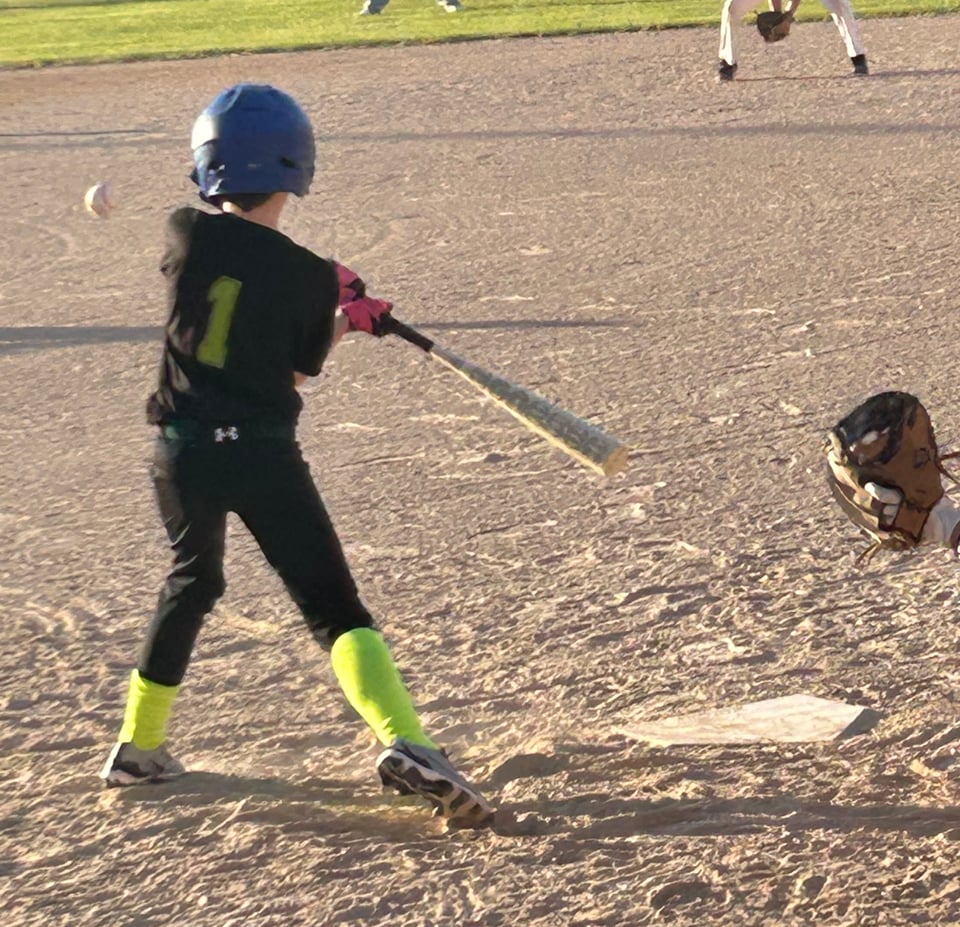
Summer is here! Apart from my son’s little league baseball win-loss record, my summer is off to a pretty good start. I hope June is meeting you with a smile and a high-five. And maybe a few little league wins. (That would be nice.) For me, summer means my academic interests start to spread out a bit and so does my reading list. There’s no theme with these five readings beyond they are the ones that caught my attention and seemed most interesting to share. Each of them resonated with me, and I hope you find them interesting too.
Advice | 5 Steps to Defend Higher Ed
It’s a hard time to be in education in the United States, and you don’t need me to remind you about that. In Working Better, a column from the Chronicle of Higher Ed, Kevin McClure talks to folks from all over higher education about what the heck do we do now? To put it in his own words, “I started interviewing people I call the doers. Talking with them challenged my assumptions about what taking action — individually and collectively — looks like in this moment and helped me see a path through panic and pessimism. What surprised me most is that the doers weren’t a bunch of unrealistic idealists. Instead they offered a pragmatic playbook for change. My aim here is to distill and pass along what I learned from them.” This is a grounded, practical read for anyone feeling a bit overwhelmed at the moment about higher education.
Survey: What Online College Students Need
Teaching an online course this summer? This one is for you. Inside Higher Ed co-facilitates the Student Voice survey every year to find out what higher ed students, online and onsite, are experiencing in their education. It often has some good insights in it. The big takeaway they talk about in this article is, “Online-only students’ sense of belonging—a student success factor linked to academic performance, persistence and mental health—lags that of peers studying in person.” But they also include several other findings. The article talks about six main take-aways from the survey and gives some ideas on addressing those factors in online classrooms.
Whoops: The most common rookie (and not-so-rookie) mistakes with alternative grading
One conversation topic I’m hearing more and more about from Stephens faculty is the desire for different, and maybe even non-traditional, approaches to grading and assessment. David Clark is a math teacher and veteran in alternative grading. In this article from the newsletter Grading for Growth, Clark talks about common mistakes when starting out with alternative grading techniques, and how to avoid them. If you are tinkering with the idea of trying something different with your grading, read this article. It will help make your ideas concrete while avoiding potential pitfalls.
Five Science-Backed Ways to Improve Academic Writing (opinion)
My writing skills are getting rusty, and I don’t like that. I have some ambitions with my writing, but not a lot of training. If you have been thinking about your writing then definitely read this article. Really practical and applicable advice to tighten up your process and clarify your message. There’s some grammatical talk in there, which may be intimidating to those of us who are "not great" with the grammar stuff. But the provided examples clearly illustrate the advice even if you cringe when someone says subject-verb-object order.
A New Headache for Honest Students: Proving They Didn’t Use A.I.
I read more teaching and AI articles in the last few weeks than I can remember. There were lots of end of the academic year commentaries about the AI experience. Stories about reading, the effects on teachers, tech’s imagined future for teachers, and teaching AI literacy. But this one about students being accused of AI cheating, and the lengths they go through to combat false accusations is the one that stuck with me the most. This one was a bit of a gut-check for me.