The one thing we all can look forward to is death.
On 11/8, aka Intersex Day of Remembrance, in the 30th anniversary year of intersex organizing in the United States, we take time to mourn our dead.
We recognize not only the day's namesake, Herculine Barbin—the French figure whose diaries were lifted to create the book Middlesex centuries after her own death by suicide in response to her government forcing her to live as a man—but so many contemporary intersex people we have lost. Some are named. Many are not.
We lift up those medicine failed by focusing on their gender and genitals over how their intersex variation interacted with other health conditions.
We recognize those who passed from missed doctor’s appointments and ignored check ups because of the terror of medical harms they experienced in childhood and adolescence. We honor those who gave countless time, energy and labor to the intersex movement but died from the cumulative impact of stress.
We are specks of dust when it comes to the millenia of history behind us and in front of us. Although these people may not be remembered 5, 10, 15 or 50 years from now, we remember them. We lift them up.
In October of this year, SLIM began Hermaphrodites Fight!, a digital project celebrating our collective resistance history.
Central to this project is a memorial garden:
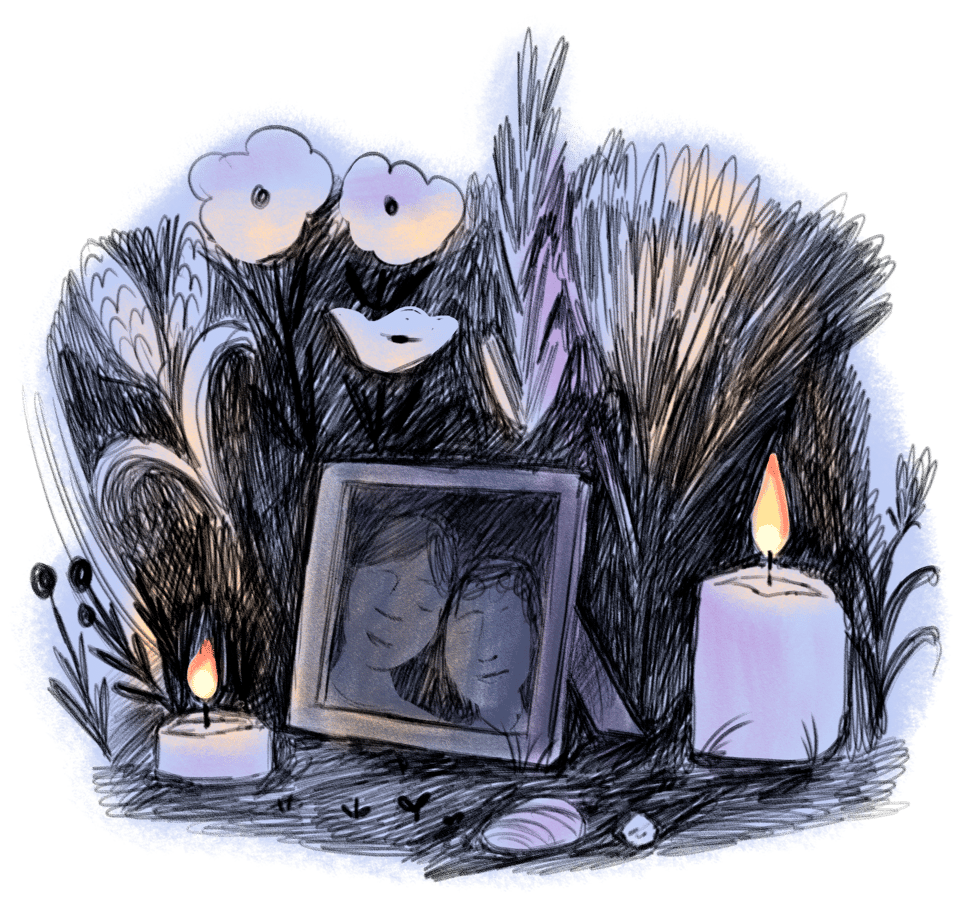
As we researched each piece of memorial writing and spoke to family and friends, it dawned on us how many intersex people in their 20s, 30s, 40s, and 50s had passed from either disease or state violence. Some from reproductive system cancers directly echoing the medical abuses they faced.
If Scout Schultz wasn’t murdered by an Atlanta police officer, could they have received the care that they needed to continue doing the social justice work that they loved?
What would Max Beck tell us today based on his experience flying to host the first protest against forced pediatric genital surgeries?
What further magic could we have witnessed if our dear ones such as Max, Emi Koyama, and Amy Buzalsky survived cancer?
At this point we are left with “what ifs” and the legacy of these imprints on our minds and hearts.
To keep their memories and our connection to each other, we are spending the next year documenting intersex resistance history in the United States from 1996-2026 as part of our public digital museum, Hermaphrodites Fight!
Join us in keeping history alive and reminding us to honor the legacies of our people who lived vibrantly and unapologetically:
Take a moment to read about those we've lost.
And if you have a beloved movement contributor you'd like to see added, please get in touch with us at [email protected].
Wishing us grace,
Saifa & Hans

You just read issue #18 of Strategy Lab for Intersex Movements. You can also browse the full archives of this newsletter.
-
In the spirit of solidarity and remembrance, here is a little story from my own experience.
When I discovered that my body was different, I went to my mom and tried to explain to her what I was seeing. My brilliant mother did exactly the right thing. She didn't tell me everything she must have known since my infantile inguinal hernia surgery. Instead, she just threw a pebble into my pond and let the ripples in the water help me to accept myself better.
The pebble she threw was this story: a woman in our family was born in 1927 and grew up to wear the finest clothes of the day, drive a convertible, play the piano and sing at family parties, gave excellent books to the kids in the family, but never had any kids of her own.
According to our family legend, this woman remained a virgin until she was in her 40's -- in the 1960's which I now know is when this first became medically possible: she had to have surgery to "remove her imperphorate hymen." Knowing what I know now about what that really means when doctors find bodies that are different like ours, I shudder to think what they must have done to her in the 1960's. But as a kid, hearing her story made me feel like I was just a normal part of our family, like her.
When I was officially diagnosed, my mom allowed no shame or secrecy. Everyone in our family knew about my diagnosis, and it was certainly big news that I have no vagina, so I know word got back to this woman in my family who had a similar experience at the doctor's office.
After my diagnosis, I caught her driving by my house more than once and thought it was strange. She also came to my wedding. Of course we talked! But we never spoke of our shared experiences. What could we have said? I didn't really put our stories together for comparison as well as I should have while she was still alive. This body of mine felt so shameful at that time that the denial made it nearly impossible to tell my own story even to myself very clearly.
So she passed, and when she did she left me some money that helped me pay for my surrogacy journey. And over the years it has slowly dawned on me that these are natural variations, and so they appear in family trees as they are passed down through the ages. Now I know that she really could see me, and understood me in a way that few people will be able to understand in quite the same way.
I really regret never having found my voice and my abilities to tell my own story while she was still alive to hear me say, "I see you, too."
-

This is beautiful. Thank you for sharing. <3
Add a comment: