Postcards from Palestine logo

Postcards from Palestine

Archives
February 28, 2026

Returning to the West Bank: Al-Walaja

28 February, 2026

Dear Friends,

I prepared this Postcard before today’s devastating news of a US/Israeli attack on Iran. Friends report hearing the sounds of warplanes, of rockets and interceptors. People are stressfully trying to stock up on food, and many gas stations have already sold out of fuel.

Amid the loss of life and fear this attack has caused, Israel has closed all gates across the West Bank, sealing Palestinian cities and towns. This means that Palestinians - at the hands of an occupying power - are locked inside their towns, unable to move. There are no bomb shelters in the West Bank or Gaza.


Some unexpected wonderful news: I returned to the West Bank a few weeks ago (February 2026)! I was invited to join a delegation from the US to meet with professors and students at a university in Palestine. I extended my trip to visit just a few of the friends I met when I was there last year, and I’ve just returned home. I will have more Postcards about what I saw and learned, but for now, I want to tell you about Al-Walaja outside the city of Bethlehem.
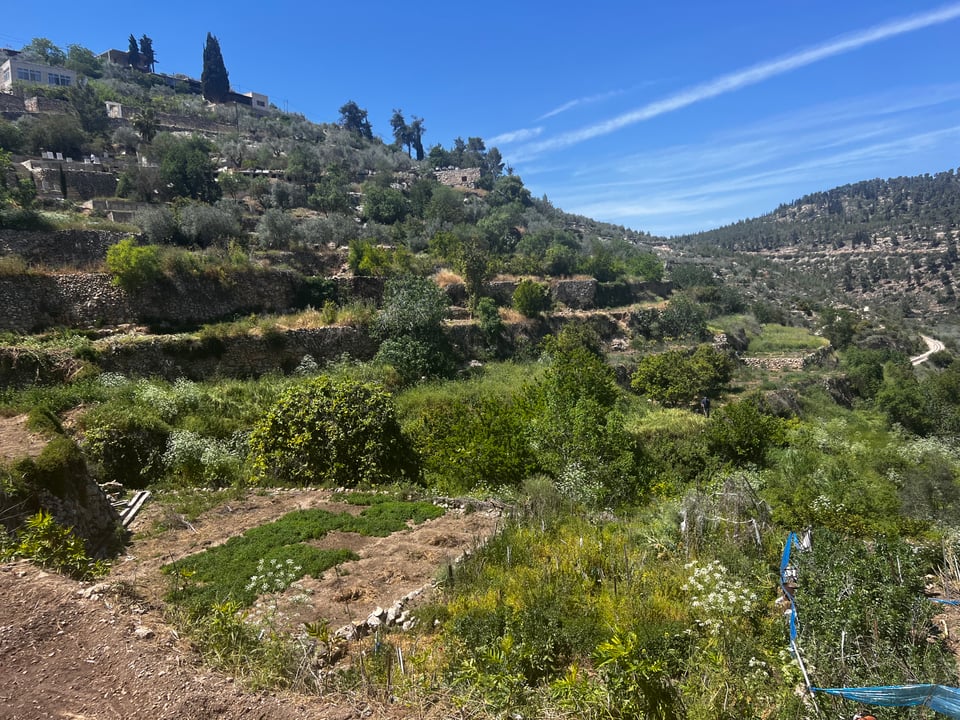
A terraced landscape of plants and trees on a hill, in front of a bright blue sky
Farming terraces seen from Al-Walaja. Until 1948, it was one of the largest agricultural villages in Palestine.

For those who’d like a reminder about geography, the West Bank - and Gaza - are lands that were intended to be part of the Palestinian state in any two-state solution. And because many people have asked me about my time in Gaza, I want to repeat that I have never visited Gaza. Israel sealed off Gaza in 2007, so it is not possible for me, or nearly anyone else, to visit. This includes journalists. Israel controls Palestinian lives in both these areas, in different ways.
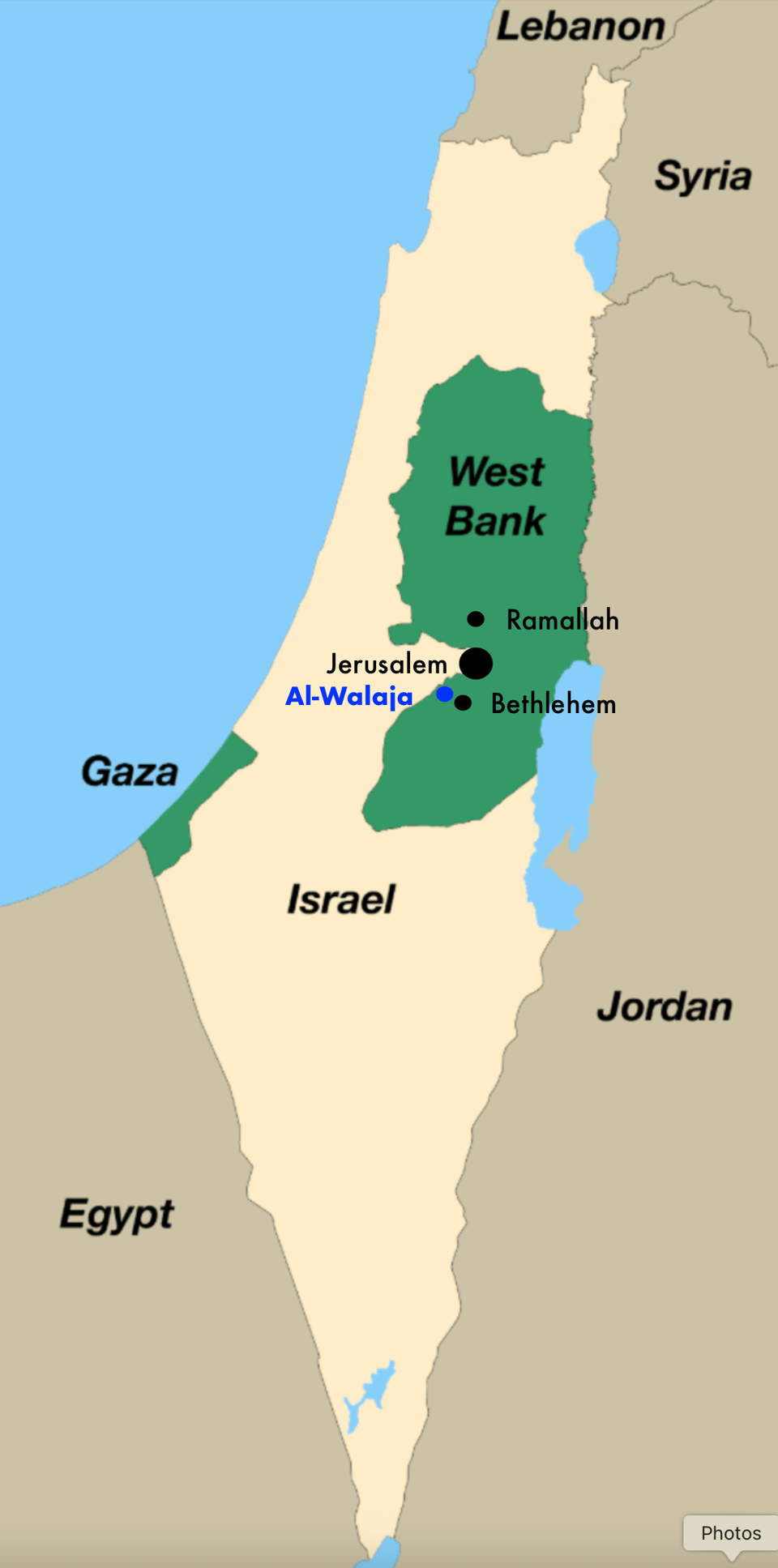
A map showing Israel, Gaza, and the West Bank, along with neighboring countries
Gaza and the West Bank are described in US government documents as Palestinian territories. I have never visited Gaza, which Israel sealed off from the rest of the world in 2007.

I stayed two nights in Al-Walaja, a beautiful rural village in the West Bank that is just west of Bethlehem and southwest of Jerusalem.
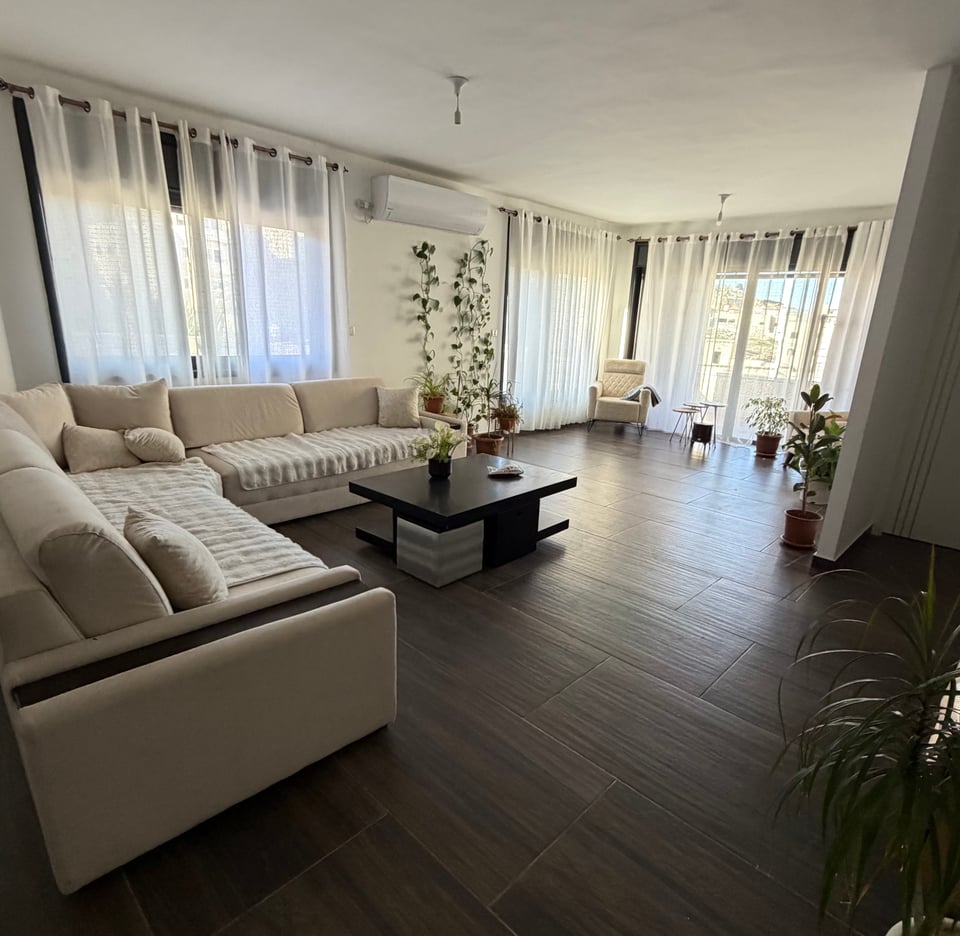
A living room with dark wood floors, sheer curtains, sofa, chair, coffee table and plants
I rented this beautiful home in Al-Walaja for two nights

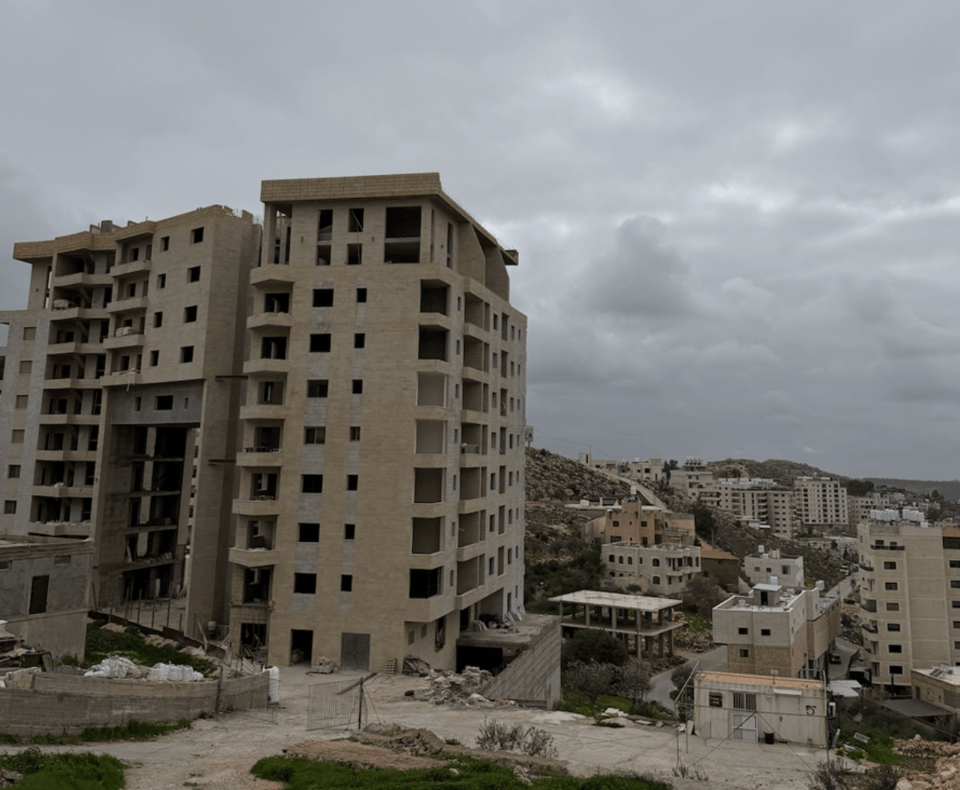
This apartment building in the town was under construction until Israel announced that it would demolish the building for being too tall in an area close to settlements. Israel has demolished other homes in the town, including this one in 2024 and this one in November 2025, under the pretext that they lacked building permits. (Such permits are virtually impossible to obtain.)

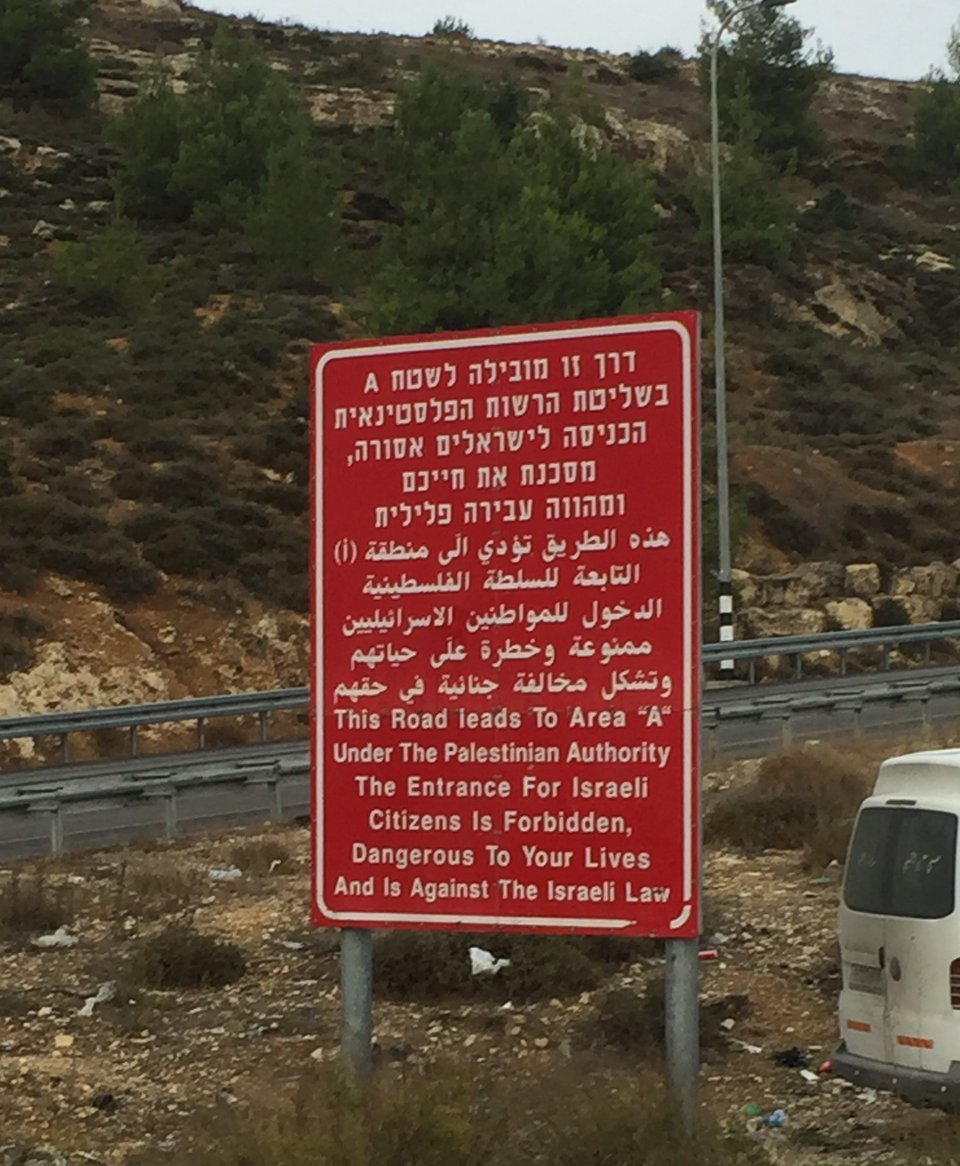
A red sign on the side of a road that says in Hebrew, Arabic and English:  "This Road leads to Area 'A' Under the Palestinian Authority. The Entrance for Israeli Citizens is Forbidden, Dangerous To Your Lives And Is Against The Israeli Law"
The entrance to Al-Walaja has a red sign like this, warning Israelis that it is dangerous to their lives to enter. However, the only danger I felt in Al-Walaja, and in the rest of Palestine, was from Israeli soldiers and settlers

There is a traffic circle to enter the town of Al-Walaja. One of the ramps from the circle has Israeli flags and is the entrance to one of the Israeli settlements close to Al-Walaja.
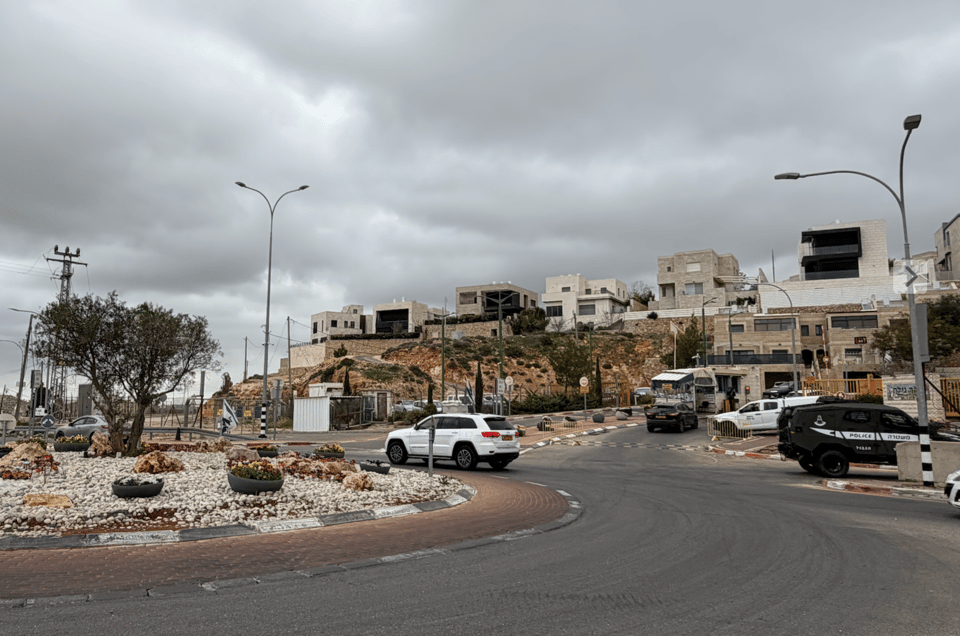
A traffic circle
The traffic circle to enter Al-Walaja, with an entrance to the illegal Israeli settlement Har Gilo, which was built on Palestinian land confiscated by Israel

International law considers the West Bank to be occupied Palestinian territory. Israeli settlements - which are Jewish towns and cities across the West Bank - are illegal according to the United Nations, the International Court of Justice, the International Committee of the Red Cross, and many human rights organizations. But that has not stopped Israel from building them.
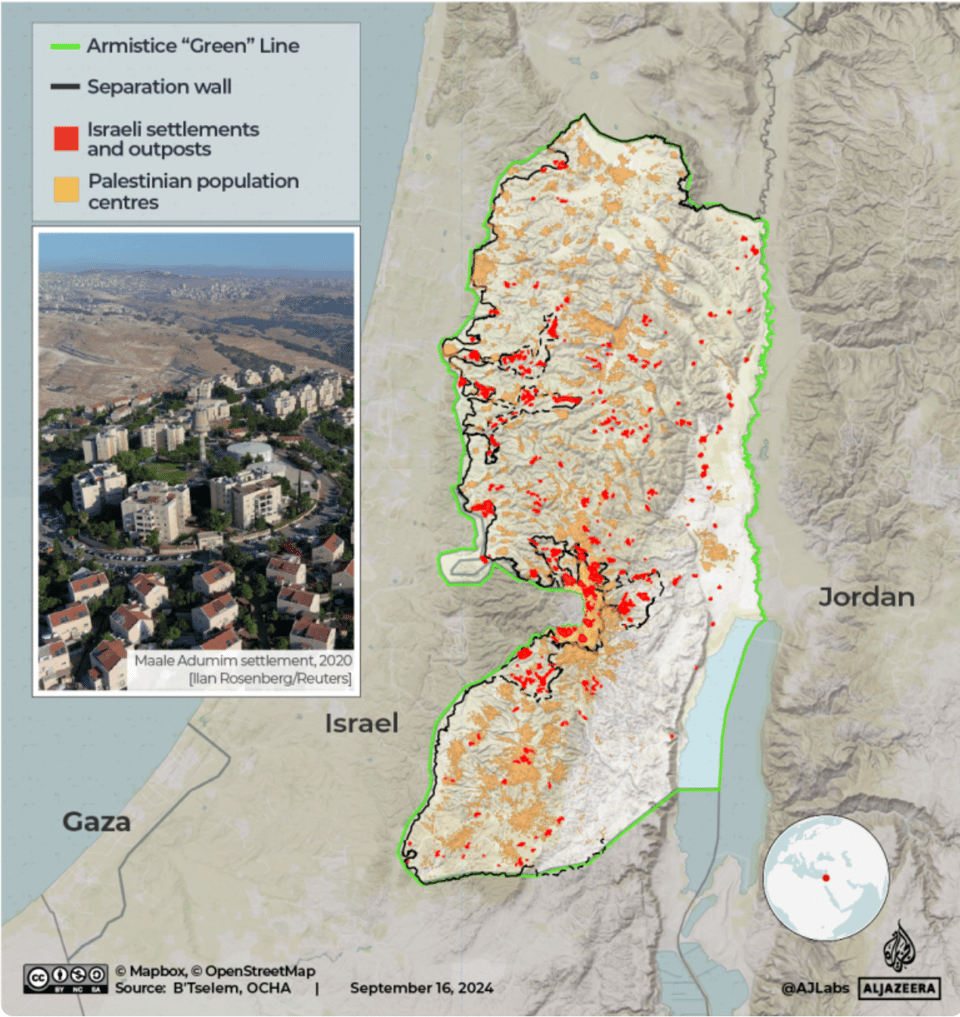
A map showing Israeli settlements and outposts throughout the West Bank
A map of Israeli settlements in the West Bank (as of 2024). New settlements have been built since then. Map from Al Jazeera, crediting @Mapbox, @OpenStreetMap, and Sources B’Tselem and OCHA

Because of the presence of settlements, Israel continues to build the separation wall - also known as the apartheid wall - all throughout Al-Walaja.
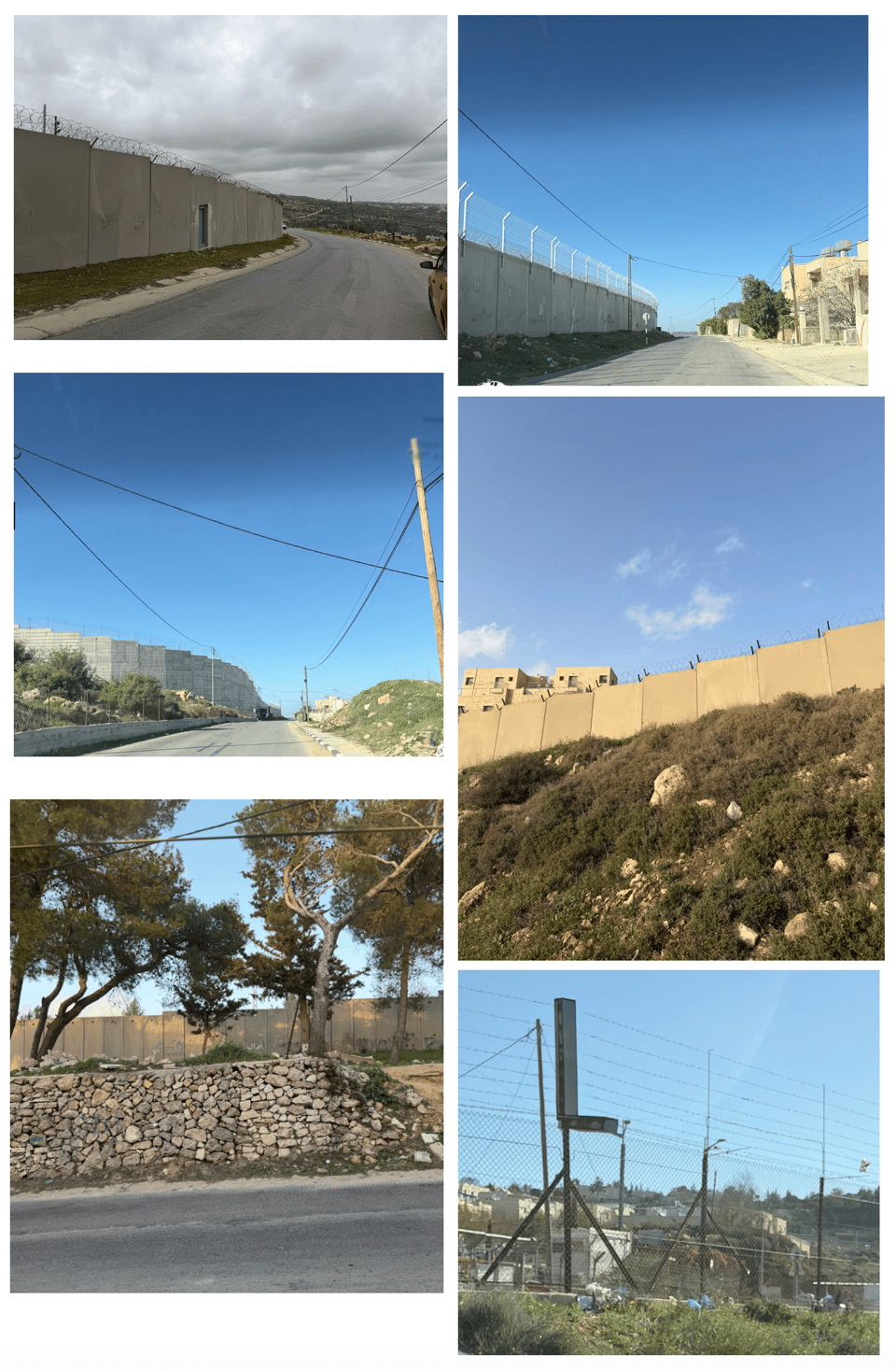
Six images of the separation wall; most are large concrete slabs topped and one is a fence, all of them topped with barbed wire
Six areas of the wall that snakes throughout the town of Al-Walaja and has transformed this rural village. The bottom left photo is across the street from my favorite restaurant there. The photo on the bottom right shows that sometimes the wall is a fence, with barbed wire and cameras at the top

Many people in Al-Walaja used to work in nearby Jerusalem, under permits issued by the Israeli government. However, after October 7, 2023, Israel revoked those permits, creating additional economic difficulties for the community. Checkpoints and gates are set up at entrances to the village, which the Israeli military can (and does) close anytime it wants, leaving the people of this and other places unable to leave or enter their own town. One person told me about a time the gates were closed for days, and he had to sneak out through a field, risking his life, to try to get some food and formula for his wife and newborn baby.
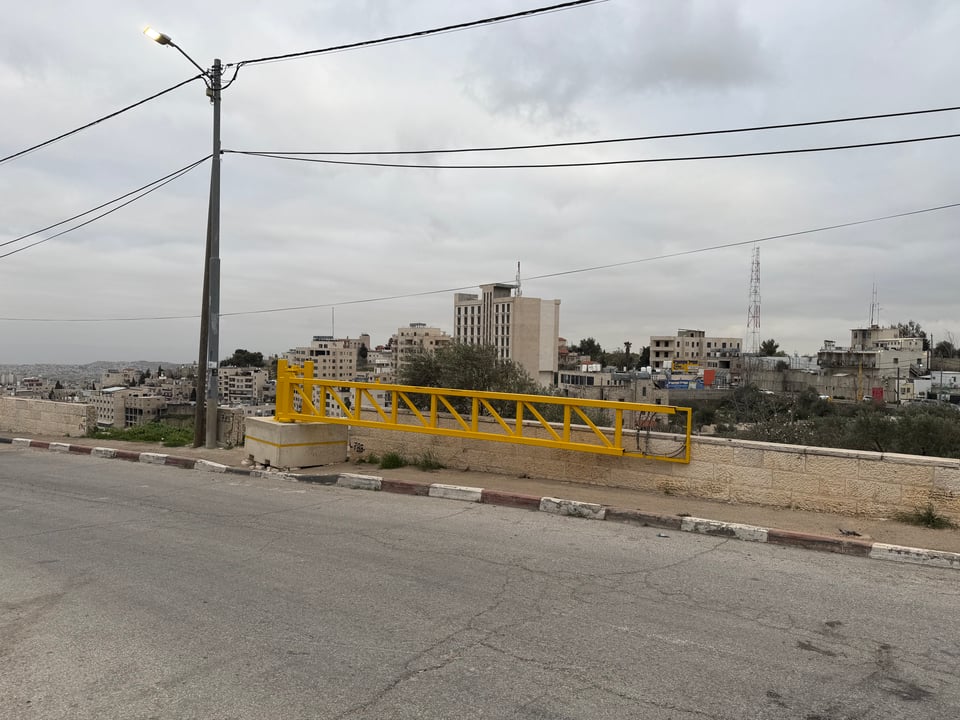
A road with a yellow metal barrier
One of the metal gates that Israel has installed at the entrances to Palestinian villages, town, and cities across the West Bank. I was lucky because while I was there all the gates were open. But sometimes the Israeli military closes all or some of the gates, locking Palestinians in or out of their towns

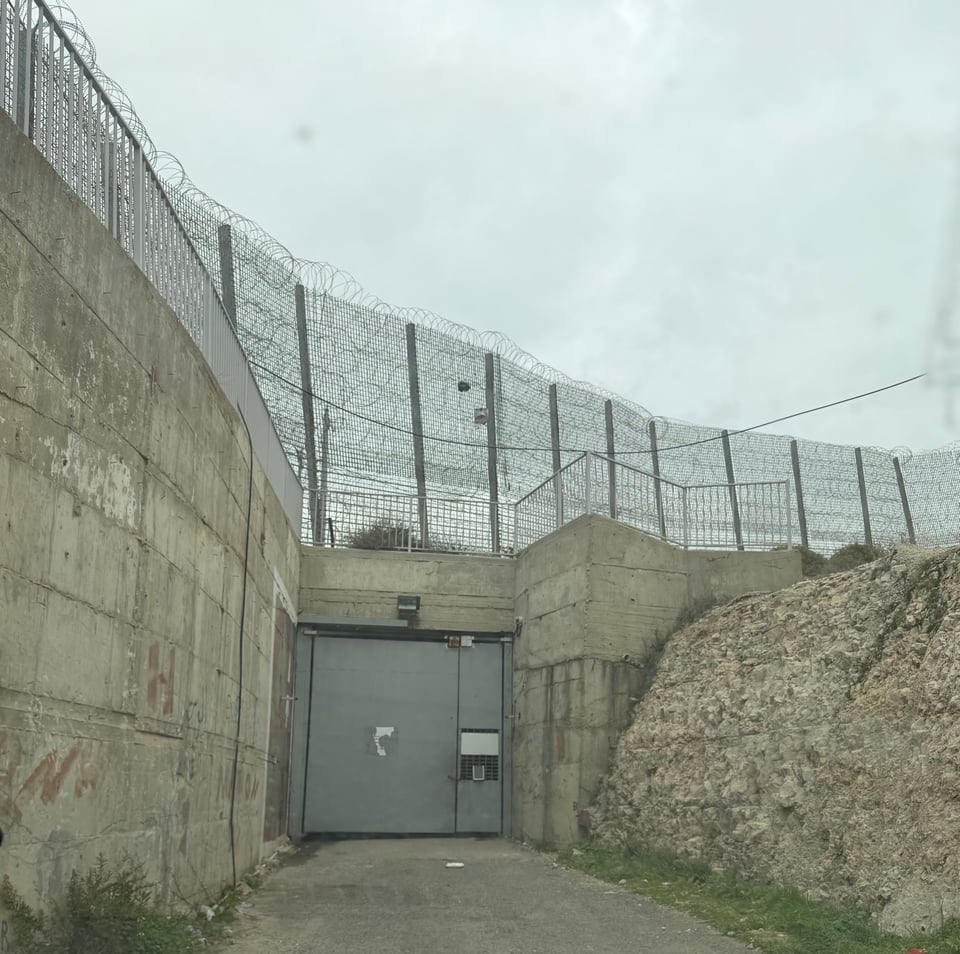
This is the entrance to a home that has been in the Hajajla family since before Israel occupied the West Bank in 1967. The family refused financial offers from Israel to give up the home where the owner, Omar Hajajla, his father, and grandfather were born. So Israel caged them in. Cameras monitor the family’s movements, and visitors are required to get permission from Israel 48 hours before each visit to the Hajajlas. Approvals can take from a few hours to a few days.

I was warmly welcomed by everyone I met in Al-Walaja, and I had the opportunity not only to join a family for iftar to break the fast on the first day of Ramadan, but also to participate in preparing qatayef, a delicious Ramadan dessert.
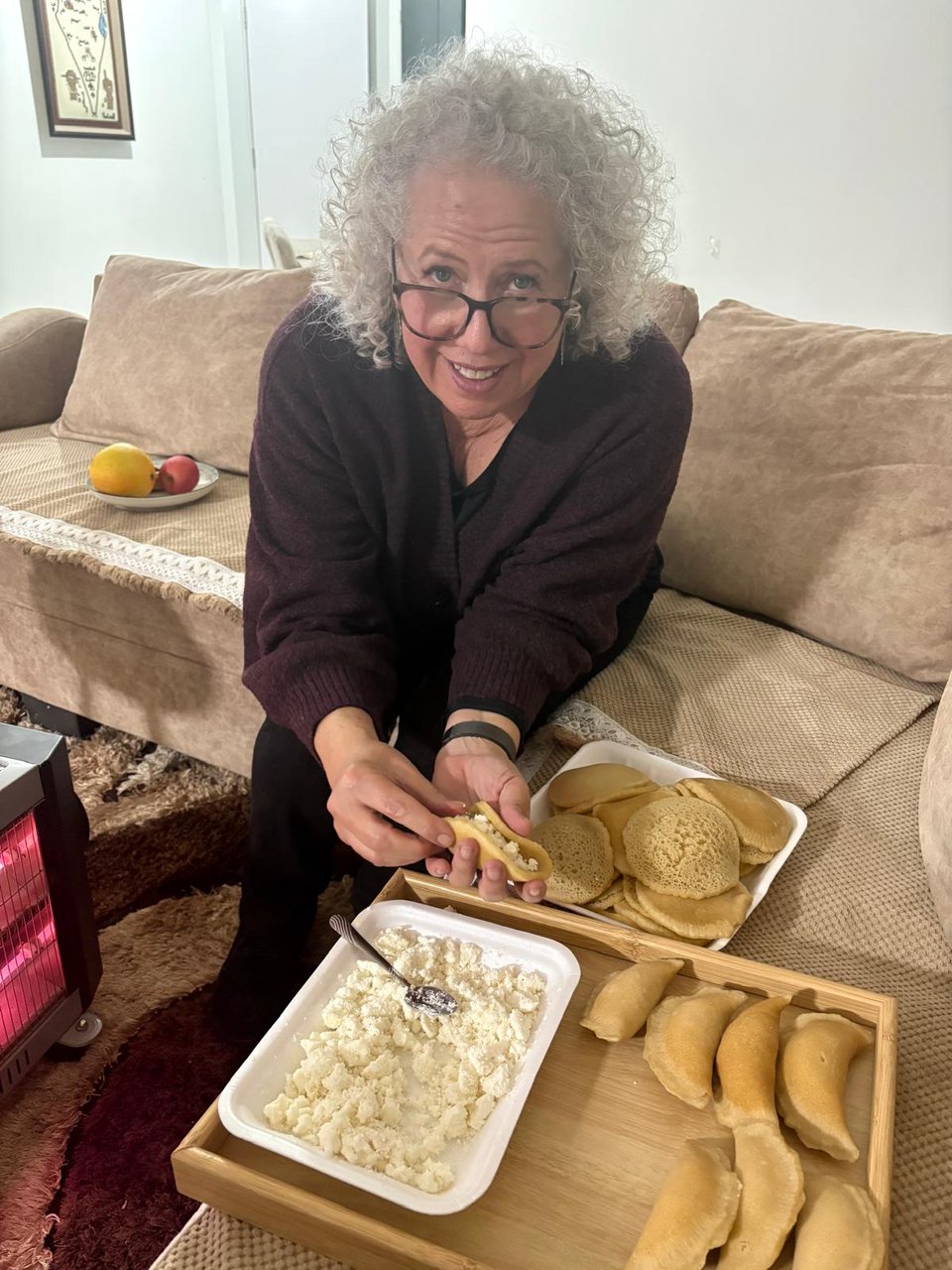
Me sitting on a couch with the ingredients of qatayef (cheese and pancakes), with some of them already stuffed, crimped and ready to be fried
Preparing a special Ramadan dessert, qatayaf (also known as atayaf) in the village of Al-Walajah in the occupied West Bank. These qatayaf are stuffed with a mild white cheese mixed with coconut. They are also stuffed with chopped nuts. The filled pancakes are fried and soaked in a sweet syrup. Delicious. Here’s a video (til the lights went out!)

I will close this Postcard with what my Palestinian friends are saying today: May God keep us all safe.

More soon and salaam,

Nancy

If this message was forwarded or if you reached it from a link, you can subscribe to receive future Postcards directly

Subscribe now

Don't miss what's next. Subscribe to Postcards from Palestine:
Powered by Buttondown, the easiest way to start and grow your newsletter.