Lots of love
Dear Friends,
I am back in Palestine to visit a place and people I love, and to attend the wedding of Majdal and Aboud (you can find Postcards about each of them at the links).
I was lucky to go the wedding, and also to two special pre-wedding events. Even in the midst of the oppression imposed by an increasingly crushing occupation and by a brutal genocide, Palestinians continue to celebrate life.
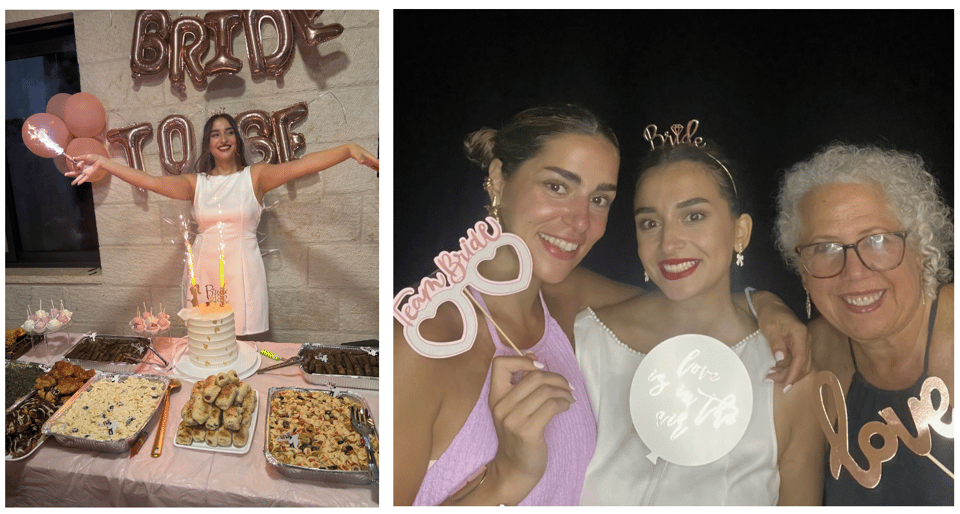
The first celebration was a bridal shower, which, like most showers in the US, was only for women. It included Majdal’s closest friends and family who danced, ate, and enjoyed a fun art project.

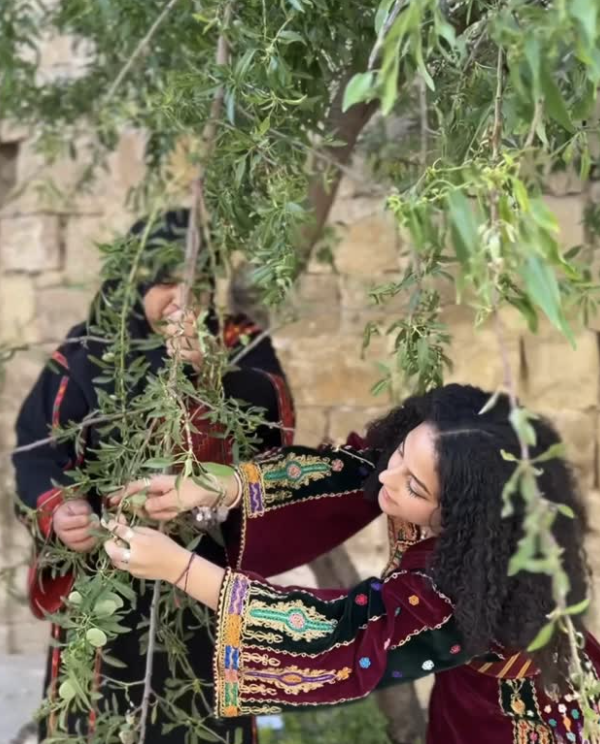
The next big event was the henna party, a wedding tradition that is a gorgeous celebration of identity and culture. Women gather to dance and apply decorative henna to the hands of the bride and other attendees. Henna designs are believed to bring joy and blessings. At Palestinian henna parties, women wear magnificent clothing that is decorated with Palestinian embroidery, called tatreez (تطريز). The groom attends part of the time as well, to celebrate and to give the bride traditional gold jewelry.
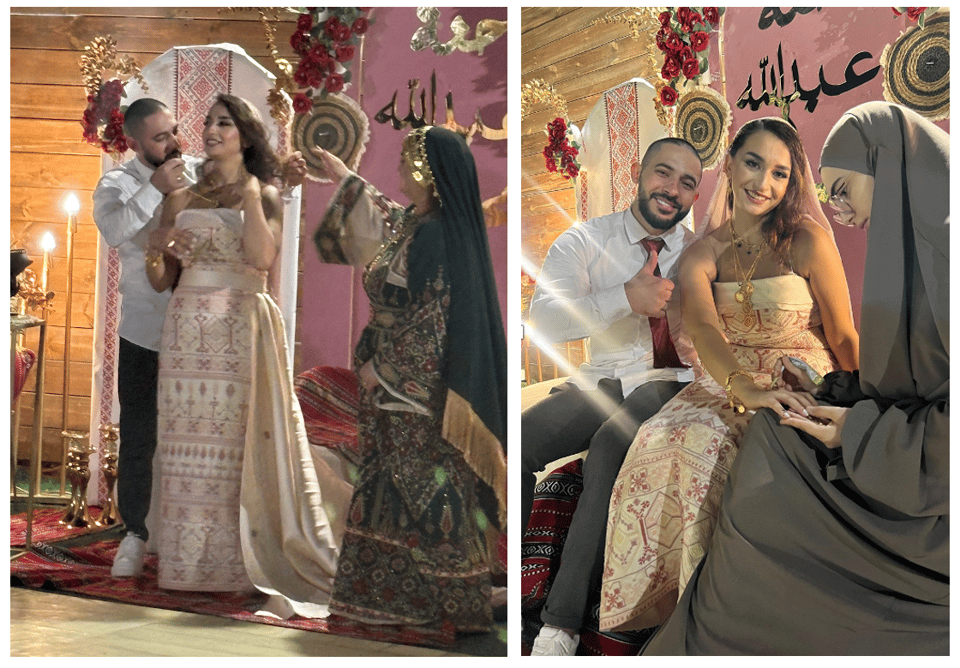
Tatreez embroidery is not only beautiful; it is a cultural symbol with deep social significance. Tatreez decorates traditional Palestinian dresses (thobes), and other items as well. Historically, each region in Palestine had its own tatreez patterns, and designs represented different cities and villages, telling stories of life and nature. Palestinian tatreez is an art in which “every thread binds Palestinian women to the land, the sacred historic land that their ancestors have been stewarding for thousands of years”.
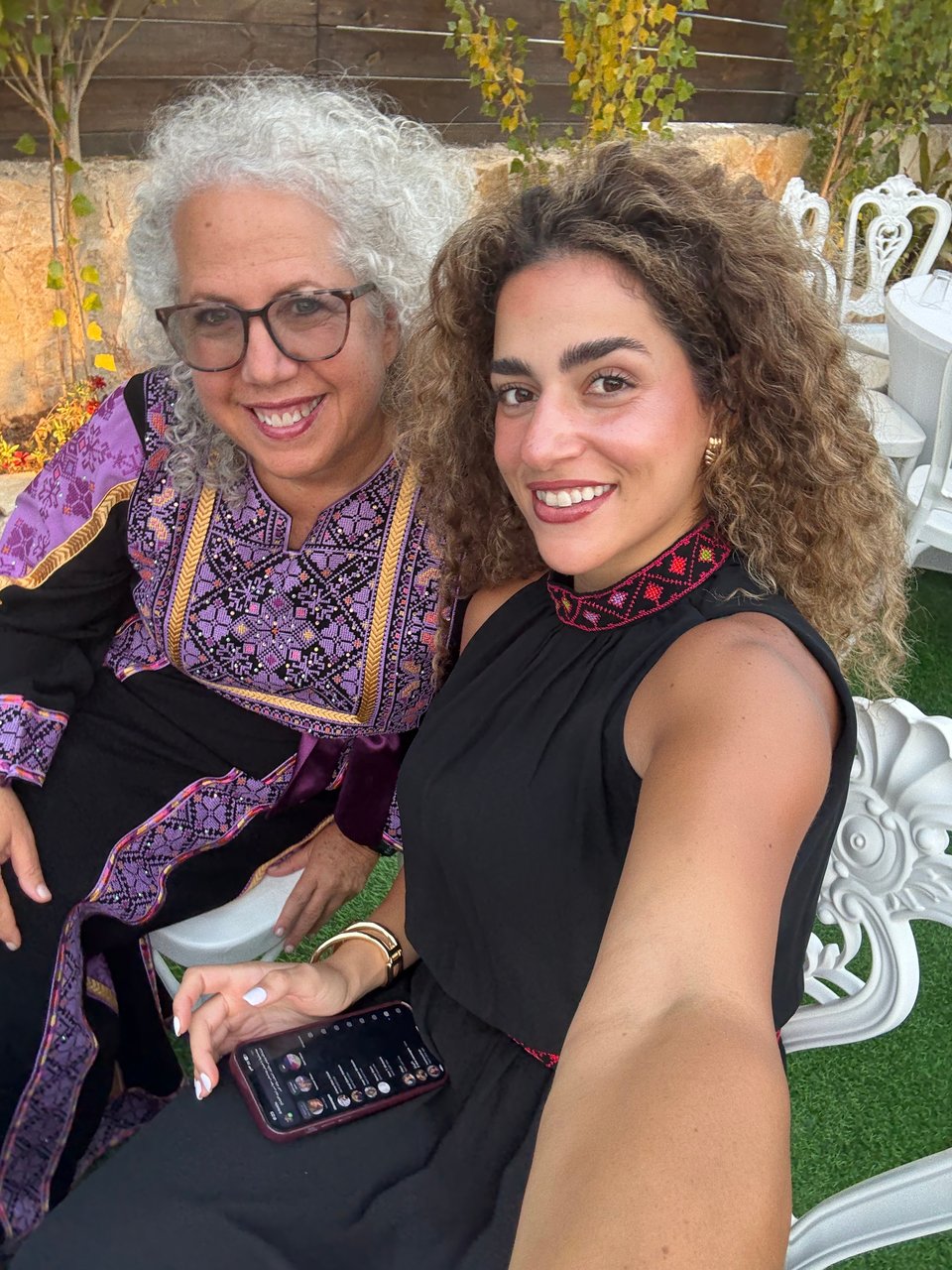


After a week of parties, it was time for the wedding party itself. The beautiful young couple, their families, friends and community held a grand celebration of love and hope for a bright future.

“Palestinian happiness [is] radical protest. When you are not supposed to exist, to be who you are, to live in your own land, to be with your own people, to name your villages and towns, and to roam freely without the humiliation of checkpoints and curfews, imagining happiness becomes an act of radical rebellion, a transgressive practice of stubborn freedom.”
- Nabil Echchaibi
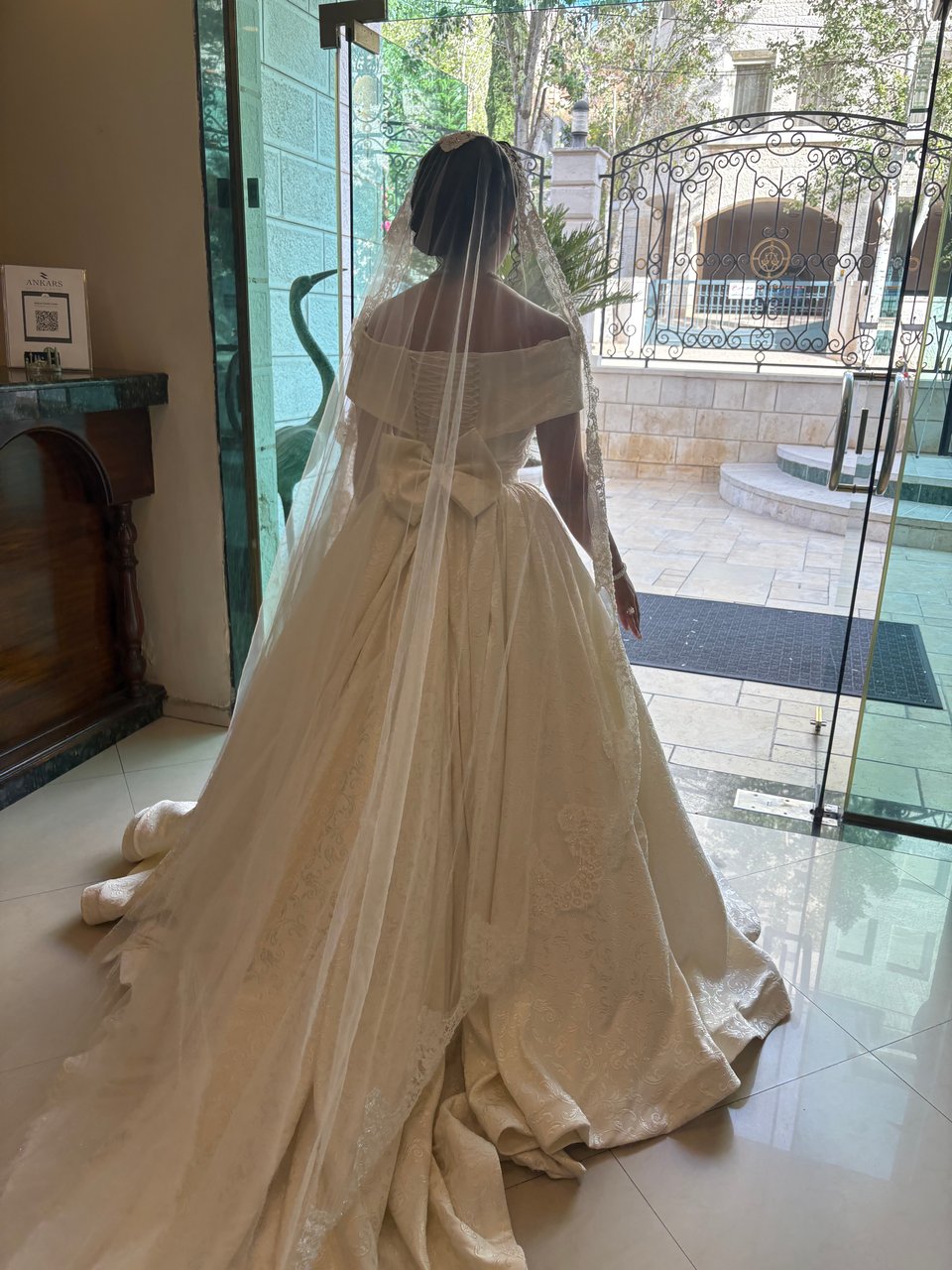
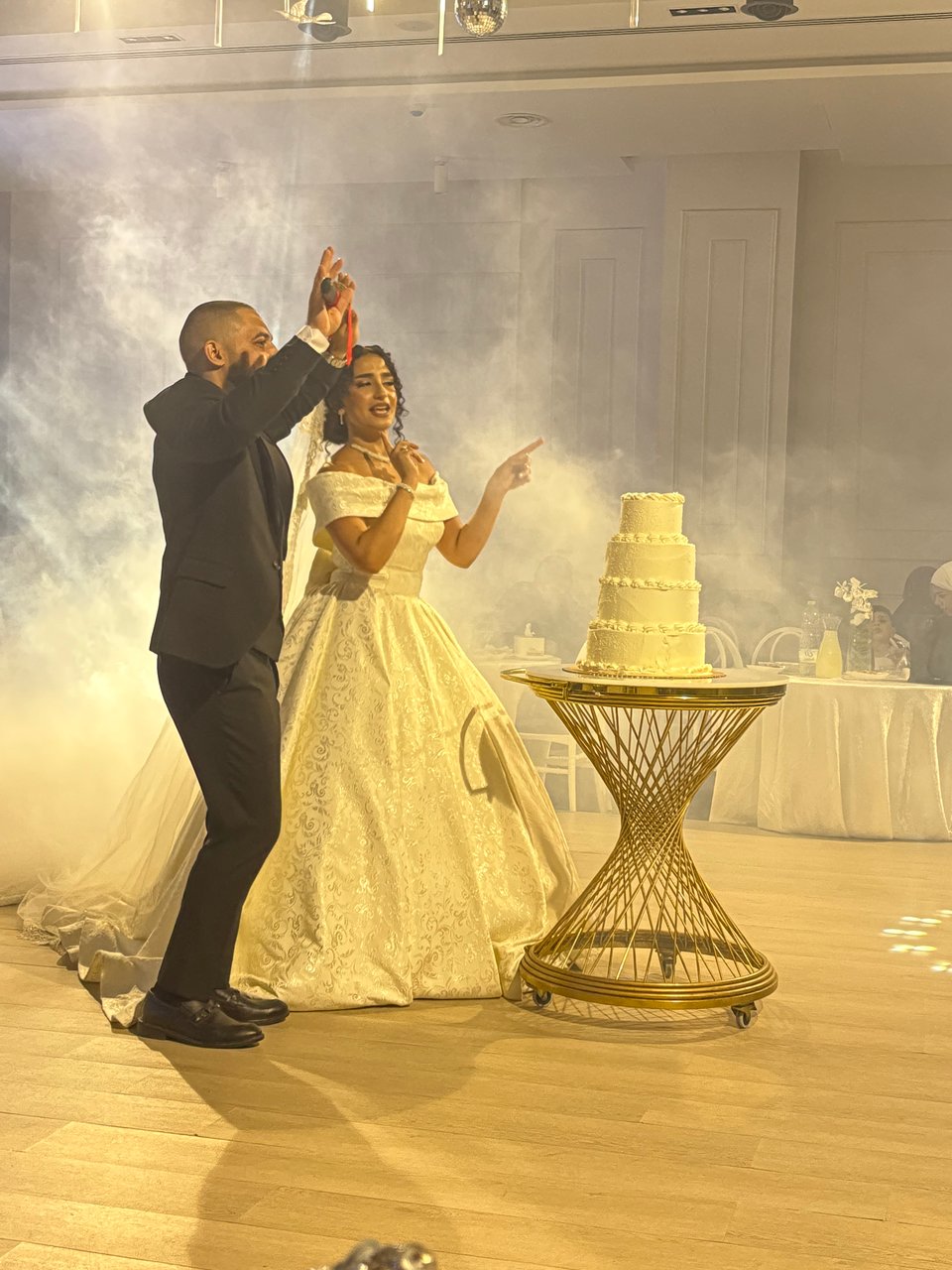
The wedding party was an all-women affair, with the groom in attendance for part of the time, and the men from the bride and groom’s families joining the party for the last half hour only.
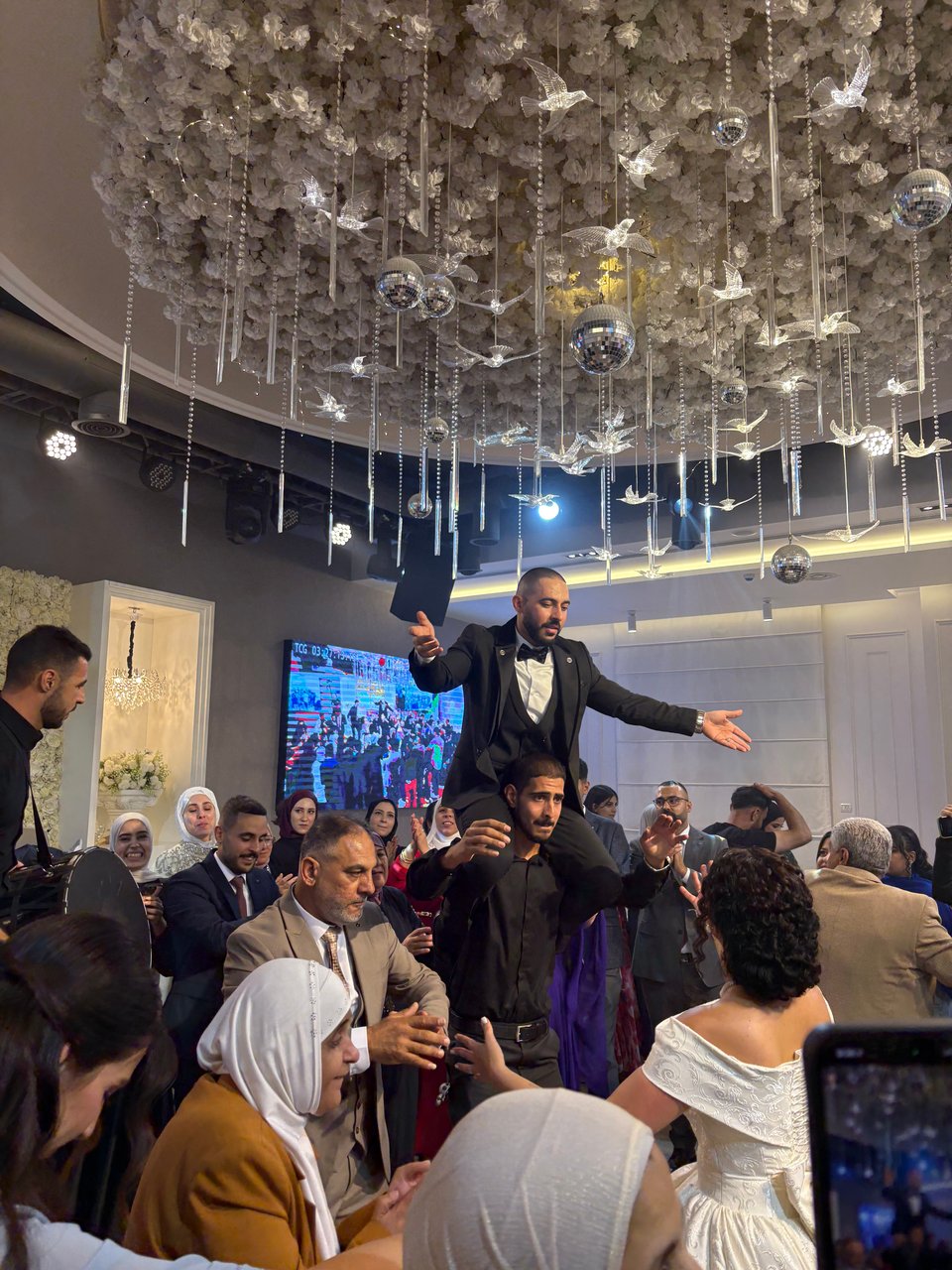

I stood out for sure, as the only non-Palestinian - and the only woman with gray hair! And I was welcomed warmly by everyone, without exception - friends and family, women and men of all ages.
They all knew I was from the US, and most learned also that I am Jewish. A few people showed some surprise at that, but seemed delighted that I was there. Palestinians make a clear distinction between Zionism/Israel (Jewish supremacy) on the one hand, and Jewish people on the other. It is not true that Palestinians hate Jews - this is propaganda that is used to justify the oppression of the Palestinian people.
What a privilege it was for me to be in the West Bank again, and to attend these events. Thank you, Majdal and Aboud, for inviting me, for your hospitality and kindness, and for sharing your stories. I wish you both a lifetime filled with happiness and love. And may you find yourselves soon in a Free Palestine.
Salaam,
Nancy