In the words of Palestinians: Israel and Jews
Dear friends,
I was fortunate to meet with a group of university students in the West Bank last year, in a wide-ranging discussion about their lives. If you’ve read the previous Postcard about checkpoints, you’ve met some of these students before. (Names remain changed, and students did not want to be pictured.)
All our conversations were in English. Thanks to classes, TV, films, books, social media, and very high levels of motivation, the students are quite proficient in English.
I introduced myself as a Jewish American who grew up in a Zionist home, where I was taught that Israel was a beacon of democracy that was essential for Jewish safety. I explained that I no longer hold those views, and that was part of why I had traveled to the West Bank. I shared with the students that I feel some guilt regarding my previous beliefs, and a feeling of complicity in Israel’s oppression of the Palestinian people. The students responded with kindness and insight - they said we all believe what we are taught as children, particularly when those lessons are tied to family and religion. The students noted that what matters is what we do as adults, and that we commit to seeking the truth and to learning for ourselves.
I shared my family’s history, including the deaths of my great-grandparents in concentration camps, and my father’s escape from Nazi Germany in 1939.
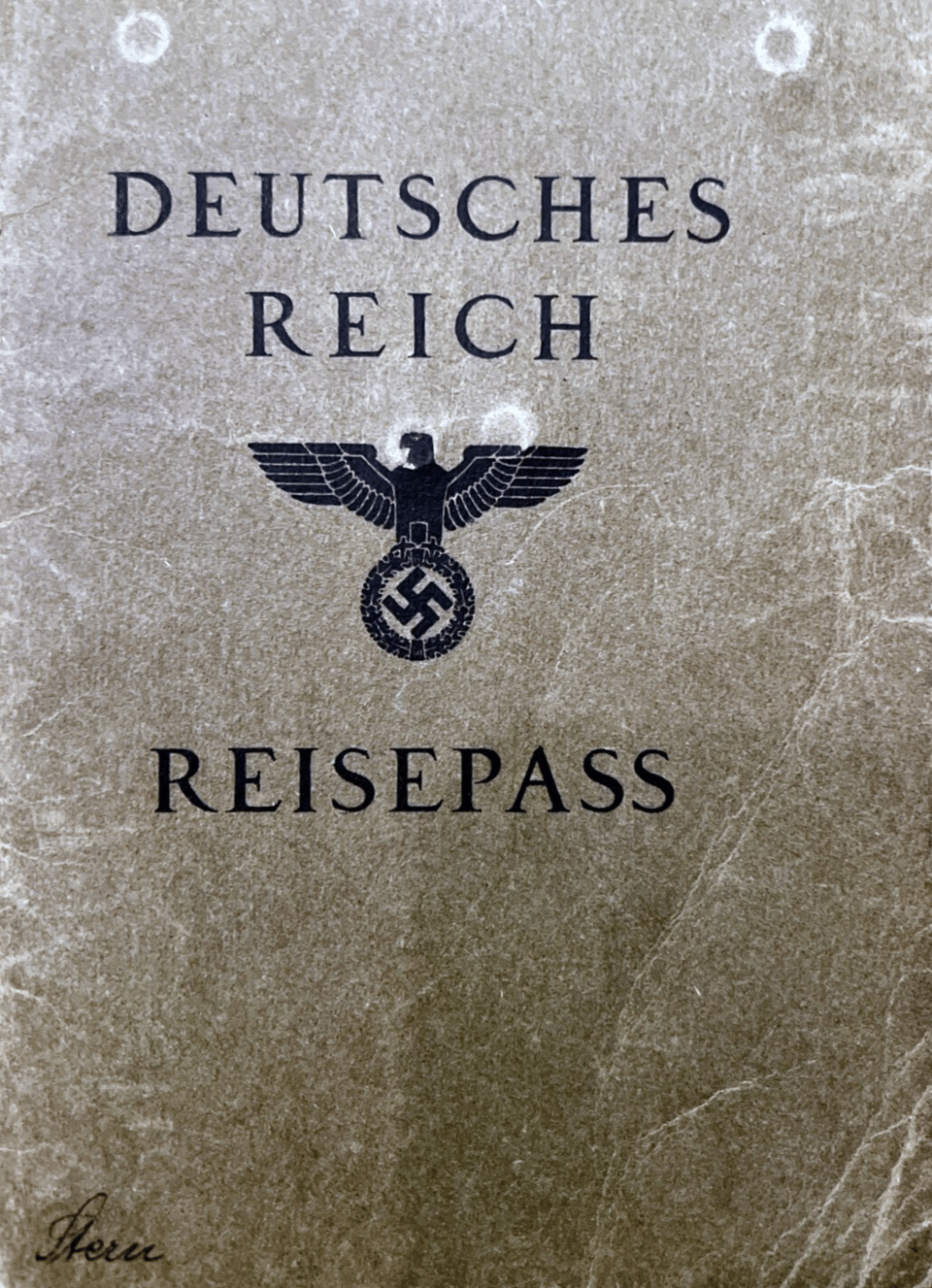
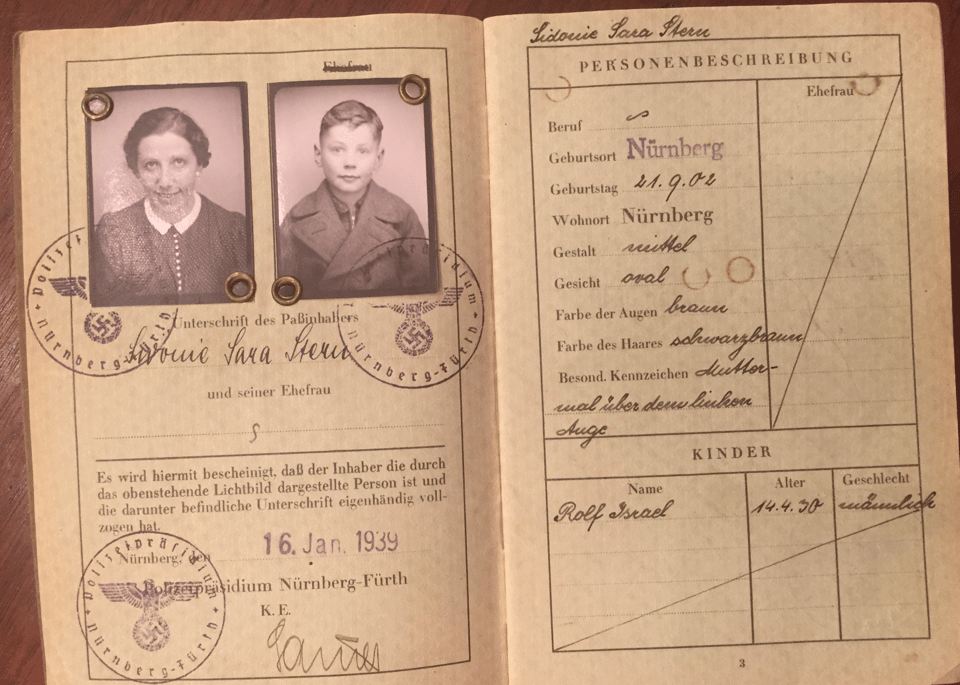
Several students expressed condolences for the loss of my family members in the Holocaust, and in the course of our conversation they shared many thoughts about Israel, Zionism, and Jews.
The history of Zionism in the early-20th century
The students are aware of Jews’ claims to the land, but they also know about their own family histories of dispossession.
Ahmed: What happened is they [early Zionists] came to this country. They thought that this is a country with no people…. What happened is they didn't even acknowledge us Palestinians here. Like we're just thin air. We're nothing. So they came in. It's like they never saw anybody and they just decided, okay, this is our land. Boom. That's it.
George: I personally would have been all for a safe space for the Jews after what they have suffered from, whether the Nazis or antisemitism around Europe or expulsions from all the different areas.… But the fact that it was created to be a supremacist state, I mean a Jewish state, by definition, in the way it is right now it prioritizes a certain ethnicity over the other. And that just does not belong in the 21st century in any way, shape or form. And the fact that it has support from Western nations that are claiming to be the most humane or care about human rights is just so hypocritical.
We were not the ones who have committed the atrocities that happened to them [Jewish people]. But the reality now is that we're actually paying the price of it. I feel like Israel really feeds on the idea that Jews are still under an imminent threat. And the generational trauma that the Jews have endured throughout the years, I feel like that is weaponized to get to basically brainwash people to support Israel or to serve in the military.
Judaism and Zionism
The students are keenly aware of the distinction between Judaism and Zionism.
George: What bothers me the most is that all of this [checkpoints, detentions, home demolitions by the Israeli government] is associated with the Jewish state. And the fact that they're basically weaponizing the Jewish identity, what is now called Israel, to silence everyone that's speaking about what is really happening. It's honestly insane.
A lot of young Israeli Jews believe that if they don't go into the army and, and if they don't practice occupation and apartheid in the West Bank and genocide in Gaza, that they'll be destroyed. And that is not the reality.
Sami: What I’m trying to say is, it’s not a Jewish occupation. It’s a Zionist occupation.
These are the words of the students, and they are also the sentiments others who I met in the West Bank. However, I think it’s important to note that not everyone agrees about the strict distinction between Zionism and Judaism. Israel is the self-proclaimed ‘Jewish state’, supported by a great many synagogues and Jewish institutions. Mohammed El-Kurd observes, “Not only do we live in fear of displacement at the hands of a colonialism that professes itself as Jewish, not only are our people bombarded by an army that marches under what it claims is the Jewish flag, and not only do Israeli politicians over enunciate the Jewishness of their operations, we are told to disregard the Star of David soaring on their flag….”
Saira: In their [Israeli] schools, they teach them that we Palestinians are the enemy. That’s how they convince them all to [want to] serve in the army! People think of Palestinians as being the violent ones, but we don’t even have weapons. And every Israeli serves in the army.
Israel and Zionism in the students’ lives
The students spoke about the dangers they face, and what Zionism means for their lives and their futures.
Omar: You know, us as Palestinians, especially living under apartheid here, our lives are very cheap. We’re dispensable to Israeli soldiers. They can just perceive us as a threat, even though we may not be a threat. And just shoot us and they'll get away with it. No accountability, no nothing. They justify it by using their own safety as a way to put our safety on the line.
Amira: If you go to the settlements, you’ll actually find people from Africa, people from China. Yeah, but not from here. It’s very common to see an Israeli soldier who speaks English like he’s from the US…. the category that we're dealing with is the Zionism, the Zionists, who we have a problem with because they're just demolishing houses, kicking us out, killing us.
Omar: Because the Jewish identity in Zionism, especially nowadays in the West, is so closely intertwined and sometimes it's even indistinguishable, a lot of people don't make that distinction. And so we have to tell the people that in order for the Jews to feel safe, it doesn't have to come at our expense. We don't have to die, you know.
Ahmed said, “We don't have to sacrifice ourselves for their safety.” Omar replied, “We're not sacrificing ourselves. They're sacrificing us.”
Imagining a different future
The students are hopeful, and they can imagine a better future.
George: I highly believe that Jewish safety and Palestinian freedom can both be achieved. But if we keep going this way, where Palestinians are being radicalized by occupation, genocide, apartheid, and Israelis are being brainwashed into hating the people on the other side of the wall, we're really not going to get anywhere.
Omar: What we as Palestinians are trying to tell the world is that in order for the Jews to feel safe, that doesn't have to sacrifice our safety. It doesn't have to come at our expense. You know, that's just what we're trying to get out to the world because it's very important.
Malika: We do have hope as Palestinians, and we still look for a better future and a bright future. And we just hope that this is going to finish really soon, for once and for all. Your coming here gives us hope, and seeing people and a lot of protests in America and all around the world gives us hope.
I was so impressed with the students’ knowledge of world history, their insights, and their kindness. As I’ve written before, I tell nearly everyone I meet in the West Bank that I am Jewish. (It usually comes up in conversation when people ask why I am there.) I have not met a single person who reacted negatively, or whose warm and kind attitude toward me changed with that information. With justice, there can be peace.
Salaam,
Nancy
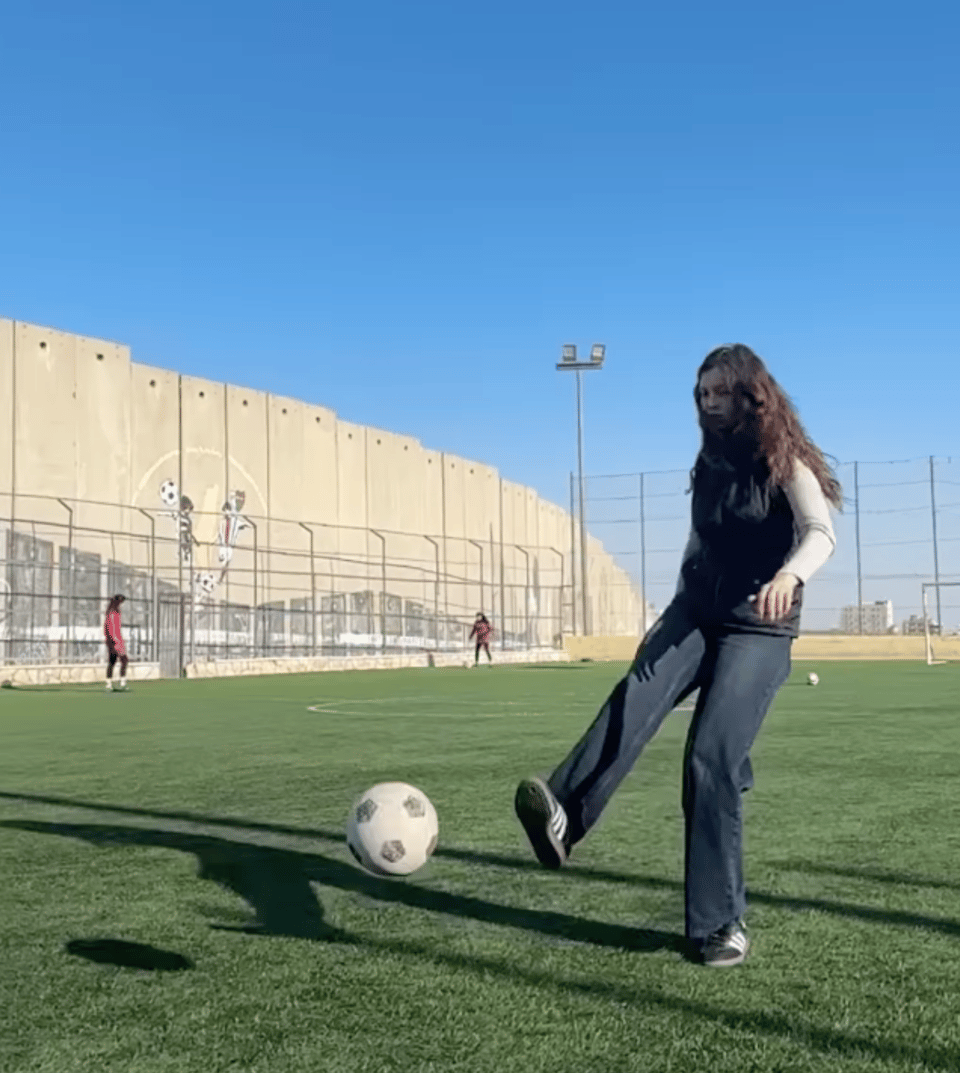
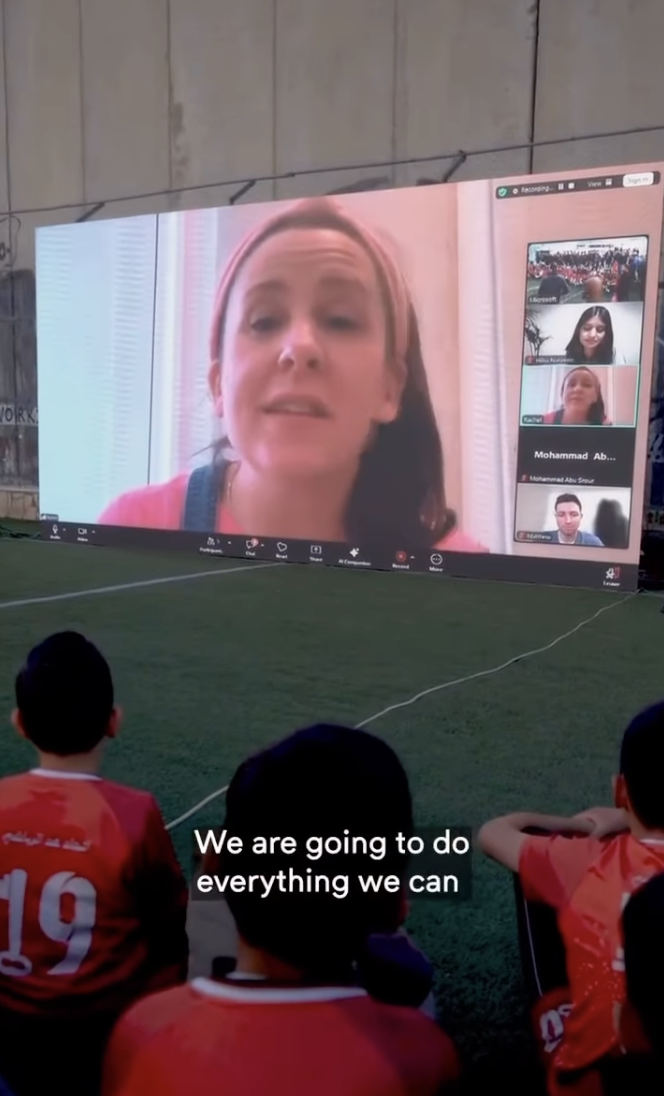
One more thing… Please consider signing this petition from the children at the Aida Refugee Camp in Bethlehem. Israeli authorities have ordered the demolition of their soccer field, eliminating one of the few spaces where children are able to run and play. International pressure does work, so please sign and share if you can.
If this message was forwarded or you reached it from a link, you can subscribe to receive future Postcards directly