In the words of Palestinians: Checkpoints
Dear friends,
In the US we hear a lot about Israel/Palestine, but it’s usually Americans and Israelis doing the talking. (A recent study of four Sunday news programs found that in the two years following October 7, 2023, there were 109 interviews related to the war on Gaza: 84 interviews of US government officials, 24 interviews of Israelis… but just one interview of a Palestinian.) One of the reasons I wanted to spend time in the West Bank was to hear directly from Palestinians themselves.
During my travels, I spoke with students, faculty and staff at schools and universities, people in hotels, restaurants and museums, taxi drivers, and others. This is the first of several Postcards - in the words of Palestinians. All names and some minor details have been changed to ensure anonymity.
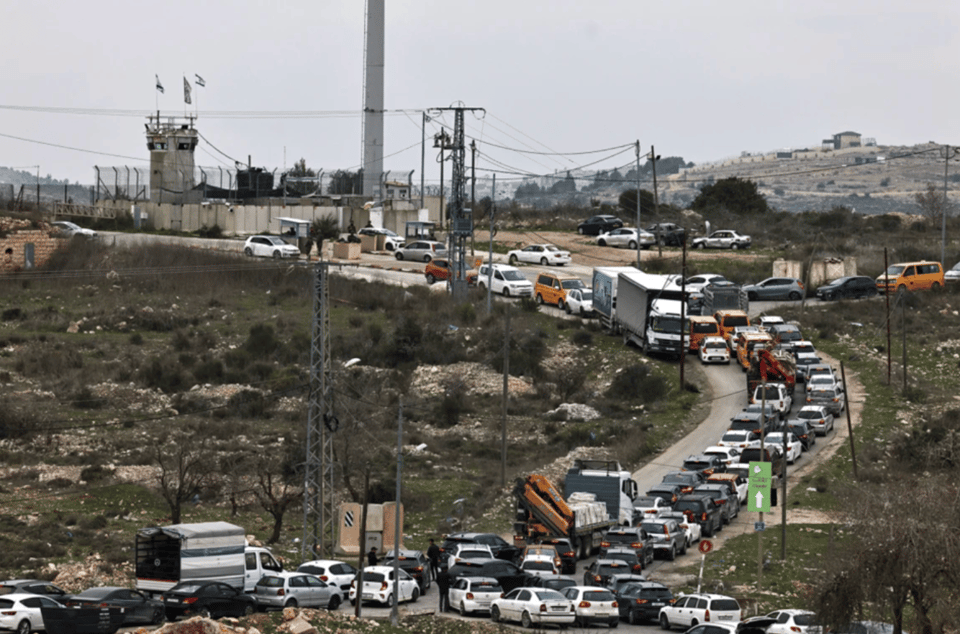
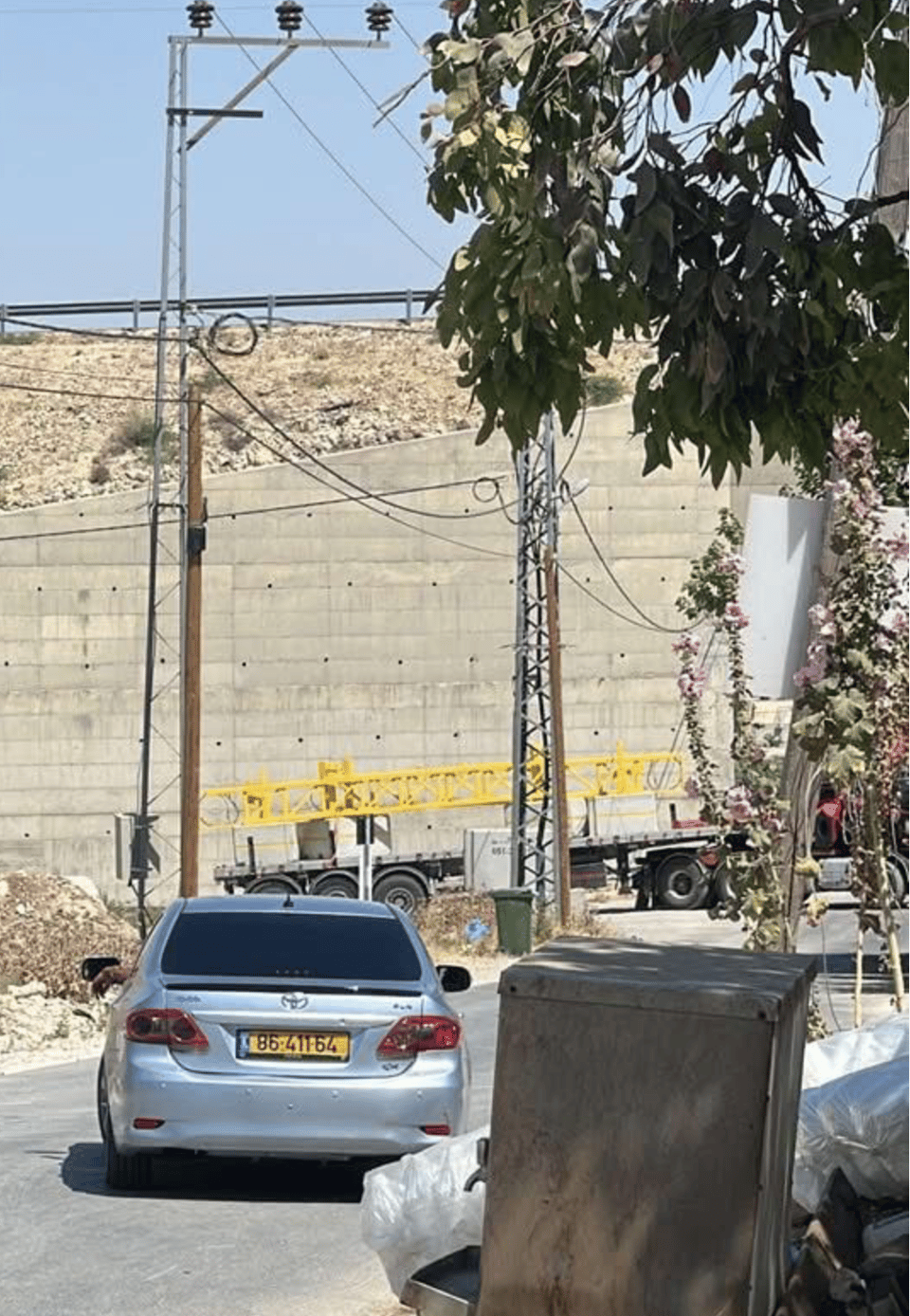
Today’s topic: Checkpoints. Because of an intricate, growing, and ever-changing network of checkpoints, gates, and other obstacles, Palestinians do not have freedom of movement even within the West Bank. Israel claims that checkpoints are a security measure, but they are undoubtedly sites of control and violence against Palestinians.
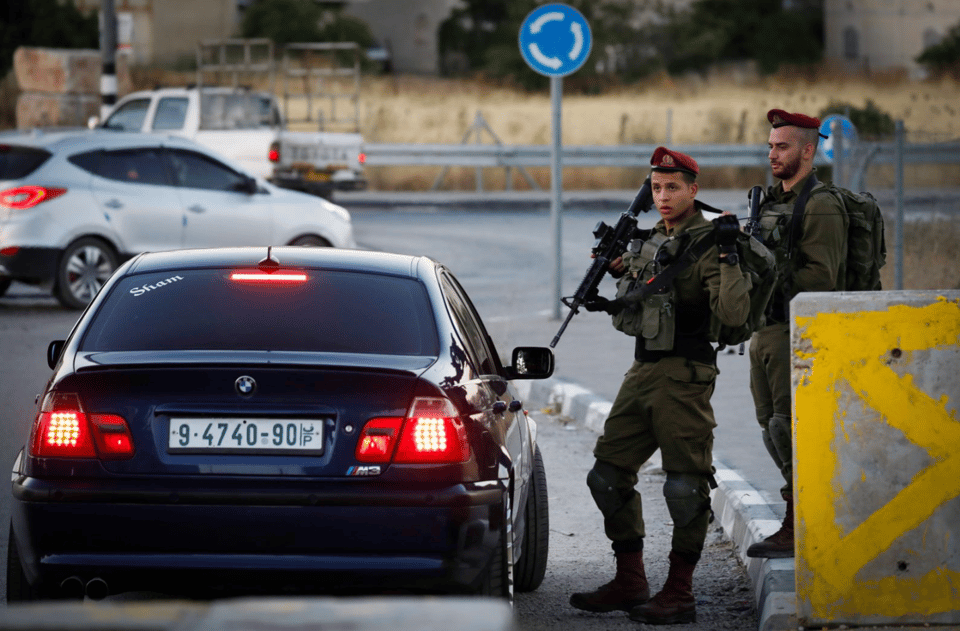
Naji is a teacher in a private high school, with two young children of his own who go to a different school: “The checkpoints are difficult, but this is our life. People outside Palestine do not understand what checkpoints are. If you’re in a car, or if you are walking, they will stop you. The Israeli soldiers will ask for your ID. Then they will ask, where are you going and where are you coming from? It doesn’t matter if you’re a man or a woman or if you’re young or if you’re old. Lately, they’ve been asking for your phone. They have these new machines that connect to your phone, and they take all the photos from there. If they find anything about the news, you're gonna be held and you're gonna be hit — really hit. They will hit you, and all the other people lined up at the checkpoint will be watching. Sometimes that checkpoint will be closed until they finish hitting you…. No one can stop them. So our students go through this. Sometimes they are the ones who are hit, but most often they watch other people being beaten. We always hear these stories from the kids about being held, having their phones looked at.”
Ahmed is 21 years old, a 2nd year university student studying English literature and communication. Without checkpoints, it would take him twenty minutes to get from his home to his school: “I leave my house at 5 am for my 8 o’clock class. That's a three hour gap between me and my first class. I go out early because of the checkpoint and I don’t know how long it will take. After I get to the university, I put my seat back and I just sleep until the class. Every morning the checkpoint is bad because there's a lot of workers, a lot of students, and they don't even open all the lanes. It's just one path. It’s bad. And they [the Israeli soldiers manning the checkpoint] just want to do it for no reason. They’re just like, ‘okay, let's just open one path and let them struggle and fight each other’. And sometimes that actually happens. When there’s a lot of traffic, people get out of the car and sometimes they fight to the point where they hit each other's cars and stuff. I'm like, ‘hey, that's what they want! Just relax!’”
Ahmed continues: “I never get stopped [at checkpoints] - I just show my identification. But two weeks ago on my way home, I got pulled over. I don't speak Hebrew. The soldier came to me - he was speaking Hebrew super fast…. He took me to an interrogation room. And he started hitting me - the punches, the kicks, the slaps, they keep coming right and left and I'm like, ‘hey, yo, you're violating me, bro.’ So I got a slap on the head, a punch to the stomach and kicks to my knee. Funny thing is, I was laughing about it. … I was like, ‘hey, yo, just ease up, bro.’ And he's like,’okay, stick time.’ Bam! Then he let me go. I was jumping on my leg like a kangaroo. And my friend drove the car all the way back home. They're violent! They violate people easily, especially if you don't speak Hebrew. If you don't speak Hebrew, you're done. You're cooked.”
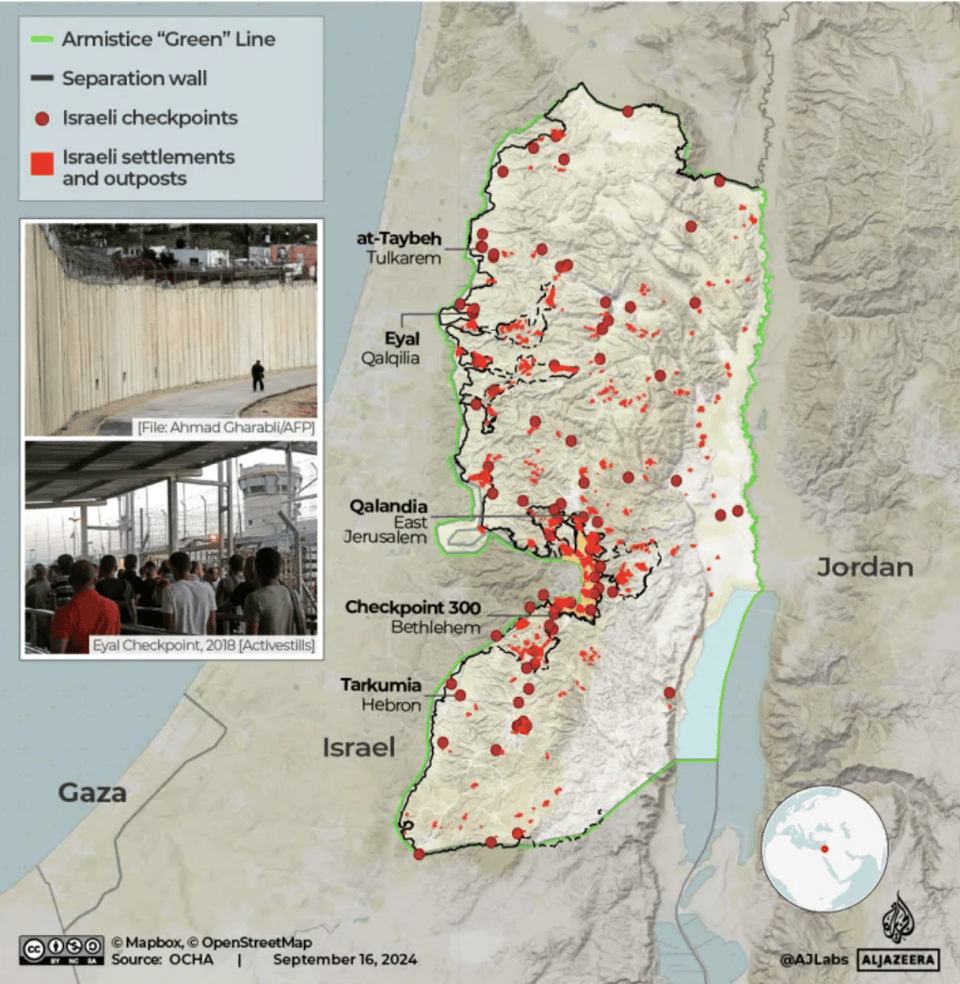
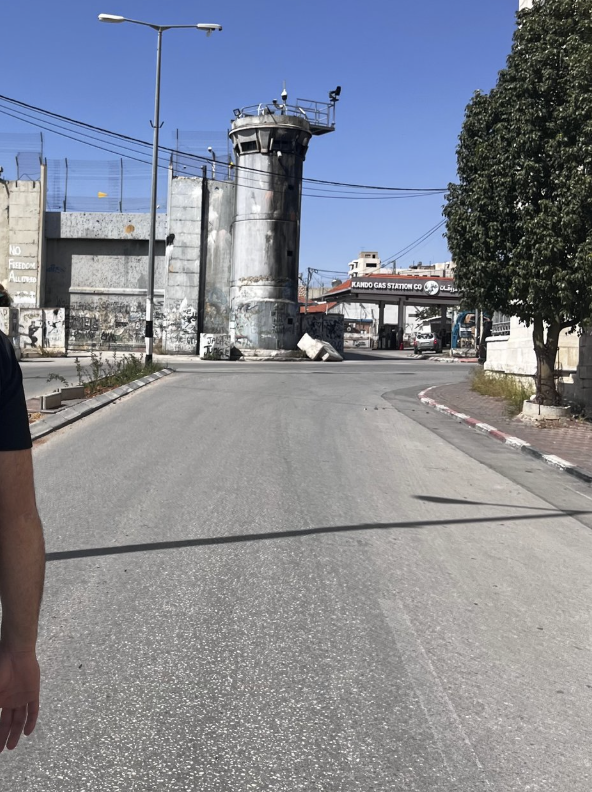
George is studying business administration at another university. “I saw a video right from the beginning of the war or genocide. It was basically a person getting shot multiple times at a checkpoint.… The video was really shocking because the school I graduated from was on the other side of that checkpoint. So every time I had to go to school - throughout my 12 years of education - I had to go through that checkpoint. Even now, high school, middle school, elementary school, all the kids have to go through that checkpoint every day.”
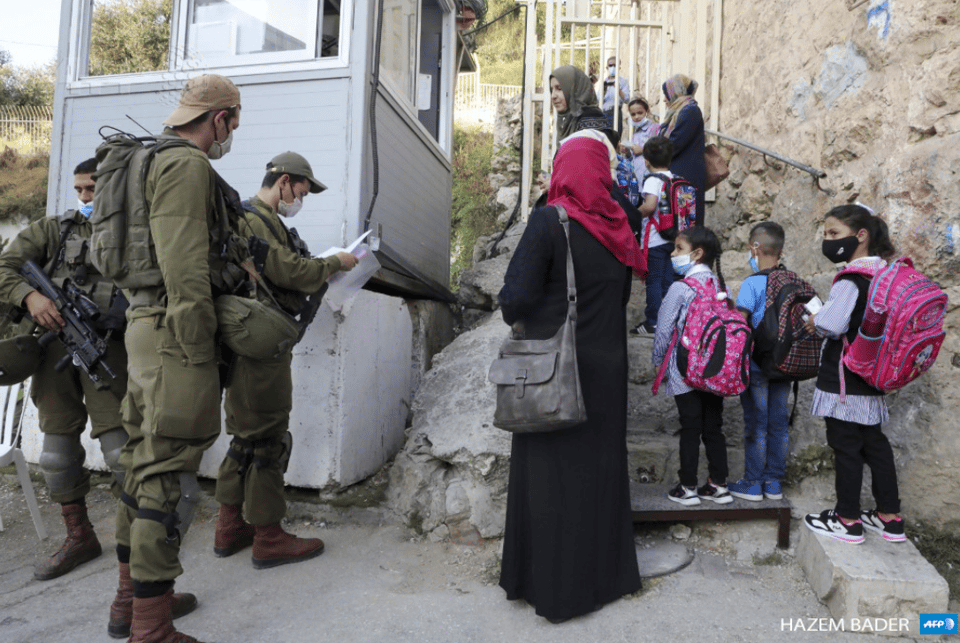
Celine is 22, and is studying English education at a university in the West Bank: “My sister studies at An-Najah University. Her friend was trying to cross a checkpoint to go to the university, and a soldier stopped her and took her to a room where there's no windows, no anything. Just a room. And he made her take her clothes off and hit her. Like everywhere. And she came back to the university, and she couldn't walk anymore from all the hitting.”

Layla, a university administrator: “You can see why we are so proud of our students. And, you know, despite everything - look at them smiling, after coming through the checkpoints every single day. For everything they do, everything. Nothing stops them.”
Naji, the teacher said, “The kids are scared at checkpoints. We are all scared. But we Palestinians—I don't know if it's in our blood—but we know that we are defending ourselves. The kids know that it's our land. You can see that in our kids’ eyes, even at the checkpoints. Even though they are scared, they won’t let the soldiers see that.”
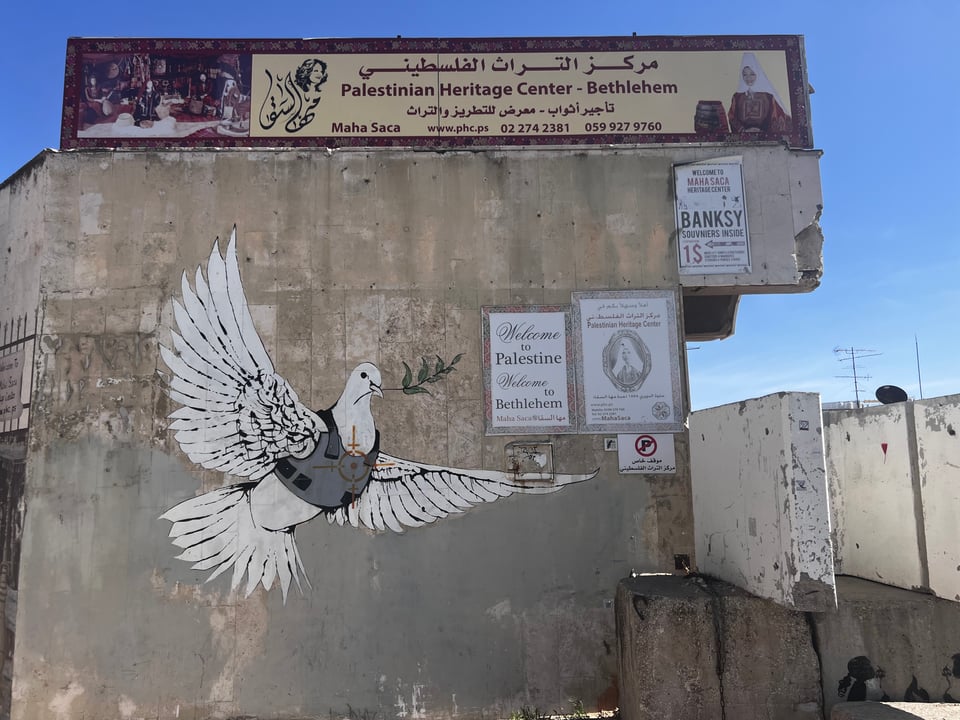
Wishing everyone a happy and healthy New Year. May 2026 bring peace and justice,
Nancy