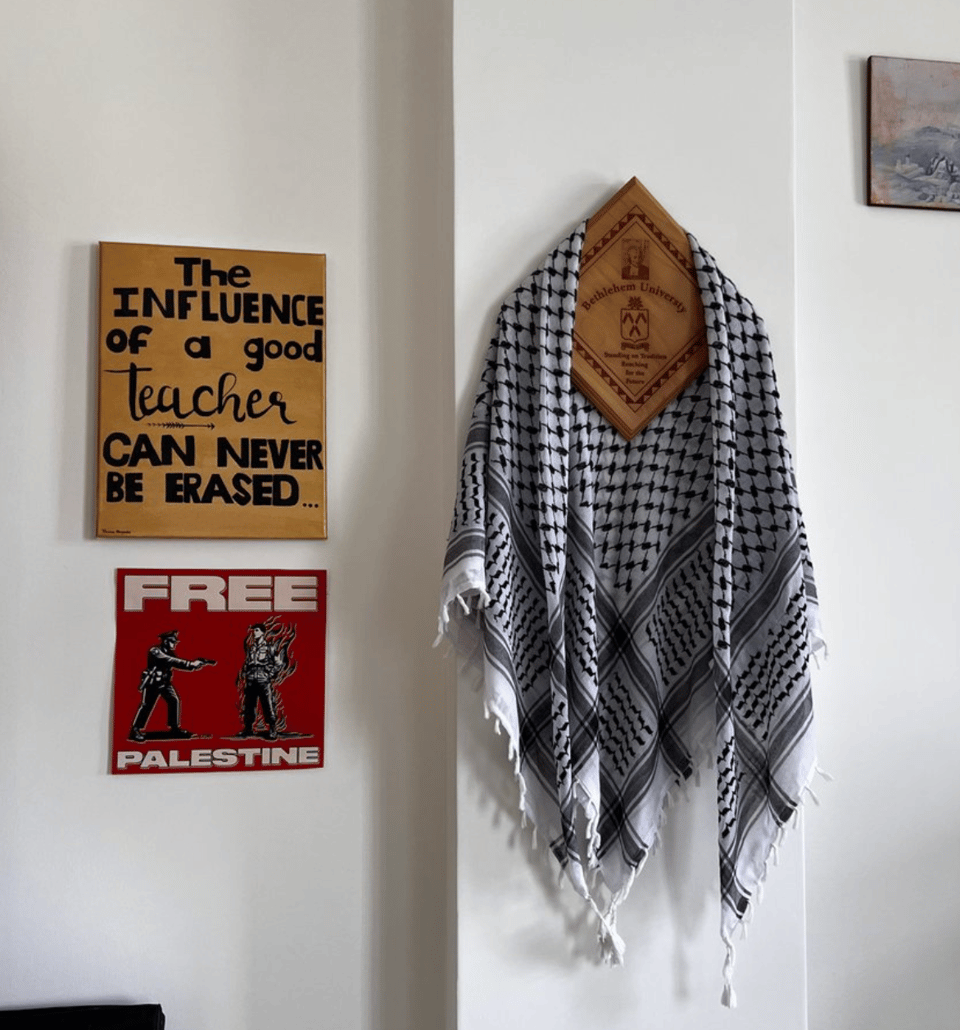
A Visit to Bethlehem University
Dear Friends,
While attention is focused on the horrific assault on the people of Gaza, Palestinians in the West Bank continue to live under harsh and ever tightening Israeli control. Palestinians there face military checkpoints, arrests, imprisonment (often without charges), and home demolitions. More than 950 Palestinians in the West Bank have been killed by Israeli forces in the last two years.
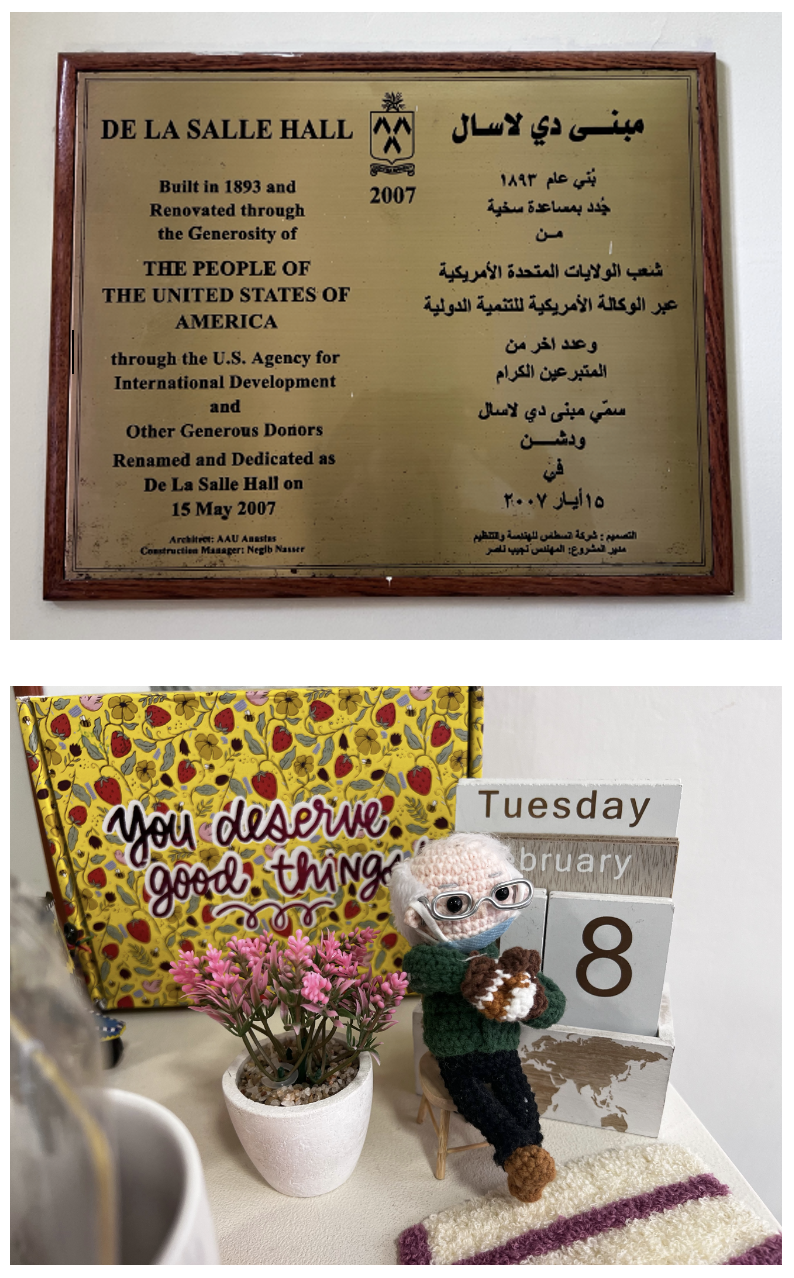
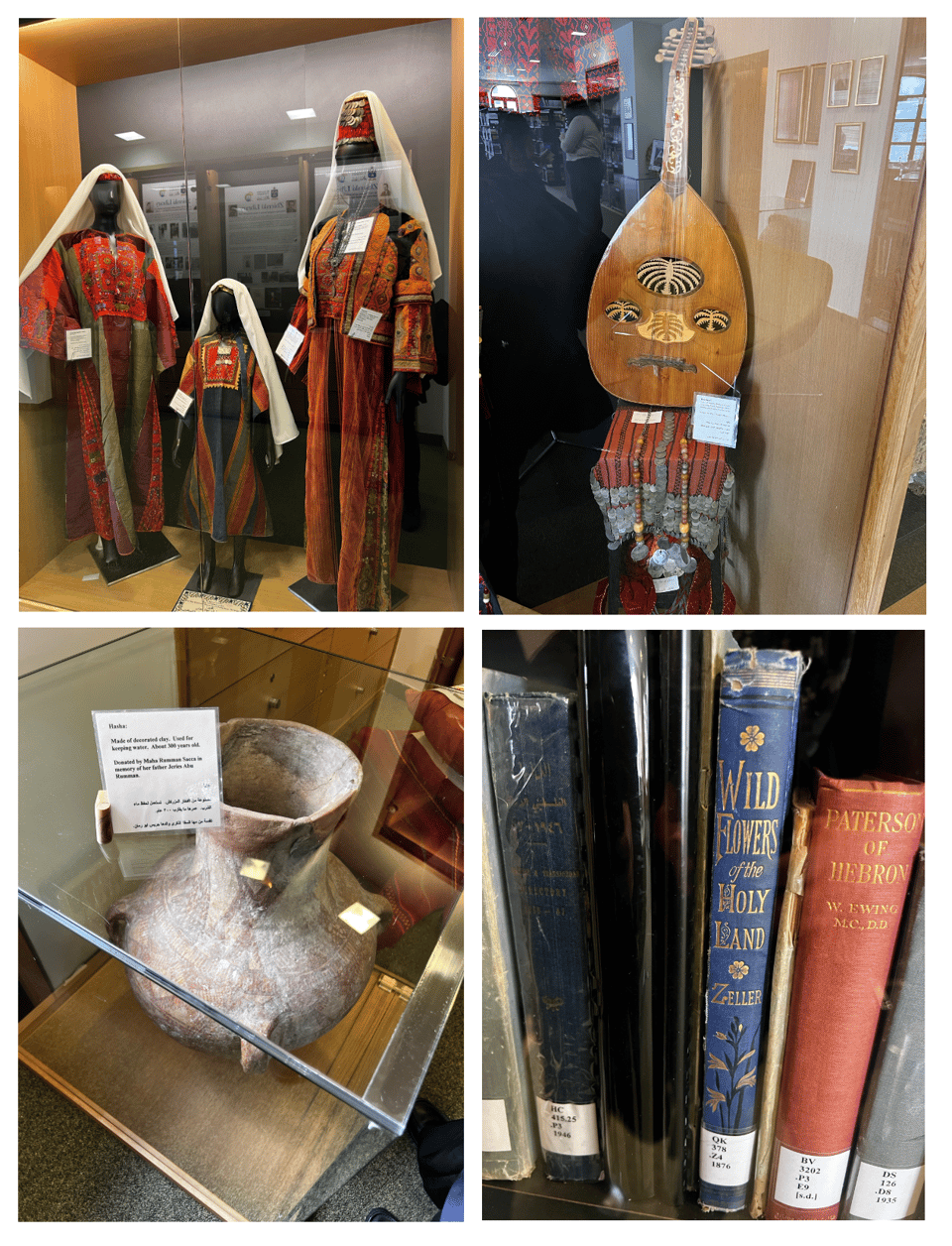
One of the places affected by these developments is Bethlehem University, which I visited in April during the spring semester. I saw a vibrant campus filled with students in libraries, classrooms, and in green outdoor spaces. Sadly, the university’s summer session was moved online because of the even greater number of checkpoints and the terrifying rise in settler violence against Palestinian families, which the university believed made it too dangerous for travel to campus over the summer. You may notice the photographs do not include students; students did not want to be pictured because of the frequent presence of Israeli soldiers in Bethlehem.
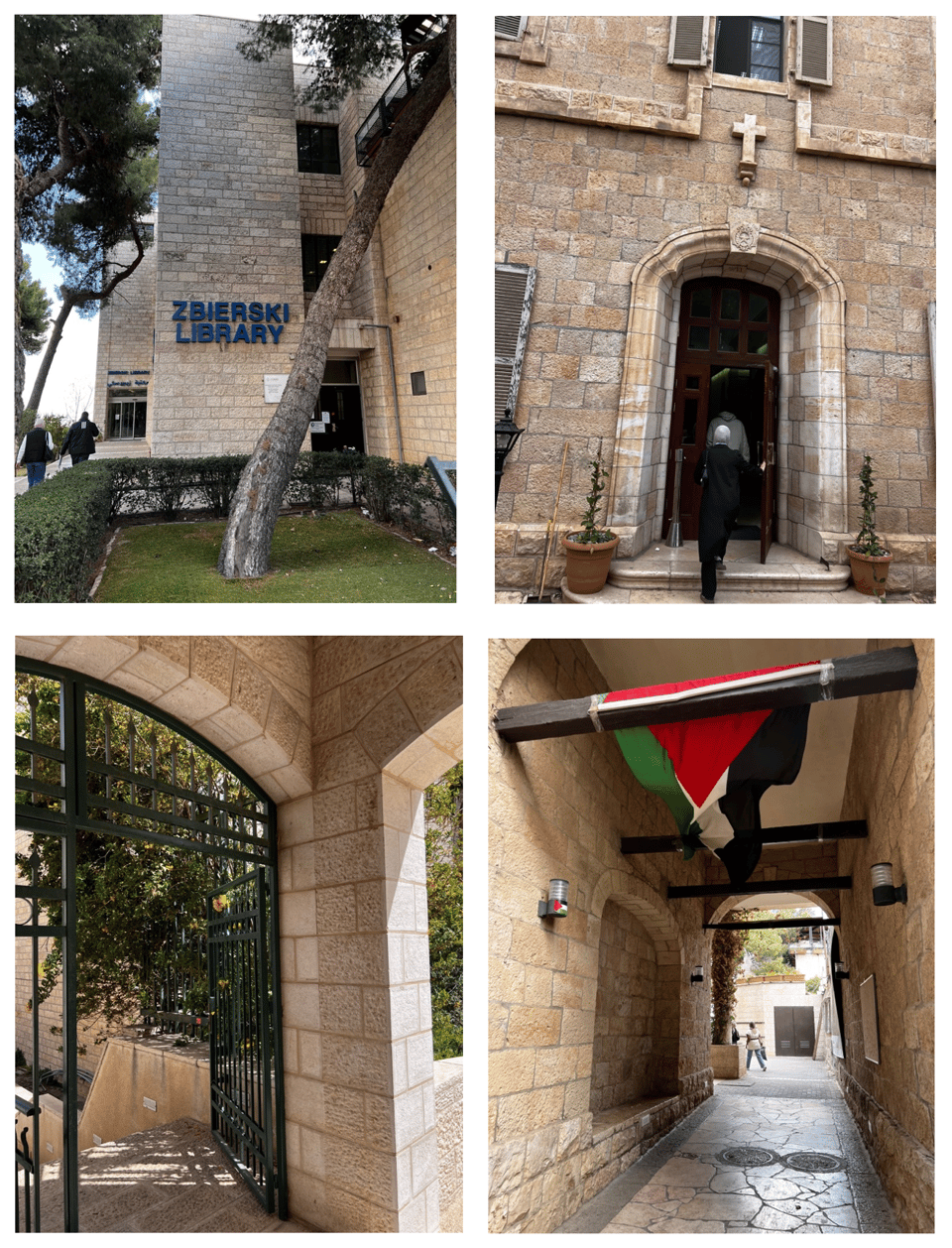
Bethlehem University is the only Catholic university in the Holy Land. It is also the only place there in which Muslim and Christian students study religion together. In this way, students are invited to deepen their own faith, and to know more about each other. They learn that they are more similar than different. Co-existence among different religions was found in Palestine in the century before the creation of Israel, and Bethlehem University continues that tradition, as part of a movement for peace and justice.
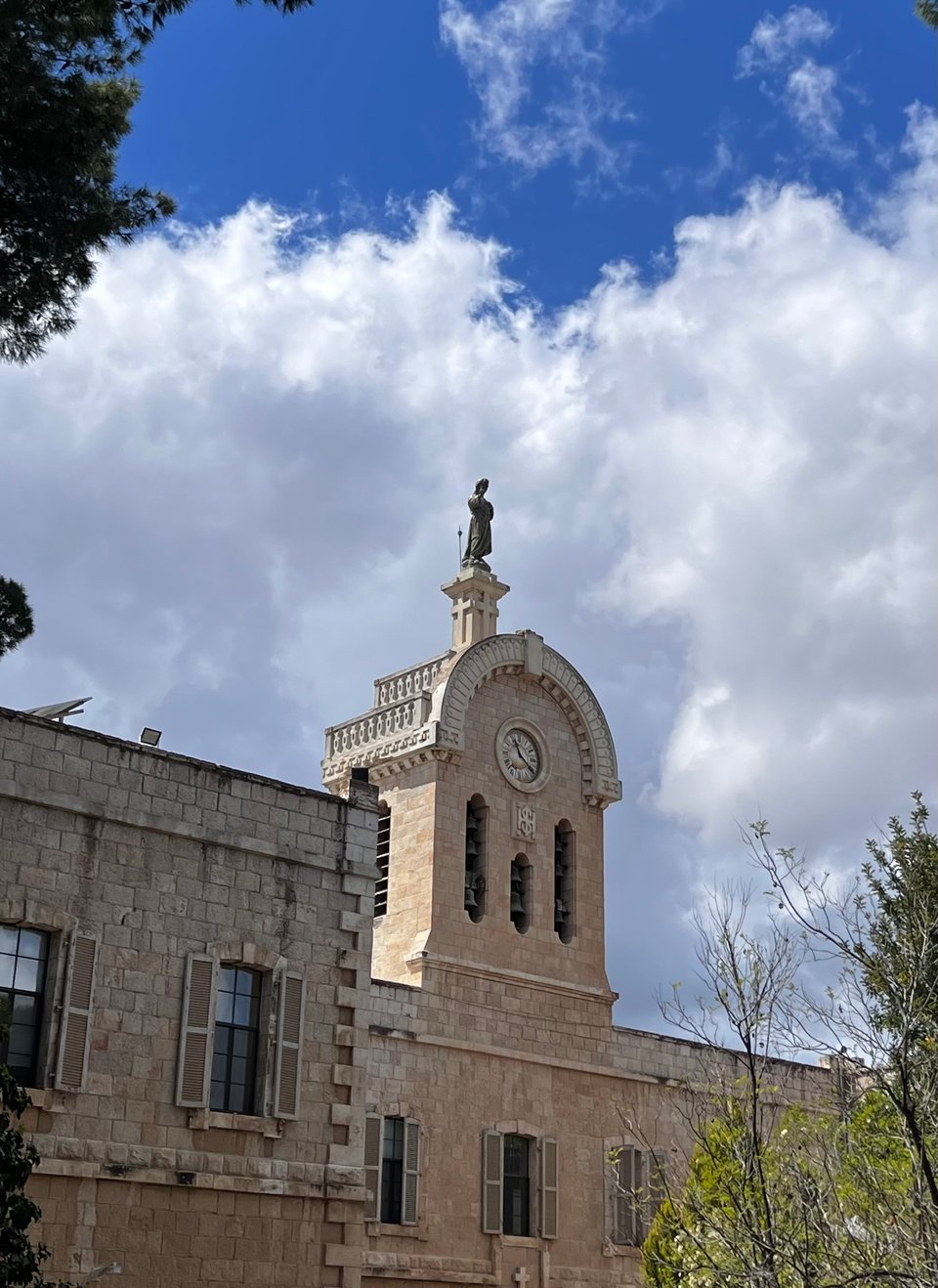
Some readers may wonder why Jewish students are not in these classes also. There are no Jewish students at Bethlehem University (BU) because Jewish Israelis do not generally go to the West Bank (except to illegal Israeli settlements there). However, BU does offer courses on Judaism, taught by a Jewish professor - a Jewish man from South Africa whose religious family sent him to study in Jerusalem. It was there that he encountered Catholicism and converted.
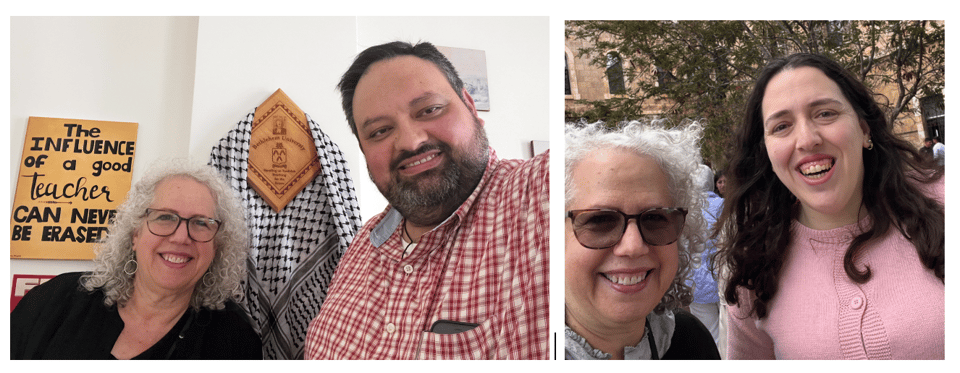
The dean of the School of Education, Brother Alejandro González Cerna, and the university’s Guest Relations Officer, Amjaad Musleh, gave me a very warm welcome and also arranged for me to meet with two groups of students. I began each session by introducing myself and my family history. I was warmly received, with several students expressing condolences for the loss of my family members in the Holocaust more than 80 years ago. The students generously spent more than an hour answering my questions, and telling me about their lives. Like others in Bethlehem, which is heavily monitored by soldiers, no students wanted to be named or photographed.
The students are studying fields including English literature, business, communications, dance, photography, and videography. They all say that studying is an act of sumud - an Arabic word that is most often translated as steadfastness. One student said, “We study what we love. It’s our passion to learn.” Another said, “We study, and we try to make a difference in the lives of others. This is how we can change the world.”
Given the economic circumstances of Palestine and the limited options available to Palestinians because of Israeli restrictions, students recognize that their career opportunities following graduation will be limited. But they also know that education is an act of self-care and self-validation. They understand that they may be stripped of their land - as happened to their parents and grandparents, and in some cases to their neighbors or their own families. Students know they may be deprived of their rights - as often happens at checkpoints, and when they see their brothers, sisters, and friends imprisoned for offenses ranging from throwing stones to social media posts, or for no reason at all. But they know that their education is a wealth that cannot be taken away. One student said, about Israeli soldiers and the occupation, “They can take everything — my house, my land — but they cannot take my education.”
Students recounted the ways in which the Israeli occupation, including the daily presence of checkpoints and Israeli soldiers, affects their lives. They described the unpredictability and arbitrariness of checkpoints. More on that in a future Postcard.
Dean Gonzaléz Cerna told me that there was a demolition order in place for the homes of two different staff members who live in the Deheisha Refugee Camp not far from campus. This is because Israel wants to widen the streets within the Camp so their tanks can move freely there. No compensation will be offered to the families whose homes will be demolished; they will most likely move in with relatives.
Last month Brother Jack Curran, Vice President at Bethlehem University, shared the information that the university will be hosting nursing students from Gaza: “five courageous students from Gaza - graduates of the now-destroyed Al-Aqsa University - have enrolled in our Master’s Program in Oncology and Palliative Care. These students, now working with the sick and wounded in the rubble of Gaza’s hospitals, are committed to bringing dignity, healing, and hope to their people.” One of those students wrote, “What makes the situation more devastating is the neglect that oncology patients have faced during the war… and end-state cancer patients have been left to die with no palliative intervention.”

I will close this Postcard with another message from the University, which Brother Curran sent following Israel’s attacks on Iran in June:
[Yesterday] Missiles lit the skies over Bethlehem and much of the Holy Land, accompanied by sirens and explosions. With no bomb shelters here, we rely on our homes, our faith, and a shared hope that peace is still possible.
At the very moment when missiles passed overhead, a Bethlehem University staff member stood beside his wife and their newborn son in a hospital room and recorded the sky from their window. Amid danger, new life was born in Bethlehem - a powerful sign of resilience and hope, echoing a birth long ago in a troubled world yearning for peace.
Yes, into this darkness, we dare to speak of and live in HOPE…. Despite war, economic hardship, and growing isolation, our students continue to learn, serve, and prepare to lead lives rooted in dignity and peace.
The faculty, staff, and students of Bethlehem University believe that the path to peace, justice, and dignity is through education. If you’d like to support the university in any way (Gaza Initiative, academic programming, students with disabilities, or other areas of need), click here - and you too will receive Brother Curran’s moving and informative updates! In another Postcard, some of the stories that BU students shared with me.
Salaam,
Nancy