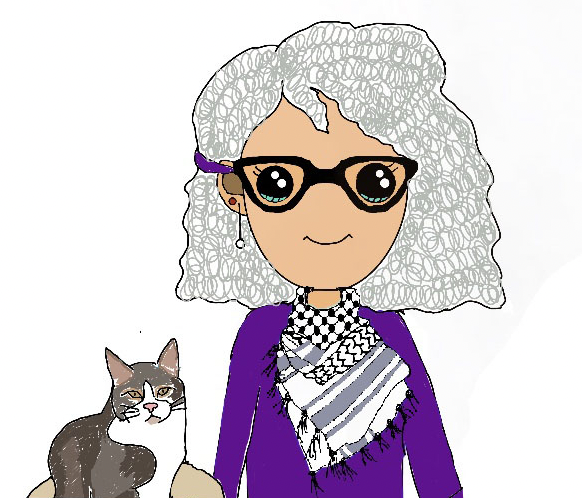
Aboud
Dear Friends,
I’d like you to meet Aboud, who was introduced briefly in an earlier Postcard about Majdal. (If you missed that postcard, you can find it here.) Aboud and Majdal are smart and thoughtful people who are very much in love. And I’m happy to report that I am back in Palestine to attend their wedding later this month!

Aboud is a software engineer. He attended An Najah University in Nablus, where he majored in Management Information Systems (MIS). For the last two years of his studies, Aboud had two jobs, one at a computer repair shop, and another in a large supermarket, working on the store’s point-of-sale (POS) system.
Aboud remembers the difficult 20-mile trip to his university from his home near Ramallah. Each day he had to pass through two or three checkpoints, in each direction. Checkpoints look like toll booths, but they are filled with young soldiers (most of them teenagers) inside and outside slinging machine guns over their shoulders. While he waited, Aboud watched soldiers humiliate and sometimes assault other Palestinians trying to travel to school, work, and other destinations. The soldiers routinely asked many questions to hold up Aboud and his friends, knowing they would be late to class.
It’s important to note that checkpoints are not merely an inconvenience like airport security, that people endure for the greater good of safety. No. Checkpoints are part of the control that Israel imposes on Palestinian life. Checkpoints block Palestinians not only from schools, work, and family, but also from their own lands and even from hospitals. Checkpoints harass, humiliate, and control Palestinians who are simply trying to live and to move around their own country. And they are dangerous, as soldiers can shoot anyone they perceive to be a danger. The UN notes that checkpoints “flagrantly violate Palestinians’ freedom of movement … [and] have become death traps where Palestinians are immediately sentenced to death for the slightest mistake or even on mere suspicion.”

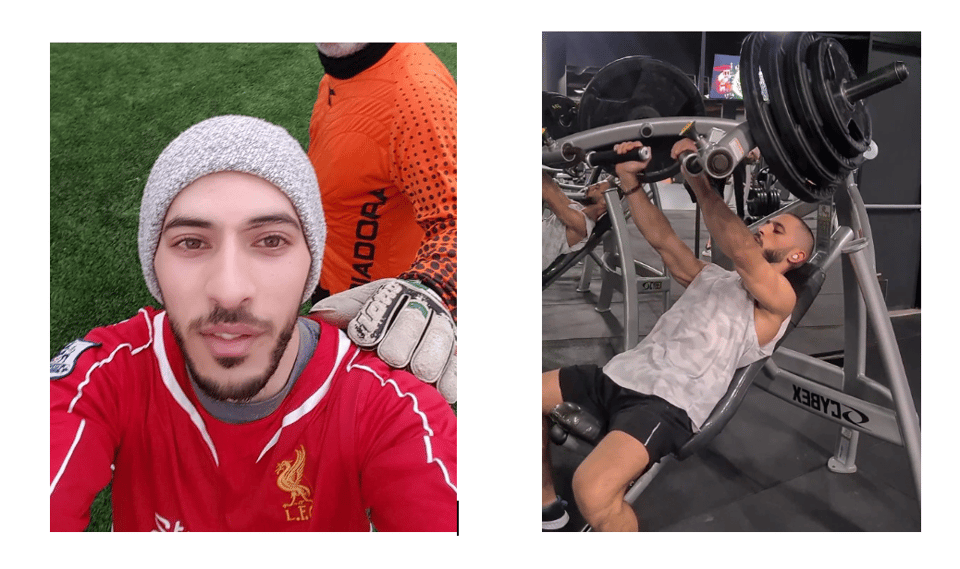
After graduation, Aboud started a job at ASAL Technologies. This company (and others like it) provide inexpensive labor to Israeli companies - the salaries of West Bank-based Palestinian engineers are about 30% less than what Israeli engineers are paid. There are many who criticize the ethics of companies who, they say, exploit the availability of cheap labor, which strengthens the status quo of Israeli occupation.
The first project that Aboud was assigned was in real estate, and he worked with an Israeli manager who we’ll call Ilan. Ilan was the first Israeli - and the first Jewish person - Aboud had ever met who was not a soldier.
As a West Bank Palestinian, Aboud cannot enter Israel without a permit. So that Aboud could visit the real estate headquarters in Tel Aviv, Ilan applied for a permit for Aboud. With that permit, at the age of 27 Aboud visited the Mediterranean Sea for the first time. Aboud had been granted a single-day permit, which allowed him to be in Israel from 7 am until 5 pm. After 5 pm, he was required to be on the other side of the first checkpoint.
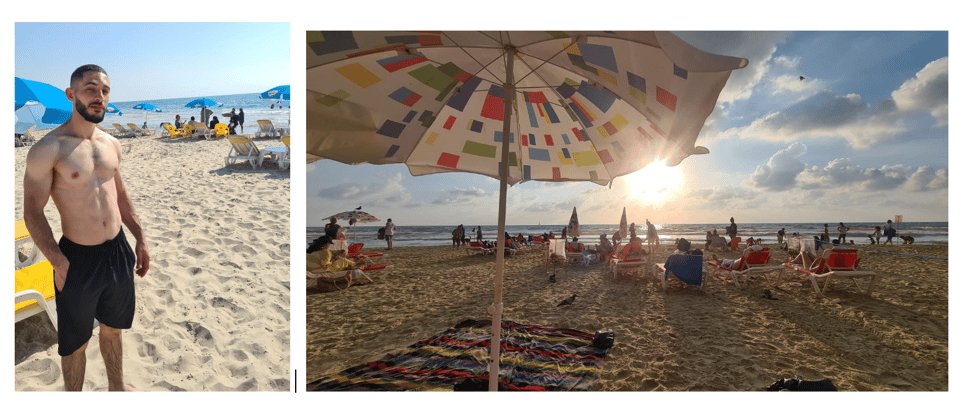
As Aboud’s career continued to grow, he worked with many Israelis. He frequently entered Israel on day-permits to work as part of development teams. After several months, Aboud obtained a 24/7 permit, which allowed him not only to work, but also to socialize with his colleagues. Still, Aboud knew he was not an equal peer as his permit was always conditional. And he knew that the people he was working alongside had nearly all served, or were currently serving, as Israeli soldiers - working in checkpoints that harass Palestinians, or conducting demolitions or night raids in family homes.
Many Palestinians work inside Israel, because the occupation means that other economic opportunities are limited. In 2022, nearly 20% of the workforce in the West Bank was employed in Israel and in illegal Israeli settlements, most often in restaurants and construction jobs. Yes, it is Palestinian hands that build the settlements that are taking over Palestinian land in the West Bank.
However, after October 7, Israel revoked the work permits of more than 150,000 Palestinians, including Aboud and many other people I’ve met during my travels. This has devastated the economy in the West Bank. And even worse, thousands of these workers were arrested and detained without charges or trial. To replace the Palestinian labor force, the Israeli government has been recruiting foreign workers. Fortunately for Aboud, he had the opportunity that many other Palestinians do not, to continue his work virtually.
The objections I mentioned earlier - questioning the ethics of a company that provides inexpensive Palestinian labor to Israeli companies - are generally against the prosperous owners who choose to normalize economic ties with an occupying power to increase their own wealth. But there are also objections against the workers themselves, who are seen as betraying their own people. Others note that the workers are trying to do the best they can in an unfair system. Majdal sums it up this way: “It’s not normalization, it’s trying to live under occupation.”
Stay tuned for a Postcard about the wedding!

Salaam,
Nancy
This feature from Al-Jazeera shows photographs of Palestinians crossing through checkpoints when they were allowed to work in Israel (prior to October 7). As one man said, “It’s all unjust. We live a life of injustice, but we have no alternative.”