An update and a request
Hello Friends,
You haven’t heard from me in awhile, so I wanted to let you know that I had a wonderful time in the West Bank once again, and am now back home.
My trip began with a vacation in Jordan at the Dead Sea and in Amman, then a few days in Jerusalem. From there I travelled to Ramallah for two weeks, where I attended the beautiful wedding celebrations of Majdal and Aboud; I also enjoyed time with Haya and other friends, visited Birzeit University and a local high school, and toured the Mahmoud Darwish Museum, among other things. I’m working on some new Postcards that I hope to send by the end of the year.
One of the Postcards I’m planning is a Q&A, so please let me know if you have questions you’d like me to try to answer and/or topics you’d like me to write about. You can reply to this message or you can anonymously use the form linked here. If you’re a Palestinian subscriber, I would be very happy to collaborate on future Postcards to tell some of your or your family’s stories - please be in touch!
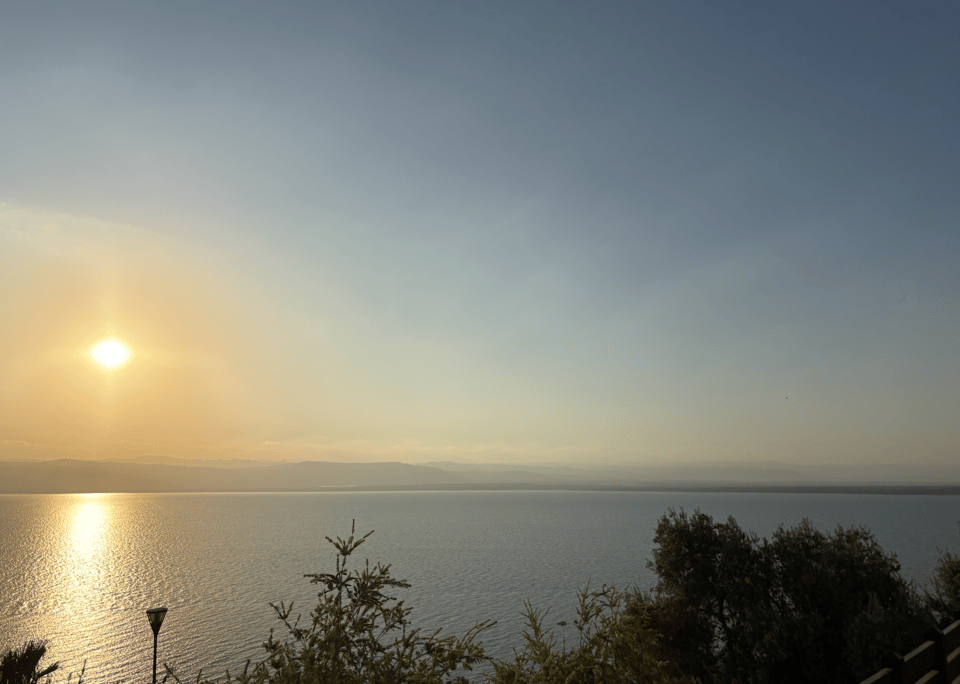

Shaadi, whose family hosted me for dinner when I was in Bethlehem in April, sent me the photo above of the pogrom in the town of Jab'a, which is just 15 minutes from Shaadi’s home. In his words, “The situation is getting worse and worse. We are so scared. I don’t know how to protect my children.”
Through western media, we occasionally hear about settler violence, but we do not get information about the frequency, scale and ferocity of these attacks. Even the name ‘settler violence’ sounds mild compared to the reality of these vicious rampages that happen on a regular basis: Israelis enter Palestinian villages after midnight, where they break windows, assault people on the street and in their homes, and set fire to cars, houses, and other buildings. These violent attackers are classified as civilians, but they are armed and they are often under the protection of the Israeli military. The UN has recorded more than 260 settler attacks in October alone.
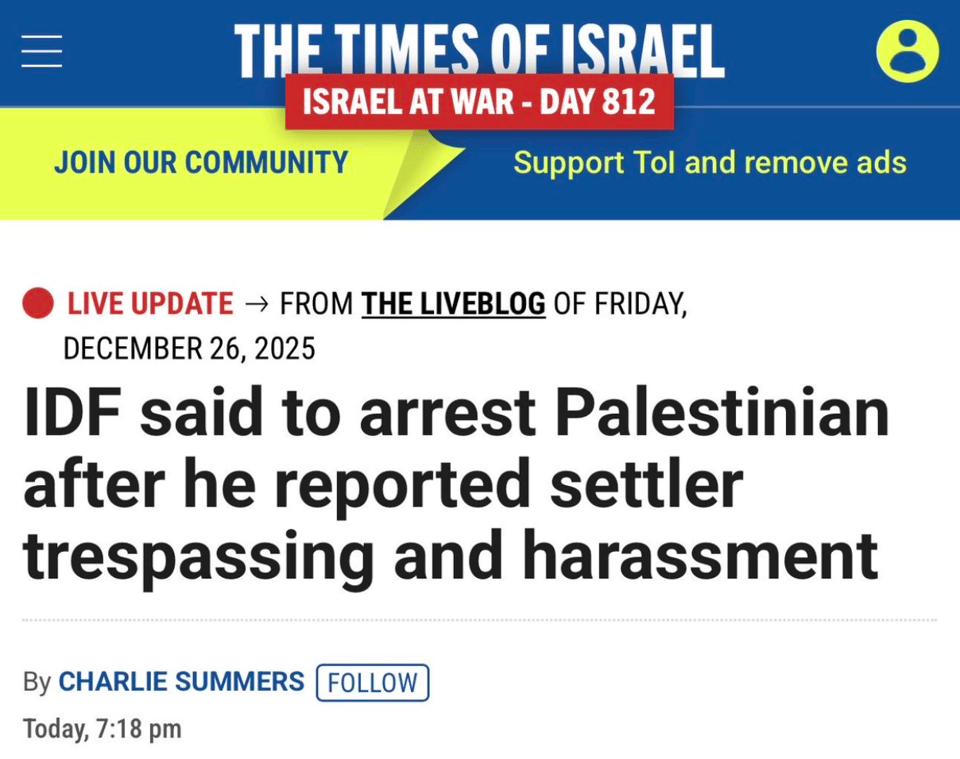
Try to imagine if Palestinians set fire to Israeli homes. Western media would describe the incidents as terrorist attacks, and they would be the leading news stories for days. The violence would be used to justify intense collective punishment and military assaults against all Palestinians. We would be reminded that Israelis have a right to defend themselves. But this violence barely makes the news. And even when it does, the attacks are written off as the actions of an unfortunate far-right element of Israeli society. But this is not a fringe movement, and settler violence is supported by the Israeli government.
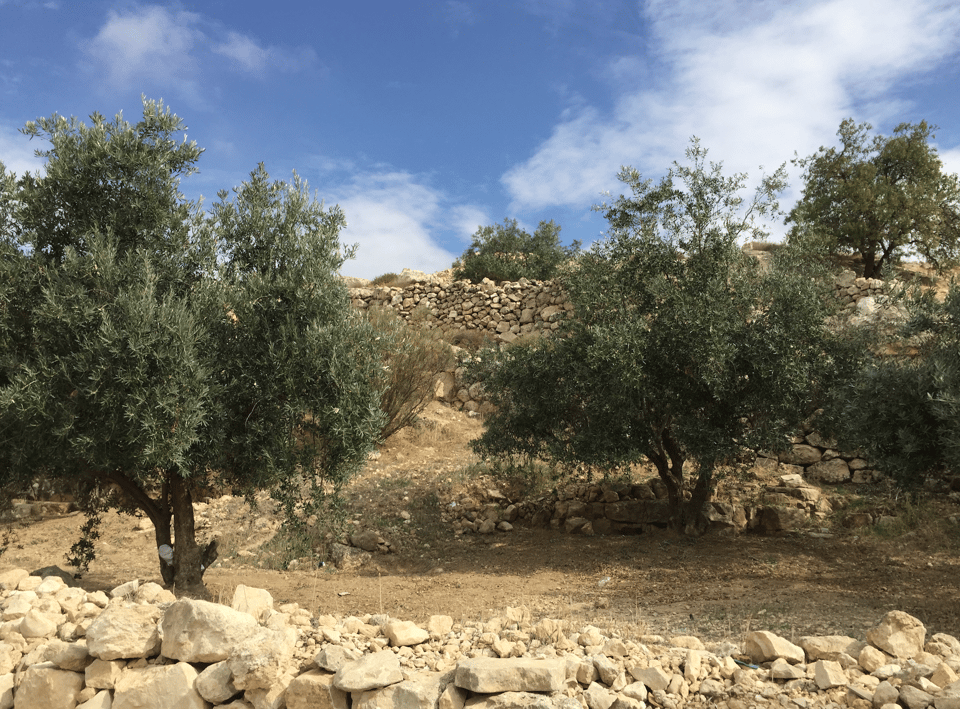
Settler attacks against Palestinians harvesting olives on their own land in the West Bank are also common. Between October 1 and November 10 of this year, the UN documented 167 attacks against Palestinians related to olive harvests, including assaults of farmers traveling to or inside their olive groves, theft of crops, and destruction of trees. With the increasing frequency of these attacks, the Israeli government cracked down: not on the perpetrators of the violence, but on two Jewish US citizens, women who had joined an NGO to accompany Palestinians to reduce the chance of attacks. The two women were deported from Israel and banned from returning to the country for 10 years. One of them is an 18-year old, the daughter of a rabbi, who wrote an essay about her experience in The Forward:
And I saw injustice. As I spent more time in the South Hebron Hills and Jordan Valley, I saw demolished homes, burned villages, and fields of uprooted olive trees. There was also joy: I held babies, danced with little girls, and drank cup after cup of sage-infused tea. When the olive harvest began, I joined the Israeli organization Rabbis for Human Rights, going twice each week to help protect farmers from harassment or attack by Israeli settlers and soldiers.
Accompanying farmers as Jews made a statement: We would not stand idly as our fellow Jews burned Palestinians’ fields, murdered their sheep, and harmed their bodies.
She explained that she is a Jew who is now banned from entering Israel - because she was on a bus with a peaceful group that entered territory that they did not know had been declared a closed military zone just that morning. She wrote, “A closed military zone is determined at will by the Israeli army; it is a designation that gives soldiers legal authority to bar entry or remove anyone — including residents.”
Shaadi fears for his family, for his neighbors, and for his country. He added, “we want to live in peace. I don’t care who is Israeli or Palestinian or Jewish or Muslim or Christian. We just want to raise our families in peace.”
Salaam,
Nancy
Once again, please let me know if you have questions you’d like me to answer in a future Q&A Postcard, or if you have topics you’d like to hear about. You can reply to this message or you can use the form linked here (anonymously, if you prefer).