Welcome to Humble Theory
Dear Reader,
Welcome to Humble Theory, my new newsletter! I’m so glad you’re here. And I’m so glad I’m here! I’ve had the notion to start a newsletter for well over a year, and have even had the title for it in mind for that long. It feels nice to have finally arrived :)
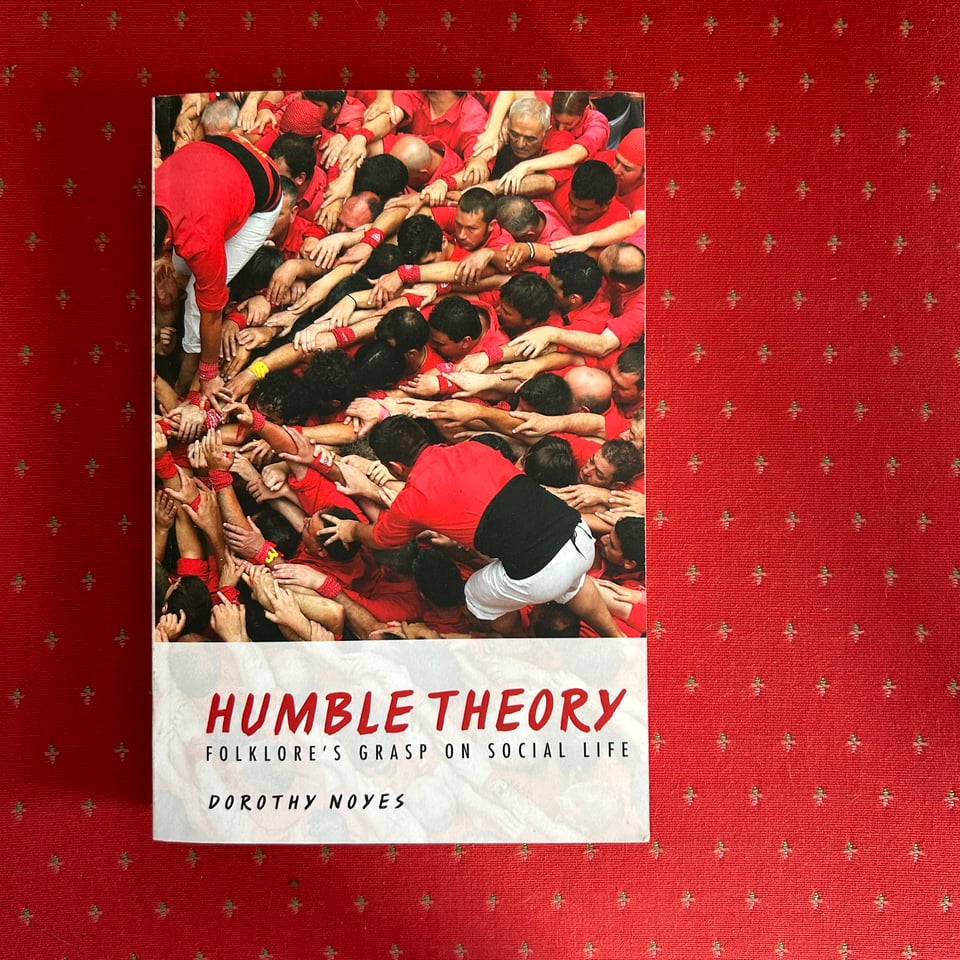
Speaking of titles, I’m borrowing (with permission) the title for my newsletter from a phrase coined by my former folklore professor Dorry Noyes. I want to explain why this term resonates with me and what Noyes has to say about it, but that will have to wait for a future newsletter—for now, there’s a different task at-hand.
Today I want to line out my thesis statement for this newsletter. I don’t yet know how this newsletter experiment will unfold. But I do know myself, and I know that there will come a point along this journey when I will want to turn back; when I will want to sit down and not budge one more step forward; when I will be confused about where I’m going and question my audacity to have set out on this path to begin with. I know that having a thesis statement to return to and ground myself with will help me clarify my purpose and recommit to the path during those times of doubt.
In 2019, I started a job as a radio reporter for Inside Appalachia’s Folkways Project. I was newly out of grad school, and having been trained as a folklorist, I was a bit of a fish out of water in this new-to-me world of journalism. While I had a lot of experience interviewing people and recording and editing audio, I had never produced a feature-style radio story before. And the learning curve, I found, was steep—very steep.
Writing the script proved especially difficult. It entailed boiling down weeks of research and hours of recorded tape into a concise and snappy six-minute audio story. It was a foreign form of writing to me, and learning to work within its conventions often left me exasperated. To add to my frustration, throughout the scripting process my editors were constantly probing me to explain the story to them in just one sentence. One editor in particular always asked me to explain the story with the sentence structure: Someone is doing something because…. I would get so annoyed by this request, primarily because I could never do it. I could never come up with just one sentence to explain a story. I always needed at least five.
Over time, I realized that my editors were showing me that if I couldn’t explain my story in one sentence, then I probably didn’t yet know what my story was about. I came to see how critical this exercise was to the whole process. There’s no possible way to fit every interesting tidbit into an engaging, six-minute radio story. That one sentence explainer is crucial in making choices about what material goes into the story, and what gets tossed aside. Because if a quote or sound-rich scene doesn’t relate to that one sentence, then it doesn’t belong in the story. Coming to this realization was a turning point for me as a reporter. It helped me crack the code on scriptwriting.
So in the spirit of my work in radio journalism, I ask myself, What is the one sentence explainer for this newsletter, using the structure: Someone is doing something because…?
I am writing this newsletter to document and share about my creative practice because I believe it will help me close the loop on my creative cycles, and help spark connection and conversation.
(I never said there was a word limit to the one sentence…)
The idea of closing the loop on my creative cycles is a newer one for me. It was prompted by my friend and painting instructor Jolyn Fry. Several months ago, I was talking with Jolyn about how I was feeling stuck in my painting practice. She pointed out that I wasn’t really sharing my work in any way. She explained that presenting work to some kind of audience is the final step of the creative cycle. Without this step, Jolyn said I was keeping myself in a state of incompletion.
I’ve thought about this idea a lot since then, and it has come to hold a lot of weight for me. I’ve been noticing how when I do share my work in some way, it breathes energy into my creative practice. Even if it’s just texting photos of watercolor studies to a friend, the process of editing work, presenting it, and receiving feedback helps me feel a sense of purpose and connection. It helps me move through the stuckness I may be experiencing when I’m keeping my practice to myself.
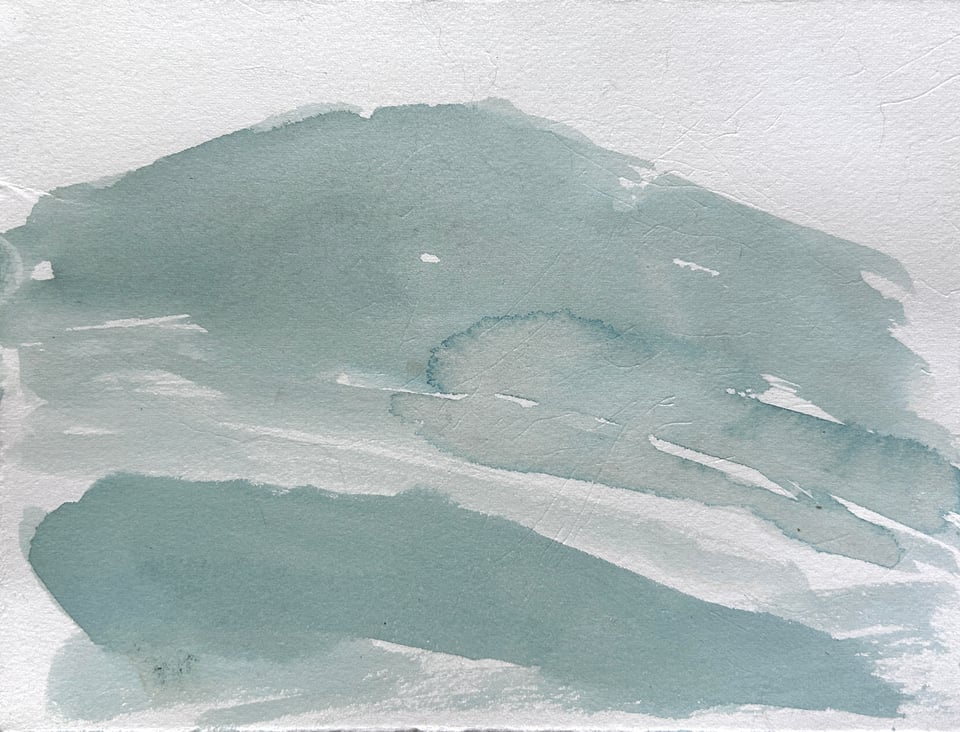
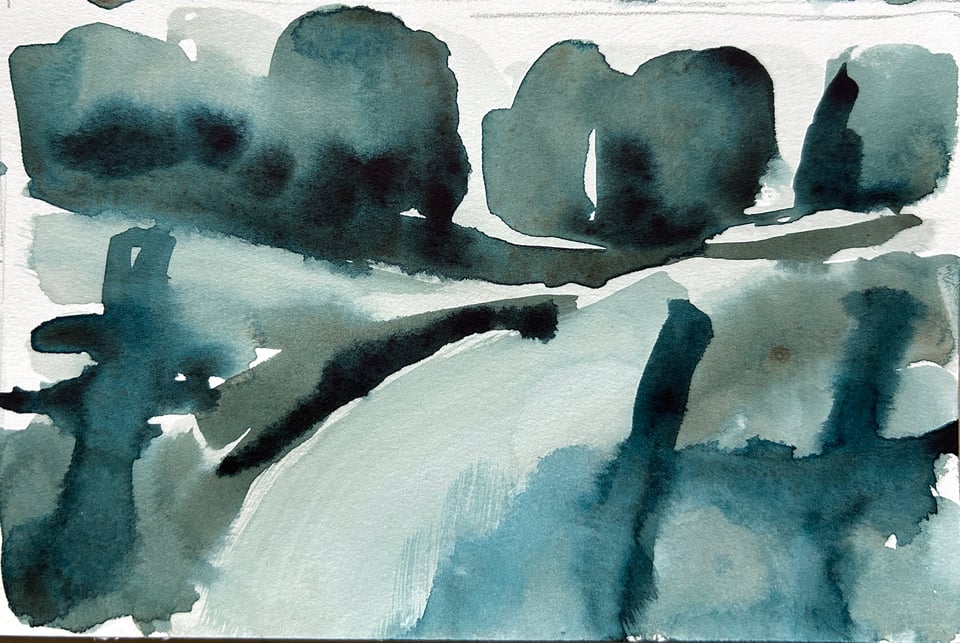
I’ve been assessing the ways I have shared my work in the past, and the possible ways I could share it moving forward. Right now, a newsletter is the mode I want to explore. I’m eager to share more photos of things I’m working on, along with ideas and humble theories about creative practice. I’m also interested to see what role writing can have in my work as a visual artist. My hunch is that it will lead to a stronger sense of cohesion—time will tell!
In addition to creating a space that helps me complete my creative cycles, my hope is that this newsletter will spark conversations and connections around creative practice. I love love looooove thinking and talking about creativity and art making—it’s one of the main reasons I became a folklorist! I get so excited connecting with people about how creativity show’s up in daily life, about what creativity can teach us about ourselves and the world, about how creativity helps us make meaning in our lives….the list could go on and on and on (and with hope, it will over the life of this newsletter).
So please, dear reader, I invite you to respond, to engage, to ask me questions, to share your stories with me.
And with that, I think I’ve written my first newsletter! Thank you for reading, and I’m excited to see where this experiment leads.
FIELDNOTES:
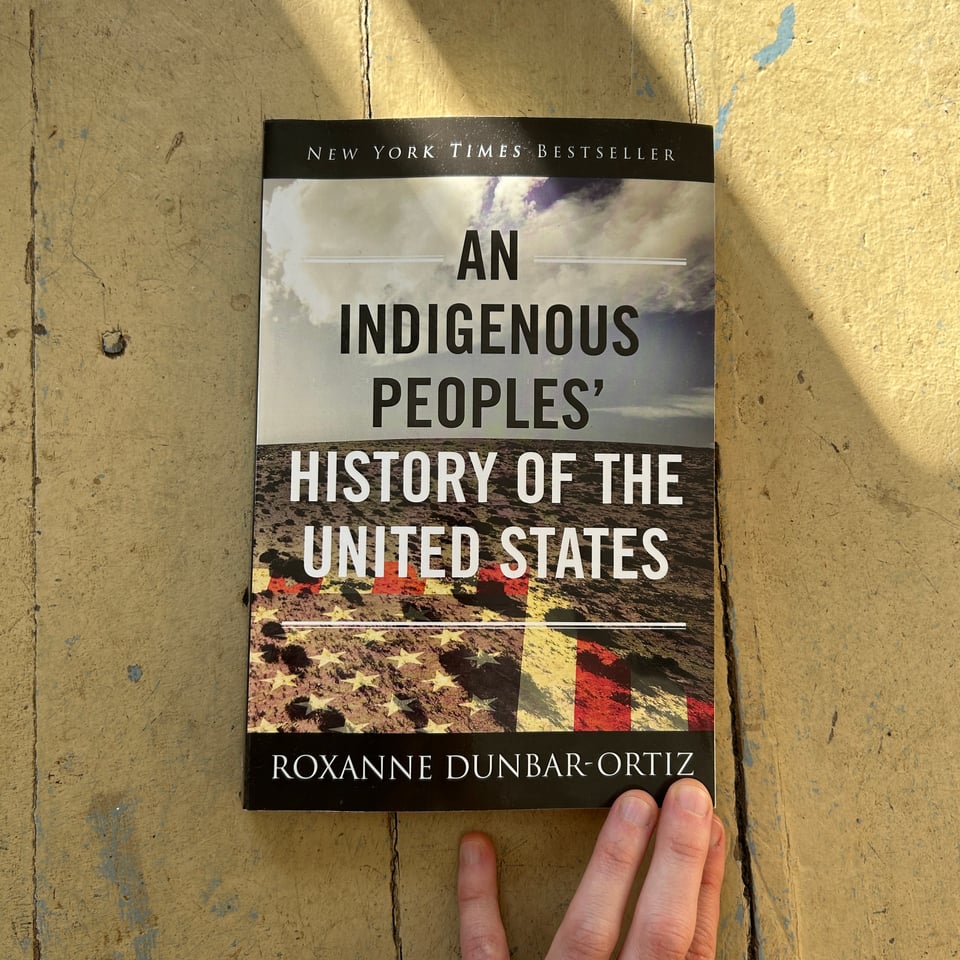
I just got my copy of An Indigenous Peoples' History of the United States by Roxanne Dunbar-Ortiz in the mail and I’m eager to dig in.
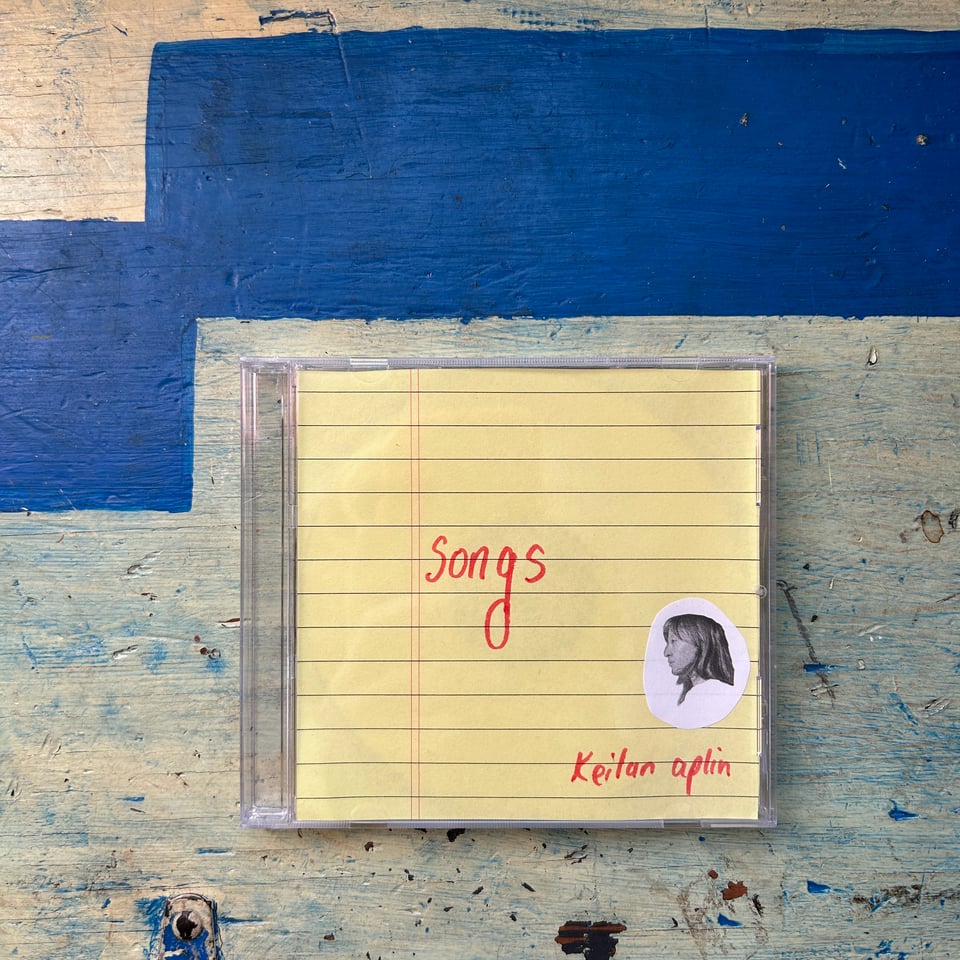
My dear friend Keilan Aplin recently released two albums of old-time music. Listen here!
I’ve been trying to cut my spending and so instead of restocking my rolled oats when I ran out a few weeks ago, I decided to start making porridge out of the different grains already in my pantry. So far, bulgur porridge is my favorite.
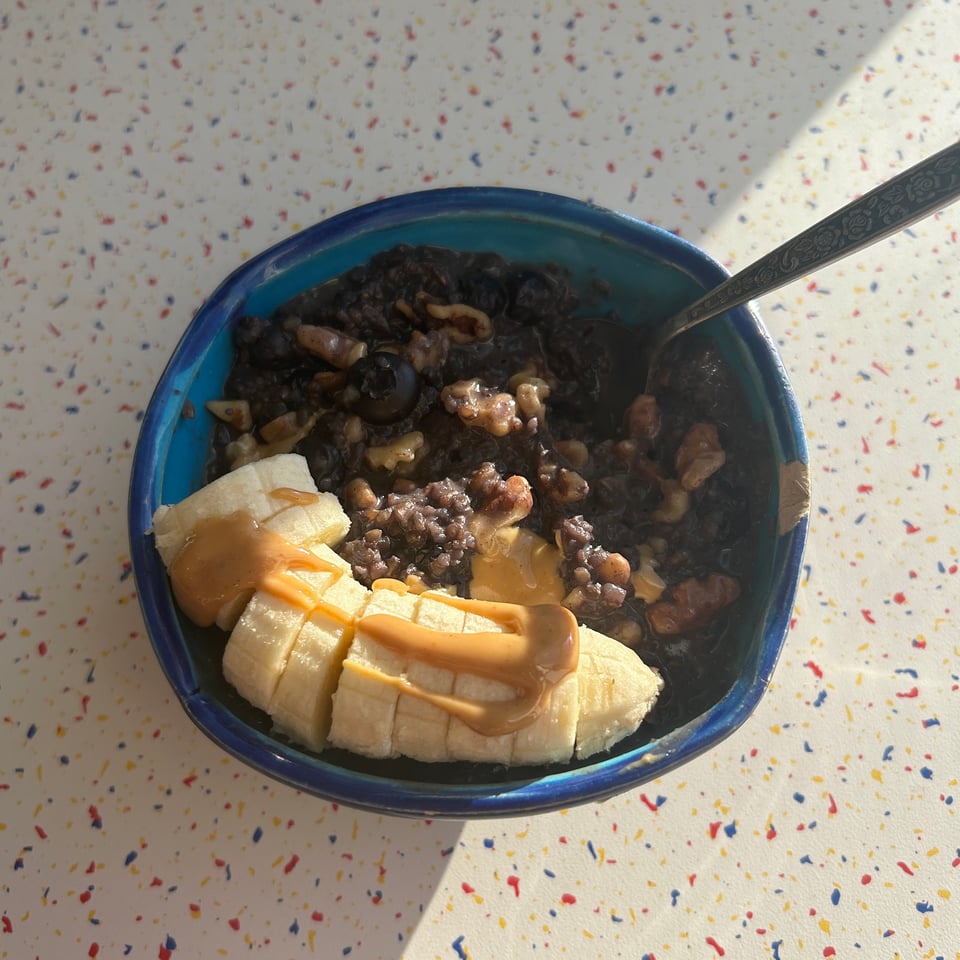
With blueberries, walnuts, banana, and peanut butter. At the suggestion of embroidery artist Jordan Nassar, I recently redistributed money to a fundraiser to help Abed Rahman Al Shaer and his family survive the genocide in Gaza. Here’s a link if you’d like to contribute: https://www.gofundme.com/f/help-abeds-family-survive-and-escape-war
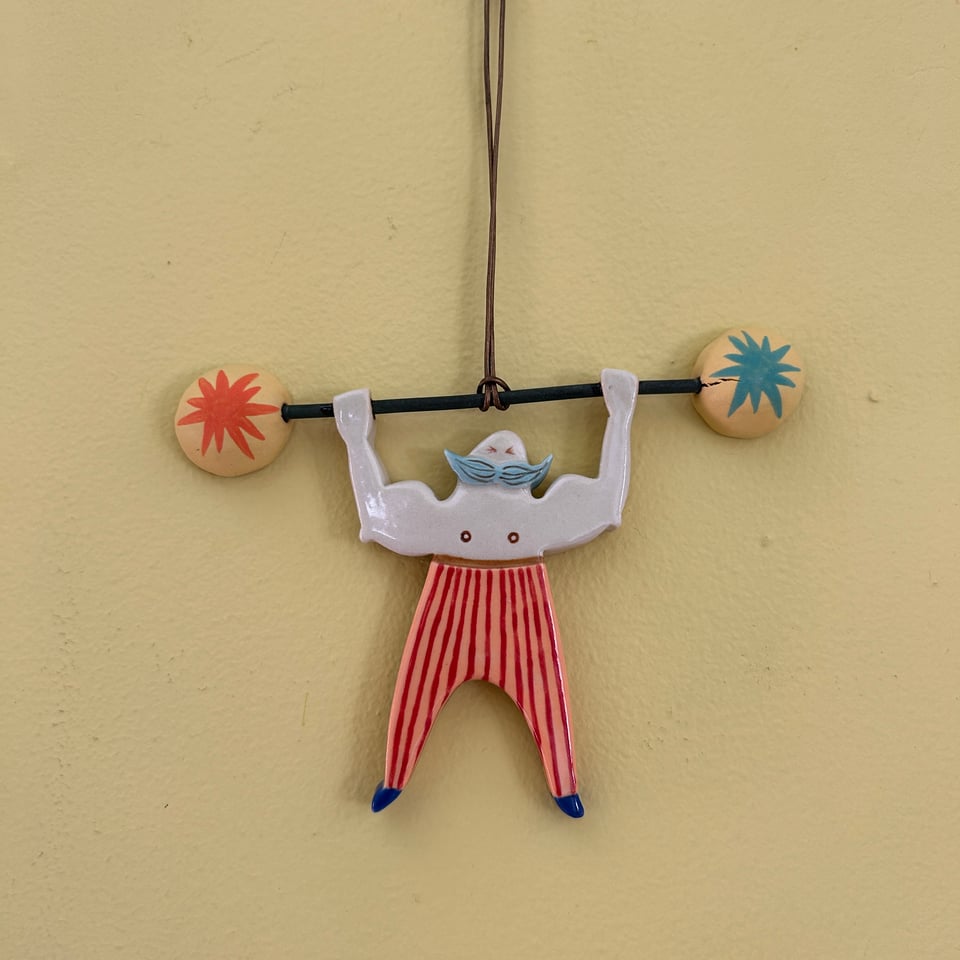
My talented ceramicist friend, Ianna Kristiansen, made me this strong man ornament for Christmas and I love it so so much!