Summer Newsletter: Tomato Cans, Coconuts, and How Books Might Save Us
Done is better than perfect.
That’s what my Aunt Sue used to say, when I was stuck on getting a craft project just right. I took it as liberating permission to stop fussing over something I’d created, call it good, and get it launched into the world warts and all.
I considered naming this newsletter “Better Than Perfect,” but my husband thought that sounded arrogant and he’s probably right. So I’ll just say that I’m glad to be getting this first, imperfect letter out to you all. I’ve never done this before. I hope we can learn some things together.
Book News
Since September 2022 I’ve been working on a narrative history of Annunciation House, the El Paso house of hospitality where I lived and worked after college. I visited several newspaper archives and interviewed around forty people who lived or volunteered at the house over nearly five decades.
I learned so many amazing stories, it was difficult to whittle them down for a single volume. I finished a draft of my book last November, then spent four months revising, soliciting feedback (thanks beta readers!), and carving the 100,000-word manuscript down to 75,000 words, which is still 10,000 more than my editor would like.
For example, I had to cut the story of Marcelina, an elderly guest “who “always spoke very sweetly to the volunteers and snarled or cursed at any unfortunate guest who called her ‘abuela.’ She smoked continuously, even after setting off the smoke alarm in the women’s dorm and burning a sheet in the bathroom.” When Marcelina moved out, volunteers found a tomato can packed with cigarette butts in her vacated bed. [1]
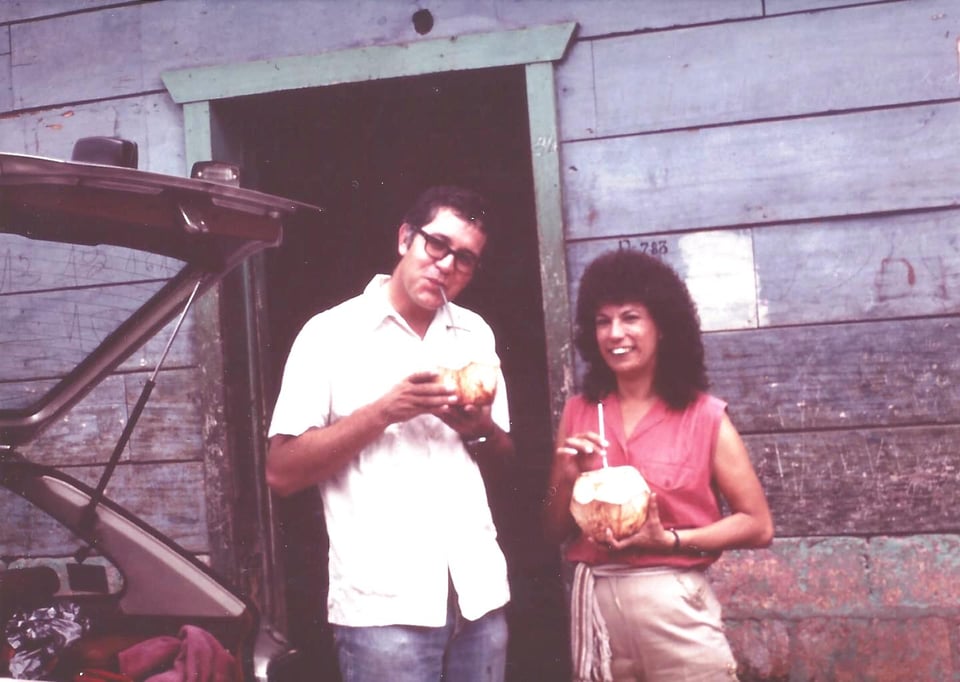
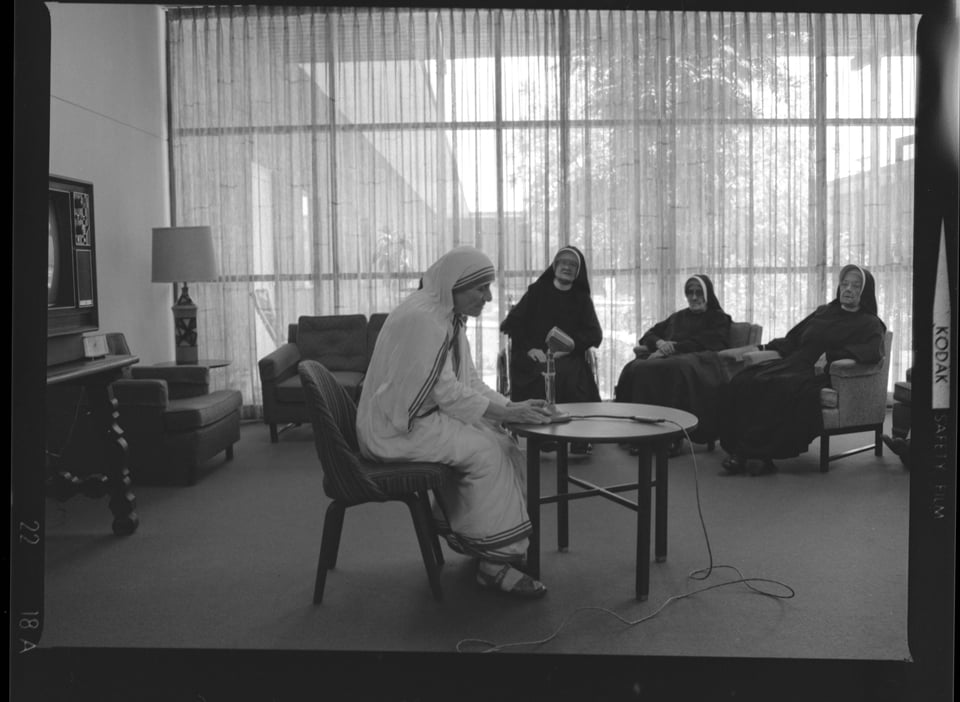
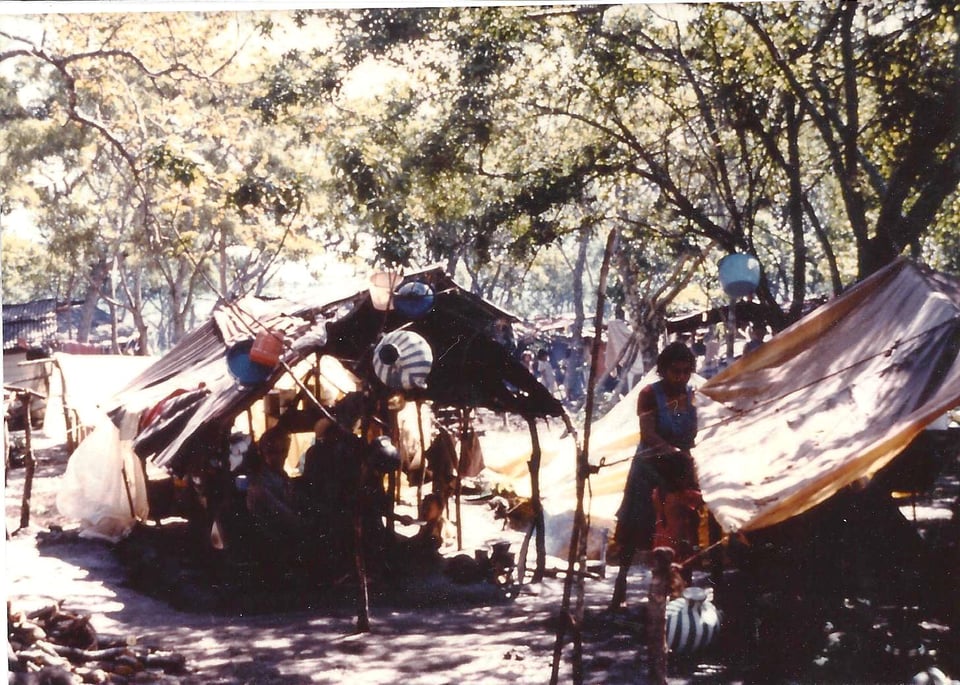
Now I’m in the “hurry up and wait” phase of publishing. My editor is marking up the manuscript and will return it to me for revisions at some point. Her team is working on a cover design and finalizing a title, which almost certainly won’t be the one I came up with originally. Meanwhile, I’ve been combing through old photos to select a handful for publication. Here are a few I love that probably won’t make the final cut:
Recent Writing Now Online
Since most of the heavy lifting for my book is finished, I’ve been working on some shorter pieces. I poured a lot of my outrage about today’s draconian immigration enforcement policies into a choose-your-own-adventure short story called “Rio Grande Roulette,” which I published in May in the Lemonwood Quarterly. If you’re skeptical about unauthorized immigration, or wonder “Why don’t they just come here legally?” I hope you’ll read my story—and let me know what you think! I also published new poems in The Wild Umbrella and Marrow.
What I’m Reading
This year I’ve been on an Ali Smith kick, after my sister-in-law Dorothea turned me onto her Seasonal Quartet. Smith’s writing is restrained, but incorporates the fantastical—kind of like George Saunders, or if Colm Tóibín rewrote an Isabel Allende book. Smith’s novel Spring knocked my socks off; as soon as I finished I went back to the beginning and started it again (which is not normal, even for me). More recently I enjoyed her latest dystopian-but-hopeful novel, Gliff, as well as her short story collection Public Library. If you want to just dip a toe in Smith’s writing, check out her short story “The Beholder.”
If nonfiction is more your thing, I highly recommend Everyone Who is Gone Is Here, by Jonathan Blitzer. A staff writer for The New Yorker, Blitzer draws on extensive conversations with immigrants, activists, and US government officials to narrate the history of migration from Central America and explain the roots of the past decade’s border “crisis.” I’m fairly well versed in this topic, yet I still learned so much that stunned and moved me.
I’d love to hear what you’re reading lately!
Light Words in Heavy Times
There’s a lot demanding our attention in the world these days. I hesitate to add to those demands with one more email, one more thing to read. The real work is out there, not at the desk where I sit in front of my computer.
Yet I do sincerely believe that words are one thing that will get us through this fractured moment in history. A good book allows the reader to inhabit the experience of another human being, to see through different eyes. It invites us to empathy…and empathy just may save us.
Until next time,
Mary
[1] Quoted from a 1991 Annunciation House newsletter article by volunteer Margaret Schroeder.