
Dear friends and readers,
It’s been a minute. Some news; I’m waist-deep in book-writing, and that book is currently called Rewild the Internet: This is how we resist Big Tech. All going well it’ll be published in Spring 2028 in the US and Canada by Simon & Schuster, and in the UK, Ireland and other English-speaking countries by Bloomsbury. The book grows out of the ideas Robin Berjon and I first wrote about in Noema two years ago; ‘We need to rewild the internet’. That piece went on to be anthologised in The Best American Science and Nature Writing of 2025, published late last year. (And still available! There’s some incredible writing and reporting in there. Dizzying company.)
I’ll tell you the story of how the book of internet rewilding came to be under contract another time. For now, I’ve got two fantastic editors; Alessandra Bastagli in New York, who runs an imprint called One Signal, and Octavia Stocker in London, at Bloomsbury. (Which is, yes, right in the heart of Bloomsbury, where it never gets old to sit in their colourful foyer and gaze up at the framed covers of books by my literary heroes, especially Susanna Clarke’s Piranesi. Possibly the most perfect novel yet, this century.)
The submission process on both continents involved video calls with various publishers in a two-way courtship. I knew I was in good hands when I asked Alessandra how she might respond to any political and corporate pressure to censor progressive books under the Trump regime. She said her whole team do what they do because they want to know that during a time of genocide they stood for what mattered. I know my book won’t have supernatural powers to affect any of our daily horrors, but it feels essential to be working with people who are clear about the stakes and the pitfalls of putting bold new ideas out into the world right now.
I’d like to say the book is going entirely according to its elaborate and carefully crafted plan, but … Anyway! The next chapter I’ll tackle is on protocol-based, open social media, or what another hero of mine, Erin Kissane, calls ‘the social internet’. The chapter is about where we’ve got to so far, in the international movement that Mike Masnick (who gave me a cracking interview) christened ‘protocols, not platforms’.
Everyone on this newsletter distribution list who’s ever worked with me (my sympathies, comrades…) knows I tend to write too long and too ambitious, so you’ll chuckle when you hear that without a word yet written I’ve already tried to discipline myself that this chapter can be ONLY five or six thousand words on THAT ENTIRE TOPIC and it must come in at that and NO MORE. That said, if it’s a topic you’re itching to talk about, let me know. Especially if you’re building stuff.
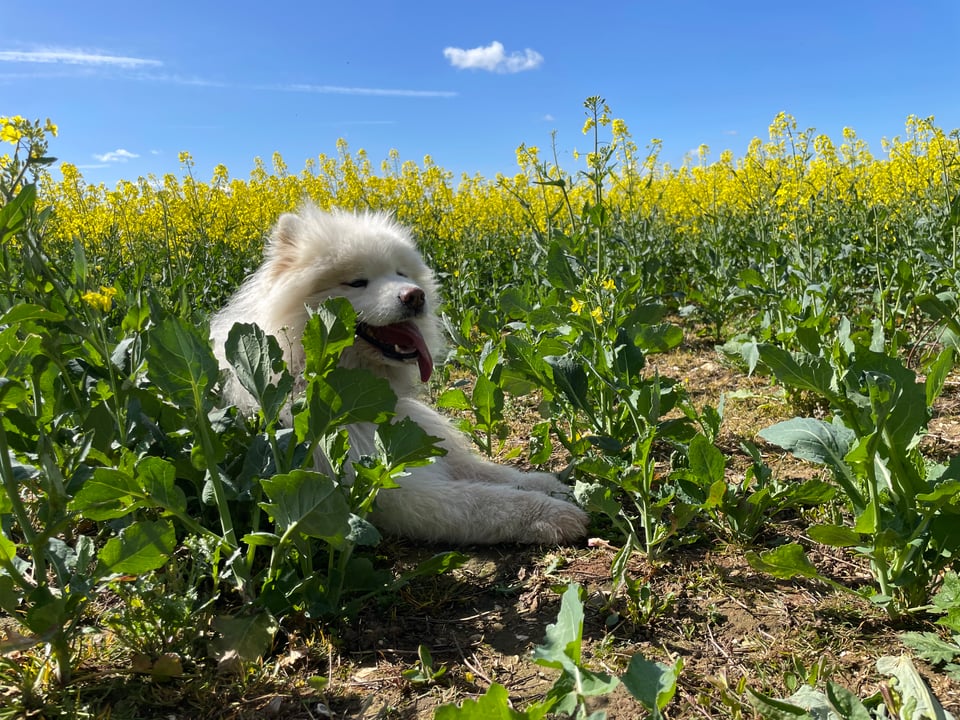
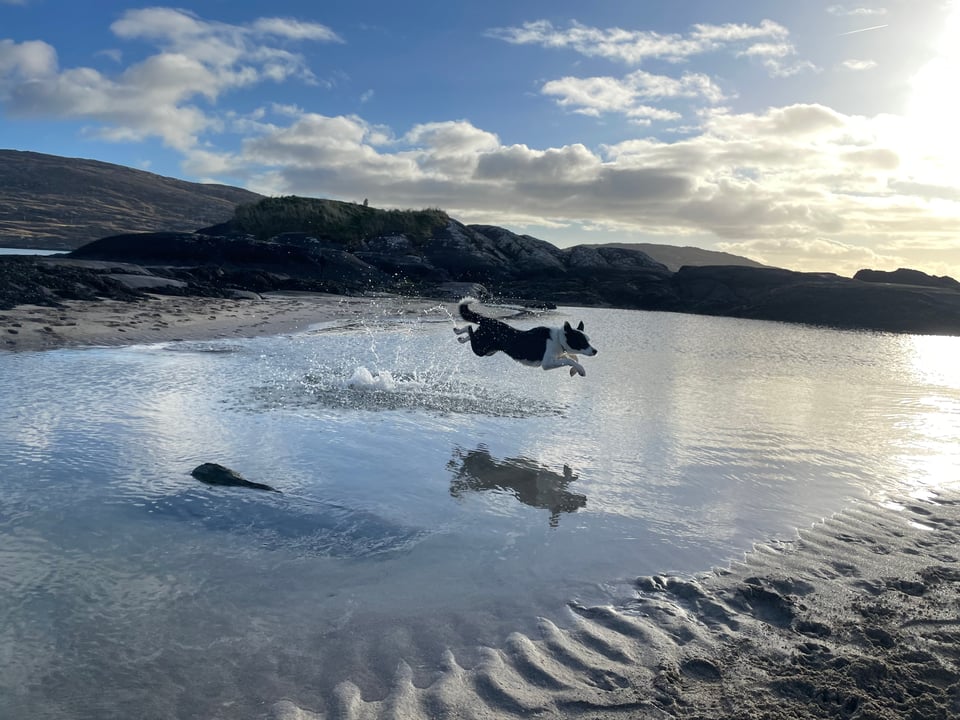
The pupdate. Well, in this crazy crazy world with so many large-scale things to worry about it’s chastening to write that losing our Molly dog last year knocked the stuffing out of me for a very long time. But Milo is still with us and enjoying life as a senior and very regal dog of 12.5 years old. Admittedly he’s less enthusiastic about the newest pack member, Chip, a very athletic and, to be honest, rather neurotic collie (I know, ‘collie’ makes ‘neurotic’ redundant!) who we rehomed late last year.
I’m barely reading at all, except of course book-stuff, but if you’ve not already had the pleasure - and truly it is deeply pleasurable reading - let me recommend Francis Spufford’s ‘Nonesuch’, about an alternative London during the Blitz where you’ll find magic, magical fascists who must be defeated, and a heroine called Iris who just might be able to do it. There’s JM Keynes in a delightful walk-on role, all the textures and sensations of a country at the limit of its endurance, the British Union of Fascists getting their comeuppance in fiction, albeit not yet in today’s real life, and the utterly fascinating idea that radio frequencies and angels might be connected, and the place where that connection may be discovered is a very, very early BBC television stage.
The one novel I seemed able to read (and reread, and reread) this summer is M. John Harrison’s ‘The End of Everything’, a tale of epistemic collapse - only somewhat more extreme than the one we’re living through right now - and aliens, and the enduring peculiarity of British seaside towns. Whenever I feel that Englishness is purely a blight - and it’s hard not to today, as literal Blackshirts hunt migrants in Kent, unimpeded by the police and sympathised with by the BBC - I keep calling Francis and Mike’s work to mind. Their Englishness is far stranger, deeper, and a hell of a lot funnier than anything a fascist could either create or endure.
One last book rec: Lyndsay Stonebridge’s ‘We Are Free to Change the World; Hannah Arendt’s Lessons in Love and Disobedience’. It’s a life of Arendt and a whistle-stop tour of her work, written always with an eye to what Arendt calls us to do today: question and fight tyranny in all its forms, and never stop making space for plurality. If you’ve not read Arendt since college, or always been curious but never knew where to start, it’s terrific. Stonebridge’s next book is about older women and how they shape and drive progressive politics. Keenly awaited!
Best wishes, Maria
You just read issue #8 of Maria Farrell's Newsletter: A Cage Went in Search of a Bird. You can also browse the full archives of this newsletter.