
The Old Drift
Historical change in off-center Zambia
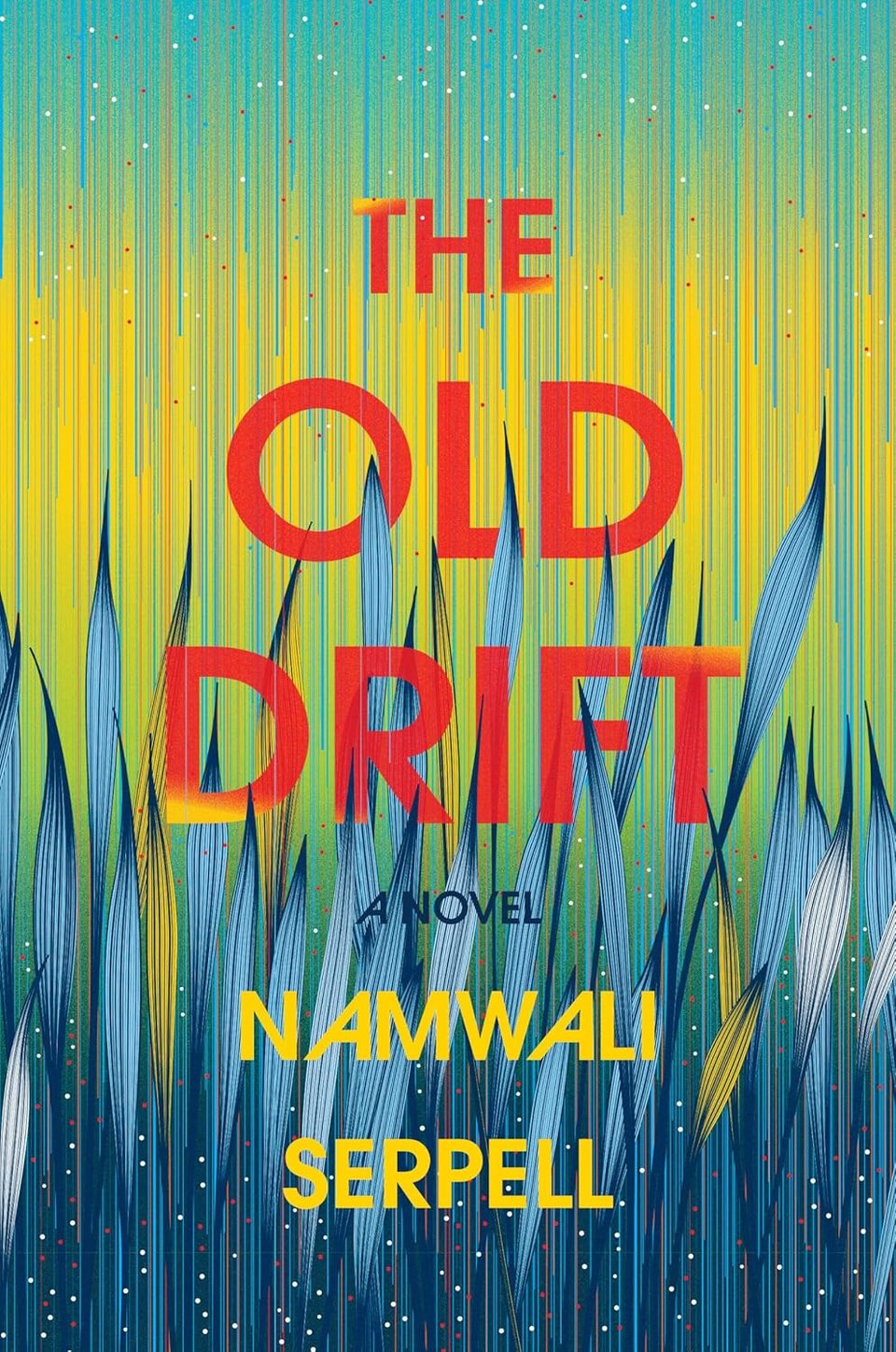
“You can’t stop technological progress,” goes the truism accompanying such threatening technology as surveillance drones, but one of Namwalli Serpell’s contemporary Zambian protagonists has a sharp rejoinder: “Progress is just the word we use to disguise power doing its thing” (506). Slightly magical-realist and slightly science-fiction, Serpell’s historical novel The Old Drift swims in the fluidity of historical “progress” and the discourse with which we speak of it. In a narrative of three Zambian families driven by imperial technology, from steamboats to dams and drones, Serpell probes the relationship between the individual and the collective in molding society.
The Old Drift centers on three families from Zambia’s late nineteenth-century colonization to a distinct 2023 and beyond. One line stems from Sibilla, an Italian girl whose hirsute growth is the length of her body each day and who finds herself in hairy situations with colonial administrators. Meanwhile, Agnes, a blind British girl who falls in love with a Black Zambian scholar, follows him back to the British colony. Slightly later, young Black Zambian Matha prepares for space as an Afronaut under Edward Mukuka Nkoloso before the program’s end, shunning due to pregnancy, and the loss of her partner drive her to depression. While the novel spends moderate stays in Italy, Britain, India, and other locales, the beginning, end, and bulk of the book circle capital Lusaka and the Kariba Dam built by the colony that powers the industrial-capitalist present.
A strength and weakness of Serpell’s story is that her illumination of real history is often more interesting than the occasional fantasy stitched into the tapestry. Her writing explores such events as African National Congress mobilization against the Kariba Dam and the Afronauts’ resourceful experiments with vigor, insight, and wry humor. But while magic inheres in such regular touches as a chorus of mosquito narrators, for example, they mostly buzz in for a quick page or two of whimsy without saying much, even being undermined by a reveal in the novel’s third act. Similarly, Sibilla’s hair, besides fueling a hair business later on, seems to exist mostly to blizzard the reader with description; magical realism does not shape the narrative canvas as much as splash in touches of color. Without spoiling much about the science fiction interventions, I found that the fantastic largely came second to the overarching story of Zambian societal change and the intricate relationships of Serpell’s protagonists.
Indeed, the relationships between child and parent, child and sibling, and child in broader society are what drive The Old Drift, inscribing the push and pull of family life into a panorama of colonization and resistance. By the third generation of the grandmothers’ families, with young adults entangled in contemporary struggles with the ongoing HIV epidemic and government surveillance, Serpell has shown a plethora of relationships between personal relationships and collective currents. The occasional strain in fantasy or characterization stems from real fault lines between organizations, individuals, and environmental developments that interplay in vivid detail on the shores of the Zambezi River. Through the fraught and delightful haze of history, The Old Drift glides along.
If you enjoyed this review, consider subscribing for more or buying me a coffee!