
Issue #22: Three FREE Creepy Classics
Spooky Gothic tales to get you in the holiday spirit: a novel, a novella, and a short story!
With October starting, the last of the sunshine-days are dropping through my fingers and rolling away, like so many precious amber-glass marbles.
Last October, I reviewed a cozy witch novel, but this year, my mind is turning to the spooky classics. I have 3 to share with you: a novel, a novella, and a short story to get you in the holiday spirit! And, they are available to you for free, right from this article.
But, first: a little background…
****
Project Gutenberg
Are you familiar with Project Gutenberg? (If you aren’t, I’m so excited to share this with you!)
Project Gutenberg is a completely free online resource for e-books and audio books, providing access to many, many works of literature in the public domain (which usually means books over 100 years old).
This project was started by Michael Hart on December 1, 1971 (yes, you read that correctly: 1971!!!) with digitizing the Declaration of Independence, and his realization that “[...] the greatest value created by computers would not be computing, but would be the storage, retrieval, and searching of what was stored in our libraries.” PG
This project continues to expand, maintaining its mission of providing accurate digital access with no monetization EVER. There are currently over 75,000 free ebooks available, including the Gothic literature I’m discussing today.
****
A quick note on Gothic style
The Gothic style was prominent in the Victorian era of the 1800s (think of works by the Brontë sisters or Edgar Allan Poe). Our modern understanding of “goth” or “Gothic” leans accurately on this writing style: dark, chilling, mysterious, ornate, supernatural, sensational, ominous, etc.
But, my favorite aspect of Gothic writing is its focus on heightened sensation: descriptive and immersive scenery, earthly and unearthly sounds, vivid taste and smell, and intense feelings from physical circumstances and a character’s reeling intuition.
Leaning into the sensations of these works gives added dimension and appreciation to my reading experience. It’s something I particularly look for and enjoy about the Gothic style!
And now, on to the literature…
****
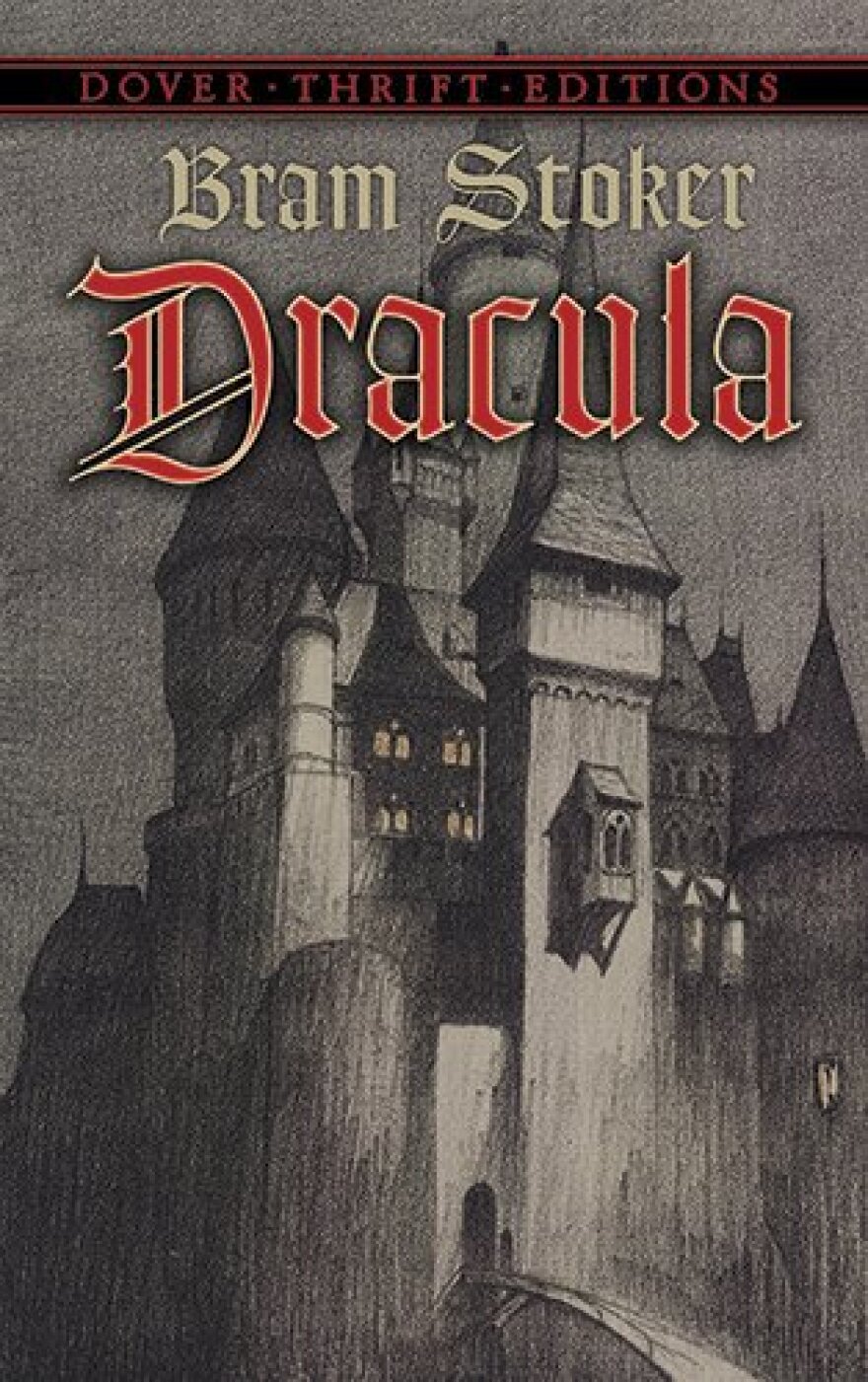
Novel: Dracula by Bram Stoker (1897)
We all know the many variations on vampire lore–from the cheesy cartoon to the horrifically realistic–but have you read the classic synthesis of all the old myths and legends that is this novel?
I’ll admit that a couple of years ago when my husband suggested we both read Dracula, I wasn’t excited. My assumption was that it was old and stuffy and overdone–I mean how many stories of vampires (and Dracula in particular) do we need to hear?
I am happy to say I was very wrong!!
This novel led me through a rich and exquisite telling through the thoughts and letters of Jonathan Harker and his fiancé, Mina. I learned and explored with the characters, and I was equally curious and horrified at the strange complexities of the Count. It is a fascinating journey! And, there were quite a few parts of the vampire lore I wasn’t familiar with (the connection to the soil, for example).
Dust off the cover, this is a vibrant novel!
Download the ebook or audiobook.
****
Novella: Carmilla by Joseph Sheridan Le Fanu (1872)
Carmilla was written by Irish author Joseph Sheridan Le Fanu. It was first published in London in a serial magazine, and predates Dracula by about 25 years!
So, why isn’t THIS the classic vampire story?
One reason might be its strong theme of female empowerment and sexuality. The protagonist and heroine are female, and their bond is sensuous! The vampire lore in this story is also darkly interesting.
This novella is only about 100 pages (the shorter length is what makes it a novella in the first place!), and it is well worth the exploration!
Download the ebook or audiobook.
****
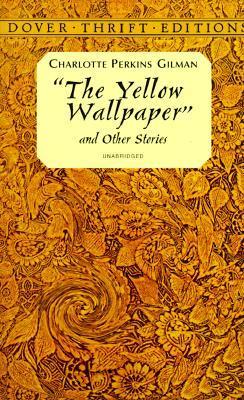
Short story: “The Yellow Wallpaper” by Charlotte Perkins Gilman (1892)
My mother loves horror movies. She says they don’t really scare her, because the scariest thing she can think of are people who are literally insane–because they are terrifyingly unpredictable.
If you want just a little taste of that type of scare, “The Yellow Wallpaper” follows a woman’s descent into madness. The reader can accurately assume that the main character is suffering from severe postpartum depression, but her prescribed “cure” of confinement and complete rest topples the last of her standing sanity.
This is not a tale from the supernatural, but from the purview of women’s place in history. How many women were tortured by this “confinement” prescription? How many women lost their minds in exactly this way?
Charlotte Perkins Gilman was a prolific feminist writer in the late 1800s and early 1900s. “The Yellow Wallpaper” was the first work of hers that I read. I have since read several of her other works, but this remains my favorite–this short story is more colorful and artistic than her other pieces by far.
This story is vivid, yet subtle, and the “smooches” of yellow wallpaper dust still haunt my mind!
Download the ebook here.
****
Happy Halloween month to you, my friends! I wish you a few solitary hours to explore some spooky literary classics…and everything else Project Gutenberg has to offer.
Kate
****
This is issue #22 of The Book Moth
Add a comment: