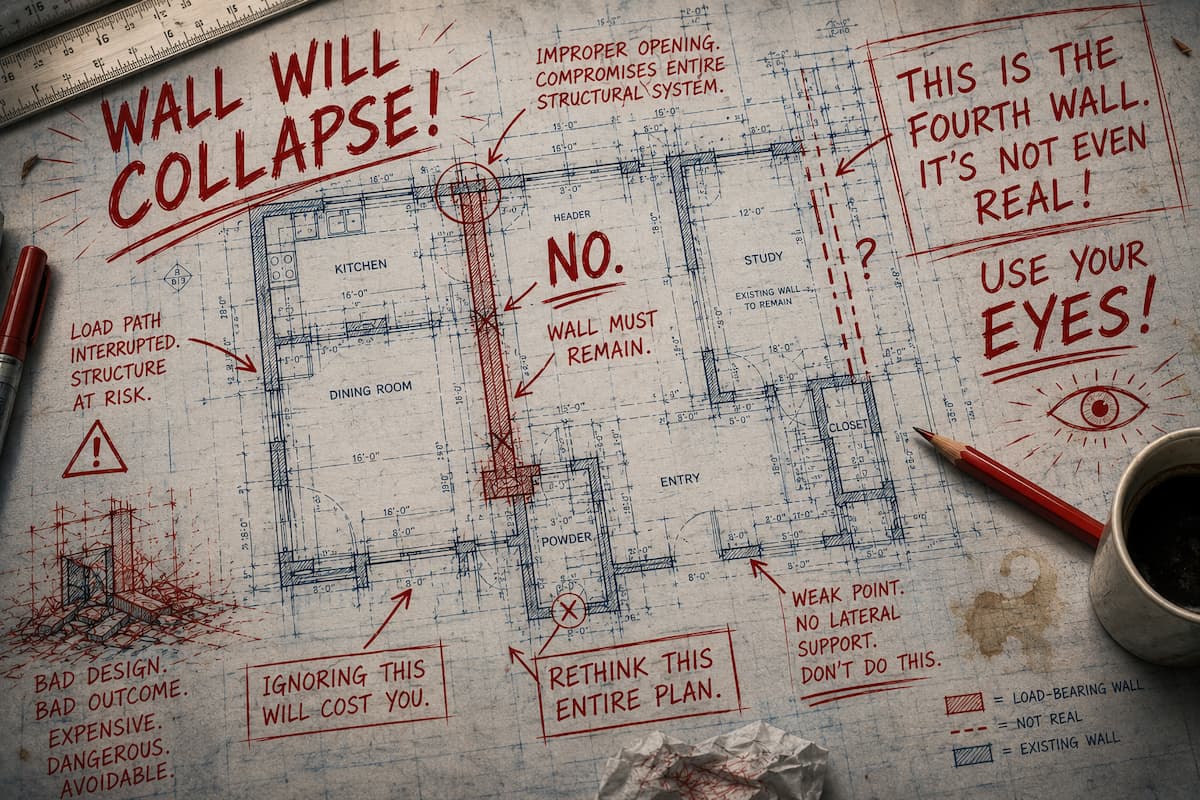
The Risk We Pretend Not to See: How Coverture Survived in the Architecture of Marriage
The Risk We Pretend Not to See: How Coverture Survived in the Architecture of Marriage.
Coverture was the legal doctrine that erased a married woman’s independent legal identity. Under traditional common law, a married woman was not treated as a separate legal person in many areas of life. Her legal existence was absorbed into her husband’s. She could not freely control property, enter contracts in her own right, or act with the same legal autonomy as an unmarried person.
The doctrine was formally dismantled through generations of legal reform. But the disappearance of coverture from the law did not necessarily eliminate the conditions that made it dangerous. Coverture did not vanish. It changed form. It moved from explicit legal ownership into the quieter architecture of dependency: economic vulnerability, unequal caregiving burdens, and systems that can leave one person trapped when a relationship becomes unsafe.
Marriage is often described as a partnership built on love and trust. But a legal institution cannot rely only on the assumption that everyone will behave well forever. The reality is that people change, circumstances change, and some partners use increased commitment as an opportunity to gain control.
This is the fundamental risk that women face: not simply choosing the wrong person, but entering a structure where the consequences of a partner’s betrayal can be catastrophic.
A person can appear loving, supportive, and trustworthy before marriage or before children. Many survivors of domestic abuse describe a transformation that happened after they became more vulnerable: after a child was born, after they left the workforce, after they became financially dependent, or after their support network weakened. The problem is that no one can see the future version of another person with certainty.
And when the transformation happens, the ability to leave may already be compromised.
For some women, leaving an abusive relationship is not merely an emotional decision. It is a fight for survival. The period around separation can be extremely dangerous, and some women are killed by partners who cannot tolerate losing control. Others experience a different kind of destruction: financial devastation, legal warfare, loss of housing, loss of healthcare, and the erosion of every resource needed to rebuild.
Violence is not always immediate or visible. Sometimes harm arrives through a slow accumulation of actions that strip a person of stability and security. Economic abuse can function as a form of control because money is not just money. Money is access to food, shelter, healthcare, legal representation, transportation, and the ability to make choices.
A system that allows one person to control those necessities creates vulnerability.
This is why the question cannot simply be, “Why did she choose that person?” The deeper question is, “Why does our system allow one person’s power inside a marriage to become so destructive when the relationship fails?”
We would never design a workplace safety system by assuming every boss will be ethical. We would never design financial regulations by assuming every person with power will act responsibly. Yet family structures have often relied heavily on personal trust while providing inadequate safeguards when trust collapses.
The solution is not to pretend marriage is inherently dangerous or that every partner is a threat. The solution is to acknowledge reality: some relationships fail, some people abuse power, and the cost of failure is not evenly distributed.
A safer framework would require stronger protections for economic independence, recognition of unpaid caregiving labor, meaningful access to legal support, and real exit options. The goal is not to weaken families. The goal is to prevent family structures from becoming places where one person can lose the ability to survive.
The lesson of coverture is not merely historical. It is a warning.
A society can remove a word from the law and still preserve the conditions that made that word possible.
The question is not whether women should trust. The question is whether women should be asked to risk their entire lives on trust alone.
A truly modern marriage system would not require women to gamble their safety on the hope that nothing goes wrong. It would be built on the assumption that sometimes things do go wrong, and no person should lose their freedom, security, or future because of it.