The Chipmunk Song

After the success of WITCH DOCTOR, in early 1958, Liberty Records asked Ross Bagdasarian to produce another novelty record. While he was at it, the executives suggested that Ross adopt a pseudonym because they thought his Armenian last name was too difficult to pronounce.
Ross, now known as Dave Seville, came up with the idea for a group of singing chipmunks after seeing one of those creatures on the road refuse to move for his car. For good measure, he named them after executives at Liberty; Alvin (named after Al Bennett), Simon (Simon Waronker), and Theodore (Ted Keep).
And ever since, THE CHIPMUNK SONG has remained a staple on the Billboard charts and helped Liberty Records avoid near-bankruptcy.
How Did He Do It
Ross owned a special tape recorder that could change the speed of recordings. While experimenting with it, he found a method where he recorded his slowly-sung voice at half speed and then played it back at normal speed, producing a high-pitched, squeaky voice. The pitch change with the Chipmunks is different from a song like THEY’RE COMING TO TAKE ME AWAY, HA HA! which uses phase shifting. The Chipmunks' sound is achieved by recording the music and then slowing down the tape by half, which lowers the music by one octave. When played back at regular speed, they sound a full octave higher and at normal tempo. Bagdasarian recorded vocals and music at different speeds to mix them properly. Guitarist, and studio whiz, Les Paul claims he visited Bagdasarian's studio and helped with the recording. Ross, on the other hand, never confirmed this.
The use of this technique with The Chipmunks linked it to them, with the term chipmunk-voiced entering the American vernacular to describe any artificially high-pitched voice. (And since this is capitalism, there were dozens of imitators looking to cash in on Ross’s success.)
Chipmunk-voiced, thirty years later, would have a revival near the beginning of hip hop, with hits like Newcleus’ JAM ON IT. More recently, the technique has been used by Quasimoto on the Stones Throw label and in the early days of Kanye West. Using sped-up, high-pitched vocal samples from classic soul records combined with his own instrumentation, as heard on The College Dropout, Late Registration, and Graduation, this style became known as chipmunk soul.
Chart History
THE CHIPMUNK SONG spent four weeks at number one on the Billboard Hot 100 chart from December 22, 1958 to January 12, 1959, booting out the Teddy Bear’s TO KNOW HIM IS TO LOVE HIM. Within three weeks of its release, the song sold over 2.5 million copies, making it the fastest-selling 45 of 1958. Between 1958 and 1962, the single re-entered the Hot 100 multiple times, peaking at No. 41 in 1959, No. 45 in 1960, and No. 39 in 1962. Ultimately, the song netted three wins at the first annual Grammy Awards. For those keeping score, that's three more Grammys than Queen's BOHEMIAN RHAPSODY received.
With the release and popularity of the live-action film Alvin and the Chipmunks in 2007, THE CHIPMUNK SONG re-entered the Billboard Hot 100 at No. 70. It was the only Christmas record to reach number one on the same chart until Mariah Carey's ALL I WANT FOR CHRISTMAS IS YOU did so in 2019.
Soundtrack Placement
The original recording of the song is included in Look Who's Talking Now! (1993), Donnie Brasco (1997), Almost Famous (2000), and The Fate of the Furious (2017). And, of course, the live-action film Alvin and the Chipmunks
About Ross Bagdasarian
At one point in his career, Ross Bagdasarian, tried his hand at acting on Broadway. Later, he played a pianist in Alfred Hitchcock's thriler Rear Window.
But, before that a failed attempt at grape farming in Fresno, led Ross to move to Los Angeles where he started a career as a songwriter. Bagdasarian's first significant success in songwriting came with COME ON-A MY HOUSE, co-written with his cousin, novelist William Saroyan, in 1939. The song was rejected by many record companies for being "too ethnic," (it was a based on Armenian folk song) and it was not recorded until 1950 (by Kay Armen). Mitch Miller of Columbia Records came across the song and persuaded Rosemary Clooney to record it, becoming a million-selling hit.


You Might Also Find These Five Other Novelty Holiday 45s Interesting
Lee Arnold : A TRUCKER'S CHRISTMAS
Marcels, The : MERRY TWIST-MAS
Pac-Man : THE PAC-MAN CHRISTMAS STORY
Mistletoe Disco Band, The : SILVER BELLS (DISCO)
Spike Jones And His City Slickers : MY TWO FRONT TEETH (ALL I WANT FOR CHRISTMAS)
See You Soon
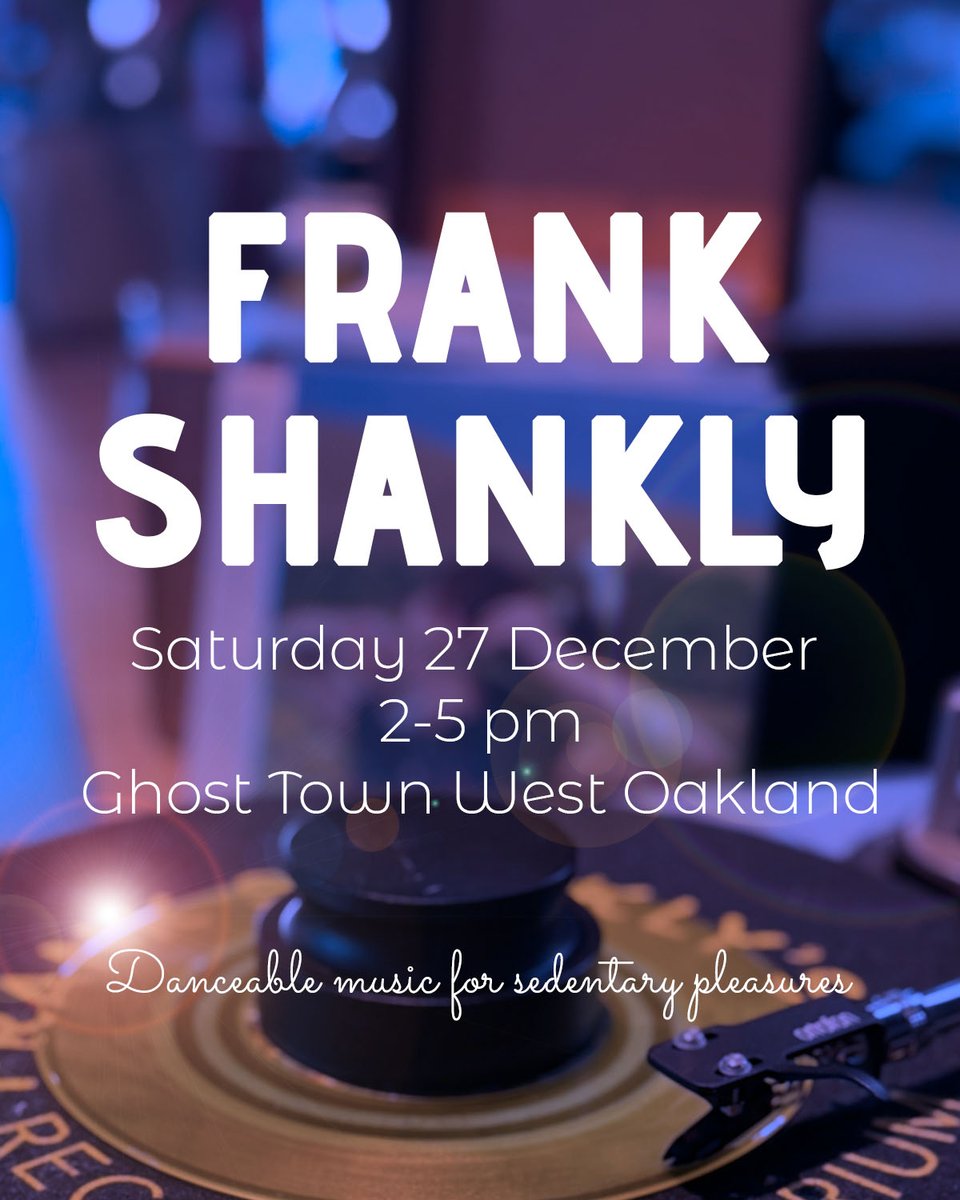
Happy Holidays to you! As always, Frank wishes you the best for the coming year.