
May: A month of birds, birth and beauty
Frontenac State Park Association newsletter
May 2026 (Vol. 4, No. 5)
Comments, contributions, compliments, complaints? Reach your newsletter editor at [email protected].
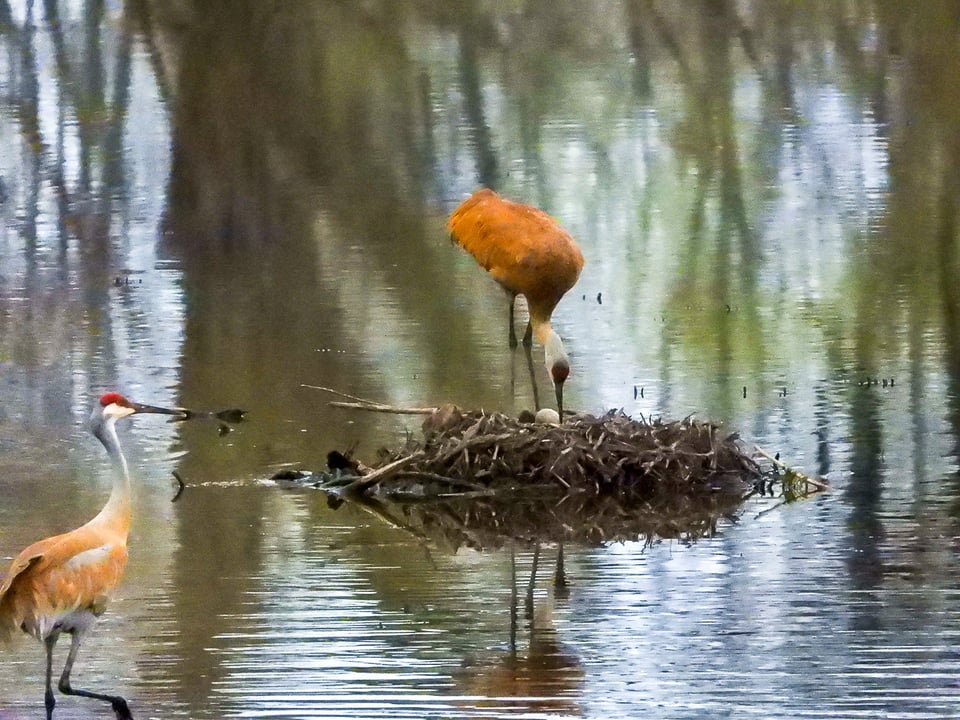
May: A month of birds, birth and beauty
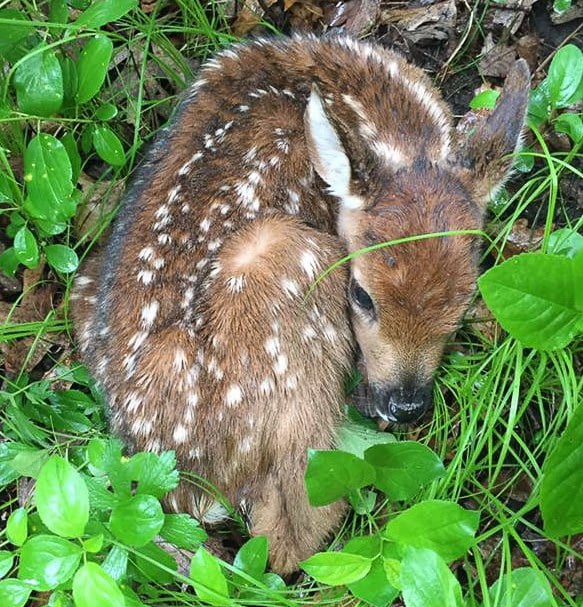
What do we even need to say about May? It speaks for itself, gloriously, with its welcome bursts of warmth, color and new life, all of which you can find in abundance in Frontenac State Park. See you there!
Upcoming park events:
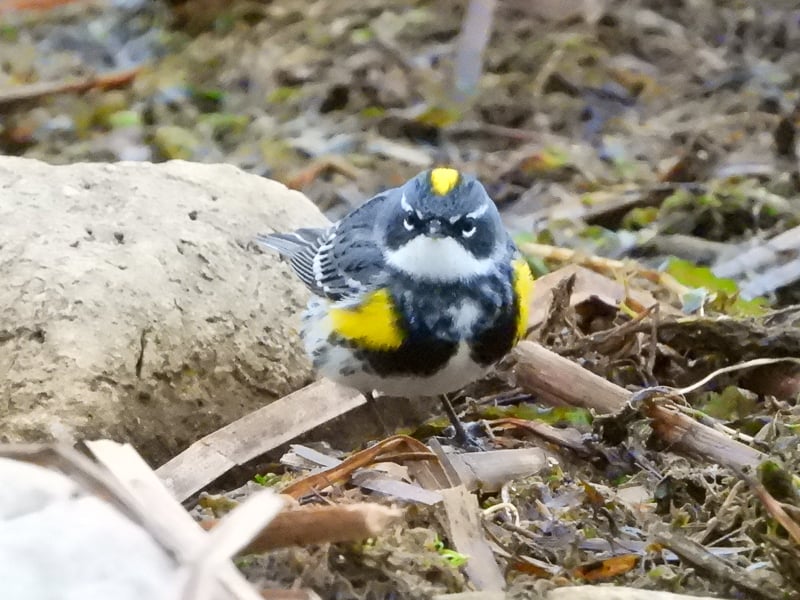
Saturday, May 2, 9 a.m.: Birdwalk led by Minnesota Master Naturalist volunteers Janet Malotky and Steve Dietz. Meet at the main picnic shelter. We’ll be looking for warblers, warblers and warblers!
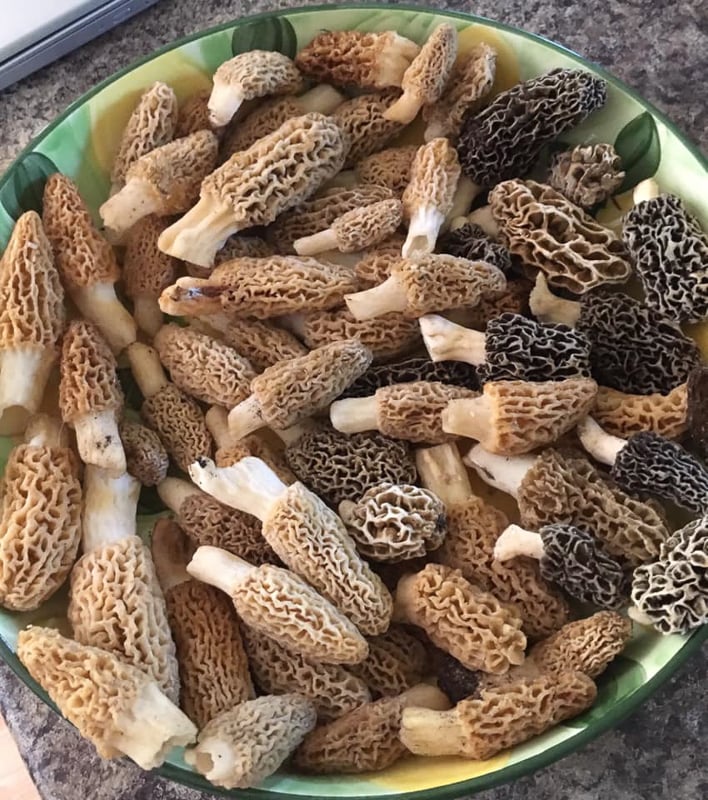
Saturday, May 9, 11 a.m.-12:30 p.m.: Fungi walk led by Minnesota Master Naturalist volunteer Pam Miller. We’ll talk about spring mushrooms and their relationship to trees, and maybe find a few — or not (fungi are fickle like that). Meet at the campground shower building kiosk. Wear long pants, closed shoes and tick protection.
Saturday, May 16, 10-11 a.m.: Nature walk with park manager Jake Gaster. Ranger Jake will lead visitors along trails through the upland area of the park, pointing out a variety of natural features as they are encountered. Dress for the weather and bring sun and tick protection. Meet at the shower building in the campground.
Saturday, May 16, 1-2:30 p.m.: Lorry Wendland reads from and signs/sells copies of her new book, “The History of Frontenac State Park: The Land Before and After.” Florence Township Hall, Frontenac Station.
Thursday, May 21, 2 p.m.: Quarterly FSPA meeting, main picnic shelter.
Saturday, May 23, 9-11 a.m.: Bird walk with Minnesota Master Naturalist volunteers Janet Malotky and Steve Dietz. There should still be some migrating birds and many breeding birds to look for. Meet at the main picnic shelter.
Sunday, May 24, 11 a.m. - 1 p.m.: Presentation by Jackie Fallon of the Midwest Peregrine Society. The peregrine falcon, known for its dramatic migration and amazing flight, has long fascinated people around the globe. Jackie Fallon will present this program with several live birds to help us understand the past, present and future of peregrine falcons in Frontenac State Park, Minnesota and the Upper Midwest. Meet outside park headquarters, near the park entrance.
Wednesday, June 10, 10-11 a.m.: Nature Explorers program for preschoolers (ages 3-6) with Project Get Outdoors interpretive naturalist Sara Holger and FSPA volunteers: Wild About Flowers. Children must be accompanied by an adult. Meet at the park’s main picnic shelter.
…and don’t forget about our biggest event of 2026:
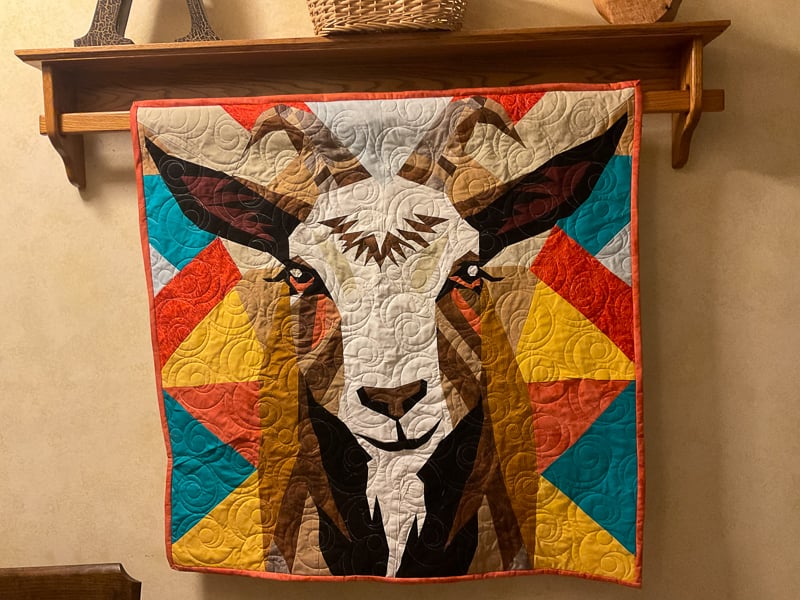
June 13, 10 a.m.-5 p.m.: Prairie Dreams, when more than 140 stunning, prairie-themed quilts will be displayed along a Frontenac State Park trail. Come see this amazing and unique folk art, talk to the artists and FSPA folks, and enjoy some treats and a drawing for a free park pass.
Fire ecology: Why prairie burns are essential
By Brian Henkel, FSPA member
News reports often highlight devastating wildfires across the West Coast and remote areas of Canada — and occasionally, even in Minnesota, especially in the forested north. These fires can blacken vast landscapes, threaten communities, and require enormous resources to contain.
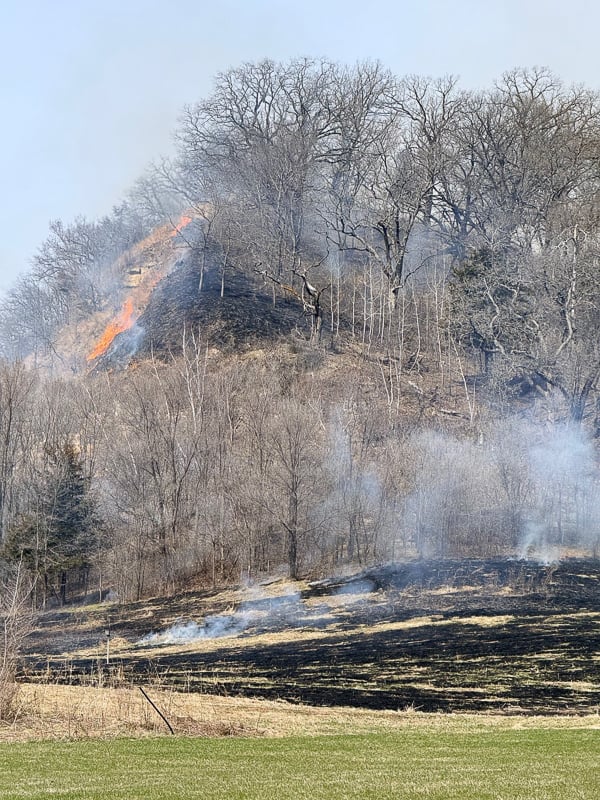
But when applied carefully and intentionally, fire is an essential tool for maintaining healthy prairies and woodlands.
Planned burning — often called prescribed or controlled burns — plays a critical role in sustaining prairie and savanna ecosystems. These burns provide several key benefits:
Nutrient cycling: Fire breaks down accumulated plant material, returning valuable nutrients to the soil, much like a natural fertilizer.
Stimulated growth and wildlife habitat: Removing dense, dead vegetation allows sunlight to reach and warm the soil, encouraging fresh, nutritious plants that benefit grazing animals and pollinators.
Control of invasive species: Many invasive plants are not adapted to fire, while native species — which often have deep root systems extending 6 to 15 feet — quickly recover and outcompete them.
Prevention of woody encroachment: Fire helps keep prairies open by limiting the spread of shrubs and trees.
While controlled burns improve ecosystem health, timing is critical to minimize impacts on wildlife, especially during nesting seasons. Most burns occur in early spring, after snowmelt, but before active plant growth begins. Late fall, after plants have gone dormant, is another common window.
At Frontenac State Park, staffers conduct prescribed burns on a regular basis. If you see columns of smoke rising from the prairie in spring and fall, you can be confident it’s a carefully planned and expertly managed effort to keep the landscape healthy and vibrant.
Birdnote: Spring in the North Country
By Janet Malotky, Minnesota Master Naturalist volunteer
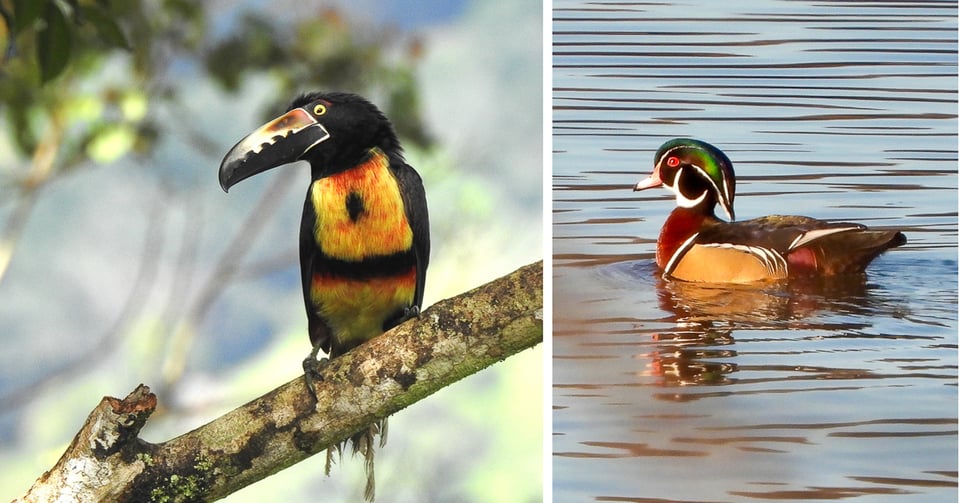
I was recently in Costa Rica, enjoying the abundance of bird life. The colors! The sizes! The behaviors! The habitats! Coming from our Minnesota winter, where a walk in the park generally reveals at most 10-ish bird species, the 354 species I saw in two weeks there was a lush, almost overwhelming experience. And the landforms, precipitously rising and falling, foothills crashing into mountains and then plunging into valleys, all covered in green! I have never driven so many switchbacks in all my life. It was extraordinary.
I was surprised, however, when the sun set before 6 p.m. on our first night there. The early darkness in warm weather was jarring. And it’s like that all year round. No long summer evenings for Costa Ricans.
Why is this? Because the Earth is tilted on its axis, the angle at which sunlight strikes it varies as it rotates around the sun. The variation is slight near the equator and increases as one moves north or south. Costa Rica is much nearer the equator than we are in Minnesota. For Costa Rica, this equates to sunset and sunrise times that stay consistent within a 40-minute range all year round, while our day length changes by nearly seven hours from summer to winter.
For the same reason, the temperature in Costa Rica doesn’t vary much over the course of the year. Their seasons consist of a rainy one and a dry one, but if you’re at low elevation, the melting heat and humidity are the way it is. At mid-elevations, it’s comfortably warm but humid, and up at the mountaintops, the humidity comes with cool temperatures, all with little variation over the course of the year.
Our group spent several days in the lowlands, sweating buckets just from breathing, and while I was peeling off yet another set of drenched clothing, knowing this was the daily offering with little variation for the people who live there, I thought fondly of our crazy Minnesota weather. I was appreciative, especially, of the changes, the yearly patterns we come to know, anticipate and (usually) love. “Never a dull moment” took on new meaning, in such a good way.
And now here I am, back just as our Minnesota spring begins its voluptuous push. You can feel it burgeon in your bones. Soon the park will be plush with birds, maybe even a few we saw in Costa Rica such a short time ago. They’ll be singing in their multitudes from every location. A walk to enjoy them that takes an hour in the winter will stretch to three or four, and the species count will swell into the 50s. It will be overwhelming. It will be glorious. I’m so excited.
Notes from the field: In praise of nettles(ome)
By Steve Dietz, Master Gardener volunteer
One of my favorite spring activities is bushwhacking. Before trees and shrubs leaf out into impenetrable tangles, it’s possible to follow wildlife trails and discover patches of spring ephemerals and mushrooms without getting too many scratches. In particular, by June or July, the Sand Point trail is hemmed in by 6-foot stinging nettles, and you wander off trail only rashly. So to speak.
Even if you are not in a rush for a rash, as was reputed of Roman legionnaires in Britain, who would switch themselves with nettles to ward off the effects of damp weather and perhaps drowsiness, we must marvel at the botanical mechanics of Urtica diocia.
Nettles spread through a dense network of creeping rhizomes that store carbohydrates over winter. They draw upon that energy in spring to push up their stems very quickly, taking advantage of light through the leafless overstory like their more comely spring ephemeral cousins. Rather than quickly dying back, however, nettles keep growing. They send up hollow or pithy stems that reduce material costs while still providing height and structural support. Because herbivores also don’t like to be stung, nettles sustain very little browsing damage. The plant rarely loses much time to setbacks and does not have the usual brakes on vertical growth, allowing it to reach up to 6 feet in a single season.
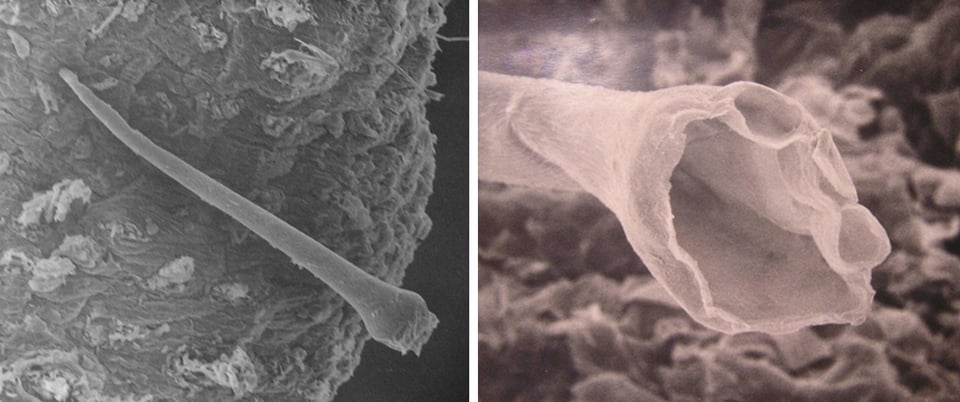
Interestingly, it was not until 2011 that nettles’ stinging was known to have a mechanical component, not just a biochemical reaction. Nettle leaves and stems are covered in hollow, needle-like hairs called trichomes — essentially tiny hypodermic needles made of silica. Each hair has a bulbous base containing the chemical payload, and a very fine, brittle tip. The tip is so fragile it snaps off at the slightest touch, leaving behind a sharp point that pierces skin easily.
To think of nettles only as troublesome, however, would be rash. As early as 77 CE, Pliny the Elder wrote in “Natural History” about “The Nettle: Sixty-one Remedies, ”and for centuries, indigenous healers have relied on it for a range of therapeutic as well as culinary uses. Wear gloves to pick the leaves of young plants — the older they are, the more bitter they become. Either dry the leaves for later use or rinse them repeatedly in cold water to remove the prickles, and then use them in many of the same ways you might use spinach—- in salads, soups and pasta dishes. One of my favorites is nettle pesto. Just use your regular pesto recipe and substitute the nettles for basil. Or mix it up. It’s all good. Same with soups.
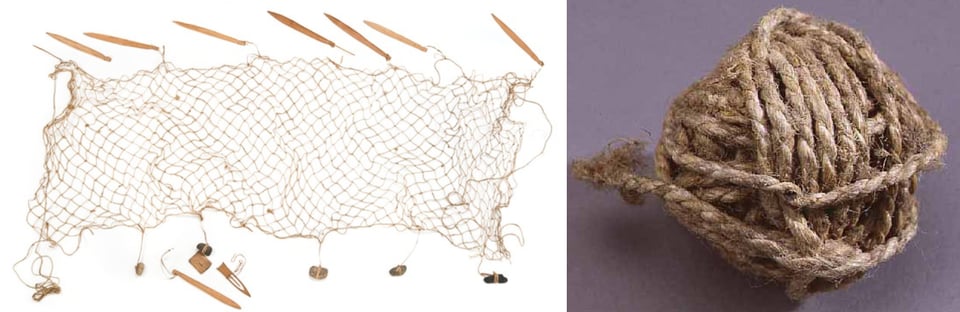
It’s also possible to create a strong fiber out of nettles. Its use has been documented in Bronze Age textiles as well as in contemporary sustainable designs. In our region, the Anishinabe have used it to construct fish nets and to tie bundles of wild rice.
Next time you hear of a situation or a person described as nettlesome, look beyond the initial irritant and consider all the beneficial possibilities.
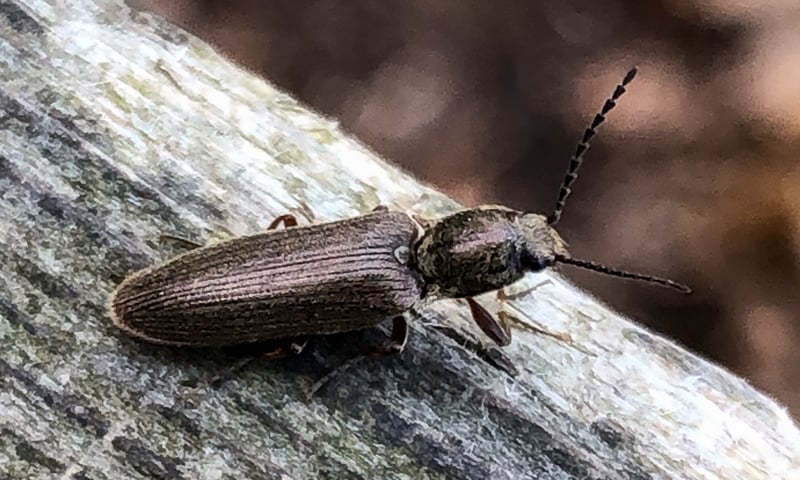
iNaturalist moment: A beetle with a beat
Spoiler alert: Plants to watch out for, and to avoid
By Brian Henkel, FSPA member
Minnesota is home to a number of plants that are better observed than touched, some of which can be found in Frontenac State Park. A few of these have the potential to ruin an otherwise amazing weekend. But most are easy to avoid — if you know what to look for.
Poison ivy (Toxicodendron radicans)
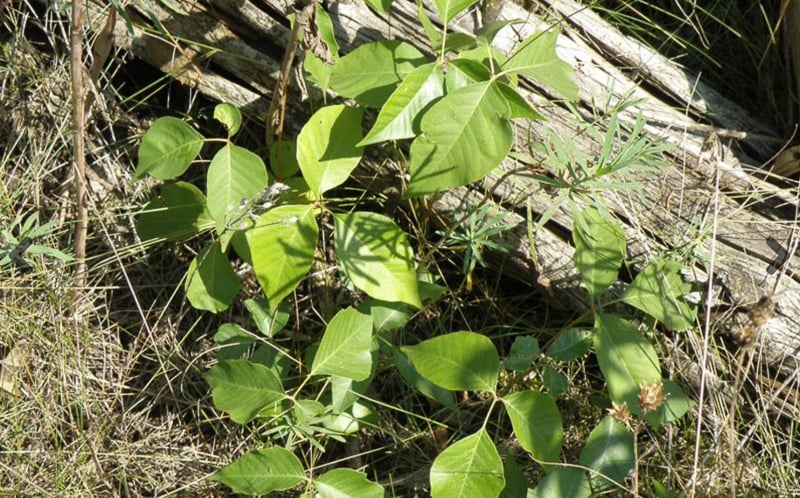
“Leaves of three, let it be” is a helpful reminder. This native plant can grow as a vine or small shrub and produces berries that wildlife enjoy — but humans should steer clear of. The oil (urushiol) found in the leaves, stems, and roots causes an itchy rash that can last for weeks. If exposed, wash the area promptly with soap and water. The rash may seem to spread, but this is usually due to lingering oil on skin, clothing or gear.
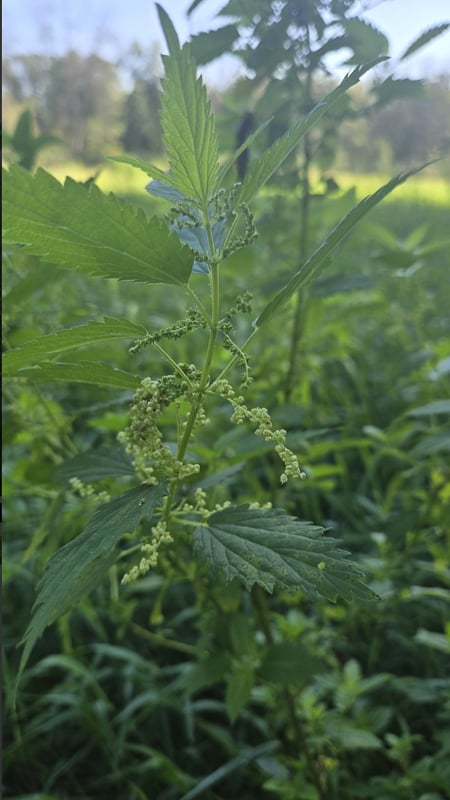
Stinging nettle (Urtica spp.)
Not poisonous, but certainly unpleasant. Brushing against nettles causes tiny hairs to inject irritating compounds into your skin, resulting in a burning, itchy sensation that can last up to 24 hours.
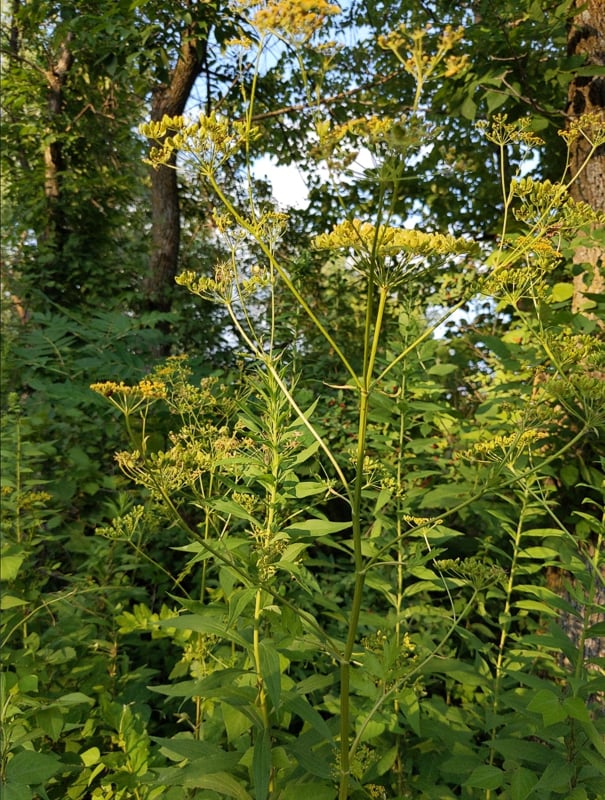
Wild parsnip (Pastinaca sativa)
An aggressive, fast-spreading plant that grows 2 to 6 feet tall, with flat-topped yellow flower clusters blooming from June through August. Its sap can cause phytophotodermatitis, a reaction where skin becomes highly sensitive to sunlight, leading to severe burns and blisters. If contact occurs, wash the area immediately and avoid sunlight for at least 48 hours.
A little awareness goes a long way. With these plants in mind, you can explore confidently and enjoy everything Frontenac State Park has to offer.
Poem of the month
“May-Flower”
By Emily Dickinson (American; 1830-1886)
Pink, small, and punctual,
Aromatic, low,
Covert in April,
Candid in May.
Dear to the moss,
Known by the knoll,
Next to the robin
In every human soul.
Bold little beauty,
Bedecked with thee,
Nature forswears
Antiquity.
Interested in joining the FSPA?
If you are a member, thank you! You help us pursue our mission of supporting this treasured park in myriad ways.
If you’d like to join us, we’d be honored to have your support, especially as we build our 2026 membership list – remember to renew if you’re already a member! Dues are $25 per year for an individual, $35 for household membership. Here’s a link with signup information.
A reminder that joining us occasionally to help with volunteer efforts is awesome too, even if you’re not a member. The FSPA’s goals are to support Frontenac State Park activities and share our love of this beautiful park with as many people as possible.
To sign up to regularly receive this free, spam-free monthly newsletter, click on “Subscribe” below. Feel free to send questions or comments to your newsletter editor at [email protected]. Questions about the FSPA? You can reach FSPA president Steve Dietz at [email protected].
Handy links for more information and education
Frontenac State Park
Frontenac State Park Association
If you take pictures in the park, tag us on Instagram
Frontenac State Park bird checklist
Frontenac State Park on iNaturalist
Parks & Trails Council of Minnesota
Website for our township, Florence Township
Minnesota Master Naturalist programs
Red Wing Environmental Learning Center
Lake City Environmental Learning Program on FB
Visit Lake City
Zumbro Valley Audubon Society
Bruce Ause’s Wacouta Nature Notes blog
Marge Loch-Wouters’ Hiking the Driftless Trails blog
Frontenac State Park staff
Jake Gaster, park manager; Amy Jay, assistant park manager; Amy Poss, lead field worker.
Parting shots
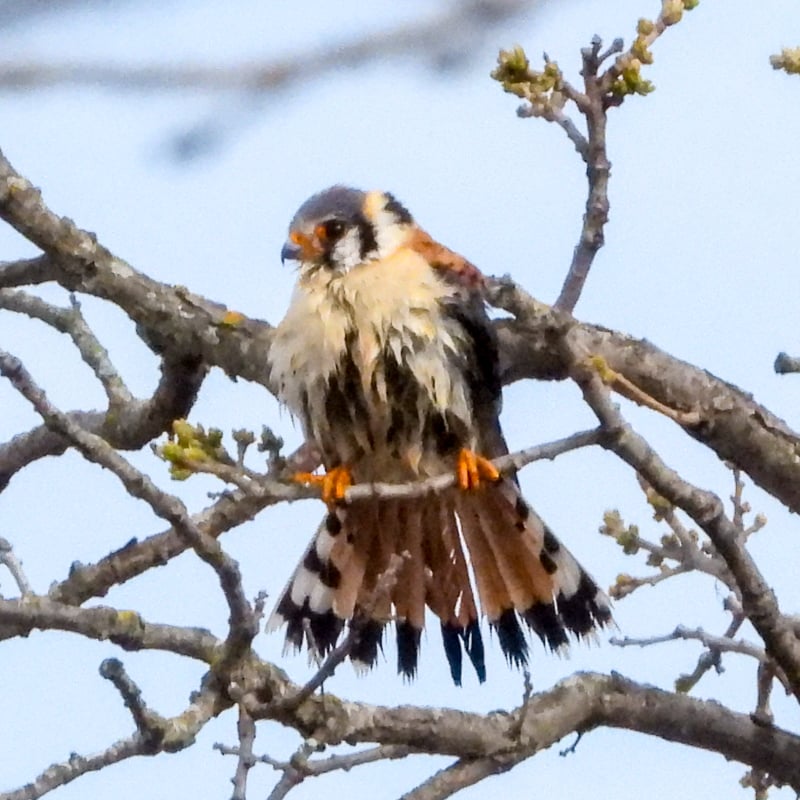
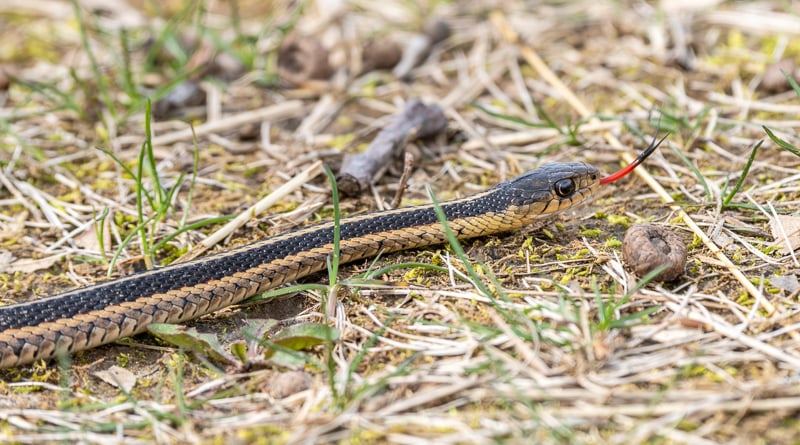
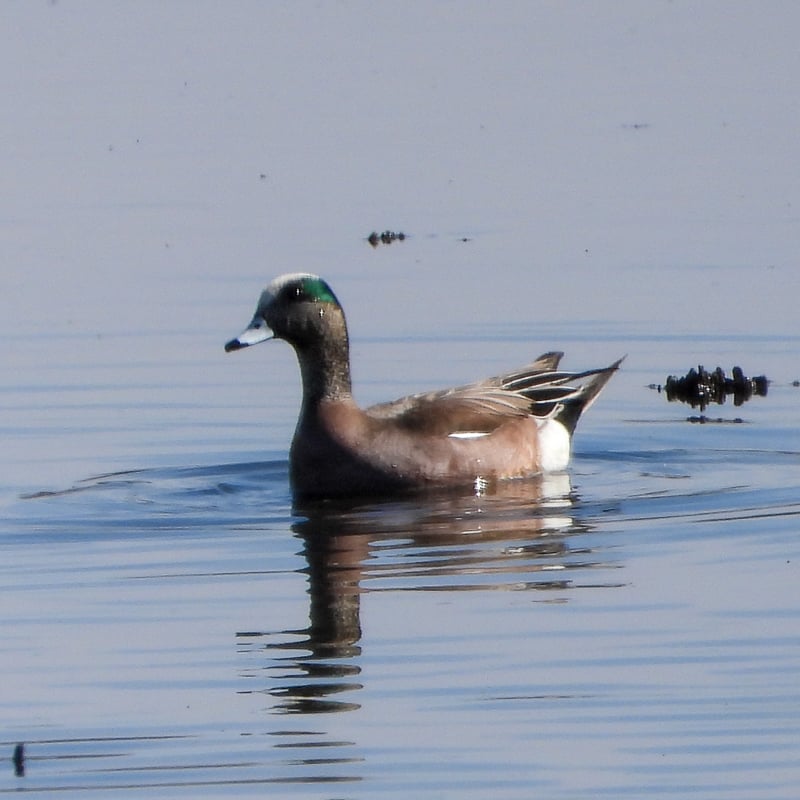
Thank you, readers and park visitors!
This is Volume 4, No. 5 of the Frontenac State Park Association newsletter, which was launched in April 2023.
Here’s where you can browse the full archives of this newsletter.

