
March: All around us, awakenings
Frontenac State Park Association newsletter
March 2026 (Vol. 4, No. 3)
Comments, contributions, compliments, complaints? Reach your newsletter editor at pamelamarianmiller@gmail.com.
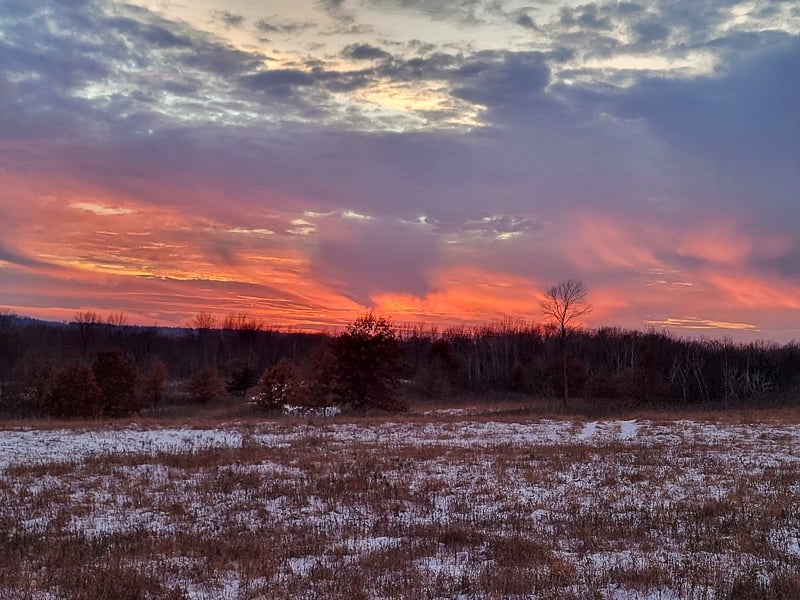
March: All around us, awakenings
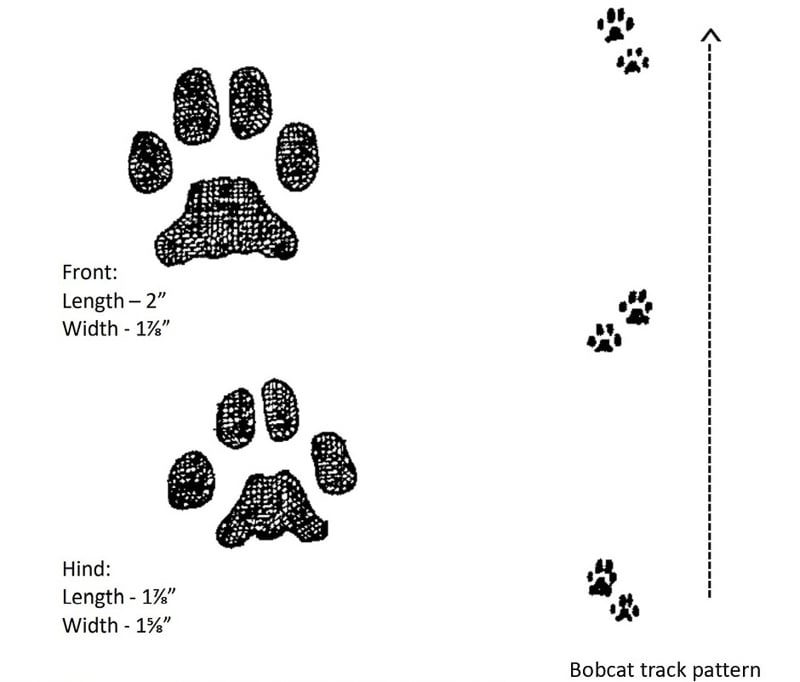
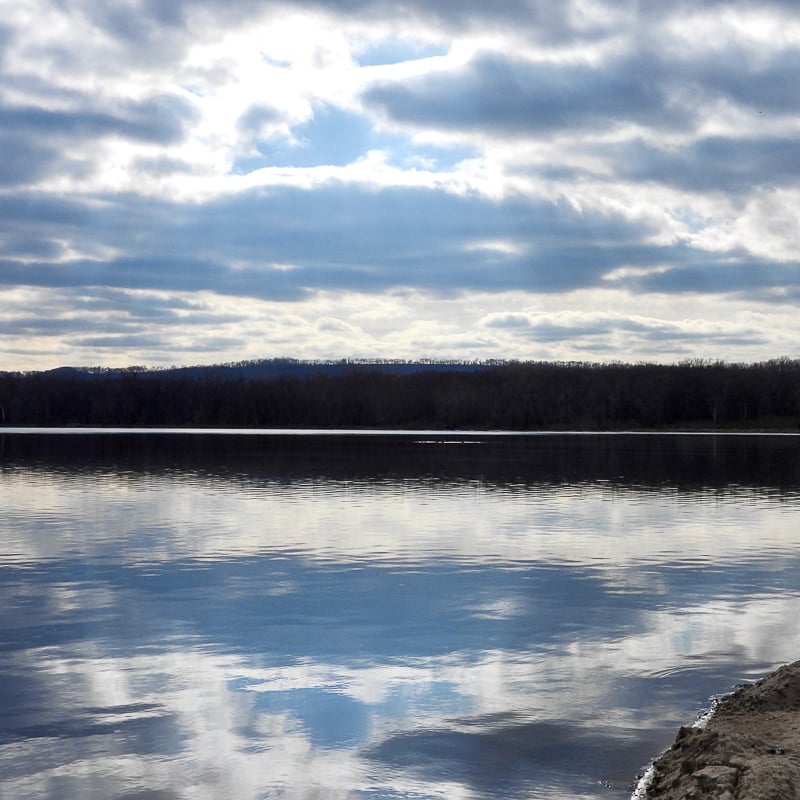
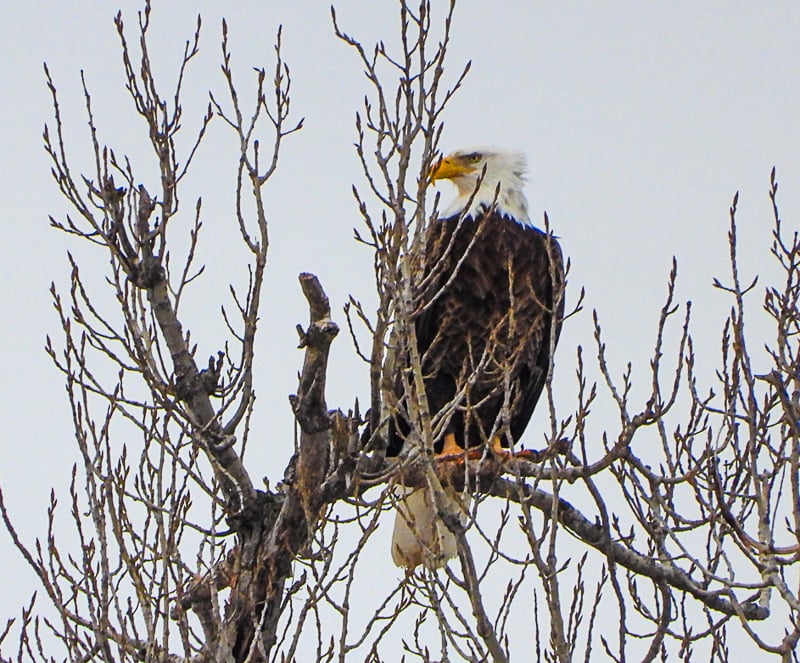
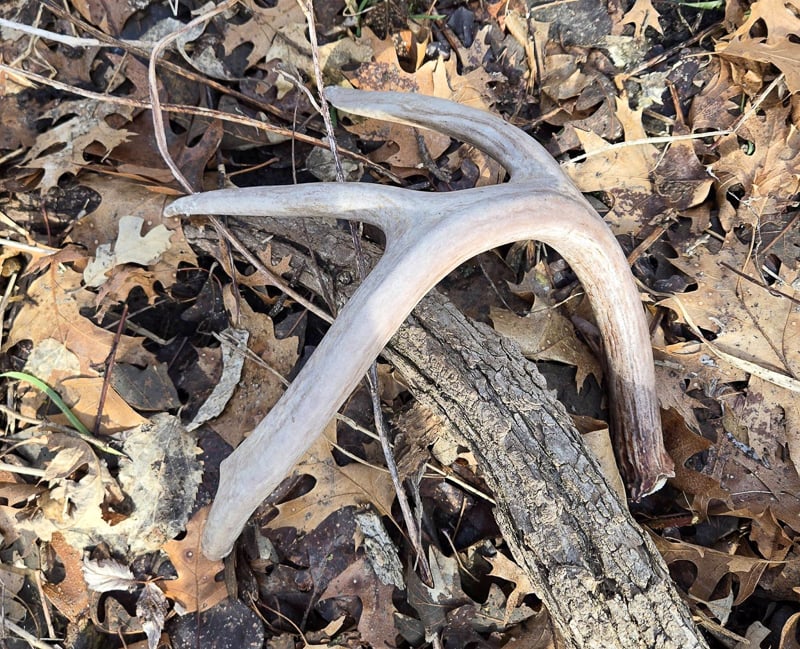
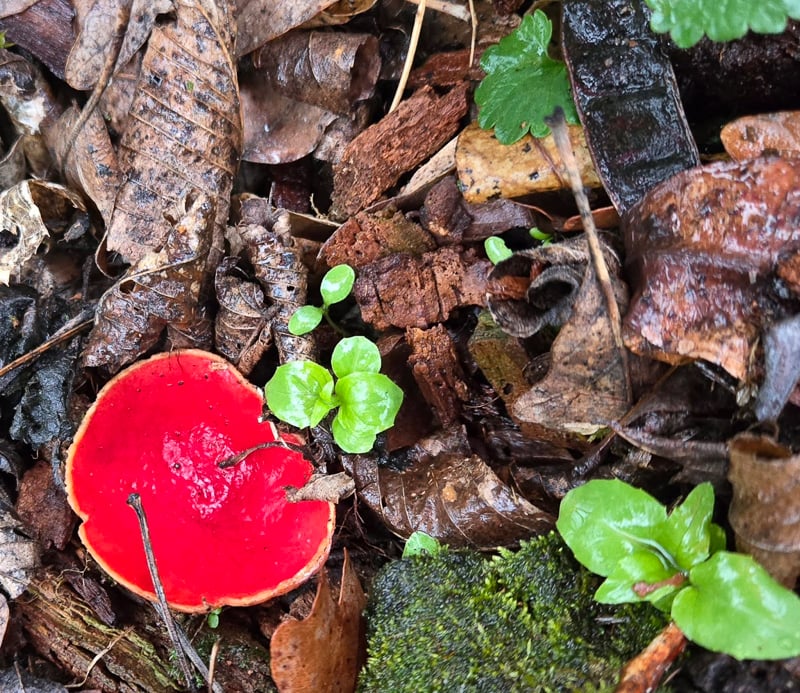
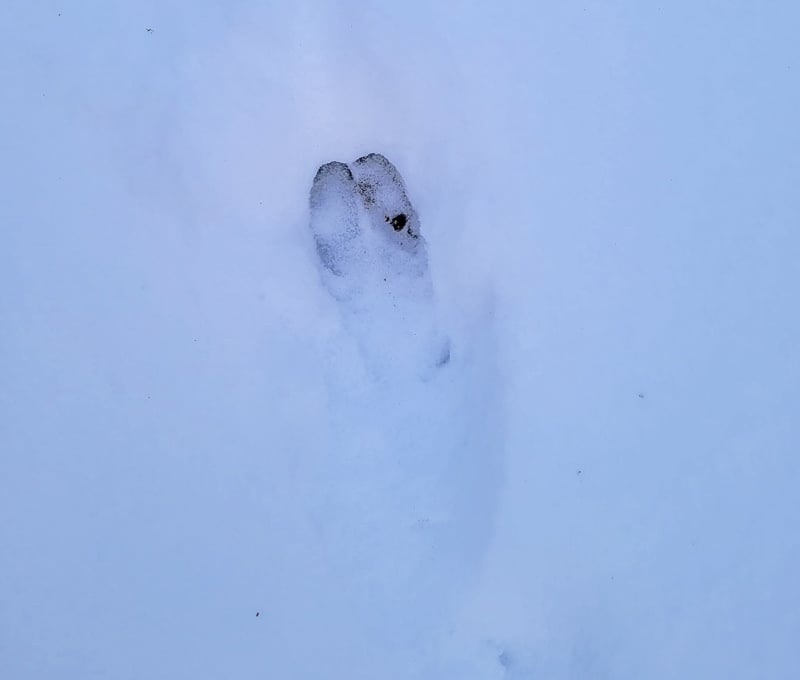
March is muddy and messy, but if you have the right footwear and a sturdy walking stick, it can also be marvelous. The light is flowing back, and a walk in the woods reveals so many treasures as the snow melts — here a bright, fresh shelf fungi, there something green getting started, nearby a shed antler, there a bobcat track; all around, birds you haven’t heard in many months doing their thing.
Spring, of course, officially arrives in March. And through the ages, many thinkers and cultures have suggested that the March equinox, not Jan. 1, should actually mark the beginning of the year. Some American Indian cultures saw it that way in a nod to the time when maple sap begins to flow. And the ancient Roman poet Ovid wrote this:
Come, tell me, why does the New Year start in the cold when it would surely be better in the spring? Then it is that all things flower and a new age begins. And from the bursting vine the new bud swells. Then the sun’s rays soothe and the visiting swallow comes and fixes his mud nest under the lofty beam. … This is the time we should rightly call the New Year.
However you view March, enjoy your muddy, messy, marvelous walks in Frontenac State Park!
Upcoming park events
Saturday, March 21, 9-11 a.m.: Sand Point Trail bird walk, guided by Janet Malotky and Steve Dietz. Meet in the little parking lot across County Rd. 2 from the trailhead.
And another reminder to keep your dance card open for Prairie Dreams on Saturday, June 13, when more than 130 stunning, artistic quilts will be displayed along a trail at the park.
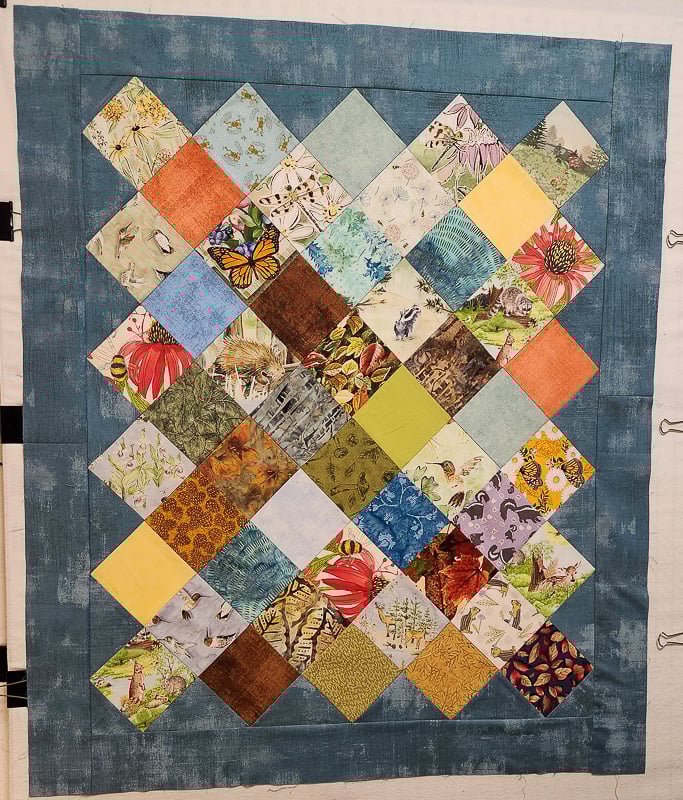
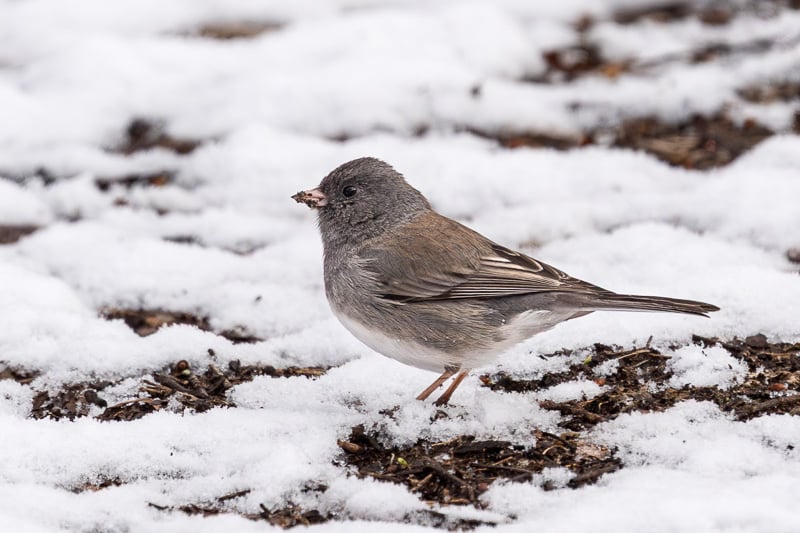
Bobcats!: Yes, they’re in our area
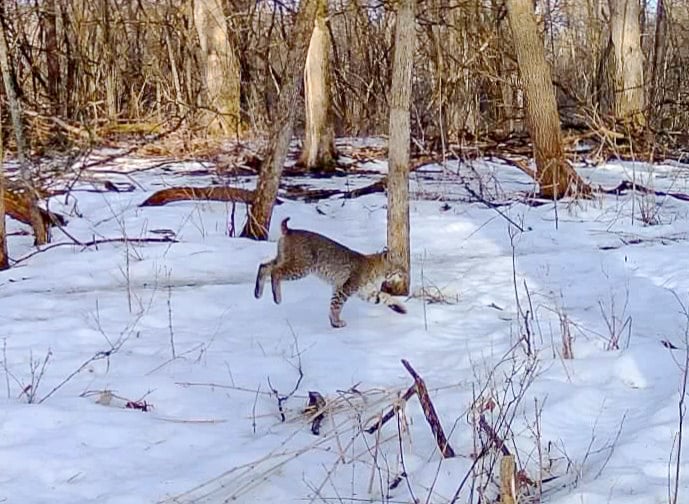
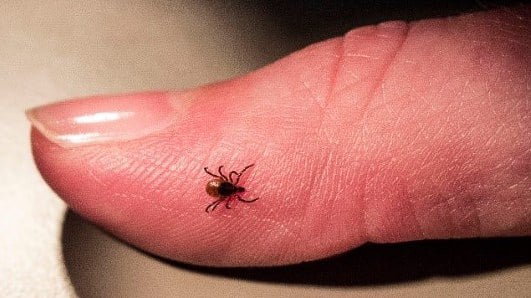
A creature far less welcome…
Scat: It’s gross — and also packed with information
By Pamela Miller, Minnesota Master Naturalist volunteer
“What’s the hot poop?”
Much to the chagrin of your newsletter editor’s late mother, your newsletter editor’s late father would cheerfully greet folks with that phrase. Such poor taste!
And yet, people always knew what Dad meant, and when you think about it, his question was scientifically apt. He was asking, What is the very latest, fresh, steaming-hot news you have to offer?
Another term for “hot poop” is scat, which is surprisingly more interesting and less gross than you’d think. Among naturalists both professional and amateur, wild-animal scat is a valuable indicator.
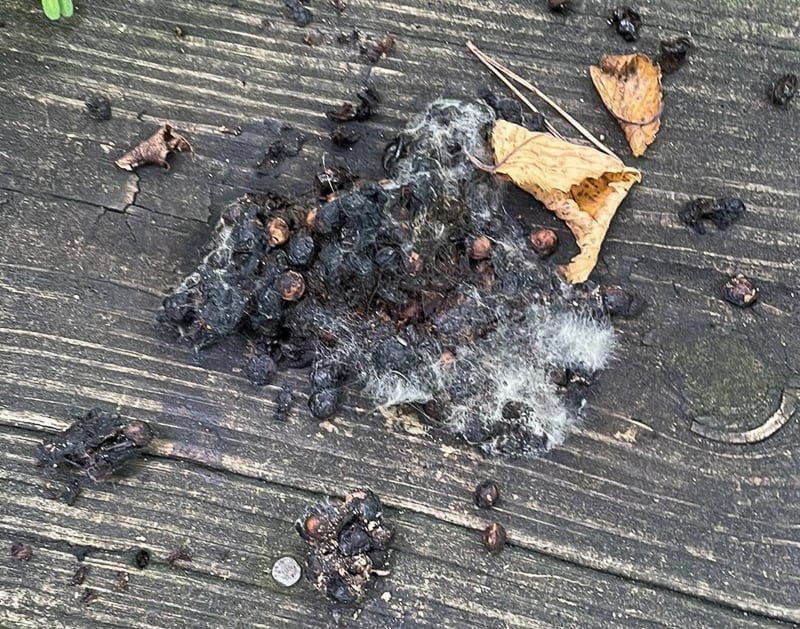
If you’re a woods walker, it’s likely that you pause when you see scat, analyzing its content. Granted, some is easier to eyeball than others. Neat little ropelike tubes of scat with lots of hair? Probably coyote, after a rabbit dinner. Icky piles pocked with rotten berries? Raccoon scat, which we urge you to avoid – raccoons play host to parasites and other nasties, and you don’t want to mess with their poop, not that anyone would want to.
But it’s not about us, the tender feelings of casual trail-wanderers, so much as scat offers priceless clues for biologists and naturalists.
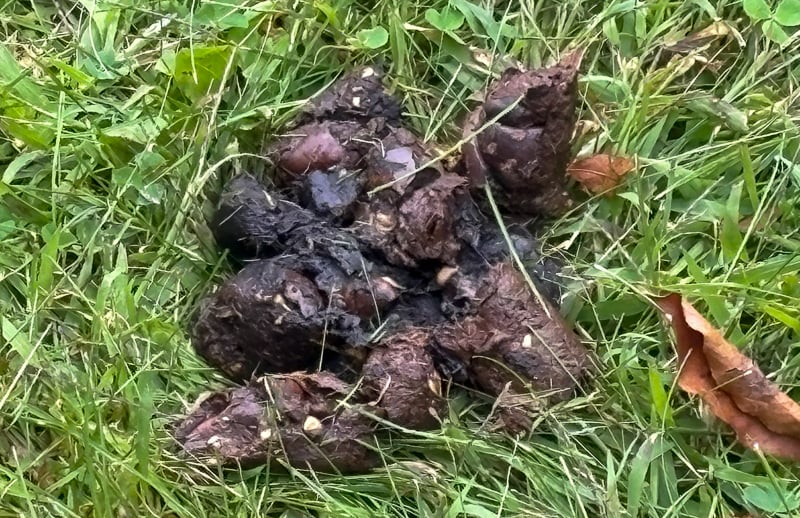
Let’s take whitetail deer scat, for instance. It’s those piles of neat pellets you see near your ravaged birdfeeder, right? But wait – it’s also those darker clumps you see nearby. Why the difference, in the same species?
Scientists tell us that the food source — plants vs. bark or other available food — as well as hormone levels determine what deer scat looks like. How do pieces of bark become those neat little pellets? Because deer chew them, swallow them, then regurgitate them and chew them again. This, Grasshopper, is called rumination. (Which is also the word for quiet contemplation over a period of time — we won’t go down that etymological rabbit hole.)
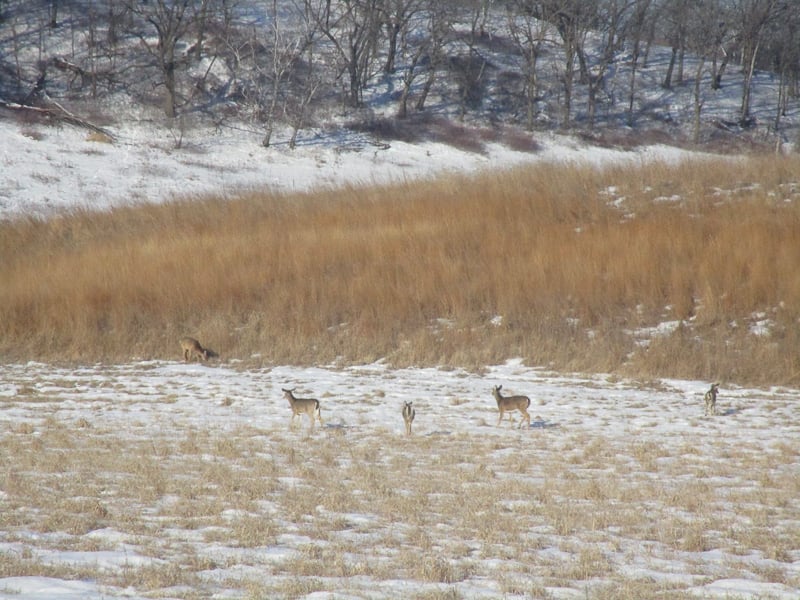
White-tailed deer set down pellet-shaped scat when they’ve dined mostly on bark, twigs and other dry food. Once they can access greener and milder plants, their scat becomes clumpier and softer.
Here’s another fun scat fact, courtesy of the DNR: Eastern cottontail rabbits often eat their own scat. Ewww! But there must be a good reason, right?
Here’s what the DNR says: “It’s a trick they use to survive on twigs, bark and buds when their nutritious summer foods, like grass and clover, are covered in snow. If you’ve ever chewed a twig, you know how tough and indigestible plant parts can be. By eating these foods twice, cottontails get at that locked-away nutrition. After chewing and digesting, the rabbit expels a soft, brown pellet called a cecotrope, which it immediately re-ingests for a second pass through its digestive system. All that digesting results in hard poop pellets about the size and shape of a garden pea. They are brown and often very dry because they are devoid of nearly everything except the toughest, most indigestible fibers.”
Good to know, eh? Ehhh? Bueller? Anyone?
If you’d like to learn more, and we know you all do, the DNR has a surprisingly delightful guide to scat for young people with fun facts such as, moose (which we don’t have in our area) poop up to 21 times a day (because they consume up to 40 pounds of vegetation a day), and bobcats (which we do have in our area, as noted above) bury their scat, just like your domestic cat does in its litter box.
For biologists, scat is priceless forensic evidence. From it, they can tell what animals are in a region, how numerous they are, what they eat, what eats them, what health issues they might have, and travel and migration patterns.
Very cool! But for us, simple civilian trailwalkers, scat sightings are valuable in the same way animal tracks are. So give a look next time you see some on a Frontenac State Park trail. You never know what you might learn!
This month’s iNaturalist moment
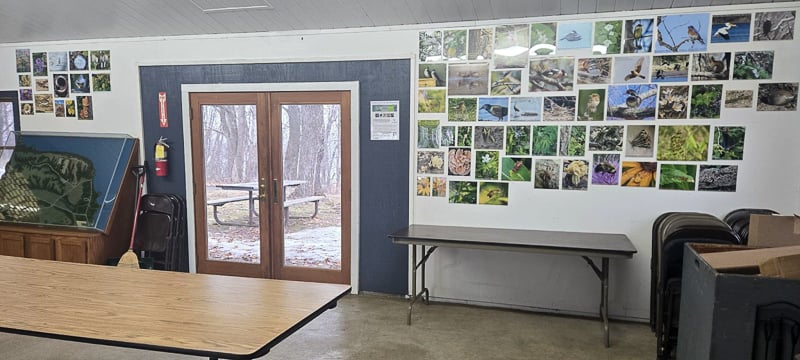
Once again, the Frontenac State Park Association is presenting images by park visitors of flora and fauna that were posted to iNaturalist in 2025 in the park’s main picnic shelter. We encourage you to share your own observations on iNaturalist in 2026. Click here for a “slideshow” of some of the most fascinating images from 2025.
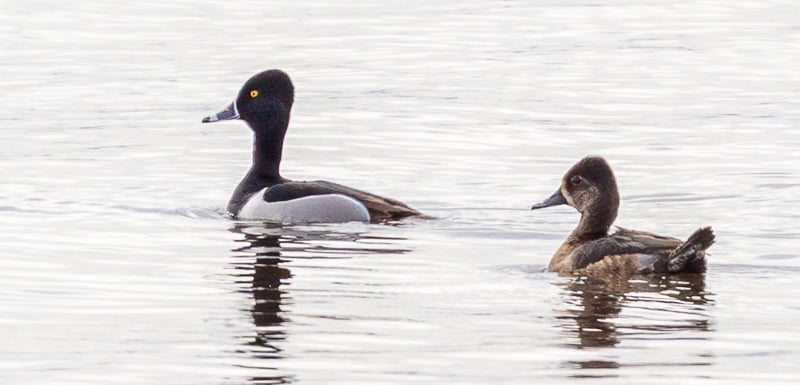
Birdnote: Weatherbird?
By Janet Malotky, Minnesota Master Naturalist volunteer
This winter’s big storms have me wondering about birds and weather. We have meteorologists with elaborate international weather sensing and tracking systems. We have weather adages like “Red sky at night, sailor’s delight. Red sky in morning, sailors take warning.” And we have the Farmers’ Almanac (or at least we do this year — it’s ceasing publication after that).
Can birds tell what’s brewing in the sky? Or are they simply at the mercy of any weather that comes along, limited to reacting and riding out the storm any way they can?
Little research has been done in this area, but what has been done, plus anecdotal evidence, suggest that it’s possible birds can predict the weather — perhaps even better than we can.
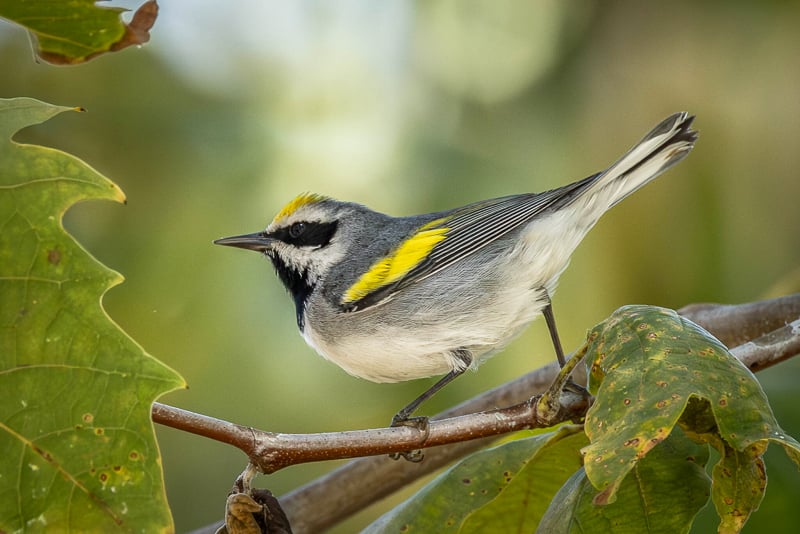
The first research-based result suggesting that birds can tell what’s coming was stumbled upon by accident in 2014. Researchers in Tennessee were studying the migratory patterns of Golden-winged Warblers, birds who spend the winter in Central and South America, then return to the same location in Appalachia and the Great Lakes region each year to breed. (Golden-winged Warblers can be seen in our park during migration season.)
The researchers attached geolocators to 20 of the tiny birds when they arrived in Tennessee for the breeding season. When they examined the geolocator data of the returning birds the following spring, they found something odd. Although Golden-winged Warblers usually stay for the season once they arrive to establish their territories, nest and raise their young, these birds left town shortly after they arrived.
And not only did they leave town, they flew back south — 932 miles or more. Then they turned around and flew right back again.
This was head-scratching behavior.
After ruling out other possible explanations, the researchers found that an approaching enormous supercell storm (which ultimately produced dozens of tornadoes and human casualties), still hundreds of miles away, probably precipitated the birds’ behavior. They think the birds could hear it coming.
Birds can hear sounds at wavelength frequencies too low for us to hear, called infrasound. These sounds are produced by storms, tornadoes, ocean waves, volcanoes, and other massive natural phenomena, and can travel for hundreds of miles. Before meteorologists had even begun to report the storm’s approach, the birds heard it and winged their way south to avoid it. Once the storm had passed, they flew right back to their breeding grounds.
Pretty cool.
Research has shown that birds can sense other weather-related phenomena as well, such as changes in barometric pressure. An organ in their middle ear, the Vitali Organ, is specialized to sense this pressure.
We need more research to clarify what’s up with birds and weather, but it’s likely that anecdotal reports about birds swarming feeders and the woods going silent before a coming storm have some basis in birds’ physical abilities to sense the approach of challenging weather.
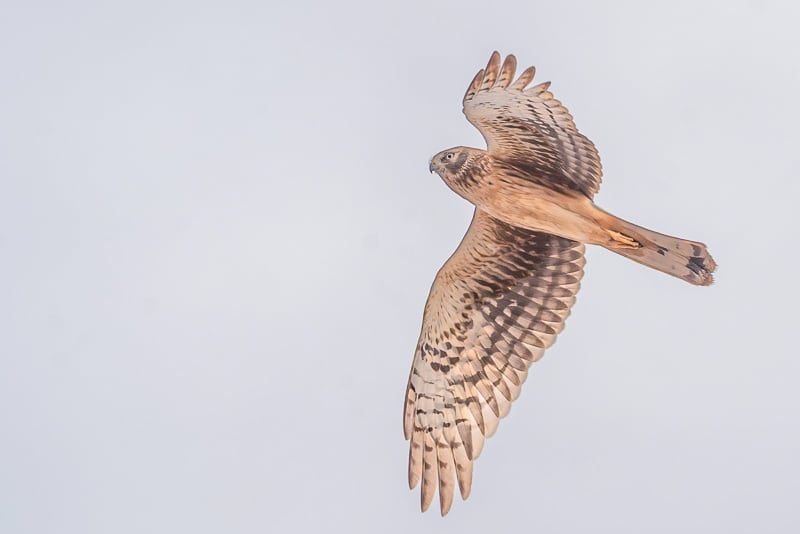
Some old weather adages even acknowledge this, such as “Hawks flying high, means a clear sky. When they fly low, prepare for a blow.”
Maybe we should pay closer attention.
Notes from the field: The wisdom of owls, or what I learned from a dissection
By Steve Dietz, Minnesota Master Naturalist volunteer
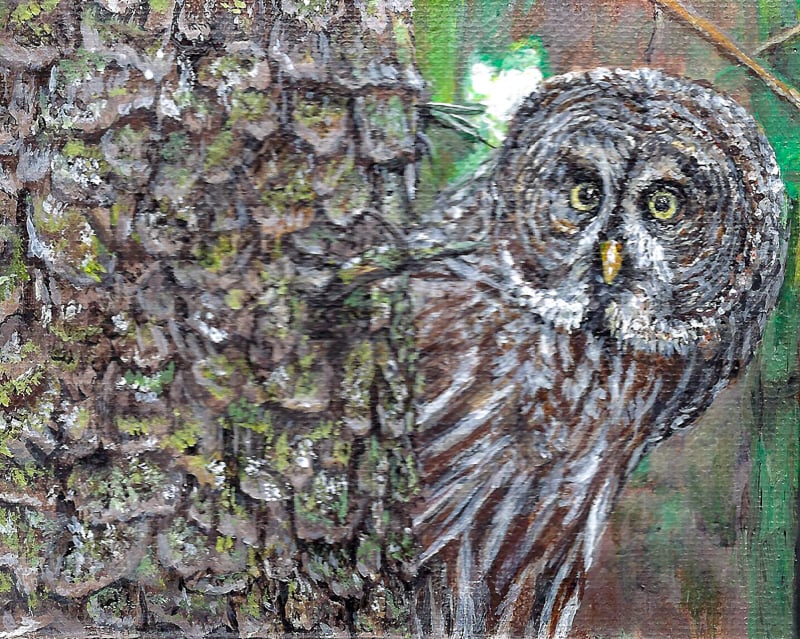
In the birding world, there is a tradition that the first bird you see in the new year is your “theme bird” for the year.
This year, I spent Jan. 1 at the International Owl Center in Houston, Minn., after driving through a nearly white-out snowstorm during which I could barely see the road, let alone any birds. With five others, I attended an owl dissection workshop under the direction of Karla Bloom, founder of the acclaimed center.
My specimen, the first bird I saw this year, was a Great Gray Owl (Strix nebulosa), perhaps one of the most magnificent birds in North America.
By the end of the day, I felt like I had been not only Karla’s pupil, but also the owl’s. She taught me so much — including, about halfway through the dissection, that she was indeed female, evidenced by her ovary — and yes, most female birds have only one functioning ovary.
Initially, what I learned about the owl, which I hereafter will refer to as GGOW (the four-letter American Birding Association abbreviation for the species), was written on a scrap of paper: “From TRC, Northome, Koochiching Co MN. 10 November 2024, left femur luxation, significant eye trauma.”
Apparently GGOW had been injured in Koochiching County and brought to The Raptor Center at the University of Minnesota. Sadly, many injured raptors cannot be rehabilitated from their injuries and have to be euthanized — presumably GGOW’s fate, after which her body was donated to the Owl Center for research and kept in deep freeze until a few days before the workshop.
I had seen Great Gray Owls before on annual winter pilgrimages to Sax- Zim Bog, but holding GGOW in my hands rendered her power and ferocity palpable and remarkable. Feeling the rough pads under her diamond-hard talons transmitted a sense of her ability to break through snow crust thick enough to support the weight of an 180-pound human to grab an unsuspecting vole — which I later discovered was the last meal in her stomach. (According to Karla, you can tell the tiny bones are those of a vole if there is crosshatching on their surfaces. Who knew?)
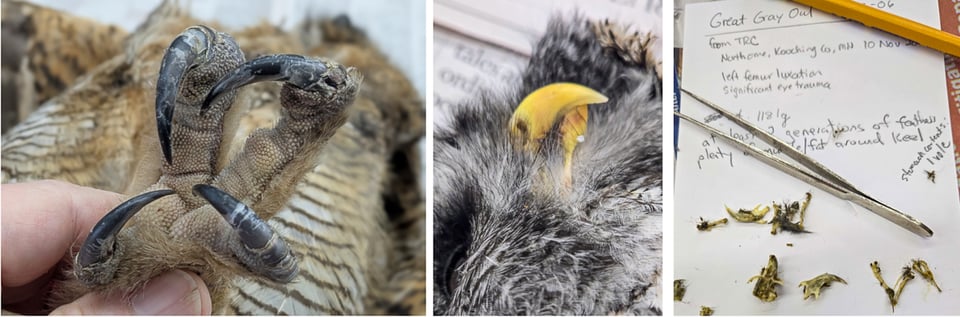
The dissection revealed information and hypotheses about the genus, species and individual. Examining GGOW’s feathers, for example, I noted the serrated outer feather of most owls, which help them fly silently. Only some species have stiff feathers around their ears, which form the distinctive facial disc and seem to funnel sounds into the ear. GGOW had one highly unusual white primary feather.
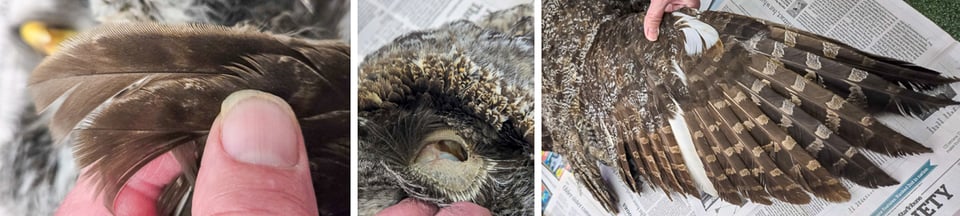
I had assumed that all owls have asymmetrical placement of their ears to enhance their stereoscopic hearing ability. This is true for Great Gray Owls, which can track voles by sound alone up to 48 inches under a snow pack. But many owls, such as the Great Horned Owl, have symmetrical ears, like humans, and rely more strongly on their eyesight for hunting. A Great Gray’s facial disc is visually distinctive and even mesmerizing, but after removing GGOW’s pliable ear feathers, leaving the surrounding stiff feathers, and placing my index fingers in her ear canals to see how they were offset, I felt a visceral understanding of how she hunted and survived.
GGOW probably was mortally wounded when she was hit by a car, and the resulting fractured bone and eye injury were stark reminders of the dangers of human-wildlife interactions. Throwing food out the window of your car, for example, can attract rodents that owls and other birds of prey feed on, and too often when they swoop down to feed, a passing vehicle can strike and injure them, so they eventually die of starvation or predation.
Owls have different stories to teach in different cultures. Growing up as I did, with a lot of Greek and Roman mythology, I associated owls mostly with human wisdom. My encounter with GGOW imprinted on me the many details that have evolved over millennia to constitute a highly evolved being constituting its own kind of wisdom and way of being in the world.
I am grateful to her for the knowledge she has imparted, and inspired to learn more from the wisdom of owls.
Poem of the month
“MARCH”
By William Cullen Bryant (American; 1794-1878)
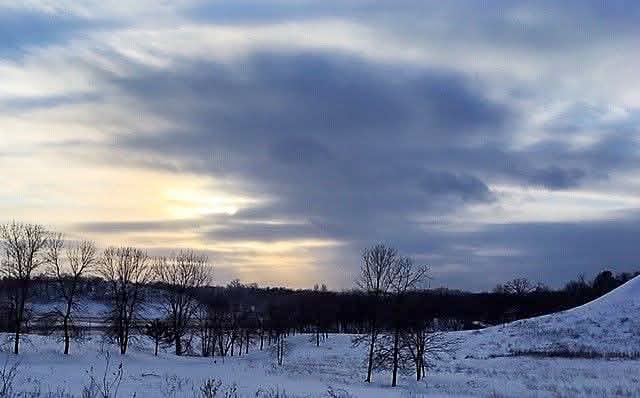
The stormy March is come at last,
With wind, and cloud, and changing skies,
I hear the rushing of the blast,
That through the snowy valley flies.
Ah, passing few are they who speak,
Wild stormy month! in praise of thee;
Yet, though thy winds are loud and bleak,
Thou art a welcome month to me.
For thou, to northern lands, again
The glad and glorious sun dost bring,
And thou hast joined the gentle train
And wear’st the gentle name of Spring.
And, in thy reign of blast and storm,
Smiles many a long, bright, sunny day,
When the changed winds are soft and warm,
And heaven puts on the blue of May.
Then sing aloud the gushing rills
And the full springs, from frost set free,
That, brightly leaping down the hills,
Are just set out to meet the sea.
The year’s departing beauty hides
Of wintry storms the sullen threat;
But in thy sternest frown abides
A look of kindly promise yet.
Thou bring’st the hope of those calm skies,
And that soft time of sunny showers,
When the wide bloom, on earth that lies,
Seems of a brighter world than ours.
Interested in joining the FSPA?
If you are a member, thank you! You help us pursue our mission of supporting this treasured park in myriad ways.
If you’d like to join us, we’d be honored to have your support, especially as we build our 2026 membership list – remember to renew if you’re already a member! Dues are $25 per year for an individual, $35 for household membership. Here’s a link with signup information.
A reminder that joining us occasionally to help with volunteer efforts is awesome too, even if you’re not a member. The FSPA’s goals are to support Frontenac State Park activities and share our love of this beautiful park with as many people as possible.
To sign up to regularly receive this free, spam-free monthly newsletter, click on “Subscribe” below. Feel free to send questions or comments to your newsletter editor at pamelamarianmiller@gmail.com. Questions about the FSPA? You can reach FSPA president Steve Dietz at stevedietz@duck.com.
Handy links for more information and education
Frontenac State Park
Frontenac State Park Association
If you take pictures in the park, tag us on Instagram
Frontenac State Park bird checklist
Frontenac State Park on iNaturalist
Parks & Trails Council of Minnesota
Website for our township, Florence Township
Minnesota Master Naturalist programs
Red Wing Environmental Learning Center
Lake City Environmental Learning Program on FB
Visit Lake City
Zumbro Valley Audubon Society
Bruce Ause’s Wacouta Nature Notes blog
Marge Loch-Wouters’ Hiking the Driftless Trails blog
Frontenac State Park staff
Jake Gaster, park manager; Amy Jay, assistant park manager; Amy Poss, lead field worker
Parting shots
Thank you, readers and park visitors!
This is Volume 4, No. 3 of the Frontenac State Park Association newsletter, which was launched in April 2023.
Here’s where to browse the full archives of this newsletter.

