April: In which, we begin our fourth year of Frontenac State Park newsletters
Frontenac State Park Association newsletter
April 2026 (Vol. 4, No. 4)
Comments, contributions, compliments, complaints? Reach your newsletter editor at pamelamarianmiller@gmail.com.
April: In which, we begin our fourth year of Frontenac State Park newsletters
As of this issue, the Frontenac State Park Association newsletter has been arriving in your email boxes on the first day of each month for three years. We feel sure you read every word! This newsletter is a labor of love for we volunteers who put it together. We hope you learn from it and get a kick out of it, and that its monthly archiving on our website leads to continued use for things like, oh, say, research for your little one’s school paper on some fascinating topic of nature. (We also hear tell that our newsletters make excellent bedtime reading for little kids, though we’re not sure if that’s because they like learning about nature or we’re just good at boring the little tykes to sleep.)
Over these three years, we’ve written about birds, bugs, animals of all ilk, plants, mushrooms, offal, scat and all manner of other interesting and sometimes whacko stuff, and provided notice of activities in the park. Our nature articles remain evergreen — like the church year, the natural year repeats itself (albeit with small variations caused by climate and human factors). We find comfort in that cycle of life.
Meanwhile, we’d love to hear from you — what would you like to read about in coming issues? And we always welcome tidbits of news and sightings our readers have had in our beloved park, or images from trailcams close to the park. Or questions. We love getting questions we don’t know the answers to, then ferreting out said answers. Thank you for reading, and for supporting Frontenac State Park!
And hey — wasn’t that March snowstorm primo? We loved it, and hope you did too! But now we’re primed for spring.
Also — a warm welcome to our newest correspondent and photographer, Brian Henkel, who brings his knowledge and love of all things nature to our park and our FSPA newsletter.
Upcoming events
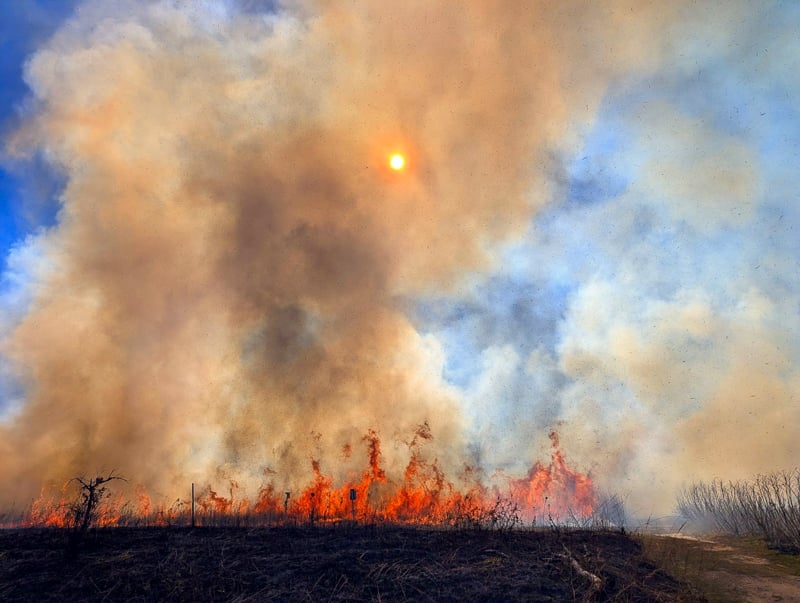
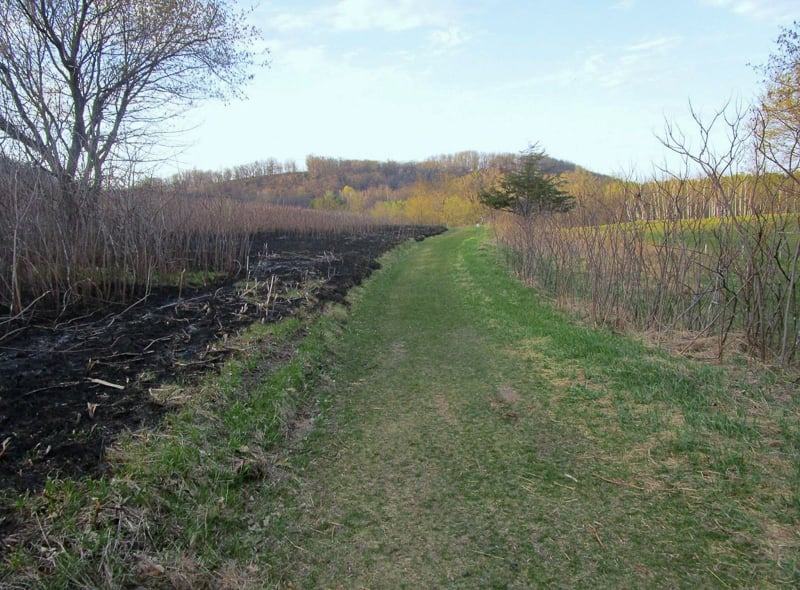
Saturday, April 11, 10 a.m.-noon: Walk and talk on post-fire ecology with park manager Jake Gaster. Meet at park headquarters.
Saturday, April 18, 9-11 p.m.: Sand Point trail birdwalk led by Minnesota Master Naturalist volunteer Steve Dietz. Meet at the little parking lot at Hwy. 61 and County Rd. 2, near the Sand Point trailhead. We’ll be looking for migrating waterfowl and possibly some shorebirds.
Sunday, April 19, 1-3 p.m.: FSPA members’ yearly potluck party, featuring members Earl Bye and Cara Clark, who will offer a 1:30 (or so) presentation of their beautiful photographs of birds and other Frontenac State Park wildlife. To be held at Florence Township’s historic Town Hall in Frontenac Station.
Wednesday, April 22: Worldwide, this is official Earth Day. Honor it as you wish …
Saturday, April 25, 9 a.m. to noon: … and here’s a great way to honor Earth Day! FSPA’s annual Sand Point Trail cleanup: Park at the little parking lot at Hwy. 61 and County Rd. 2, near the Sand Point trailhead, where you’ll find FSPA volunteers who will give you trash bags (and delectable treats!) and direct you into the floodplain area to the east, which we clean up every spring after floodwaters ebb. It’s fun and interesting! Join us there!
Saturday, May 2, 9 a.m.: Birdwalk led by Minnesota Master Naturalist volunteers Janet Malotky and Steve Dietz. Meet at main picnic shelter. We’ll be looking for warblers, warblers and warblers!
Saturday, May 9, 11 a.m.-12:30 p.m.: Fungi walk led by Minnesota Master Naturalist volunteer Pam Miller. We’ll talk about spring mushrooms and their relationship to trees, and maybe find a few — or not (fungi are fickle like that). Meet at the campground shower building kiosk. Wear long pants, closed shoes and tick protection.
Saturday, May 16, 1-2:30 p.m.: Lorry Wendland reads from and signs/sells copies of her new book, “The History of Frontenac State Park: The Land Before and After.” Florence Township Hall, Frontenac Station.
Thursday, May 21, 2 p.m.: Quarterly FSPA meeting, main picnic shelter.
Saturday, May 23, 9-11 a.m.: Bird walk with Minnesota Master Naturalist volunteers Janet Malotky and Steve Dietz. There should still be some migrating birds and most of the breeding birds to look for. Meet at the picnic shelter.
Sunday, May 24, 11 a.m. - 1 p.m.: Presentation by Jackie Fallon, Midwest Peregrine Society. The peregrine falcon has long fascinated people across the globe, known for its dramatic migration and amazing flight. Jackie Fallon will present this program with several live birds to help us understand the past, present and future of peregrine falcons in Frontenac State Park, Minnesota, and the Upper Midwest. Outside the entrance ranger station.
…and don’t forget about our biggest event of 2026:
June 13, 10 a.m.-5 p.m.: Prairie Dreams, when more than 140 stunning, prairie-themed quilts will be displayed along a Frontenac State Park trail. Come talk to the artists and FSPA folks, and enjoy some treats and a drawing for a free park pass.
Spring ephemerals: The first flowers in the forest
By Brian Henkel, FSPA member
As winter fades, hibernating animals emerge groggily from their long sleep. Spring ephemerals, on the other hand, are already hard at work.
These woodland wildflowers have a brief but remarkable life above ground. Beginning in March, as days lengthen and sunlight reaches the forest floor before the trees leaf out, ephemerals quickly grow, bloom, and produce seeds. Rich woodland soil and spring rains fuel this rapid burst of life. Ephemerals’ early flowers provide an important food source for emerging pollinators.
By midsummer, most ephemerals have vanished. Their leaves wither and disappear into the forest floor, leaving behind underground structures such as roots, rhizomes, or bulbs that store energy for the following year. Many species of ephemerals grow throughout Minnesota, and several can be found along the woodland trails of Frontenac State Park.
Bloodroot (Sanguinaria canadensis) is among the earliest to bloom, sometimes appearing as early as March. A single deeply lobed leaf emerges wrapped around a reddish stem that supports a white flower with a bright yellow center. The petals are short-lived, often falling within a day or two of opening.
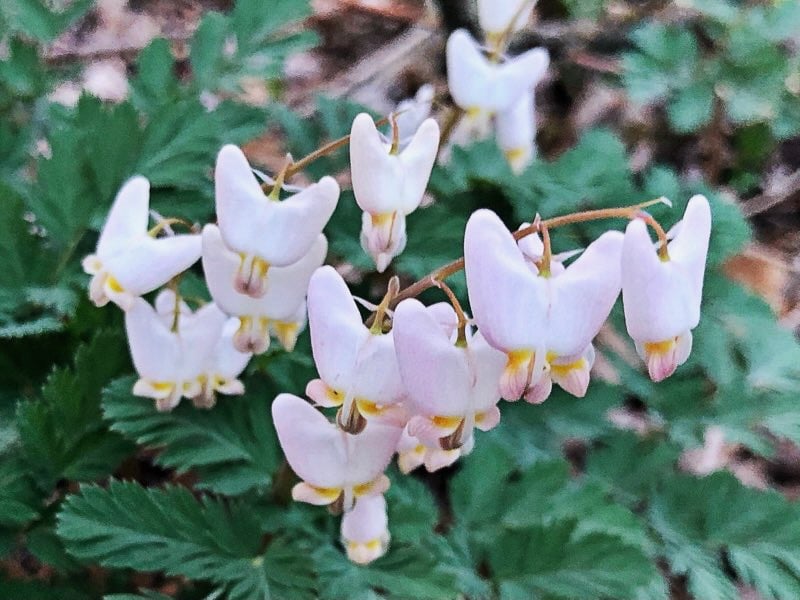
Dutchman’s Breeches (Dicentra cucullaria) follow soon after. Their delicate, fern-like leaves support arching stems lined with small white flowers. The petals fold into a shape resembling tiny upside-down trousers, giving the plant its memorable name.
Jack-in-the-Pulpit (Arisaema triphyllum) emerges with three-part leaves and produces a distinctive maroon-and-green hooded flower that curves forward like a cap. After pollination, the plant forms clusters of bright red berries that persist into fall, providing food for birds and other wildlife.
Trillium (Trillium grandiflorum) appears later in the ephemeral season, typically from late April into May. True to its name, every part of the plant occurs in threes: three leaves, three sepals, and three petals. Its striking white flowers gradually turn pink as they age.
For a few short weeks each spring, these plants transform the forest floor with color before disappearing beneath the shade of summer. Observant visitors walking Frontenac State Park’s paths may discover that the quiet beauty of spring often blooms closest to the ground.
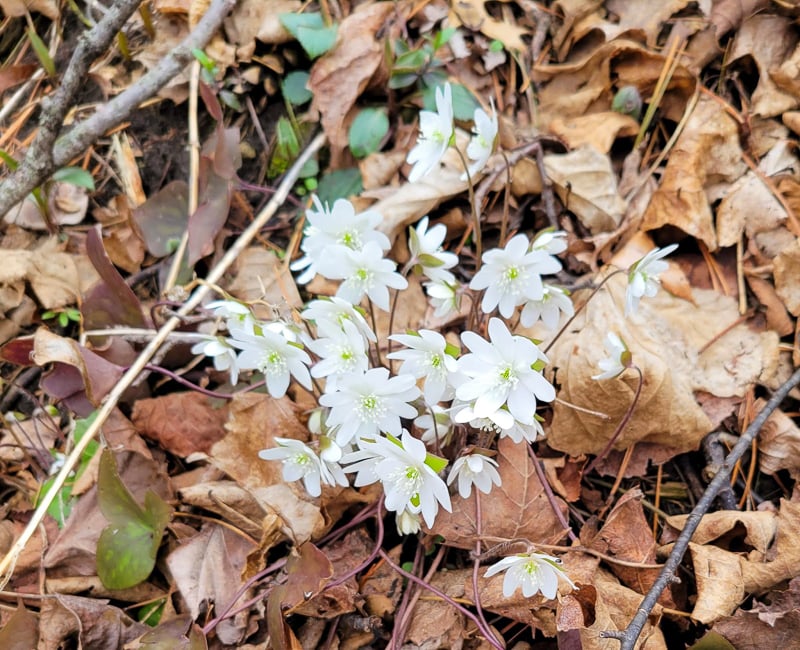
This month’s iNaturalist moment
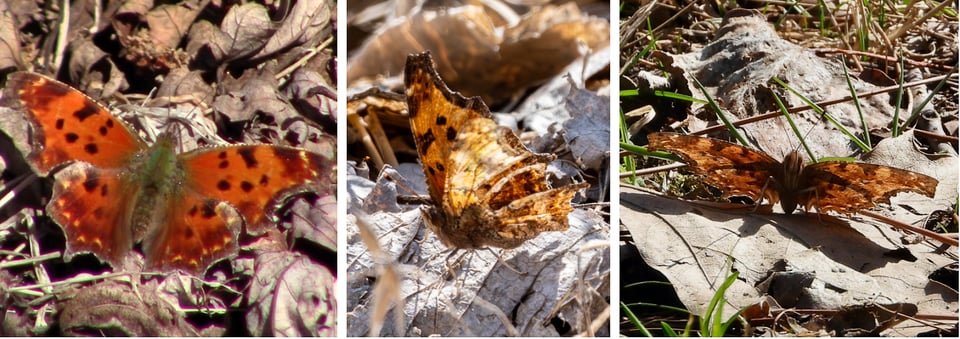
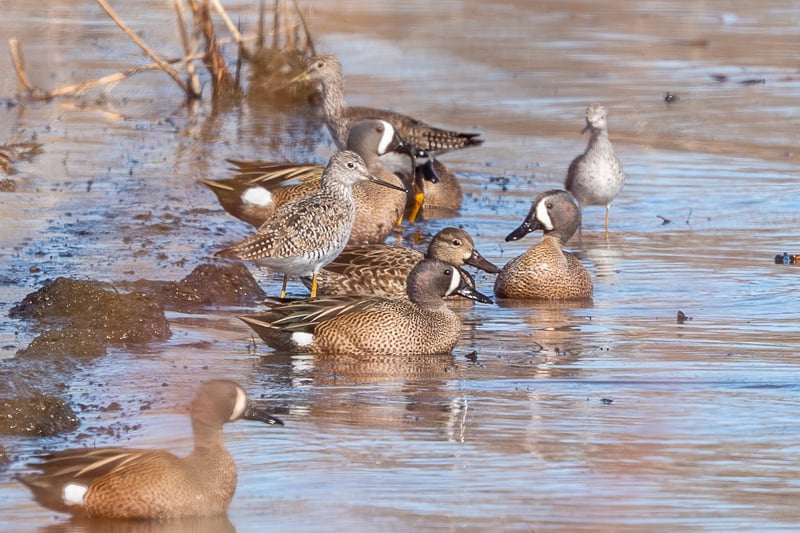
Birdnote: A spring joy — flashy, fantastic hummingbirds
By Janet Malotky, Minnesota Master Naturalist volunteer
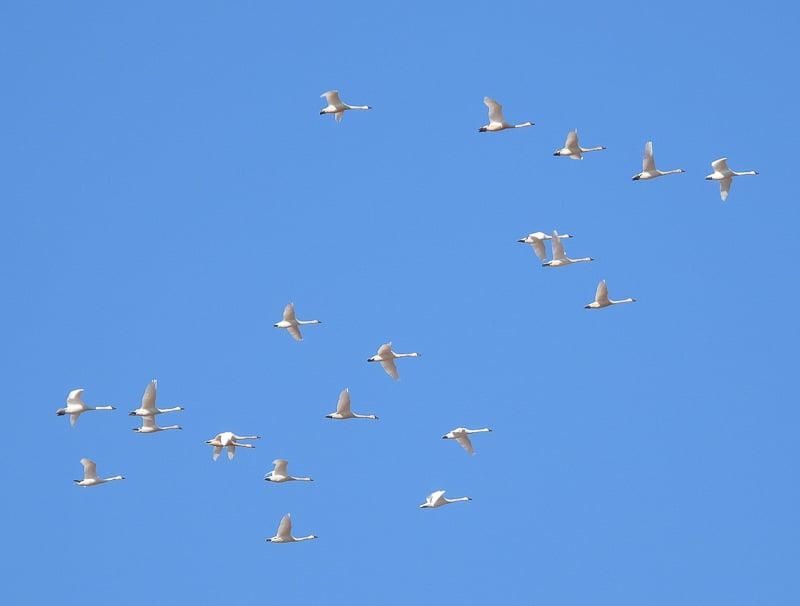
Spring is in the air, literally. As of this writing in mid-March, strand after strand of Canada Geese are streaming up the river. Mixed in are Trumpeter and Tundra Swans, Greater White-fronted geese, Sandhill Cranes and ducks, all winging their way north to their breeding grounds, some here, some farther into Canada and beyond.
I want to talk about a bird species that’s different in almost every way from geese and ducks, one whose total size, including its long bill, is about the same length as my pointer finger. They’re already on their way north, and some are headed for our park. From Central America, they crossed the Gulf of Mexico alone in March, flying nonstop for 500 miles in 18 to 20 hours — astounding, given that they weigh only about as much as a penny. Can you imagine what a storm over the Gulf of Mexico would do to a bird of that size?
I’m talking about hummingbirds, of course. There are approximately 360 to 375 recognized species of hummingbirds (all found only in the Americas), but only one spends time in Minnesota — the Ruby-throated Hummingbird.
There is so much cool about hummingbirds that sets them apart from other birds that it’s hard to figure out what to include in this little essay. For example, their wings beat about 53 times every second, and they can fly backwards! They don’t eat seeds, but rather slurp nectar with their super-long split tongues. They also eat insects. The inner cup of their nest is as small as a thimble, but they fit up to three eggs in there. Their adorable nest is made of dandelion or thistle-down and spider webs, and is camouflaged on the outside with bits of lichen. Though the nest clings tightly to its tree branch, its sides can stretch to accommodate growing chicks.
Beside their itty-bitty size and unique behavior, hummingbirds are especially notable for their flashes of intense iridescent color, which shift dramatically depending upon the light. The iridescence is caused by tiny, flat structures in their feathers called melanosomes that reflect and refract light. The Ruby-throated Hummingbird is aptly named for the flashy red throat of the male. The female has a white throat. It’s a nice enough name, but the amazing colors of other species have inspired the poets with names such as Sparkling Violetear, Tourmaline Sunangel, Violet-fronted Brilliant, and Sapphire-spangled Emerald, all hummingbirds of the southern hemisphere.
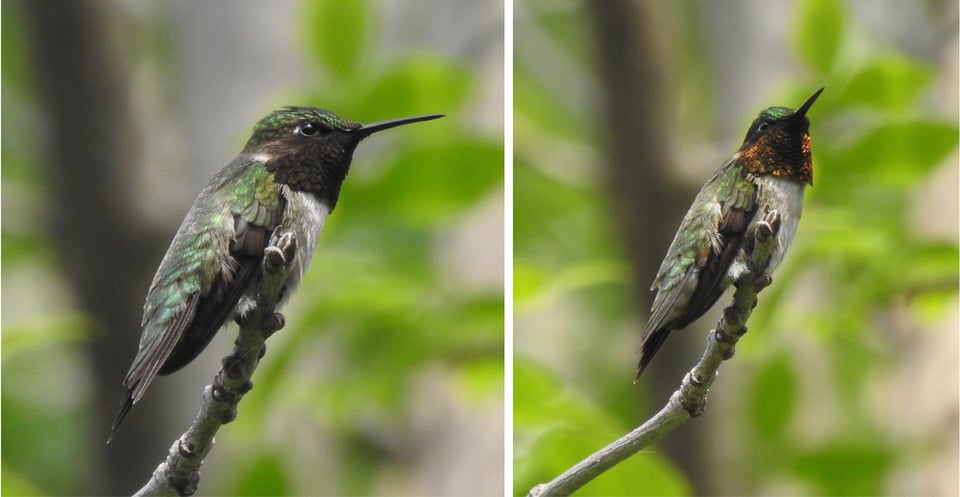
One of the coolest moments I’ve experienced in nature was on Frontenac State Park’s Sand Point Trail and involved a hummingbird. I was standing still on the trail, listening to the spring cacophony of birdsong when a hummingbird flew in at knee level. I was privileged to watch this bird, just a few feet away from me, dip in and out of the spiderwebs at the base of a fallen log, collecting the webs in its bill for use in binding its nest. Sometimes it literally is the little things …
Hummingbirds arrive in our area around May 1. If you enjoy feeding them, consider putting your feeders out (one part white sugar dissolved in four parts water) in late April, a few days before they are due to arrive. Those early hummers will be hungry!
Notes from the reading desk: Quadrillions of insects
By Steve Dietz, Master Naturalist volunteer
[T]errestrial birds for which insects are an essential source of food have declined by 2.9 billion individuals over the last 50 years, while terrestrial birds that do not depend on insects during their life history have gained by 26.2 million individuals, a 111-fold difference. (Tallamy and Shriver, 2021)
I was gobsmacked when I read that in a paper co-authored by Douglas Home-grown-national-park Tallamy. Every spring we are reminded about no-mow May, leaving your forb stalks intact for overwintering insects, and soft-landings under trees, but such exhortations always seem to founder on the shoals of an involuntary ewwww response to insects.
Yes, I want my beloved birds to live good lives and raise healthy young. Maybe I just need to appreciate insects more to get there.
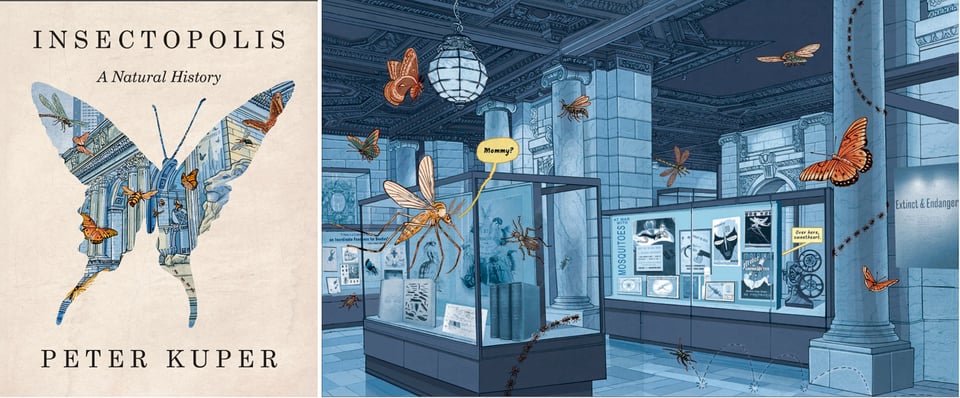
“Insectopolis,” a delightful graphic natural history of insects, begins when the author’s sister, an entomologist, takes him to an insect exhibition at the New York Public Library. Quickly, however, the insects themselves take over the narrative. Ants, beetles, bees, butterflies, dragonflies and other insects all respond to the exhibits about themselves. It’s fun, the drawings are delightful and loving, and along the way I learned a ton.
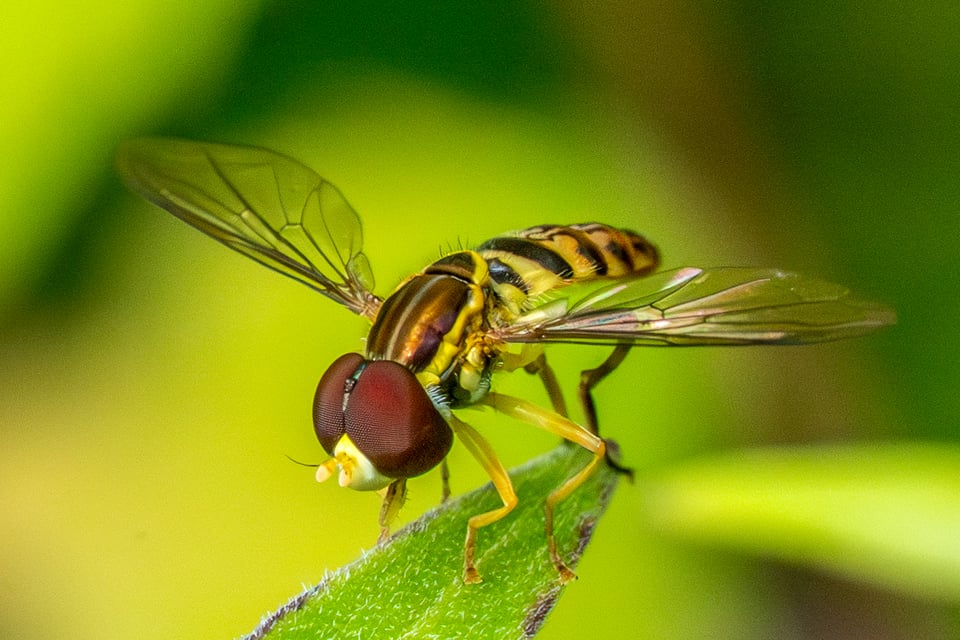
Did you know that midges are the primary pollinators of the trees that produce the beans that make chocolate? That what lac bugs secrete from their anuses (!) was responsible for a wide range of products like shelLAC and vinyl LPs? That dung beetles can navigate by the stars? That some hover flies are Batesian mimics, while a Viceroy butterfly is a Müllerian mimic? That cicadas survive underground for 17 years nourished by tree roots? That Margaret Collins, born in 1922 and known as the “termite lady,” interrupted her research for many years to participate in the Civil Rights movement?
So much to know, and Kuper clearly loves his subject, skillfully intertwining human and insect histories. And jokes! A dung beetle walks into a bar and asks the bartender, “Is this stool taken?”
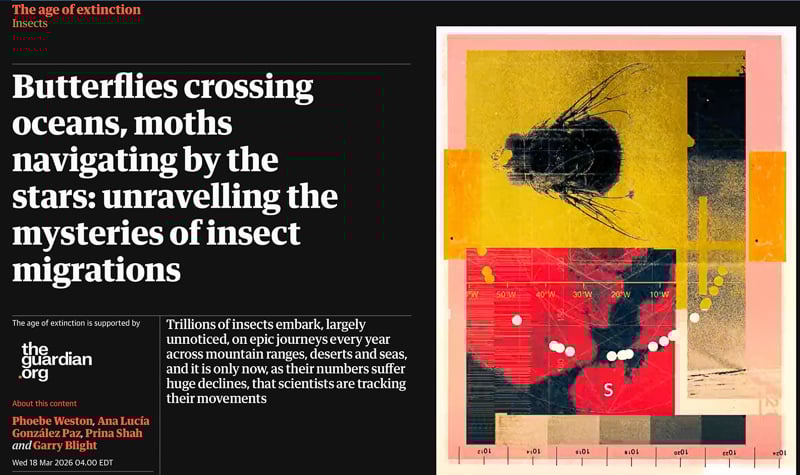
Janet mentions above that hummingbirds cross the Gulf of Mexico flying nonstop 500 miles for up to 20 hours. What was discovered only a few years ago is that “trillions of insects embark, largely unnoticed, on epic journeys every year across mountain ranges, deserts and seas.” Yes, you read that correctly. Trillions.
The Guardian recently had a fascinating graphical story detailing the science behind determining that a painted lady butterfly flew up to 4,300 miles over 5-6 days from Europe to the Sahel region in Africa. And while the dung beetle has been shown to be able to walk in a straight line for several feet navigating by the stars, some moths migrate hundreds of miles a night using the Milky Way as their compass. As one of the study authors put it: “Try to walk from Amsterdam to Vienna in a straight line without your phone or a compass at night-time and without ever having been to Vienna — good luck!”
Technology has gotten to the point where it is possible to track masses of insects in migration, similar to Birdcast, which tracks bird migration by radar. One study found that more than 3 trillion bugs travel over southern England each year. Check out the article.
Go forth and love thy insects, really see them, provide for them, and they will provide for you. And remember, 80 percent of all species are insects. It’s estimated there are 10 quintillion bugs in the world!
A salute to Bruce Ause, and yet another revelation, thanks to him
At their most recent quarterly meeting, FSPA members audibly groaned when park manager Jake Gaster announced that interpretive naturalist Bruce Ause, perhaps our most beloved member, is stepping away this year from leading weekly warm-month nature walks — by far the park’s most popular activity. Bruce, who retired several years ago as director of Red Wing’s Environmental Learning Center, has long shared his wit and wisdom with park visitors.
We fervently wish Bruce well as he steps away to spend more time with his family and embrace other adventures. We hope, however, that he’ll continue writing his wonderful blog, Wacouta Nature Notes. He’s given us permission to occasionally steal from it, so here’s this month’s theft …
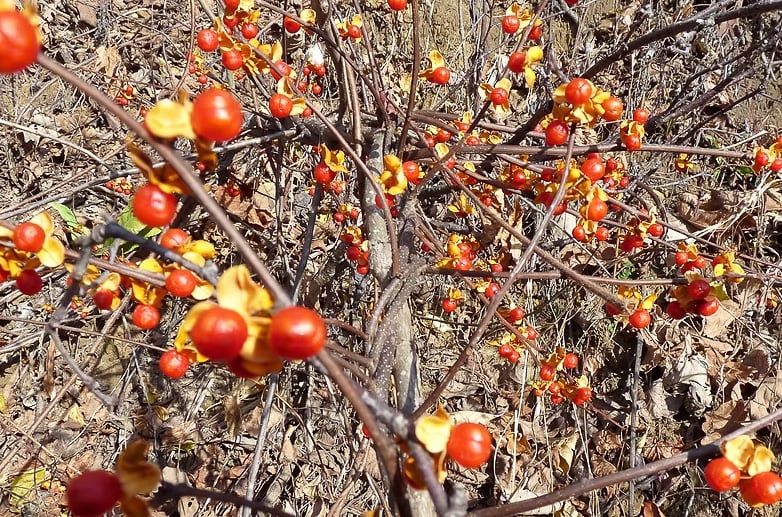
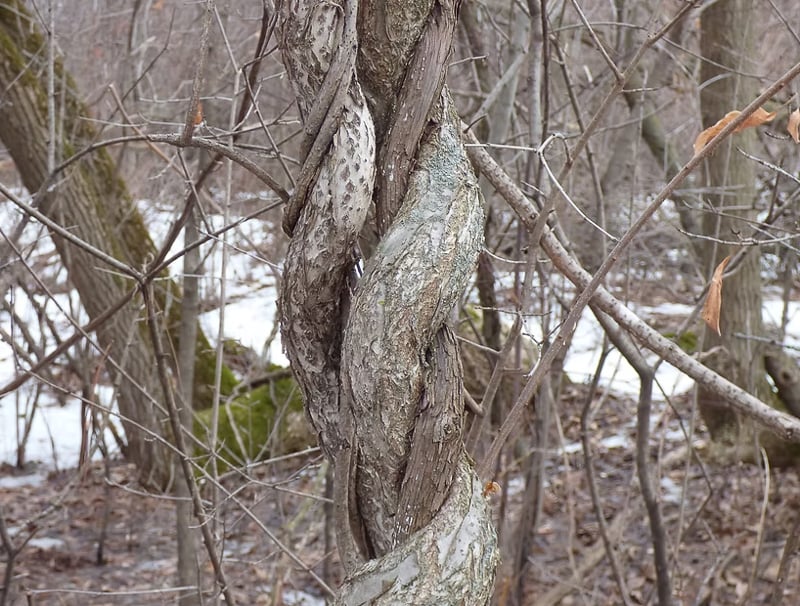
…about an invasive to watch for in the woods! Unfortunately, we’ve seen it in a couple of spots in our park. Round Leaf Bittersweet, sometimes called Oriental Bittersweet (Celastrus orbiculatus), is a deceptively pretty plant whose branches culminate in cheerful orange berries that have long starred in holiday foliage displays. But in our quiet woods, bittersweet’s woody vines wrap around and choke native plants, even bringing down trees on occasion. To illustrate, Bruce took these photos:
New book tells the story of Frontenac State Park and its people
By Pamela Miller, Minnesota Master Naturalist volunteer
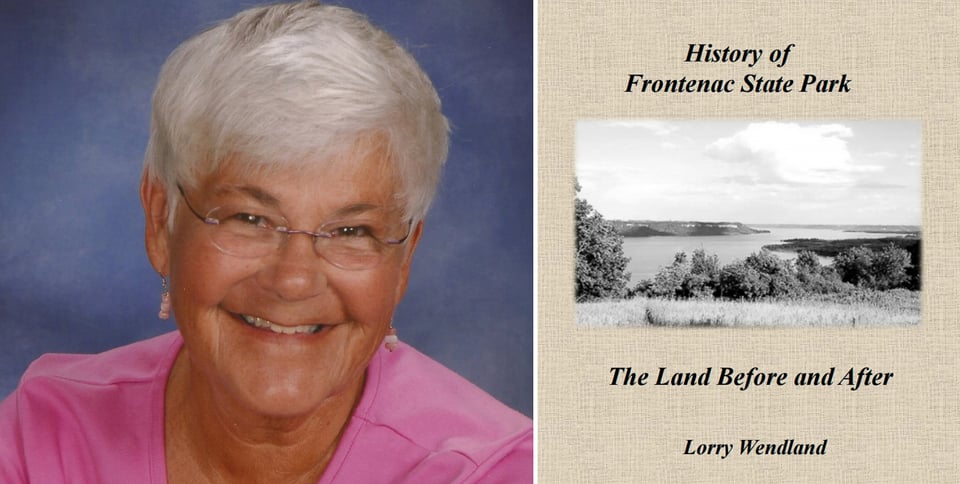
Lorry Wendland had written and published four books about Frontenac, Minn., when she realized that her histories were incomplete without another major story — that of Frontenac State Park.
Thus, her fifth book — “The History of Frontenac State Park: The Land Before and After,” to be released in May 2026.
The modern-day park’s 2,270 acres sprawl across prairies, bluffs, floodplains and shoreline, flanking Frontenac Station and surrounding the historic village of Old Frontenac. In every season, visitors flock there, especially to enjoy the birds living there or migrating through.
It wasn’t always so.
Wendland’s book tells the park’s story, from the 1925 birth of the idea for it, to a pivotal 1954 newspaper editorial that inspired formation of the Frontenac State Park Association and an initial land purchase, to the park’s establishment in 1957, up to the present day.
But Wendland’s book is less a story about land than it is about people.
“I wanted to honor the farmers, the immigrants, everyone who has lived in what is now the park,” she said.
The first chapter honors the Indigenous people, most recently the Dakota, who lived there. Subsequent chapters focus on European settlers and how their farm properties came to be part of the park – in many cases because they did not want to sell it to developers, but rather to see their wild land preserved -- as well as the park’s growth in services.
Roots and the river
Wendland, 82, who divides her time between Old Frontenac and Tucson, Ariz., is a native of Rochester, Minn., where she retired from Mayo in 2005. An accountant by trade, she became interested in history after researching her family’s genealogy and hearing stories about Old Frontenac, where she bought a house in 2000.
She quickly became an accomplished amateur historian and self-published four books focused on the history and genealogy of Old Frontenac and its historical and current residents, as well as the town’s historic cemetery. Wendland has given many presentations on local history and was key to planning Frontenac’s 160th anniversary gala in 2019.
Her love of the area began early. “In the 1950s, my parents had a trailer on the point in Lake City, so we spent the summers there, and I’ve always felt connected to the [Mississippi] river,” she said. “With my own two children, we often camped and fished on sand bars there, sometimes water skiing.”
Key moments in the park’s history
Wendland’s book is a fat volume – 692 pages -- packed with anecdotes and photos. Just a few key events it covers:
The dream of having a national park on Sand Point adjoining Lake Pepin arose in 1925.
In July 1953, an editorial appearing in the Red Wing Daily Republican Eagle titled “Good Location for a State Park” provided the impetus for a state park in the region.
Albert Marshall, editor and publisher of the Daily Republican Eagle, is honored as the driving force to not only form the Frontenac State Park Association (FSPA), but to ensure that the park would be established. He assured that the first plans for a park were revealed in May 1954.
The FSPA soon emerged and made an initial land purchase, of the Munro family property on the northwest side of Hwy. 61 near what is now the Sand Point Trail parking lot; it also included some shoreline territory across the road. A home on that property would house rangers from 1965 to 1987. A second major land acquisition by the FSPA occurred when farmer John Hauschild donated 200 acres of blufftop property, including what is now the park’s signature overlook.
In 1957, after much work by advocates, the park was established.
From 1957 to 2026, the park has completed 18 property acquisitions. Each is the subject of a chapter that tracks ownership of the land since its first recorded deed to purchase by the park. The chapter also honors the evolution of park property and building improvements, and how the land is used today for the benefit of visitors.
Park buildings were added and moved, and a full-time ranger was added in 1975.
In 1979, Frontenac was named a “natural” state park, meaning that it wouldn’t house lodges or other big attractions. The focus turned to restoring its farmland territory to prairie land – something that continues today.
During the four and a half years Wendland spent researching and writing the book, she often unearthed previously undiscovered information. The biggest surprise came from a storage unit owned by Red Wing attorney Chuck Richardson, whose late father was a friend of editor and park advocate Albert Marshall. Marshall had given boxes of information from that era to Richardson’s father, who saved it all. Years later, the younger Richardson rediscovered the information. The vast amount of documents clarified early reports about the desire for a park in the area, especially from 1925 through the 1930s, 1940s and early 1950s.
“That was such a treasure, because so many people just throw away information like that as time passes,” Wendland said. “Even in our own lifetimes, memories and history are easily lost.”
Lots of people – and one goat
Talking to the descendants of area farmers in the area was another highlight for Wendland. The old photos they shared – not to mention the stories – were priceless, she said.
She expressed deep gratitude to those folks, as well as to several park stalwarts whom she interviewed at length – Harry Roberts, park manager from 1987 to 2013; Wally Siewert, a pivotal park employee for 47 years; current park manager Jake Gaster, and longtime friend of the park interpretive naturalist Bruce Ause. Jim Rahm and Brian Schreiber, longtime FSPA members, also shared their memories and insights.
Most of all, she’s grateful for the people who first made the park possible – 19th- and early 20th-century immigrant and pioneer farmers whose descendants later made sure their land was preserved by selling it to the park. “I’m so impressed by the determination they had to come to a new land and work so hard to make a new life for them and their children,” she said.
Their stories, along with those of the people who came after them, make for a book that is very much about people.
And for those wondering — yes, the book contains the tale of the park’s unofficial mascot, a large white domestic goat dubbed White Lightning who escaped from a buckthorn area paddock in the Rattlesnake Ridge area in 2023 and is now in his (or her?) third year of roaming the bluffs (we hope — no one has spotted him/her for a few weeks).
A book release event will be held from 1 to 3 p.m. on Saturday, May 16, 2026, at the Florence Township Hall in Frontenac Station, Minn. Lorry Wendland will speak briefly, then be available for book signings and sales.
Poem of the month
“April Rain Song,” By Langston Hughes
(American; 1901-1967)
Let the rain kiss you.
Let the rain beat upon your head with silver liquid drops.
Let the rain sing you a lullaby.
The rain makes still pools on the sidewalk.
The rain makes running polls in the gutter.
The rain plays a little sleep-song on our roof at night —
And I love the rain.
Interested in joining the FSPA?
If you are a member, thank you! You help us pursue our mission of supporting this treasured park in myriad ways.
If you’d like to join us, we’d be honored to have your support. Dues are $25 per year for an individual, $35 for household membership. Here’s a link with signup information.
A reminder that joining us occasionally to help with volunteer efforts is awesome too, even if you’re not a member. The FSPA’s goals are to support Frontenac State Park activities and share our love of this beautiful park with as many people as possible.
To sign up to regularly receive this free, spam-free monthly newsletter, click on “Subscribe” below. Feel free to send questions or comments to your newsletter editor at pamelamarianmiller@gmail.com. Questions about the FSPA? You can reach FSPA president Steve Dietz at stevedietz@duck.com.
Handy links for more information and education
Frontenac State Park
Frontenac State Park Association
If you take pictures in the park, tag us on Instagram
Frontenac State Park bird checklist
Frontenac State Park on iNaturalist
Parks & Trails Council of Minnesota
Website for our township, Florence Township
Minnesota Master Naturalist programs
Red Wing Environmental Learning Center
Lake City Environmental Learning Program on FB
Visit Lake City
Zumbro Valley Audubon Society
Bruce Ause’s Wacouta Nature Notes blog
Marge Loch-Wouters’ Hiking the Driftless Trails blog
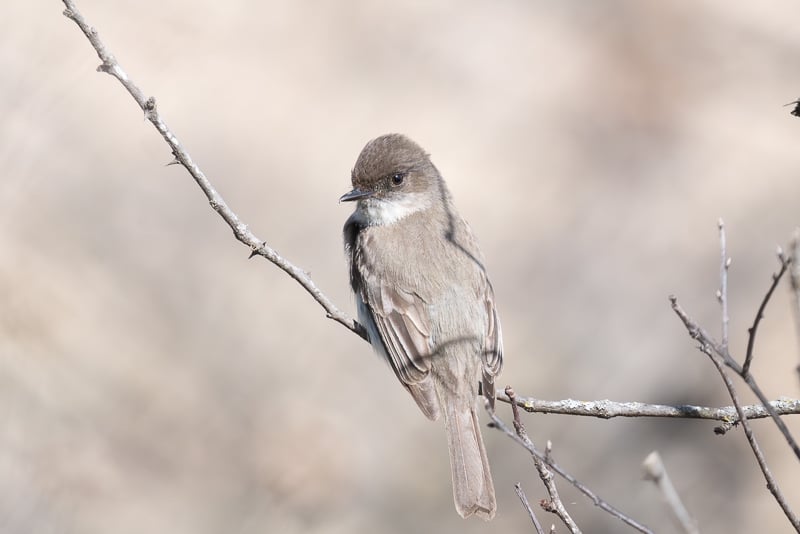
Frontenac State Park staff
Jake Gaster, park manager; Amy Jay, assistant park manager; Amy Poss, lead field worker
Parting shots
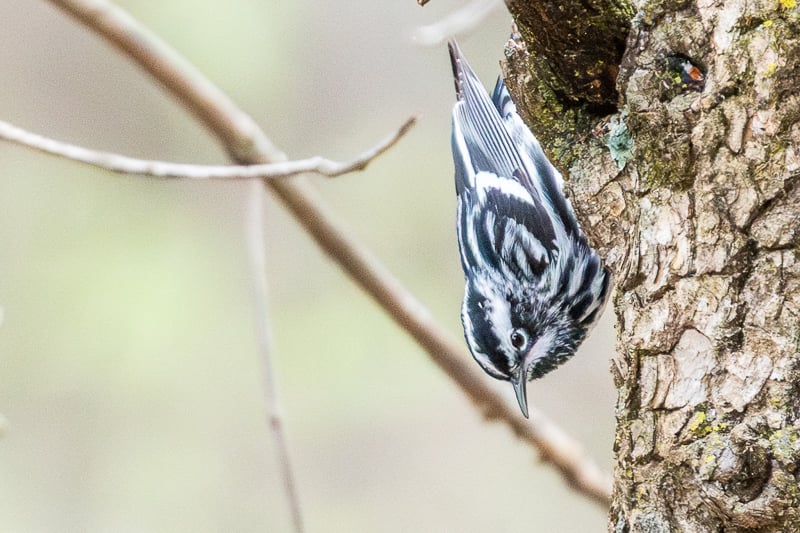
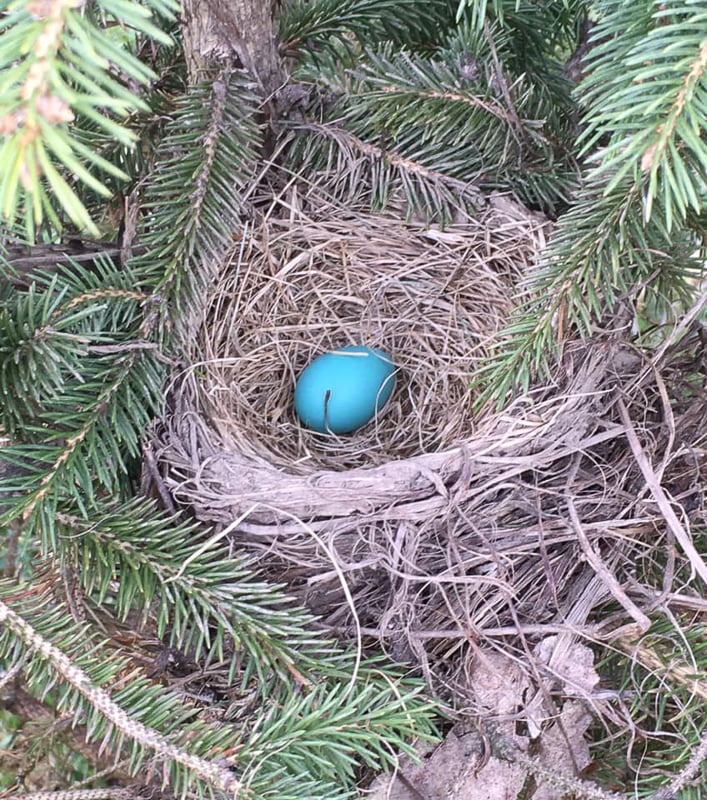
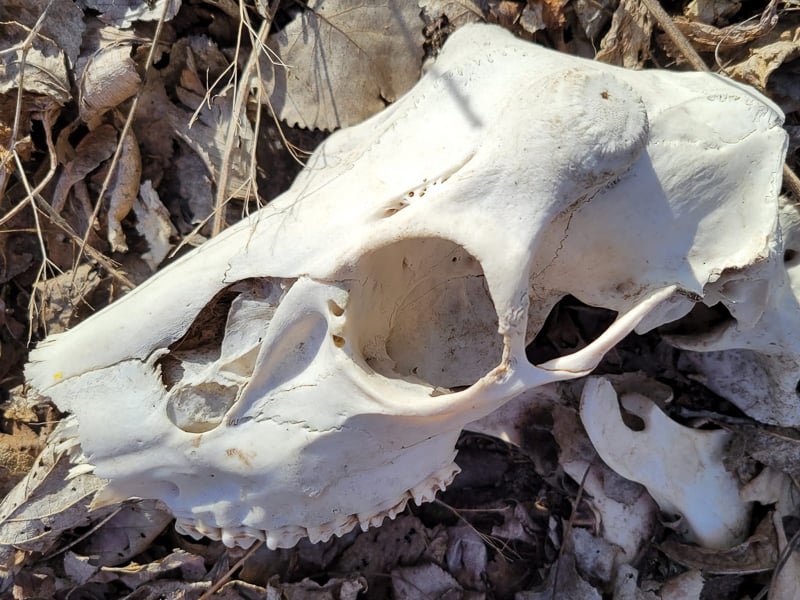
Thank you, readers and park visitors!
This is Volume 4, No. 4 of the Frontenac State Park Association newsletter, which was launched in April 2023.
Here’s where to browse the full archives of this newsletter.

