
June Play + Learn News
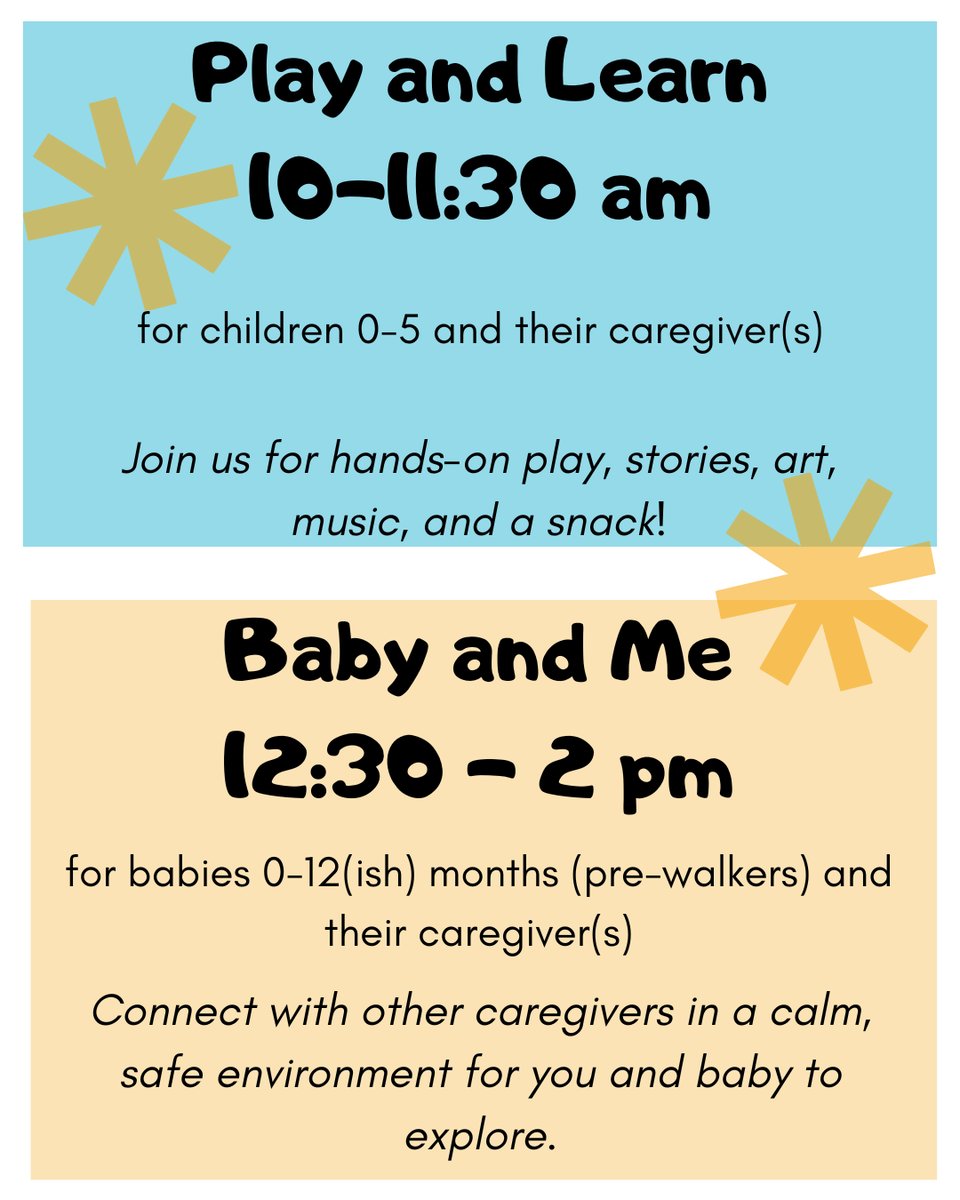
Coming Up:
Outdoor Play!
We have use of the Head Start playground at the EWRRC during some of our sessions this summer. Please come prepared for outdoor play that might get messy (sunscreen, change of clothes, etc.)
July 14 + 21: No Play + Learn
August 11: Resource Sharing + Lunch
We’ll have representatives from WIC, SEAS, and ESIT visiting us from 10-12 on 8/11 to share about resources that are available for you and your family. Healthy lunch for adults + kids provided at 11:15! Mark your calendars, more details provided in July.
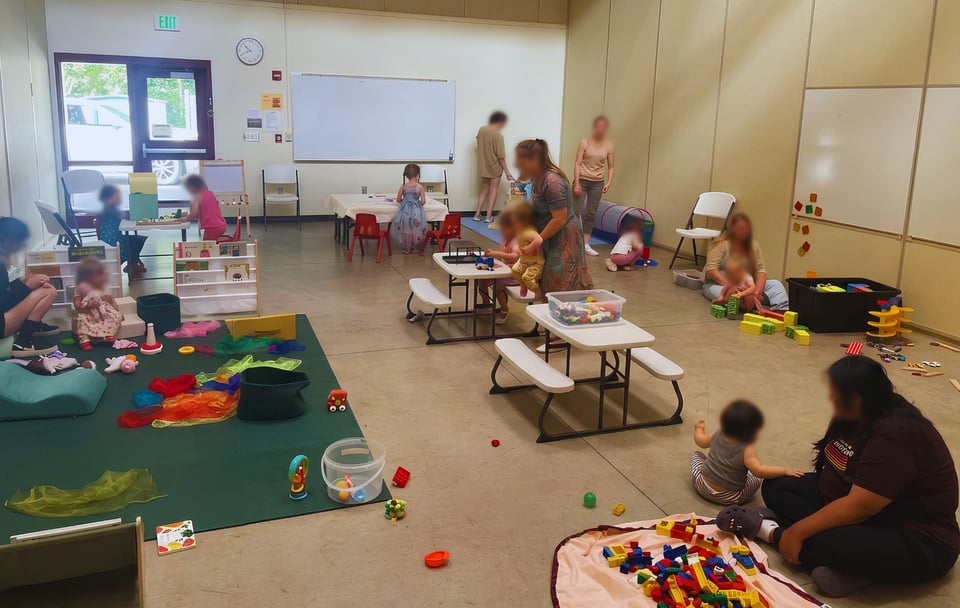
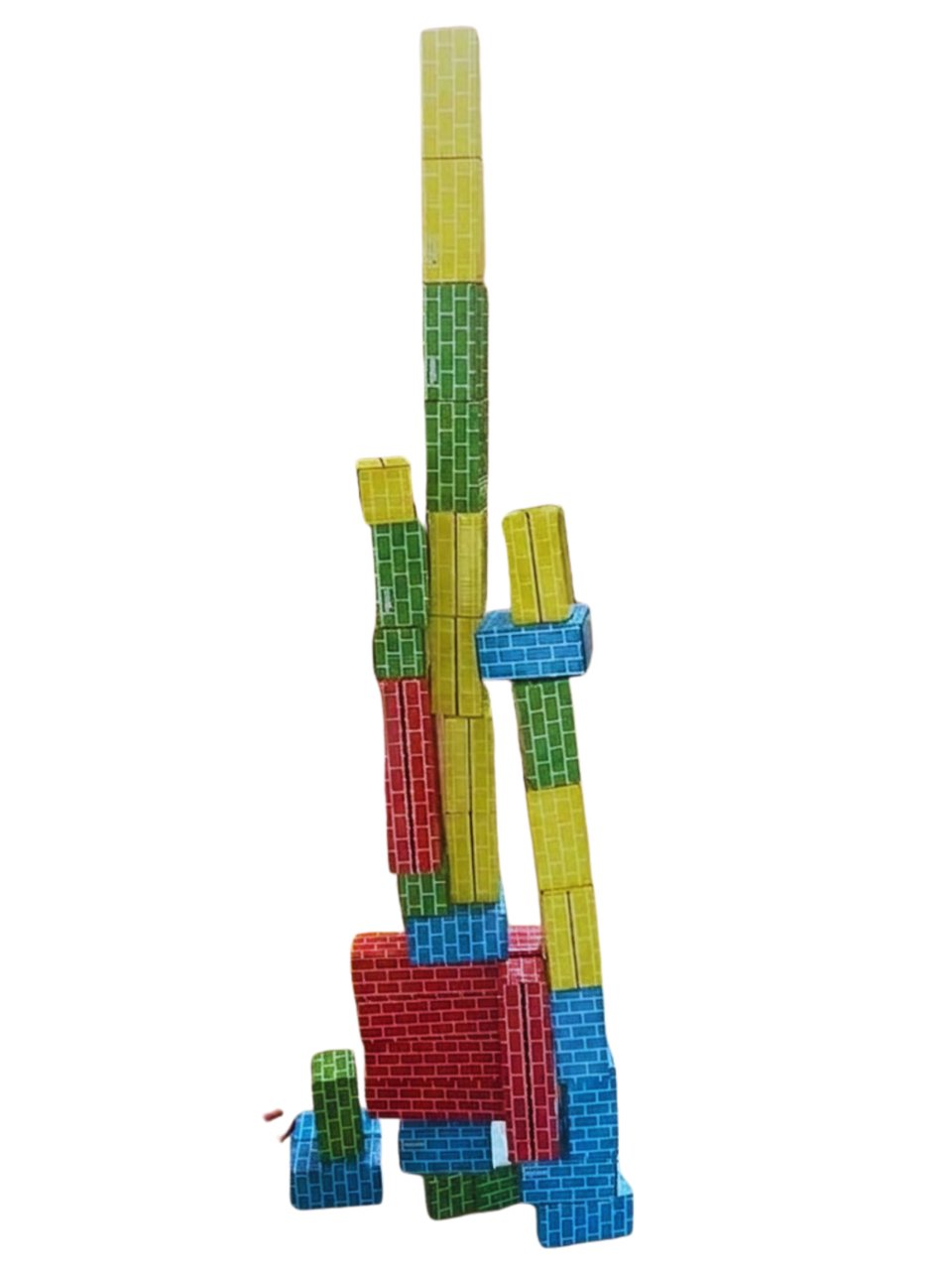
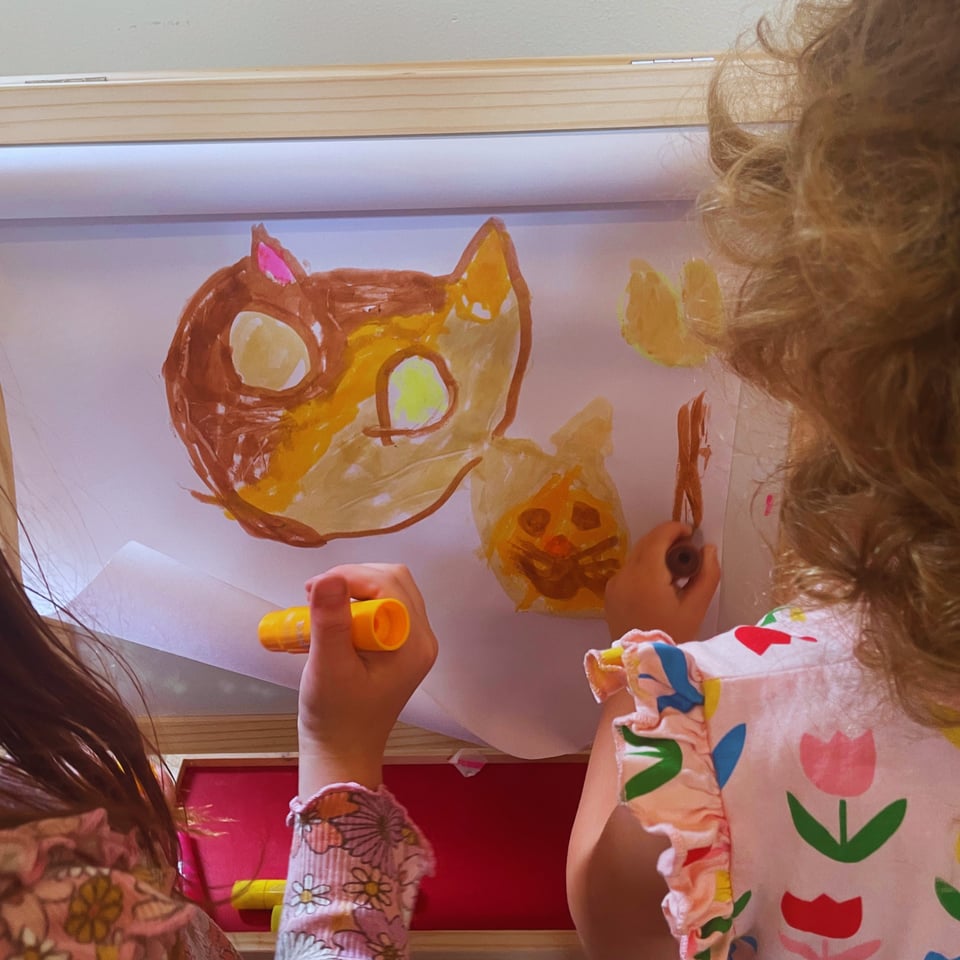
What Have We Been Up To?
Caregiver Corner
How can you stop your child from using behaviors that you do not want them to use?
Young children are constantly trying to figure out how the world works.They use the information around them to figure it out: they are looking at expressions, body language, and information from the physical environment mostly, and our verbal language plays a part, too. But with infants and toddlers, especially, just a verbal “no” or “stop” isn’t usually successful in getting the child to stop.
This article from Positive Discipline is a great read. It shares that toddlers lack the ability to understand cause and effect. When a toddler is grabbing a toy from another child, or spitting, or pushing their food off of the table, or climbing on the furniture, they aren’t thinking about the consequences. And the consequences aren’t “punishment” - they are the reason you don’t want them doing those things in the first place. We can tell children the consequences (the why) but more importantly, we have to redirect: tell them what they can do.
Here’s a scenario: your toddler is using a shovel in sand and is throwing the sand up in the air behind them with every scoop.
You might say: “Uh oh! That sand is flying in the air. We don’t throw sand because it might get in someone’s eyes and that would really hurt. Can you scoop slowly?” We would pair this with modeling what scooping slowly looks like.
A toddler also doesn’t have perfect motor skills: every future scoop might not be perfect, so beware of punishing for not having the motor skills! If they are throwing the sand to seek attention, they’ll do it again, and you might redirect them to something appropriate to throw - ex., a ball. If they really want to keep scooping and are trying to scoop slowly, there might be some accidental flying sand every few scoops. You might say, “That scoop went high! I see you trying to scoop slowly, that’s hard sometimes.” That statement acknowledges that they are not ignoring your redirection to “scoop slowly”.
This takes patience and time to redirect rather than punish, but it’s worth it in the long run! The Positive Discipline article also explores why we should redirect and distract instead of punishing.
Need more parenting support? Ask your questions at Play and Learn, or reach out to [email protected]. We can connect you with community resources, information about child care, assistance with basic needs, and much more.